Carbon Offset Project Development: A Comprehensive Guide
Carbon offset project development is a complex process that involves several stages, from design to verification. In this article, we will explore the different stages of project development, key considerations, and examples of successful offset projects. By understanding the process of carbon offset project development, individuals and businesses can make informed decisions about investing in high-quality offset projects that reduce greenhouse gas emissions.
What is Carbon Offset Project Development?
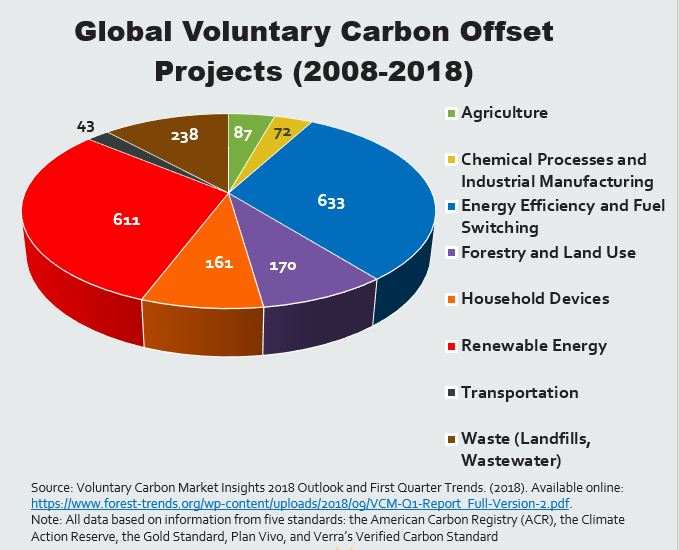
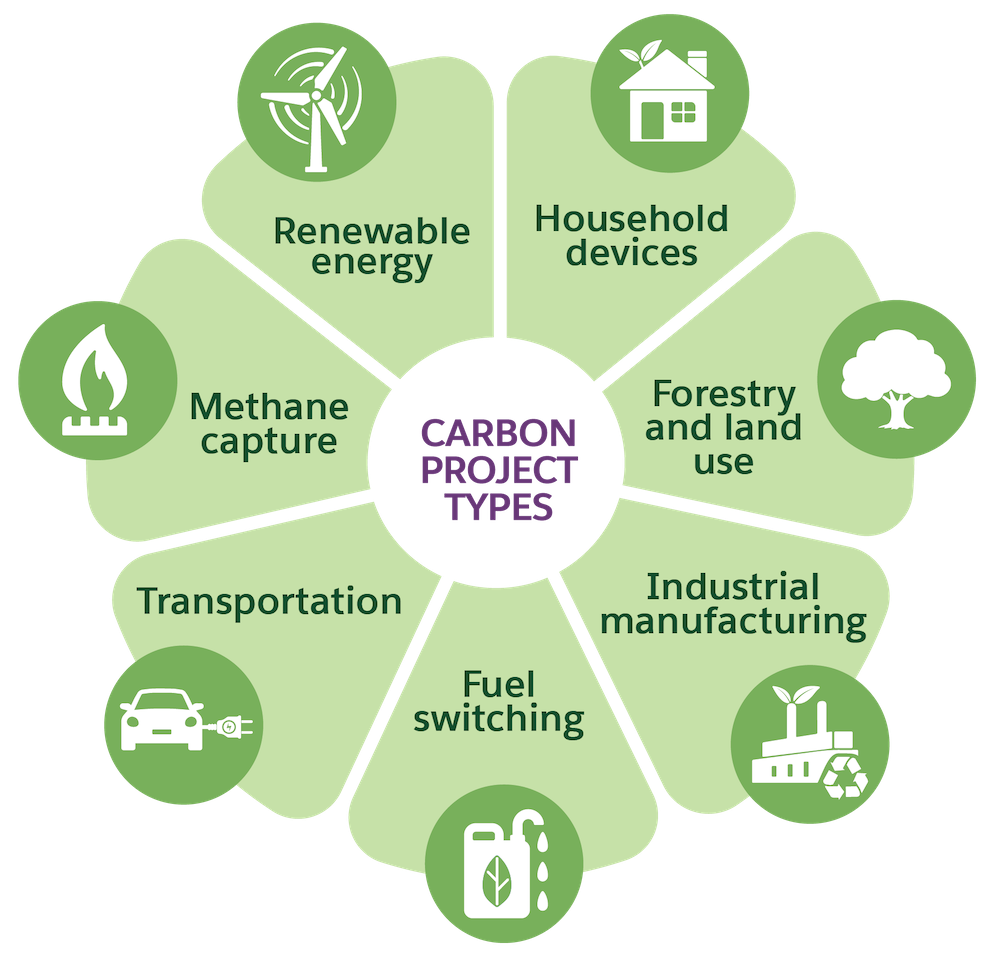
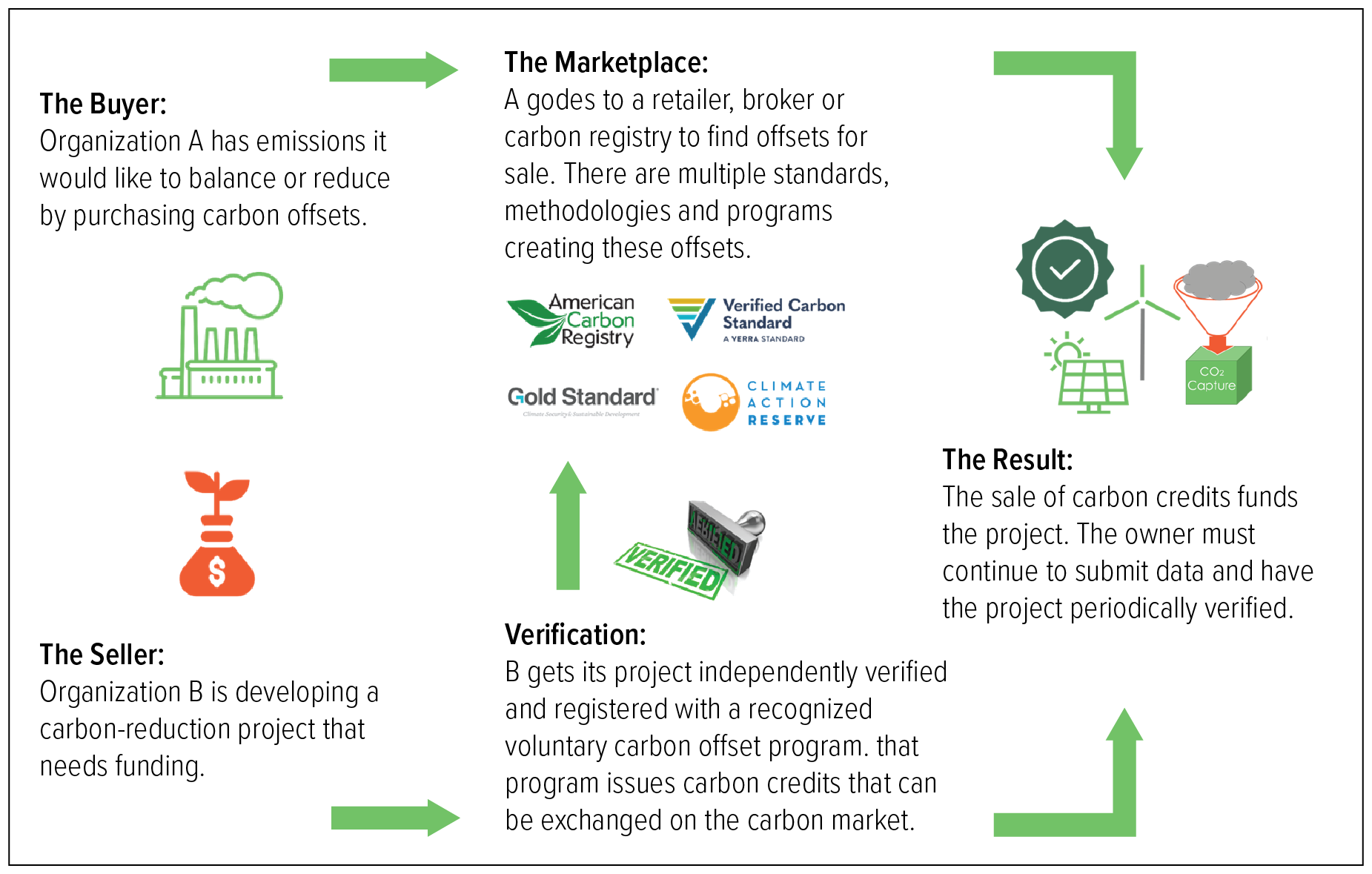
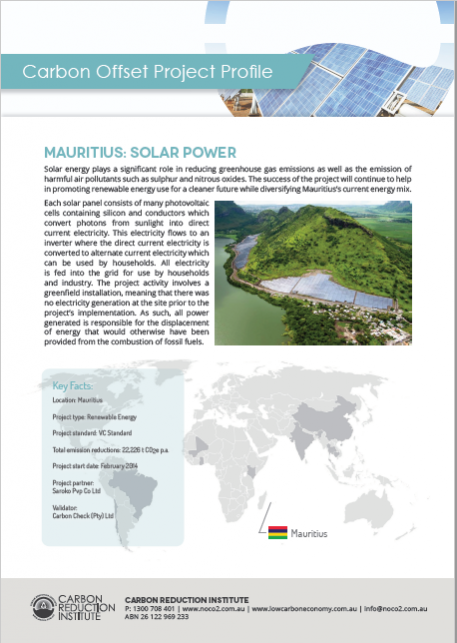
Carbon offset project development is the process of creating and implementing projects that reduce or remove greenhouse gas emissions. These projects can take many forms, including reforestation, renewable energy, energy efficiency, and agroforestry. The goal of carbon offset project development is to achieve measurable reductions in greenhouse gas emissions, which can be verified and certified through international standards such as the Verified Carbon Standard (VCS) or the Gold Standard.
Stages of Carbon Offset Project Development
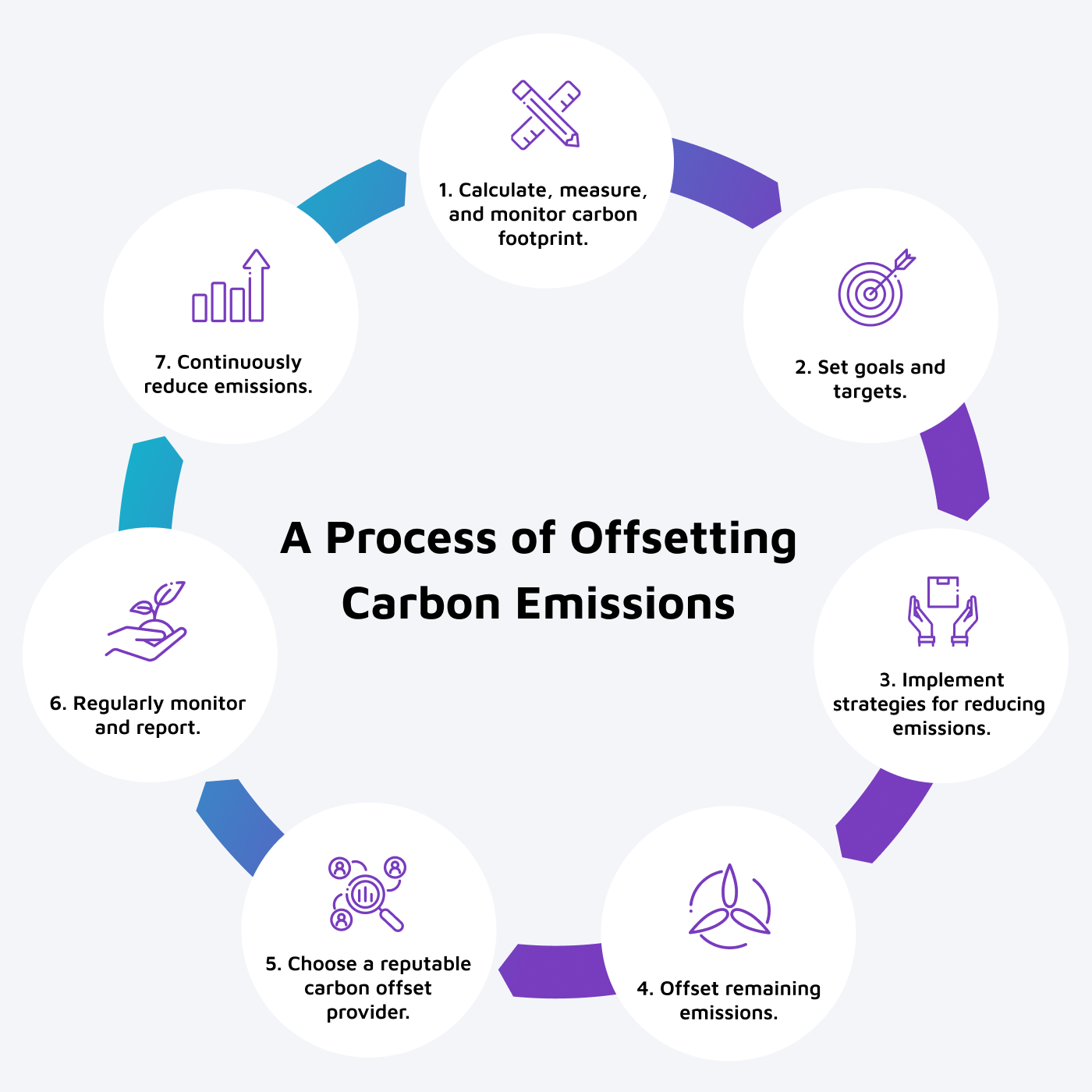
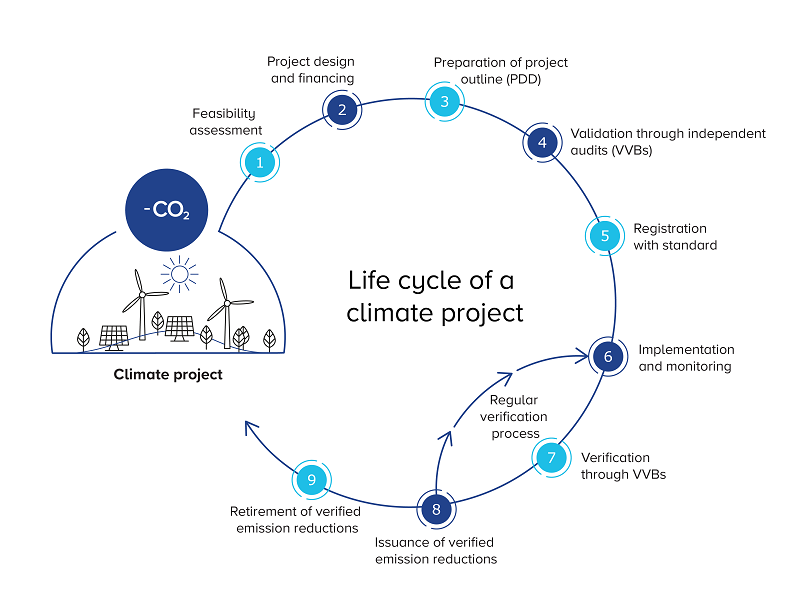
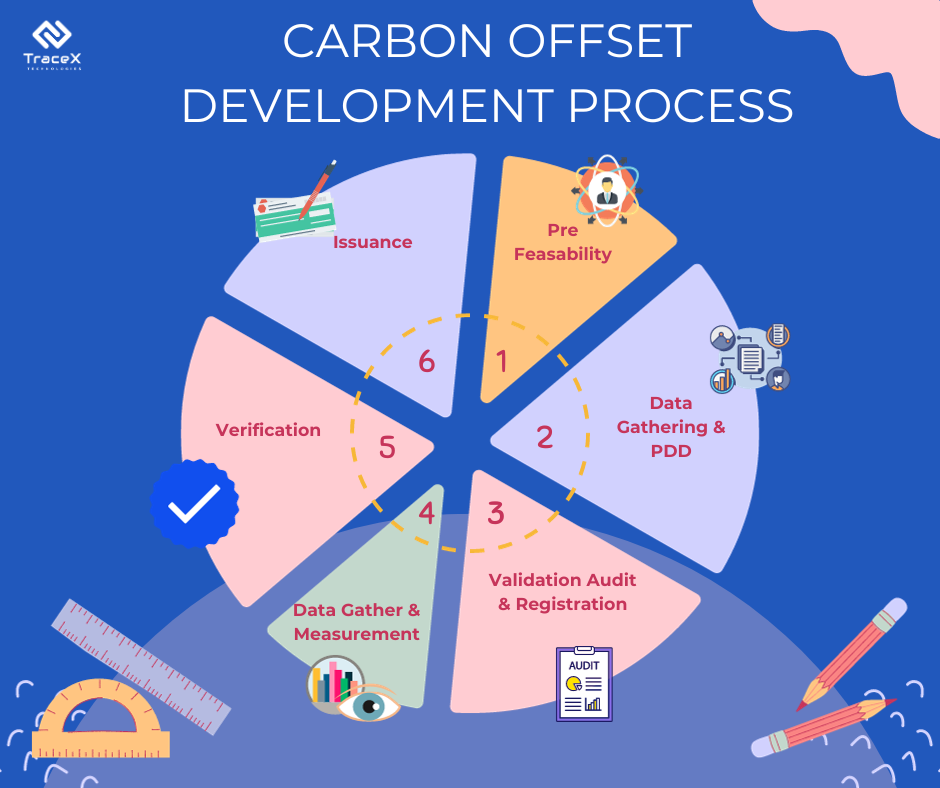
The process of carbon offset project development involves several stages, including:
- Project Identification: Identifying potential sites for reforestation, renewable energy, or other carbon reduction projects.
- Feasibility Study: Conducting a thorough analysis of the project's technical, financial, and environmental viability.
- Design and Planning: Developing a detailed plan for the project, including project scope, budget, and timeline.
- Implementation: Executing the project, including land acquisition, construction, and installation of infrastructure.
- Verification and Certification: Ensuring that the project's emissions reductions are accurately measured and verified through international standards.