Understanding Export License and Control: A Comprehensive Guide
The world of international trade is complex and heavily regulated, with numerous laws and regulations governing the export of goods and technologies. One of the most critical aspects of export compliance is the export license and control system, which plays a vital role in ensuring that sensitive technologies and goods are not transferred to unauthorized parties. In this article, we will delve into the world of export license and control, exploring the key concepts, regulations, and best practices that companies need to navigate.
The Importance of Export License and Control
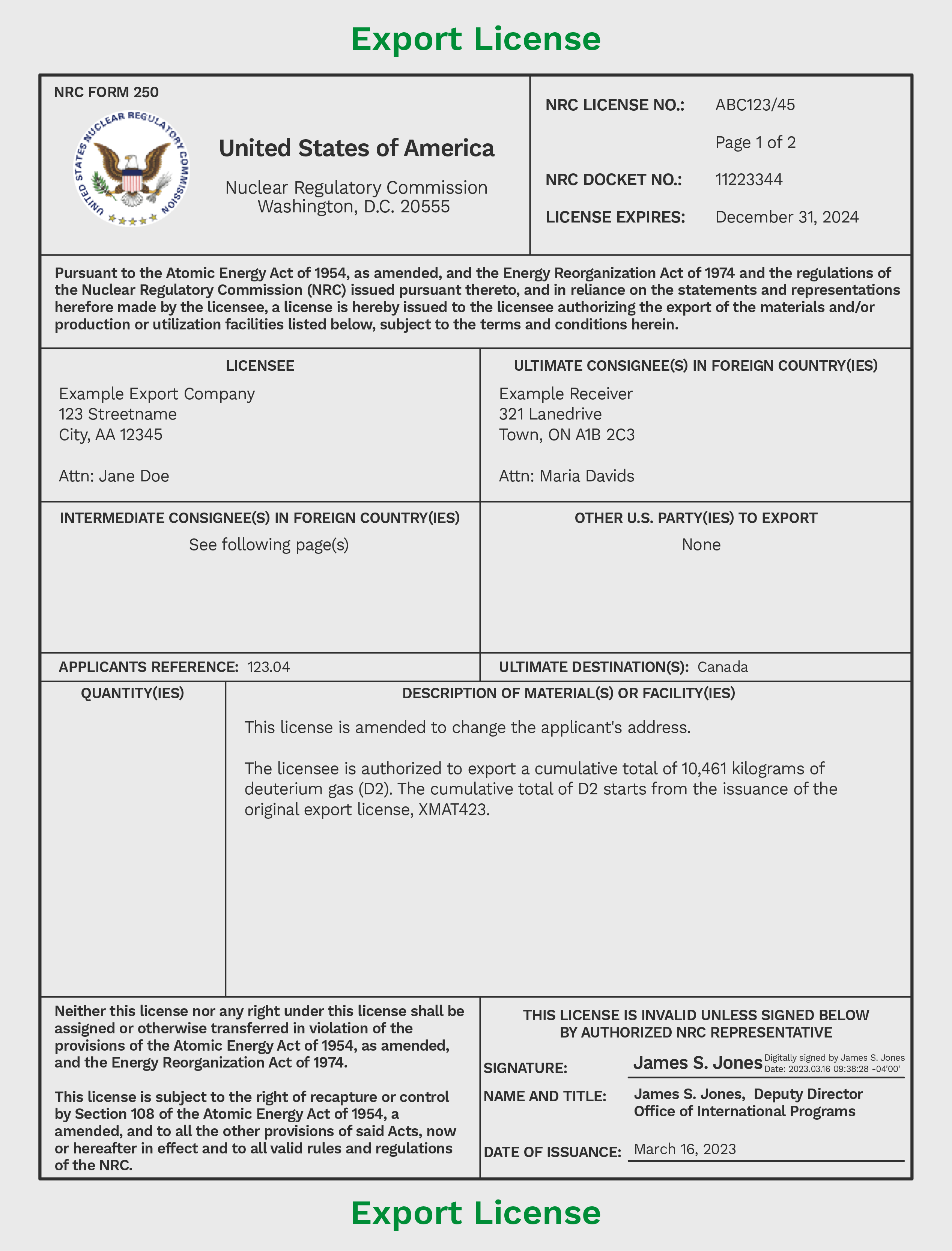
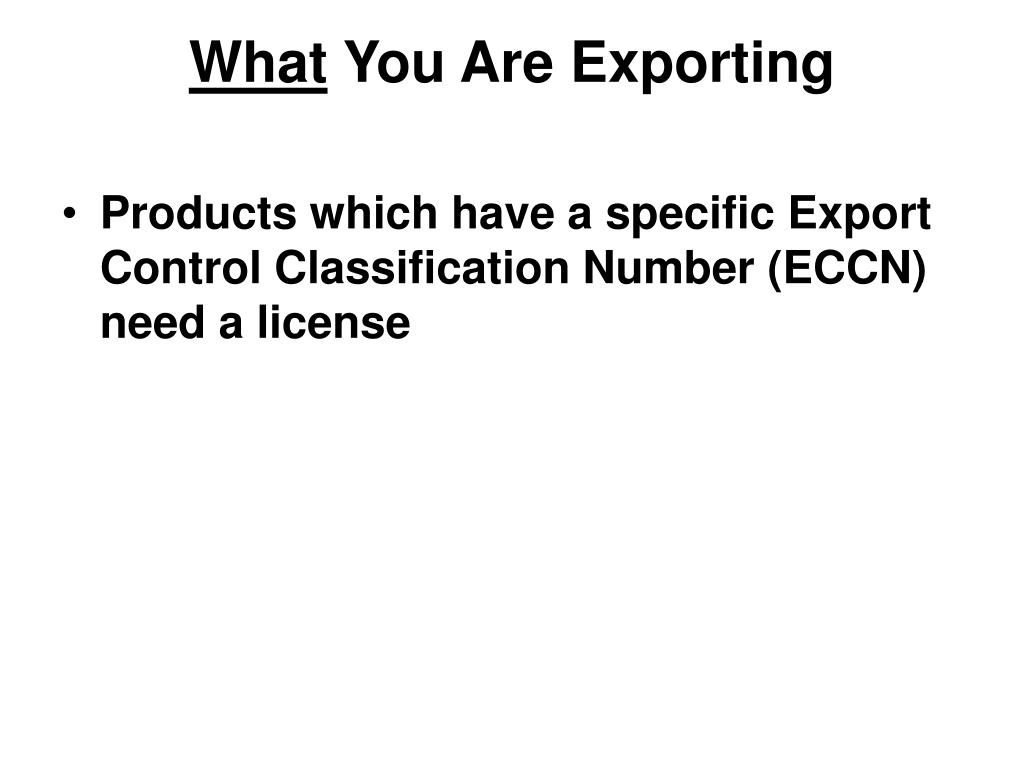
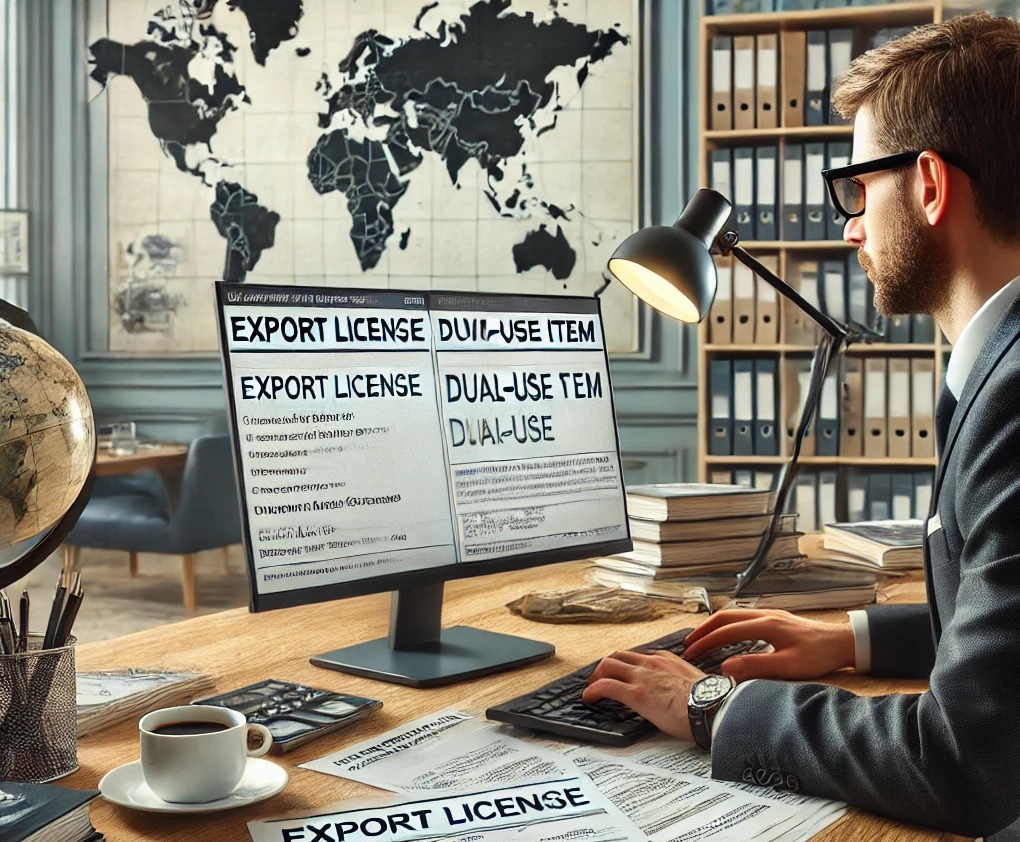
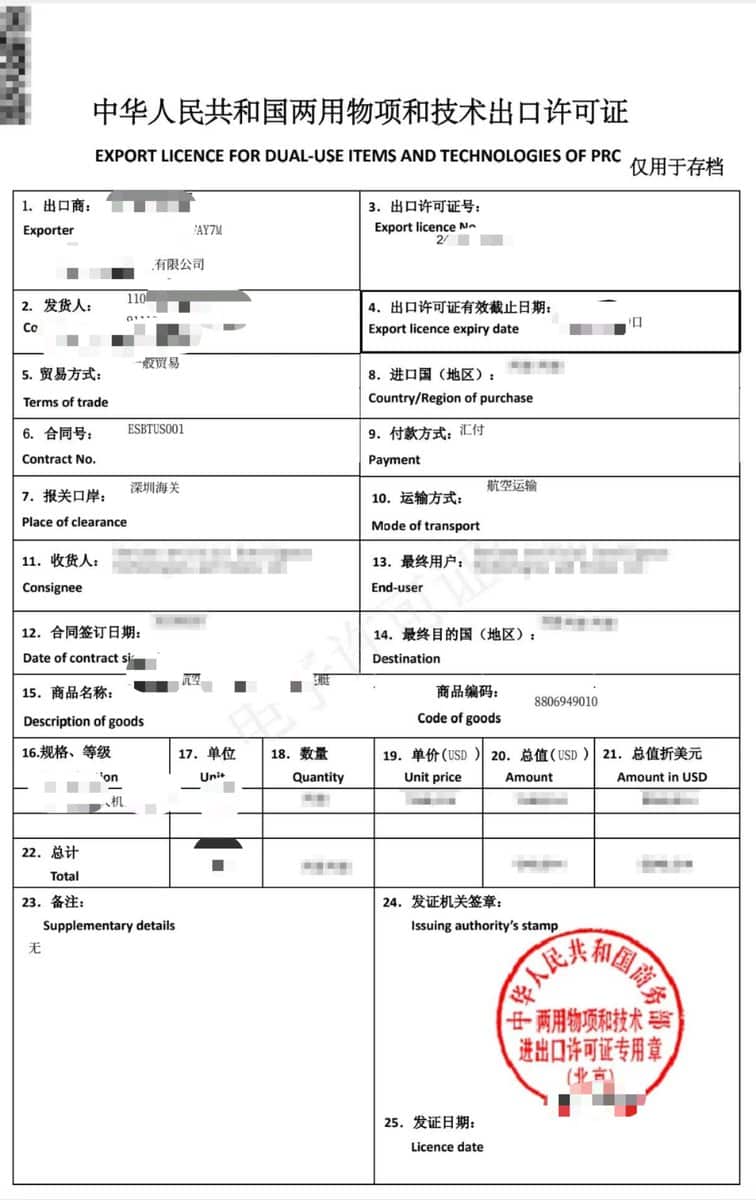
An export license is a government-issued document that authorizes the export of specific goods or technologies to a foreign country. The primary purpose of an export license is to ensure compliance with federal regulations and safeguard national security. By requiring companies to obtain an export license, the government can control the flow of sensitive technologies and goods, preventing them from falling into the wrong hands.

Key Agencies Involved in Export License and Control
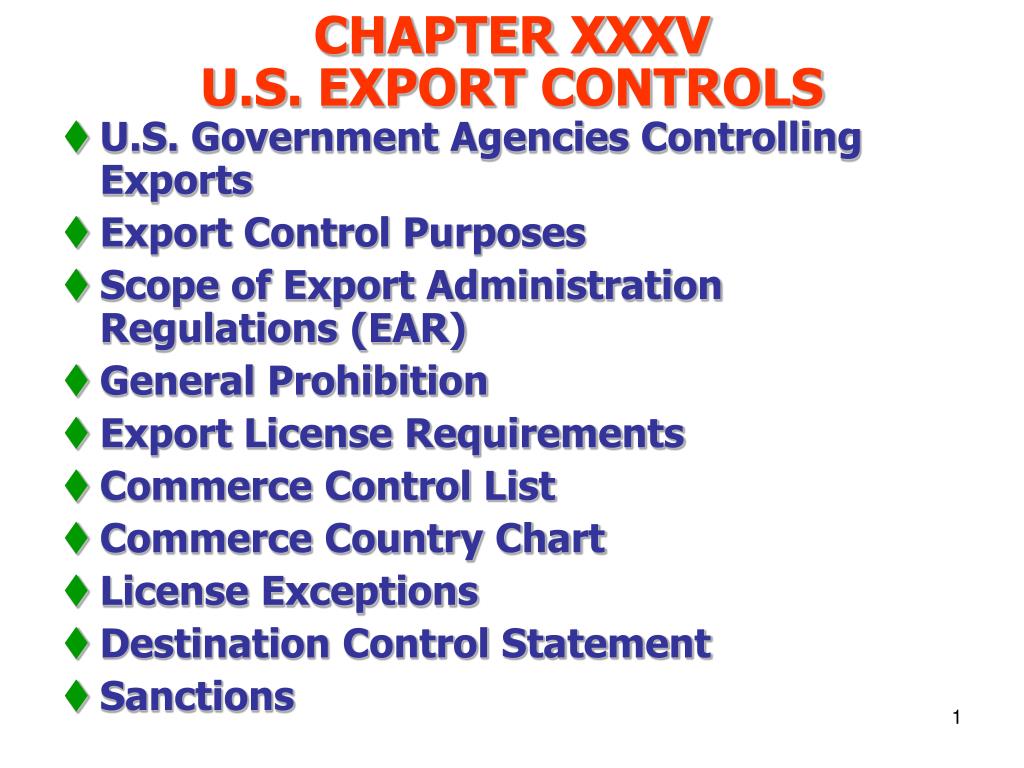
- The Bureau of Industry and Security (BIS) is the primary agency responsible for administering the export control regime in the United States.
- The Department of State's Directorate of Defense Trade Controls (DDTC) regulates the export of defense articles and services.
- The Office of Foreign Assets Control (OFAC) administers economic and trade sanctions against specific countries, entities, and individuals.