A Comprehensive Guide to Export Regulations: Navigating the Complexities of International Trade
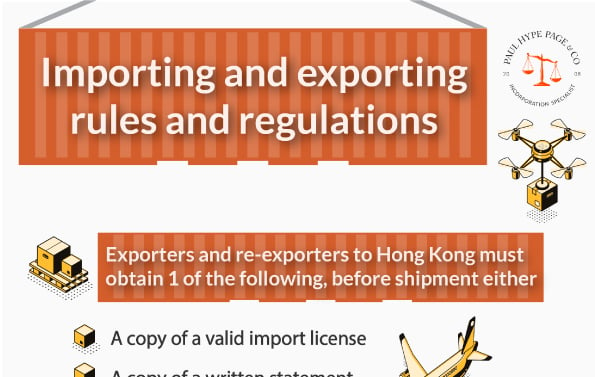
Exporting goods and services to foreign markets can be a lucrative opportunity for businesses, but it requires careful navigation of complex regulations and laws. The Export Administration Regulations (EAR) and other international trade regulations can be daunting for even the most experienced exporters. In this article, we will provide a comprehensive guide to export regulations, helping you understand the key requirements and procedures for successful international trade.
Understanding Export Regulations
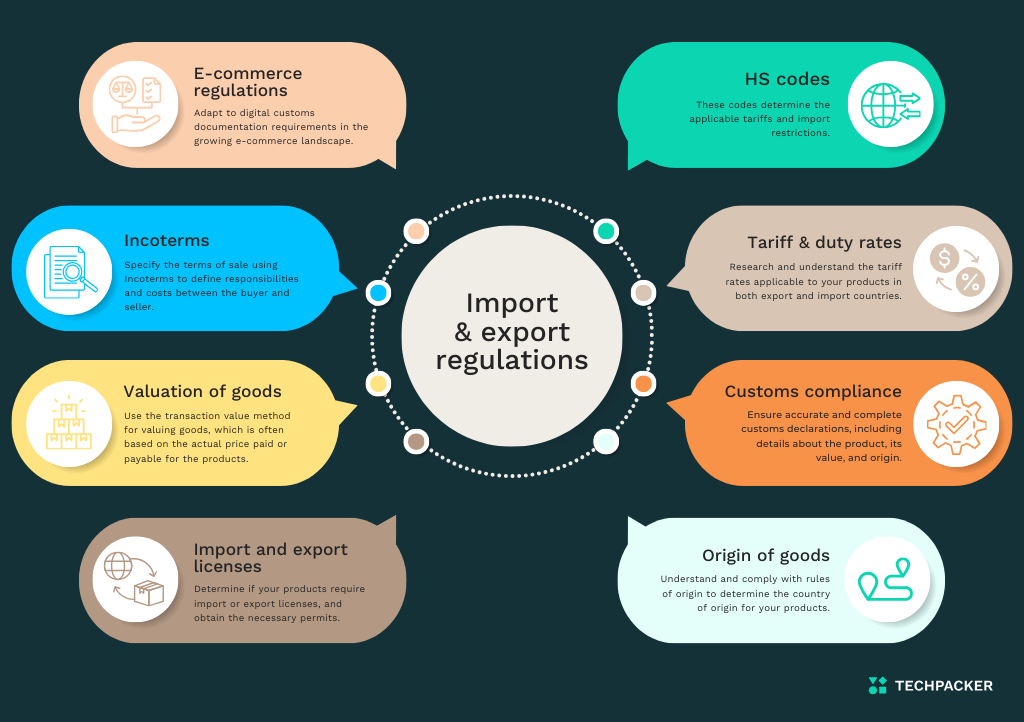
Export regulations vary by country and type of product, but most require compliance with laws and regulations related to customs, tariffs, and trade policies. The EAR, administered by the Bureau of Industry and Security (BIS), regulates the export and re-export of certain products, software, and technology. Understanding the EAR and other export regulations is essential for businesses looking to export goods and services internationally.
Compliance with Export Regulations
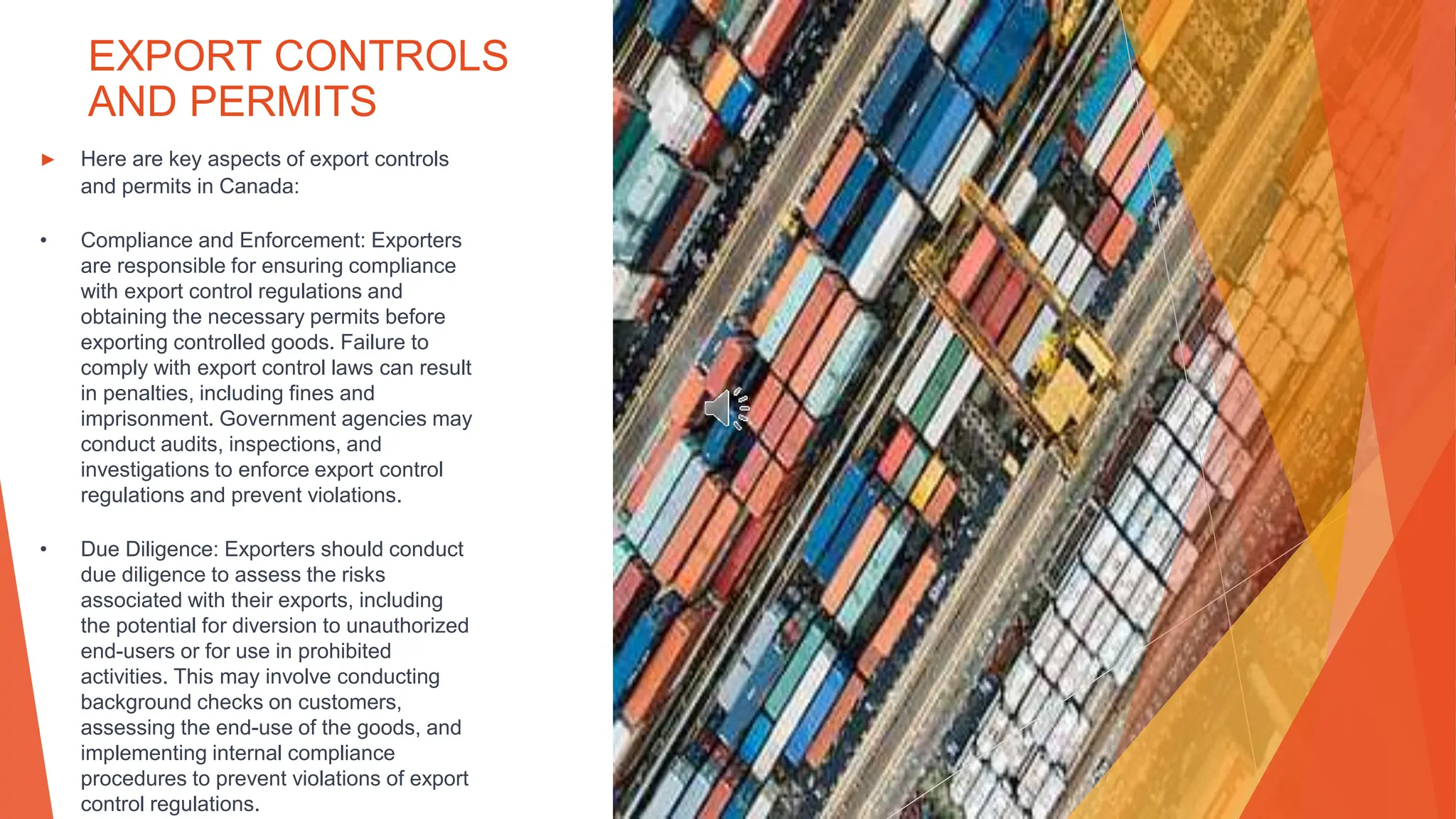
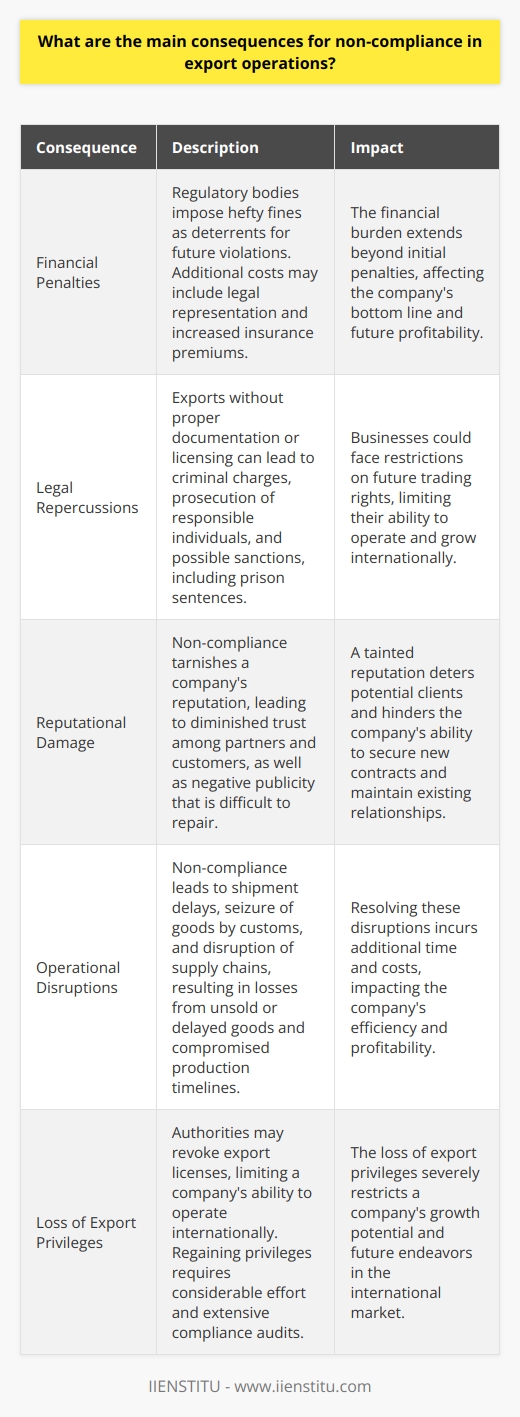
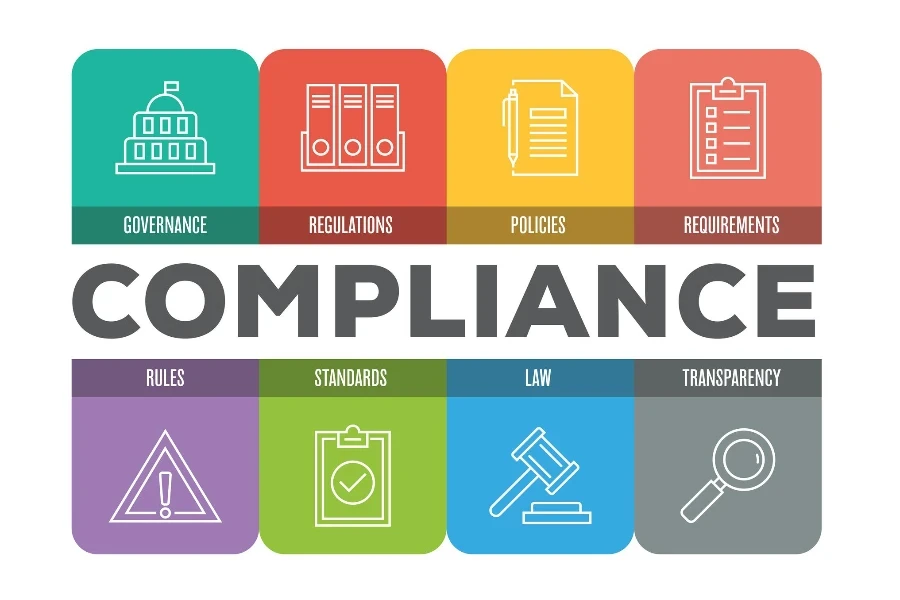
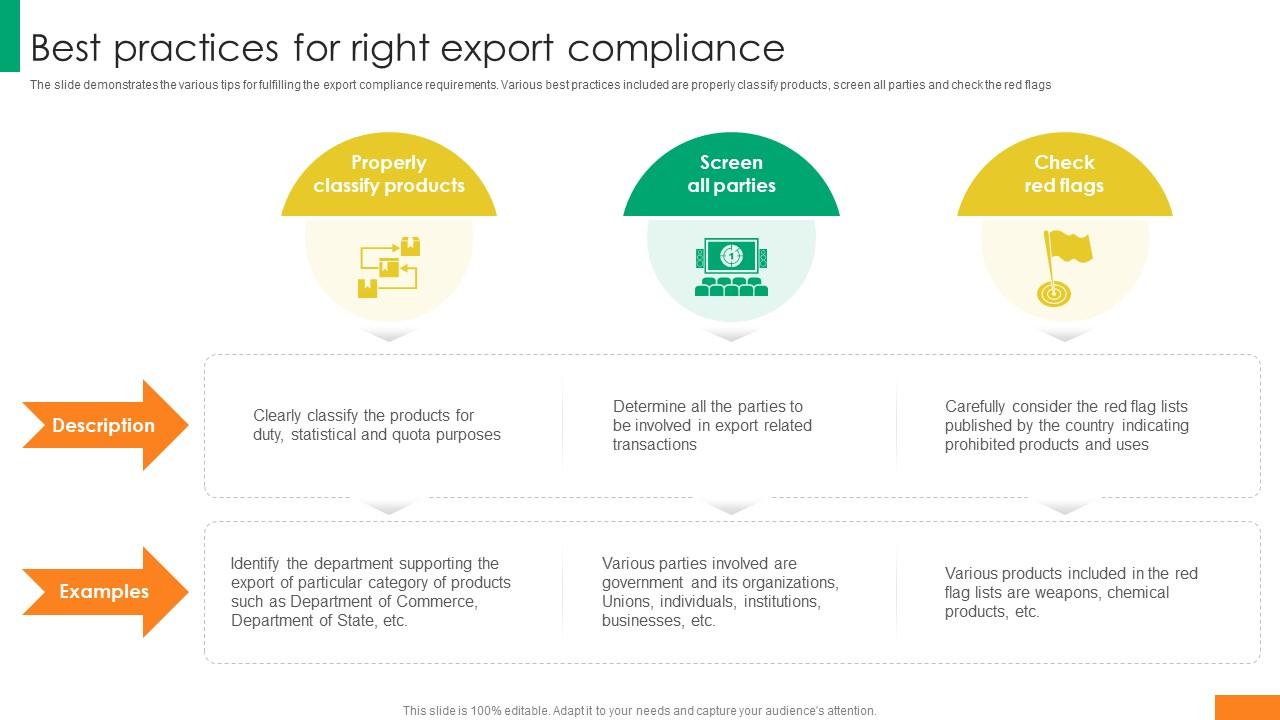
Compliance with export regulations is critical to avoid penalties, fines, and reputational damage. Businesses must ensure that their export activities comply with the EAR, as well as other relevant regulations, such as those related to customs, tariffs, and trade policies. This includes obtaining necessary licenses and permits, classifying products correctly, and maintaining accurate records.