Configuring Wireless Network for Lighting Control
With the increasing demand for smart home technology, configuring a wireless network for lighting control has become a crucial aspect of home automation. In this comprehensive guide, we will walk you through the process of setting up a wireless network for lighting control, exploring various network types, and providing a practical, user-friendly approach to setting up and managing your smart lighting system.
Understanding the Basics of Wireless Lighting Control
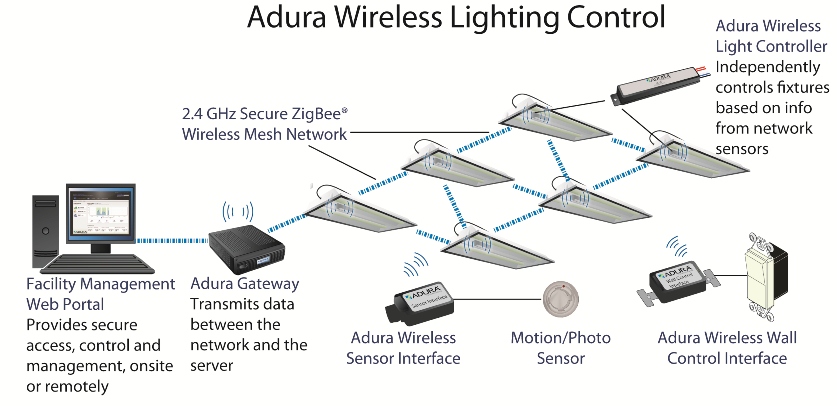
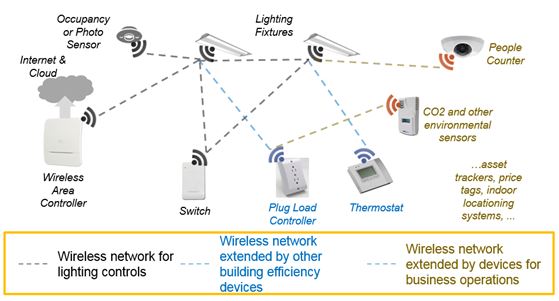
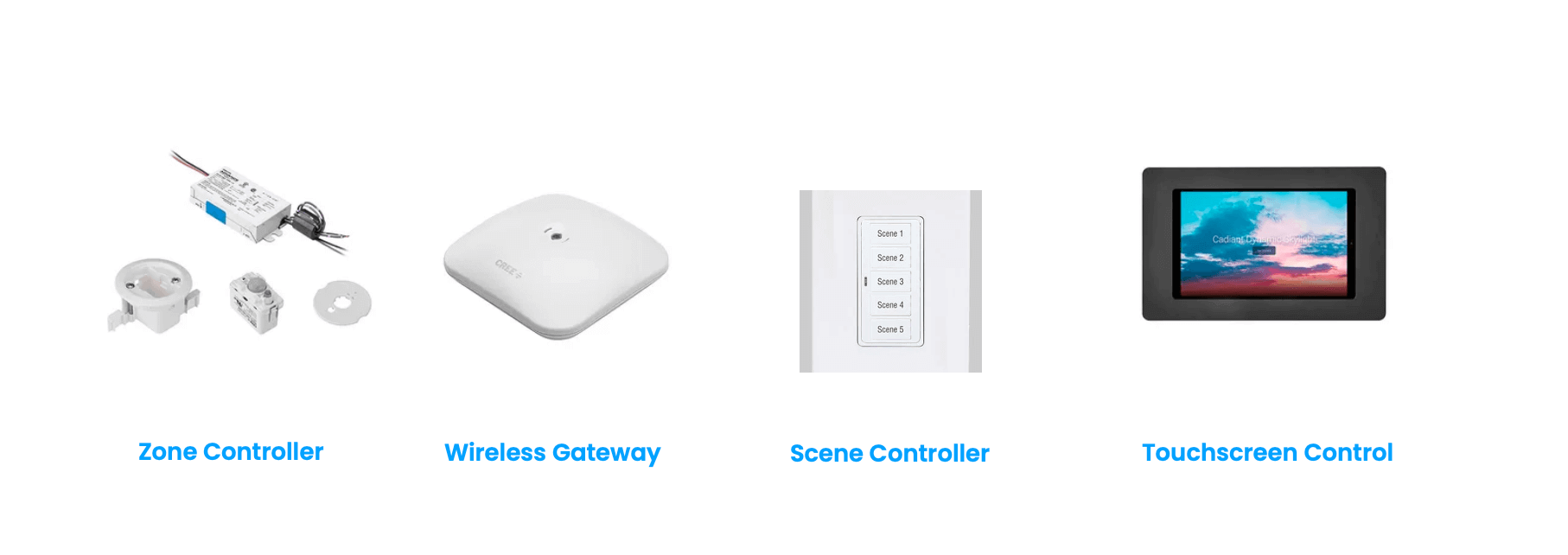
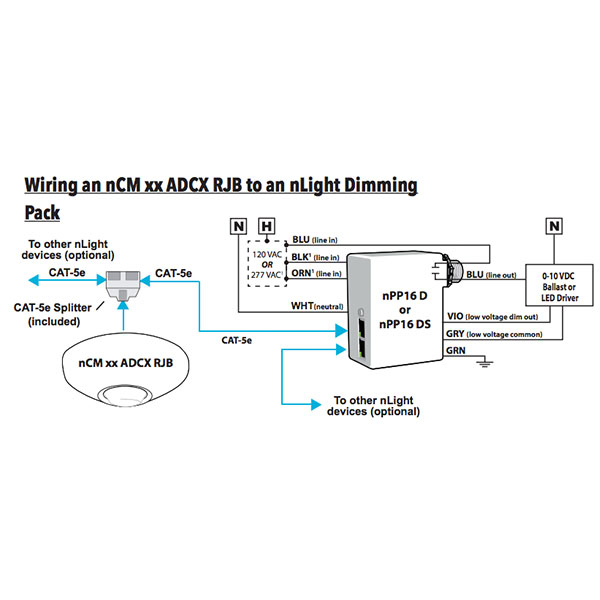
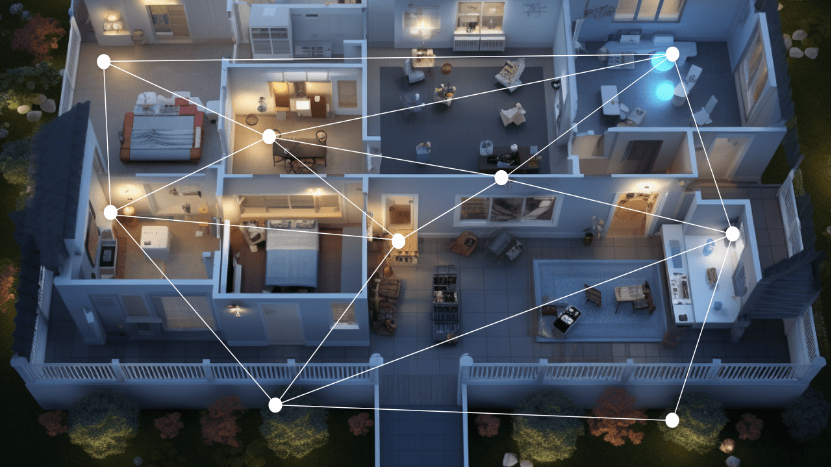
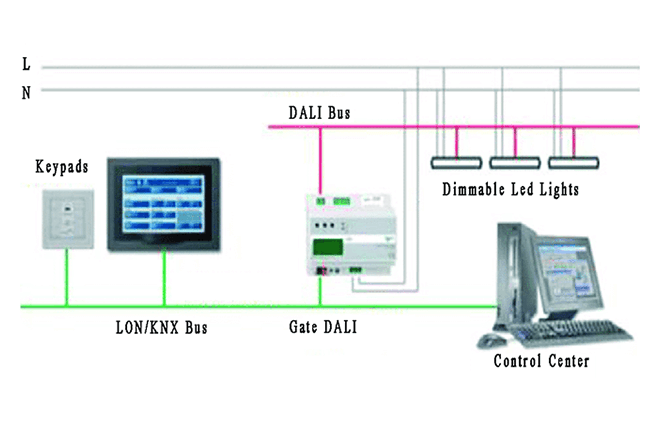
At the heart of wireless lighting control lies the concept of networking devices through radio-frequency (RF) waves, eliminating the need for physical wires. This technology enables seamless communication between lighting control devices, allowing for remote control and automation of lighting systems. To establish a wireless network for lighting control, you'll need to choose the right devices and set up a reliable communication standard.
Exploring Network Types: Zigbee, Z-Wave, Wi-Fi, and Bluetooth Mesh

When it comes to wireless lighting control, four primary network types come into play: Zigbee, Z-Wave, Wi-Fi, and Bluetooth Mesh. Each has its strengths and weaknesses, making it essential to choose the one that best fits your needs:
- Zigbee: A popular choice for smart home applications, Zigbee offers a low-power consumption and compatibility with various devices.
- Z-Wave: Another popular choice, Z-Wave focuses on home automation and provides a robust communication protocol.
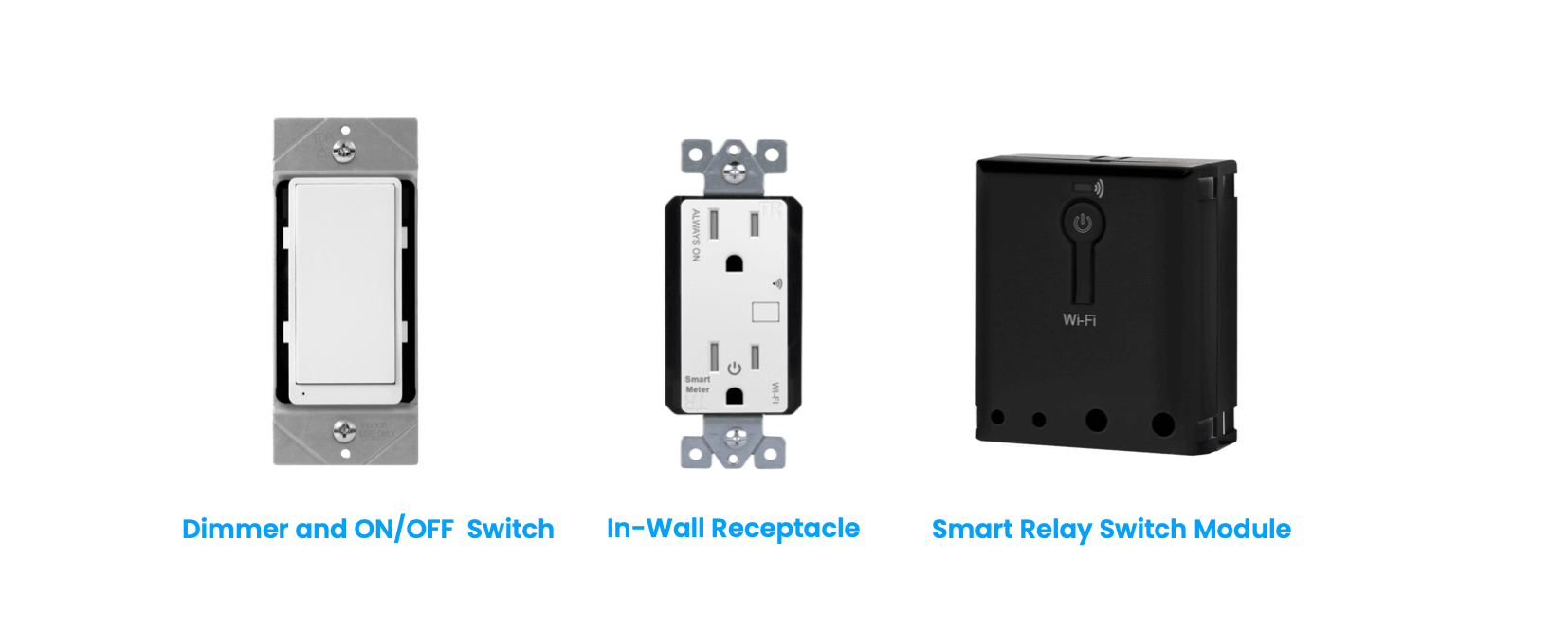
- Wi-Fi: Utilizing your home's existing Wi-Fi network, Wi-Fi solutions offer flexibility and wide compatibility.
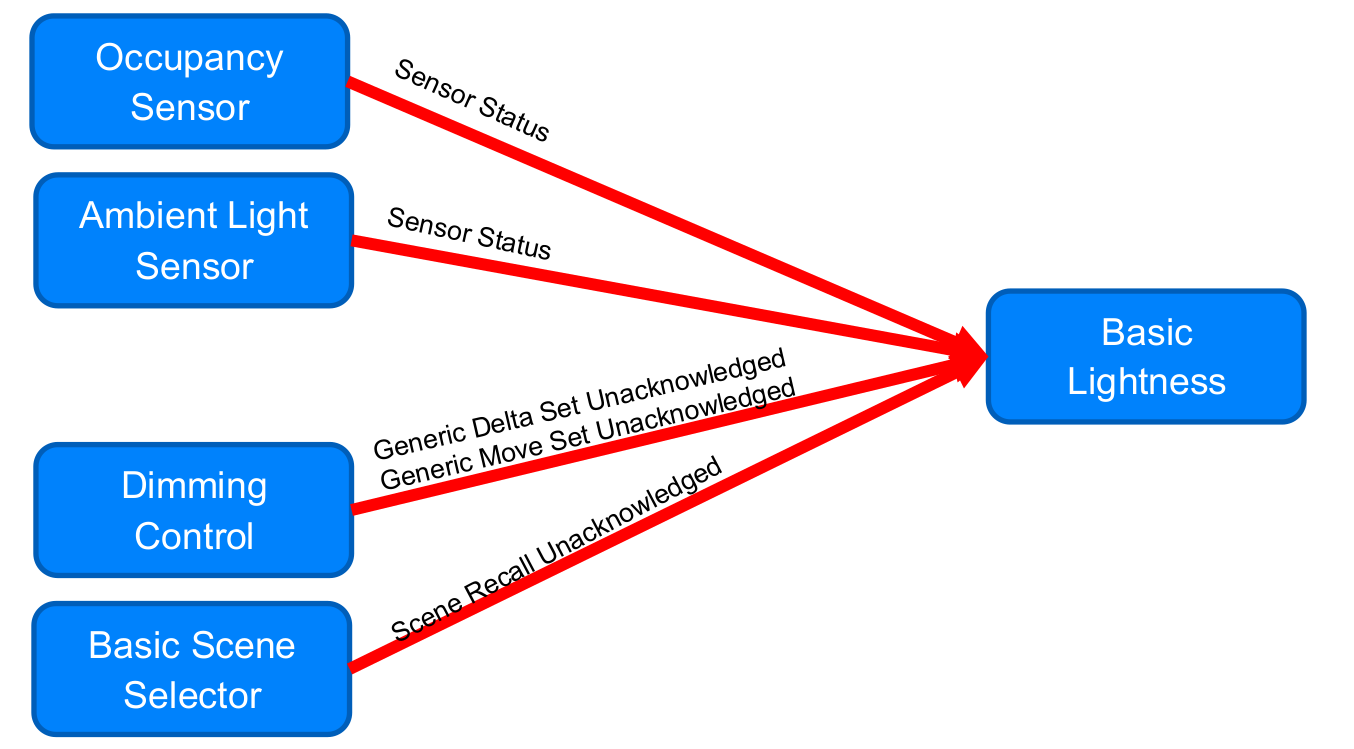
- Bluetooth Mesh: A newer standard, Bluetooth Mesh provides robust networking capabilities for large-scale deployments.