Use of GLP 1 therapy during periodic fasting: Understanding the benefits and considerations
Periodic fasting, also known as intermittent fasting, has become a popular approach to weight loss and improving overall health. Meanwhile, GLP 1 (Glucagon-Like Peptide 1) therapy has emerged as a powerful tool for managing obesity and type 2 diabetes. In recent years, researchers have explored the potential benefits of combining these two approaches, raising important questions about the safety and efficacy of using GLP 1 therapy during periodic fasting.
Benefits of combining GLP 1 therapy with periodic fasting
- Improved weight loss: GLP 1 therapy has been shown to enhance weight loss when combined with dietary interventions, including periodic fasting.
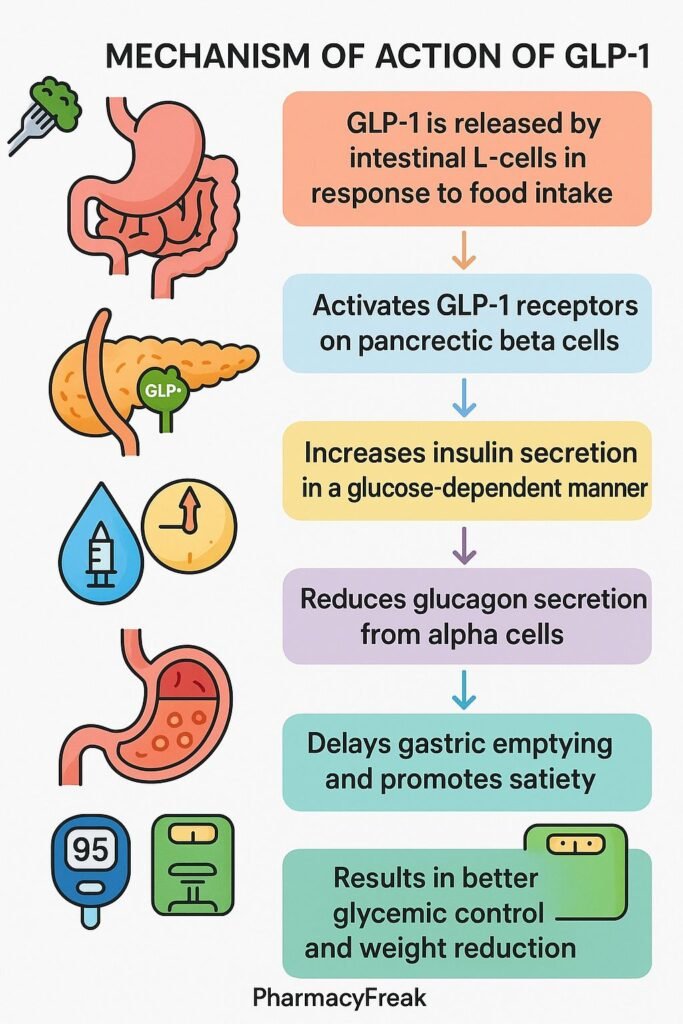
- Enhanced glycemic control: GLP 1 therapy has been shown to improve insulin sensitivity and glucose metabolism, making it an attractive option for individuals with type 2 diabetes.
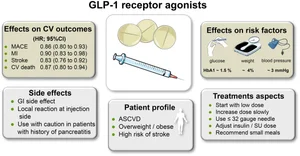
- Reduced risk of cardiovascular disease: GLP 1 therapy has been shown to lower triglycerides and blood pressure, reducing the risk of cardiovascular disease.
Considerations and potential risks
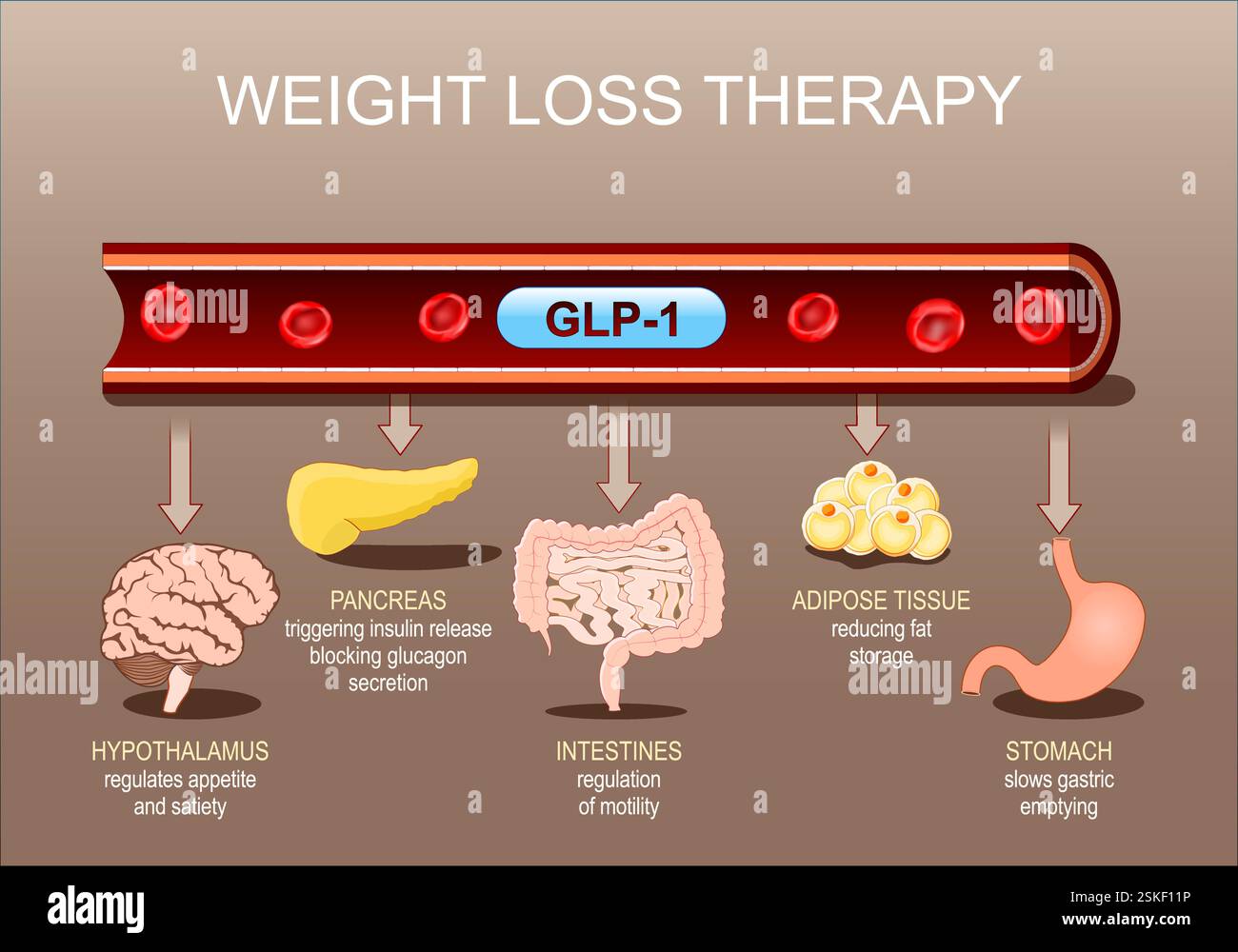
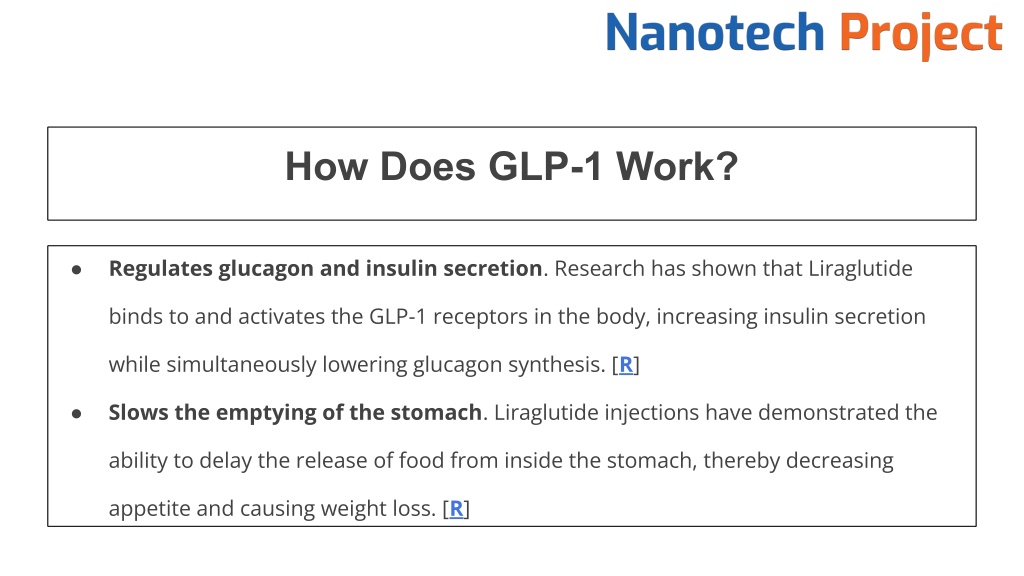
- Dehydration: GLP 1 therapy can slow gastric emptying, leading to dehydration if not enough fluids are consumed.
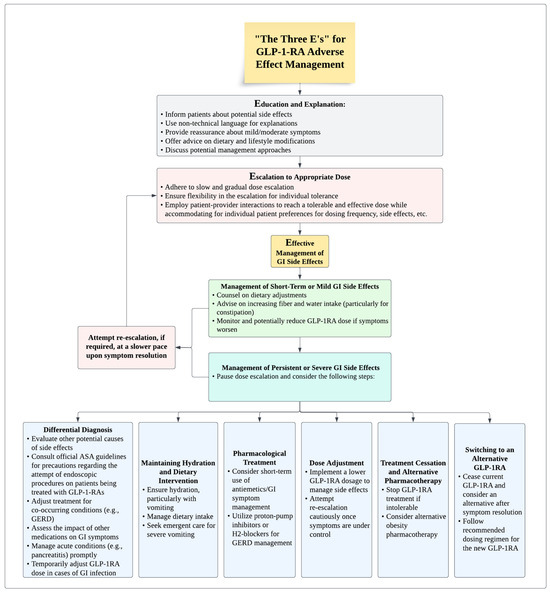
- Nausea and vomiting: GLP 1 therapy can cause nausea and vomiting, especially during the initial stages of treatment.
- Hypoglycemia: GLP 1 therapy can cause hypoglycemia, especially when combined with periodic fasting.
- Gastroparesis: GLP 1 therapy can cause gastroparesis, a condition where the stomach muscles fail to contract normally.