Welcome to the World of Self-Watering Systems: Revolutionizing Plant Care
Are you tired of constantly checking your plants' water levels, making sure they're not underwatered or overwatered? Do you want to enjoy lush, healthy plants with minimal maintenance? Look no further than self-watering systems! These innovative solutions have taken the gardening industry by storm, and for good reason. In this article, we'll delve into the world of self-watering systems, exploring what they are, how they work, and the benefits they offer.
What are Self-Watering Systems?
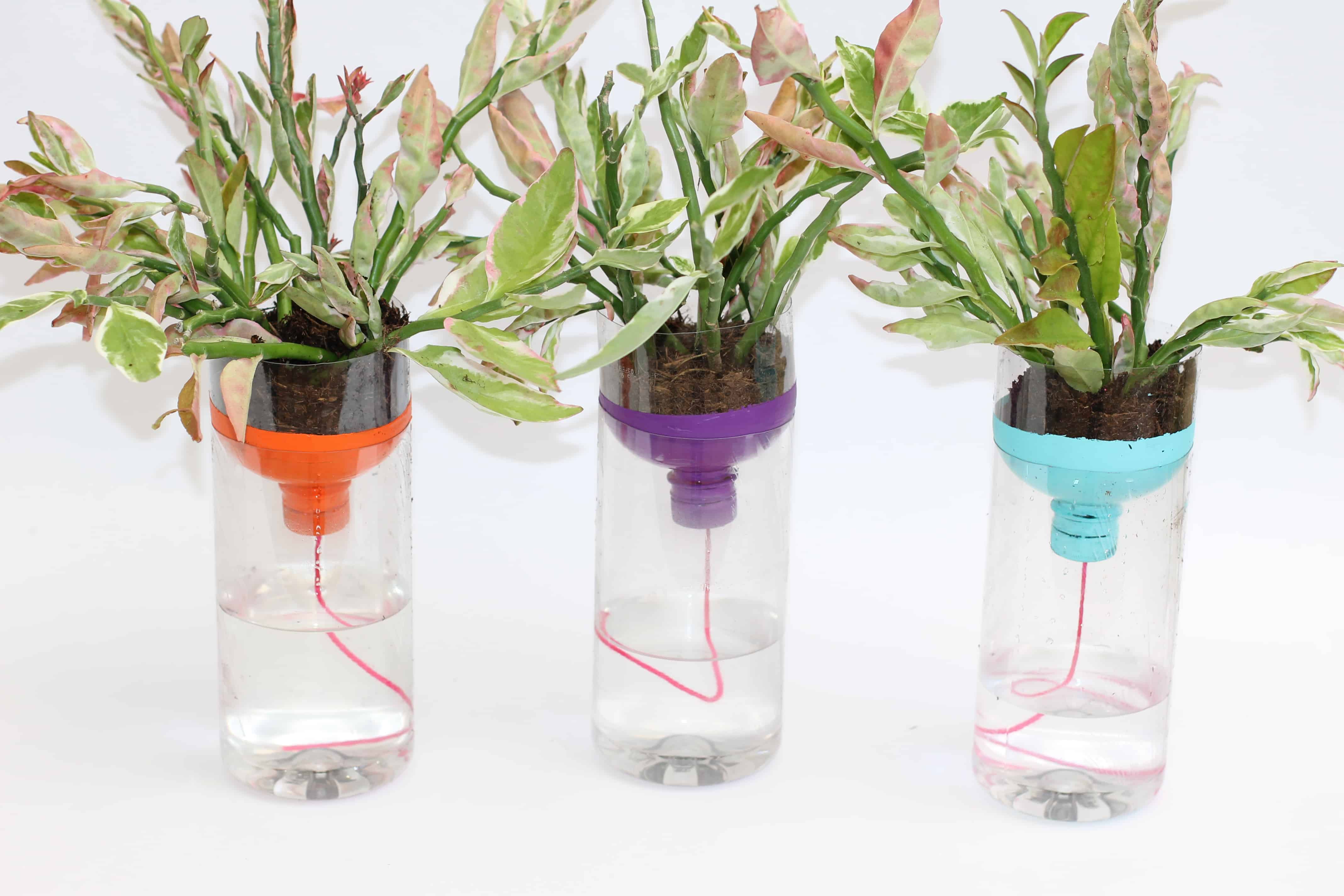
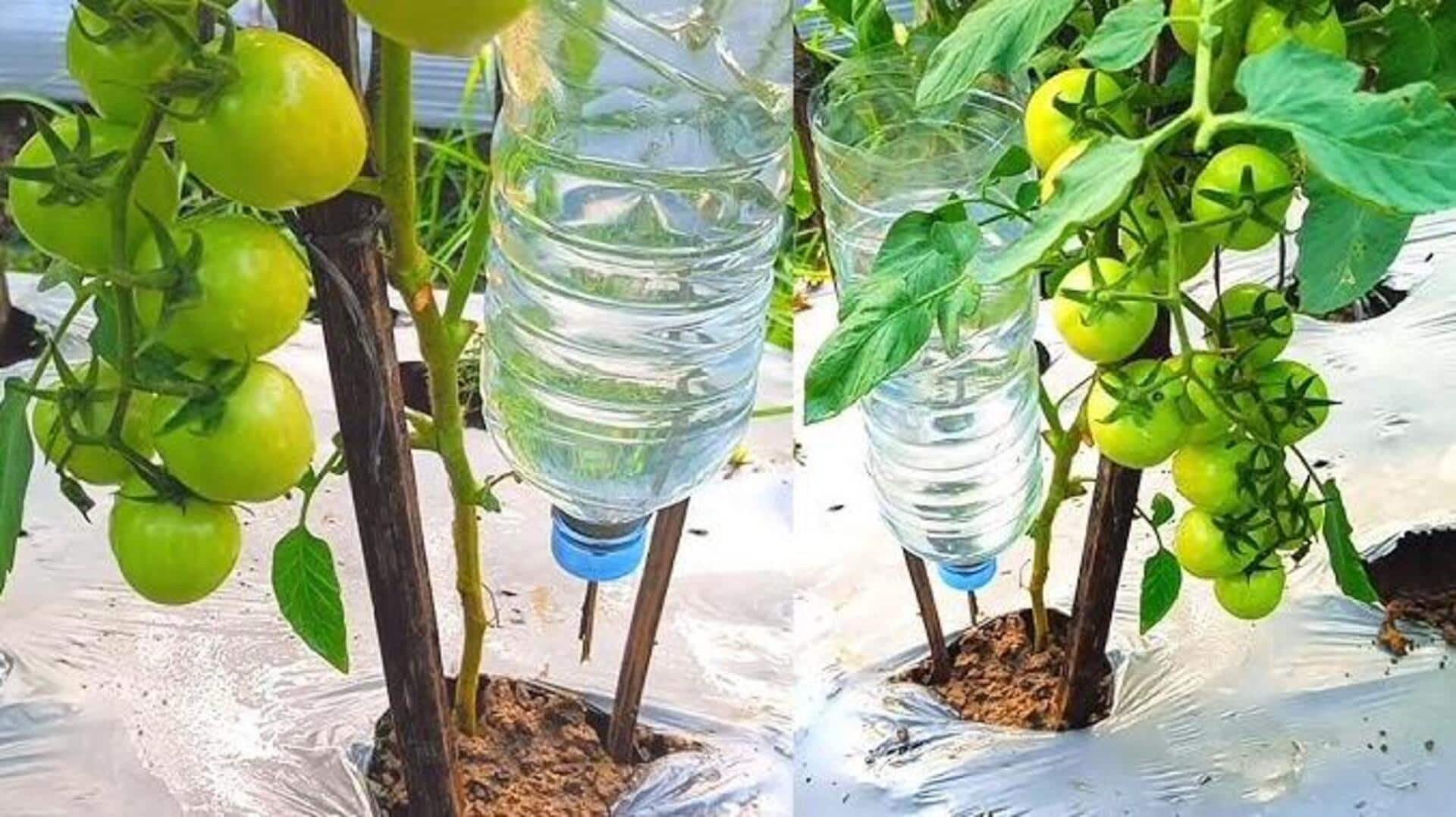
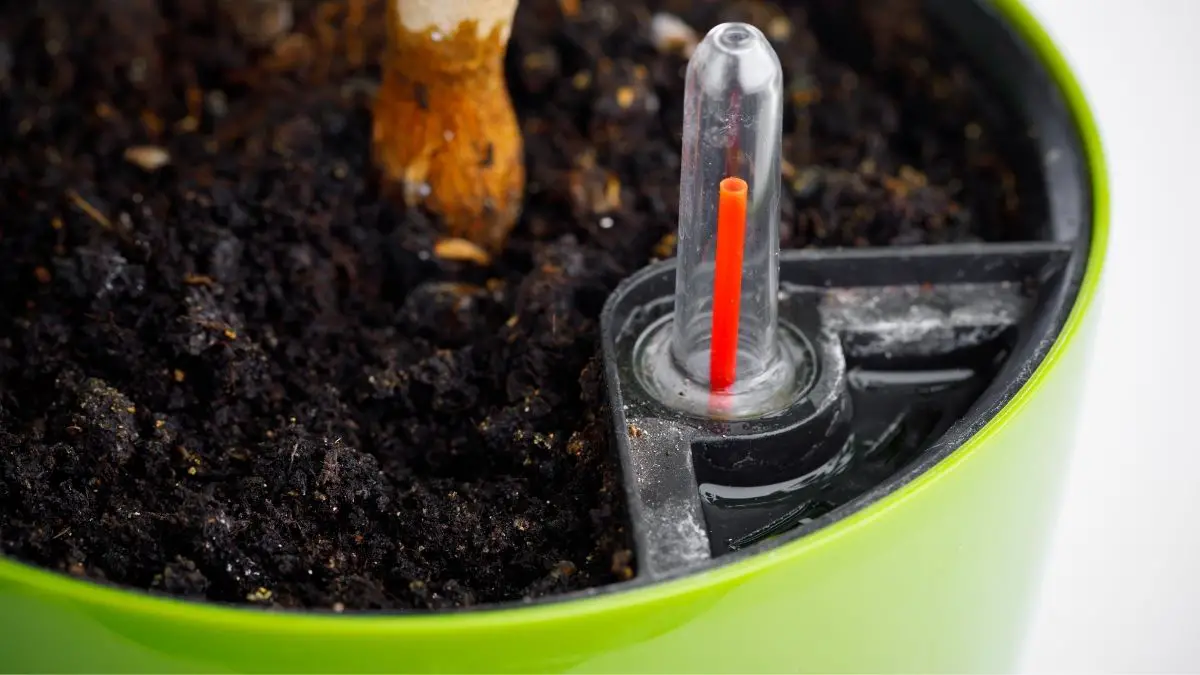
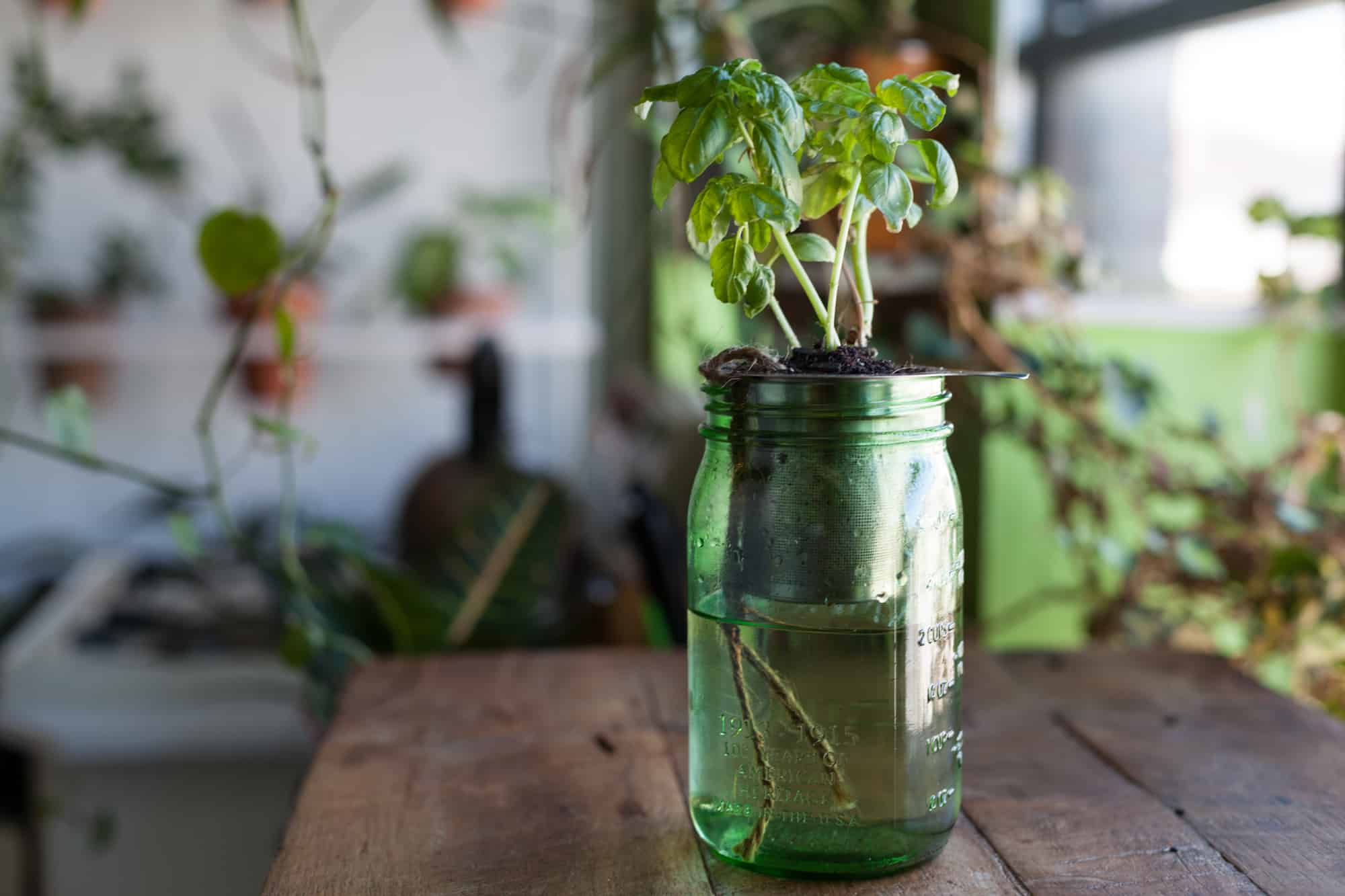
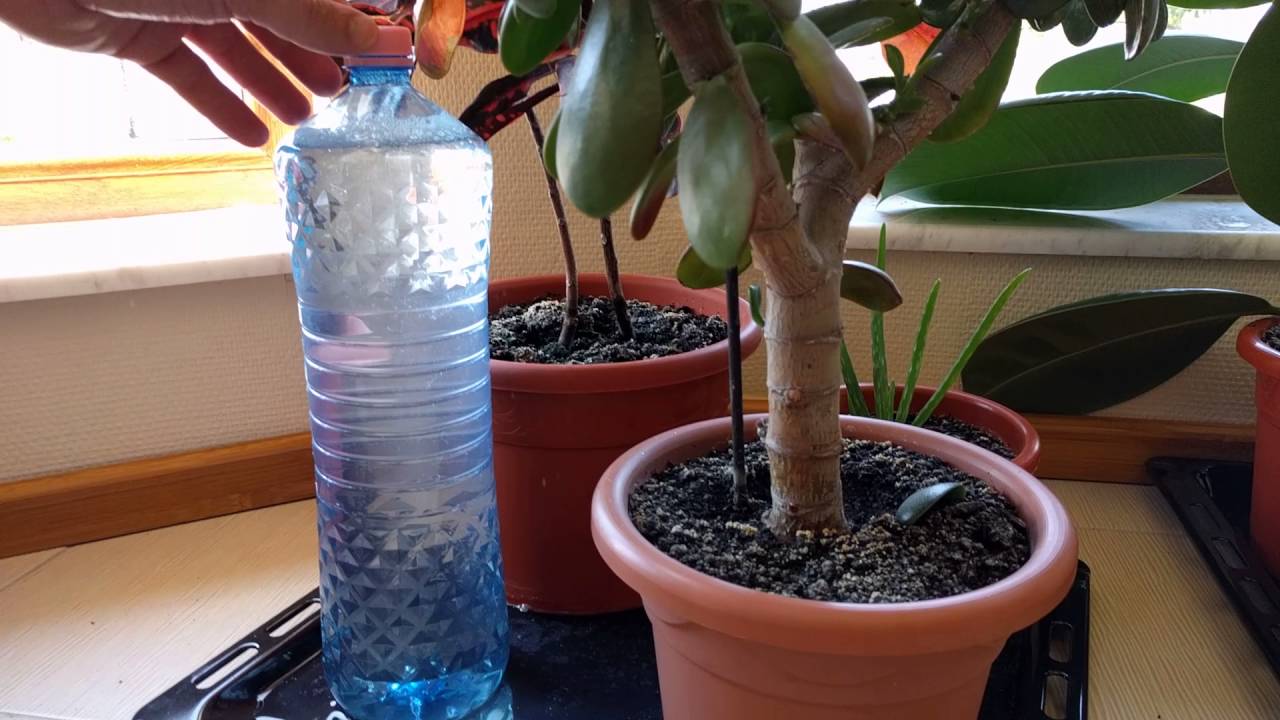
Self-watering systems are designed to automate the watering process, ensuring your plants receive the perfect amount of moisture without the need for daily watering. These systems use a reservoir or water source that gradually feeds the soil as it dries, preventing overwatering and underwatering. This is achieved through various methods, including capillary action, wicking materials, and passive irrigation.

Types of Self-Watering Systems
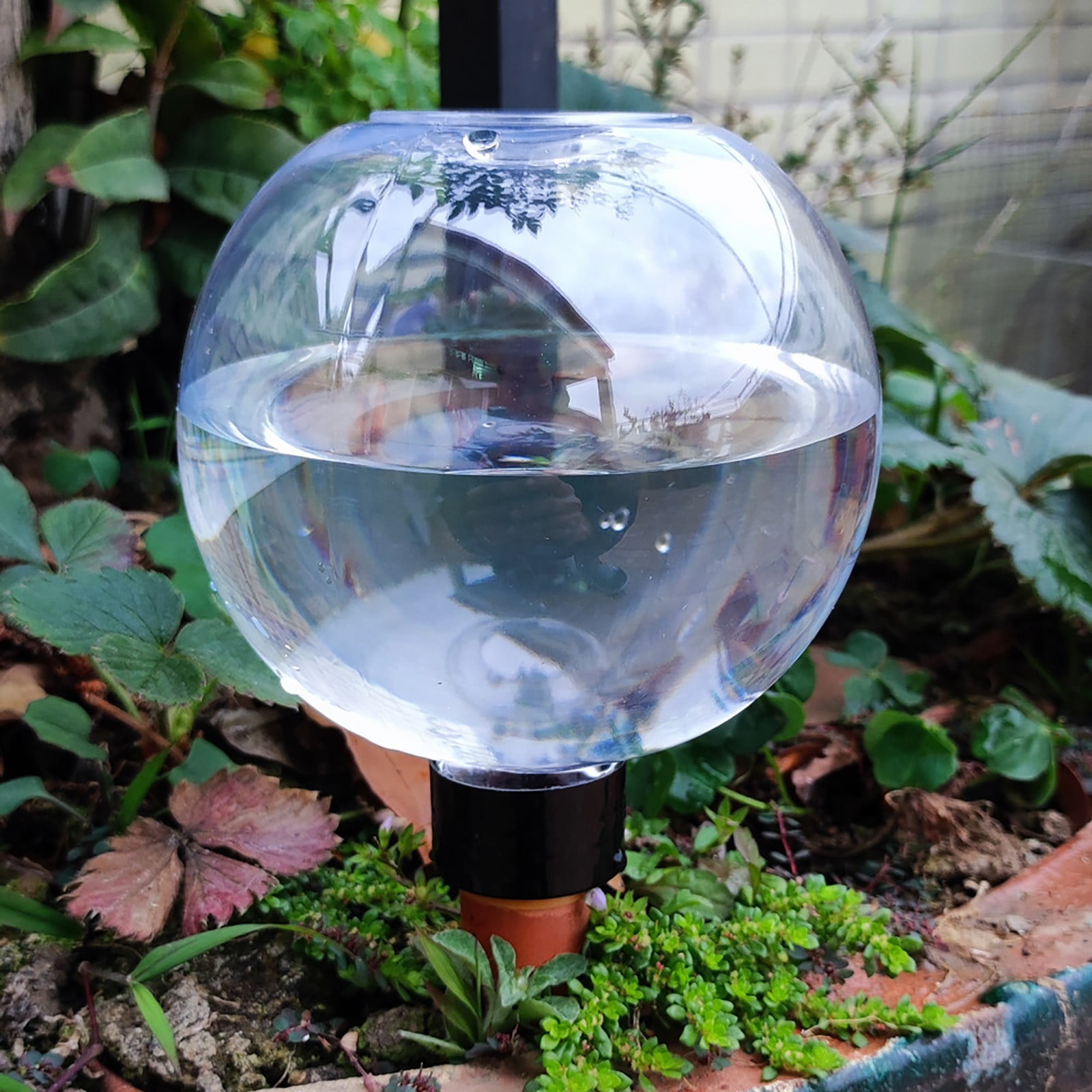
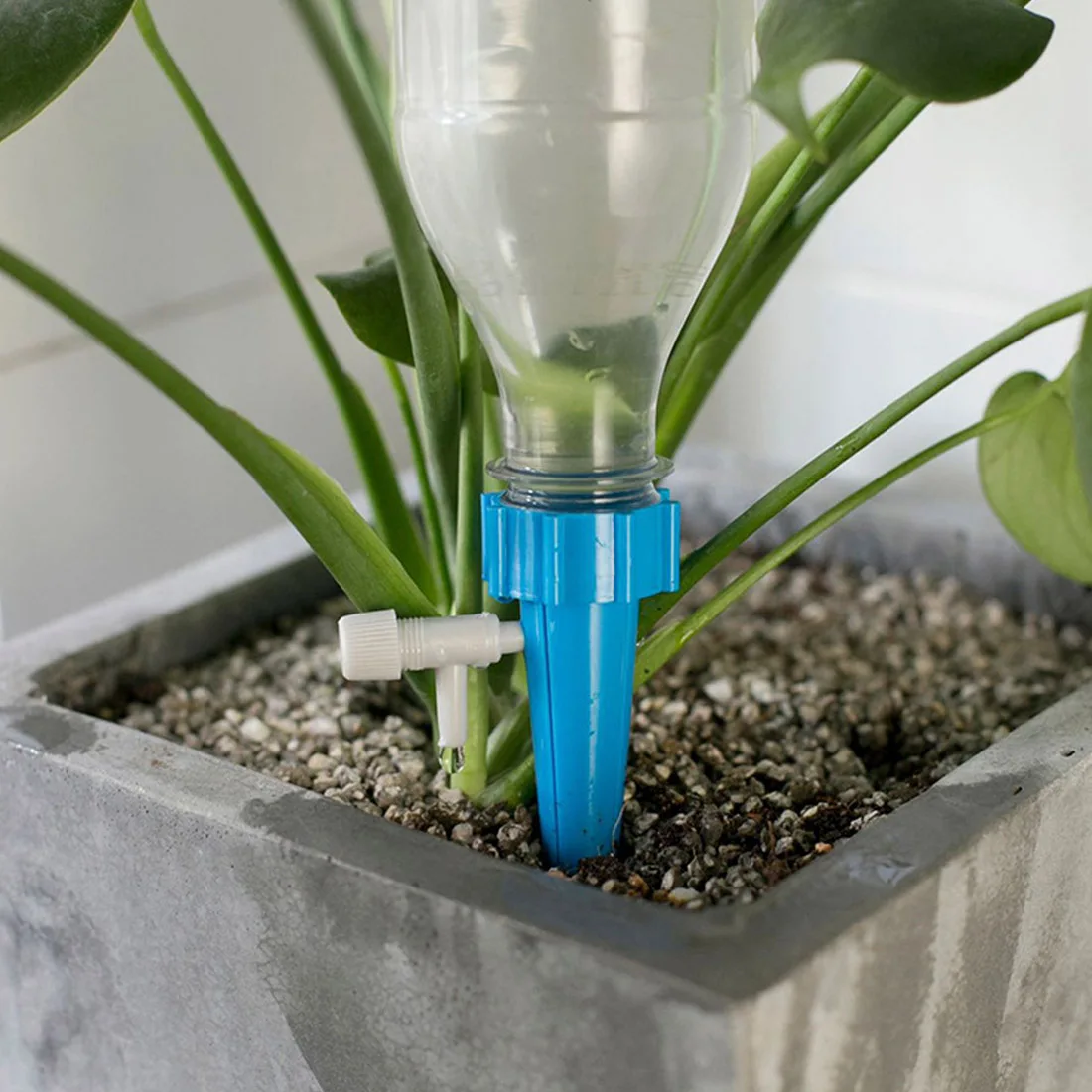
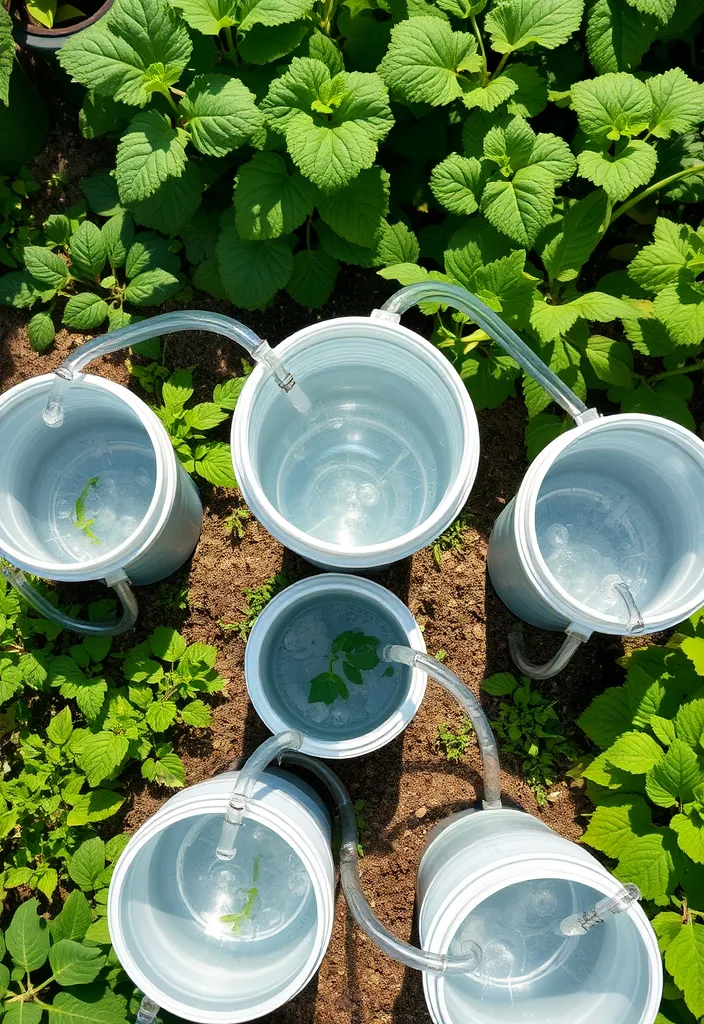
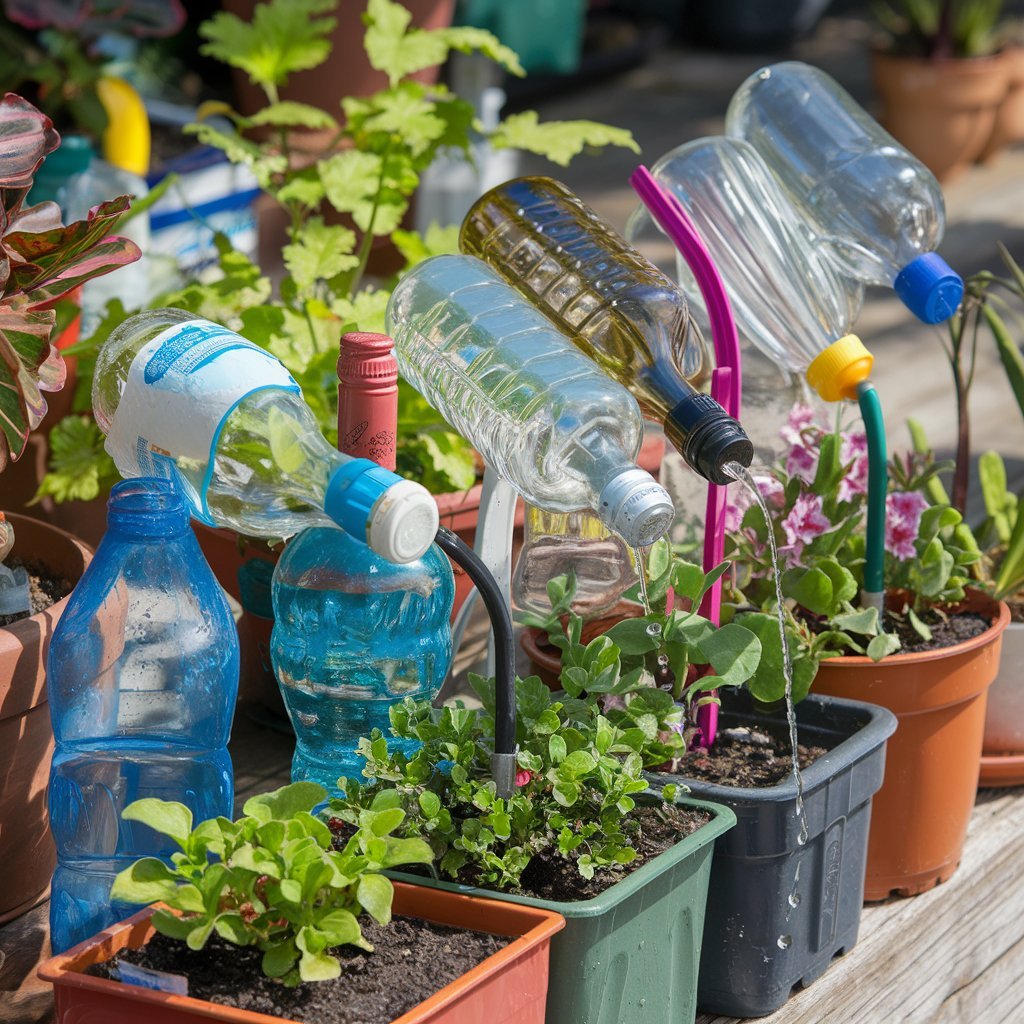
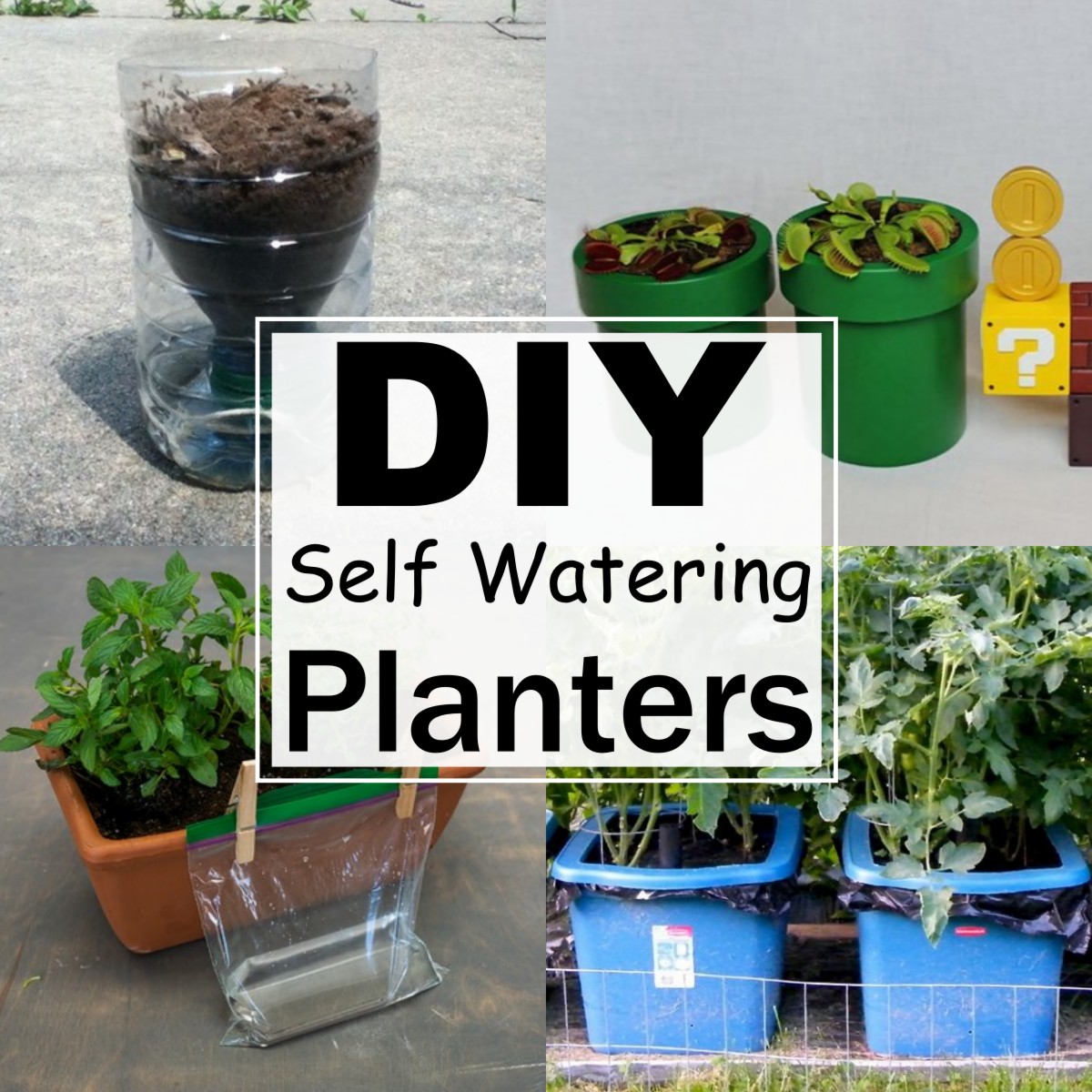
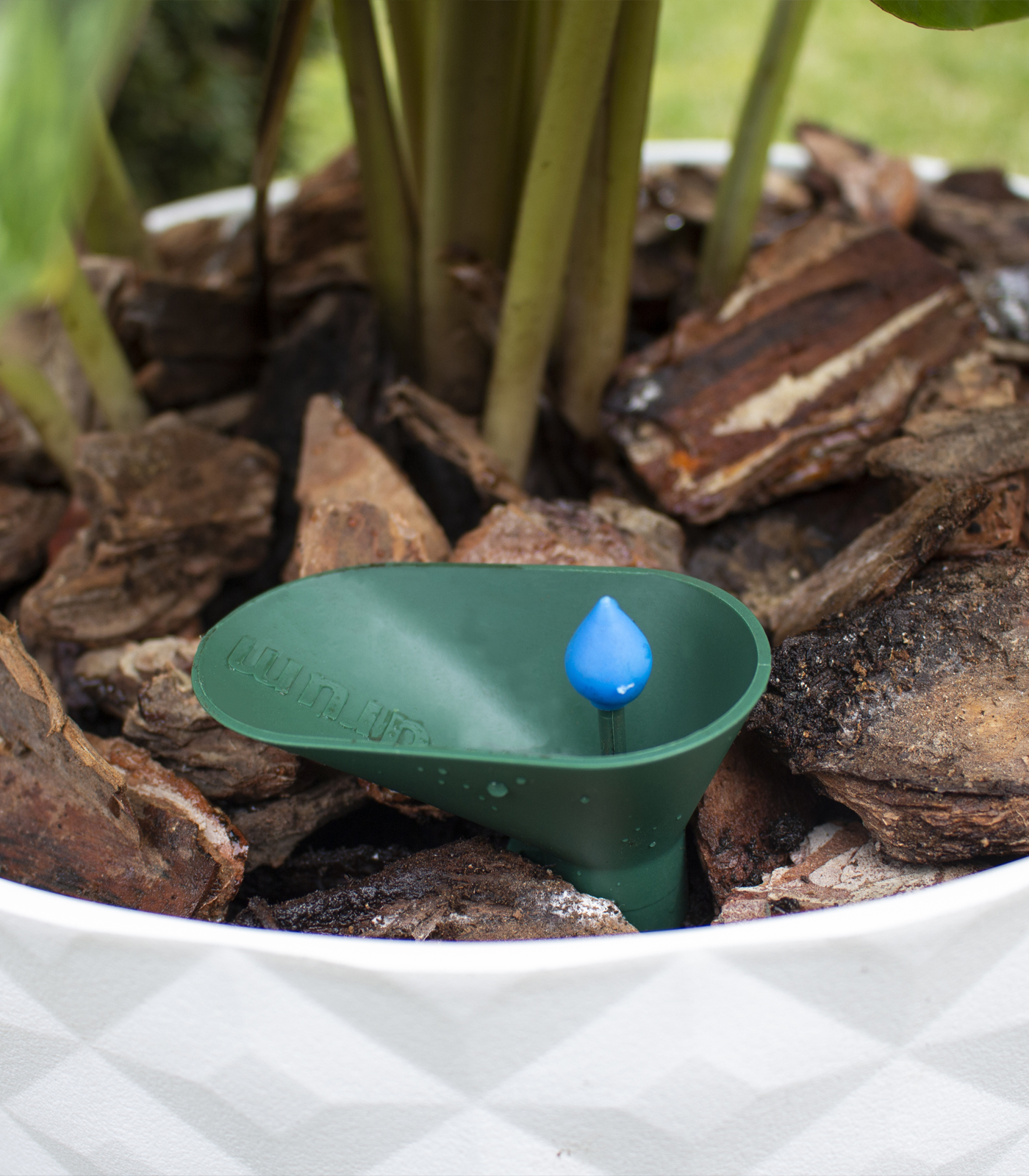
- Passive Systems: These systems rely on gravity, capillary action, or porous materials to distribute water as the soil dries. Examples include self-watering containers, ollas, and globes.
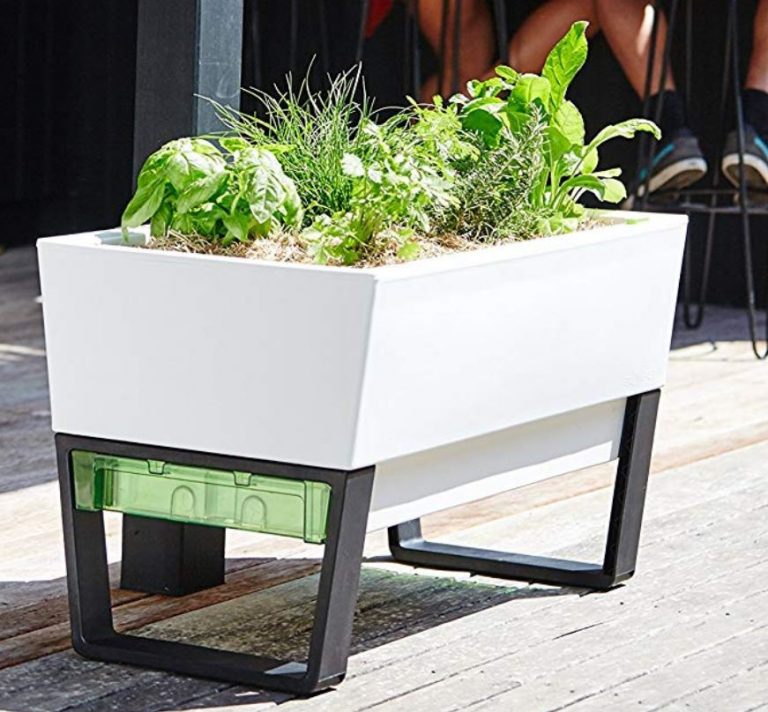
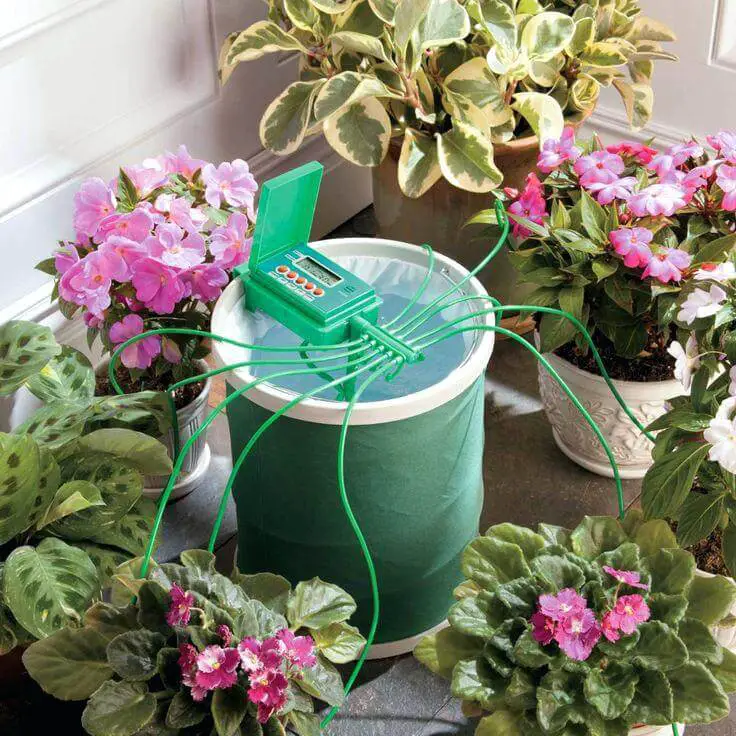
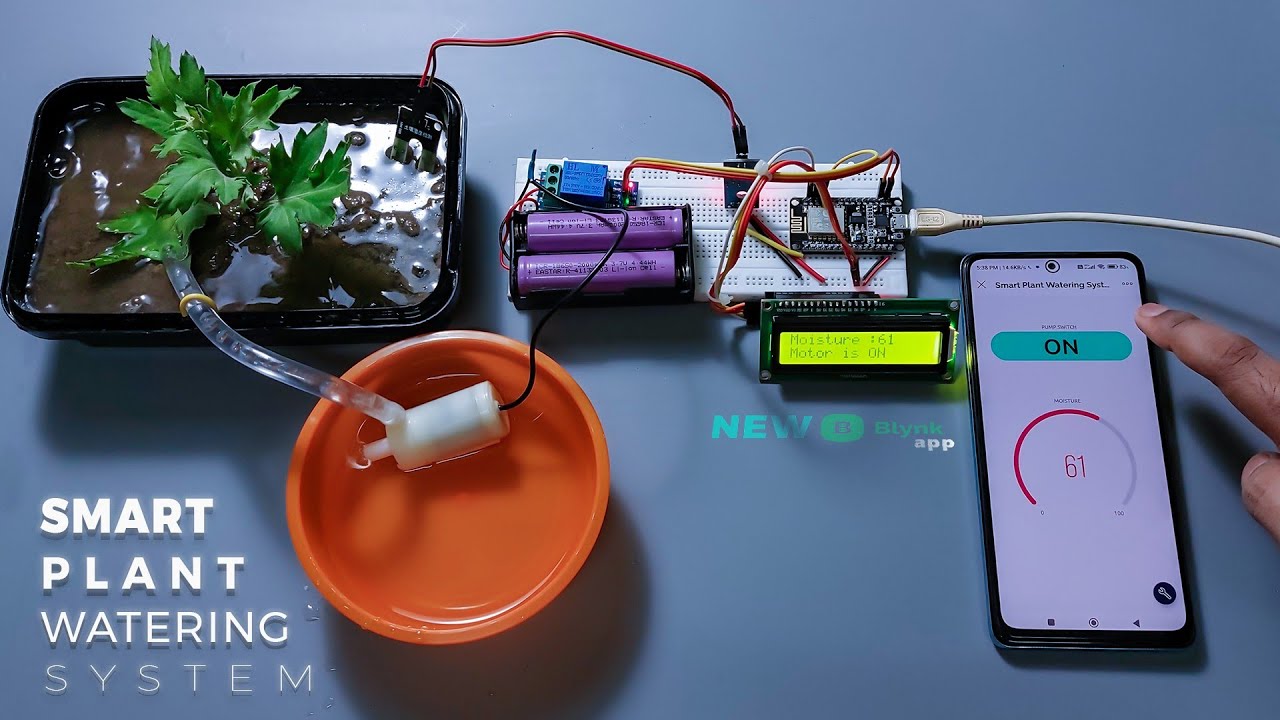
- Active Systems: These systems use pumps or other external mechanisms to control the water flow, ensuring precision and accuracy. Self-watering planters and automatic irrigation kits fall into this category.