Unlocking the Power of GLP-1: Enhancing Insulin Sensitivity for Better Health
The Importance of Insulin Sensitivity
Insulin sensitivity is a crucial aspect of our metabolic health, playing a vital role in regulating blood sugar levels and maintaining overall well-being. When our cells become resistant to insulin, it can lead to a range of problems, including type 2 diabetes, metabolic syndrome, and cardiovascular disease. Given the alarming rise in insulin resistance cases worldwide, it's essential to explore innovative solutions to improve insulin sensitivity.
Enter GLP-1: A Powerful Regulator of Insulin Sensitivity
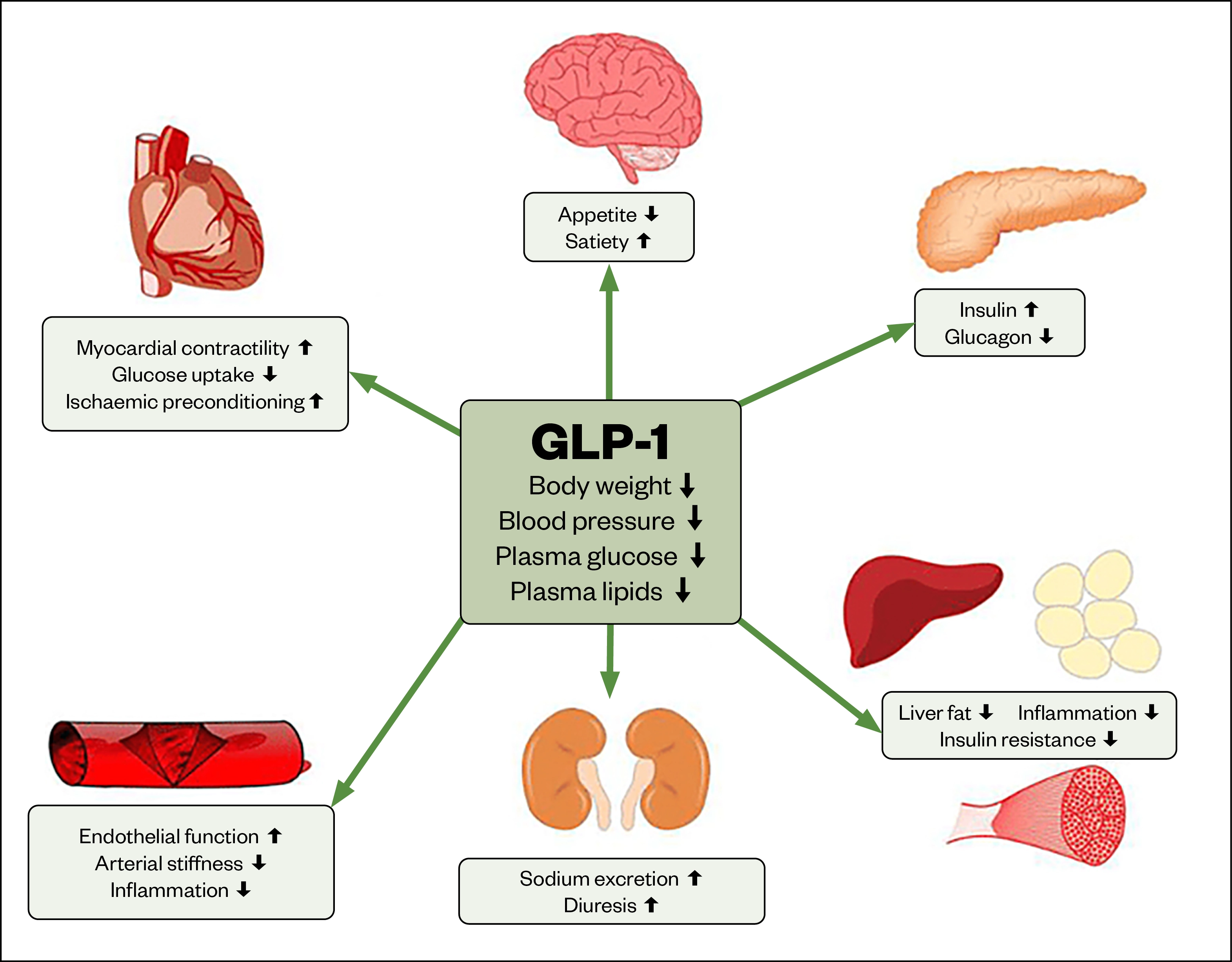
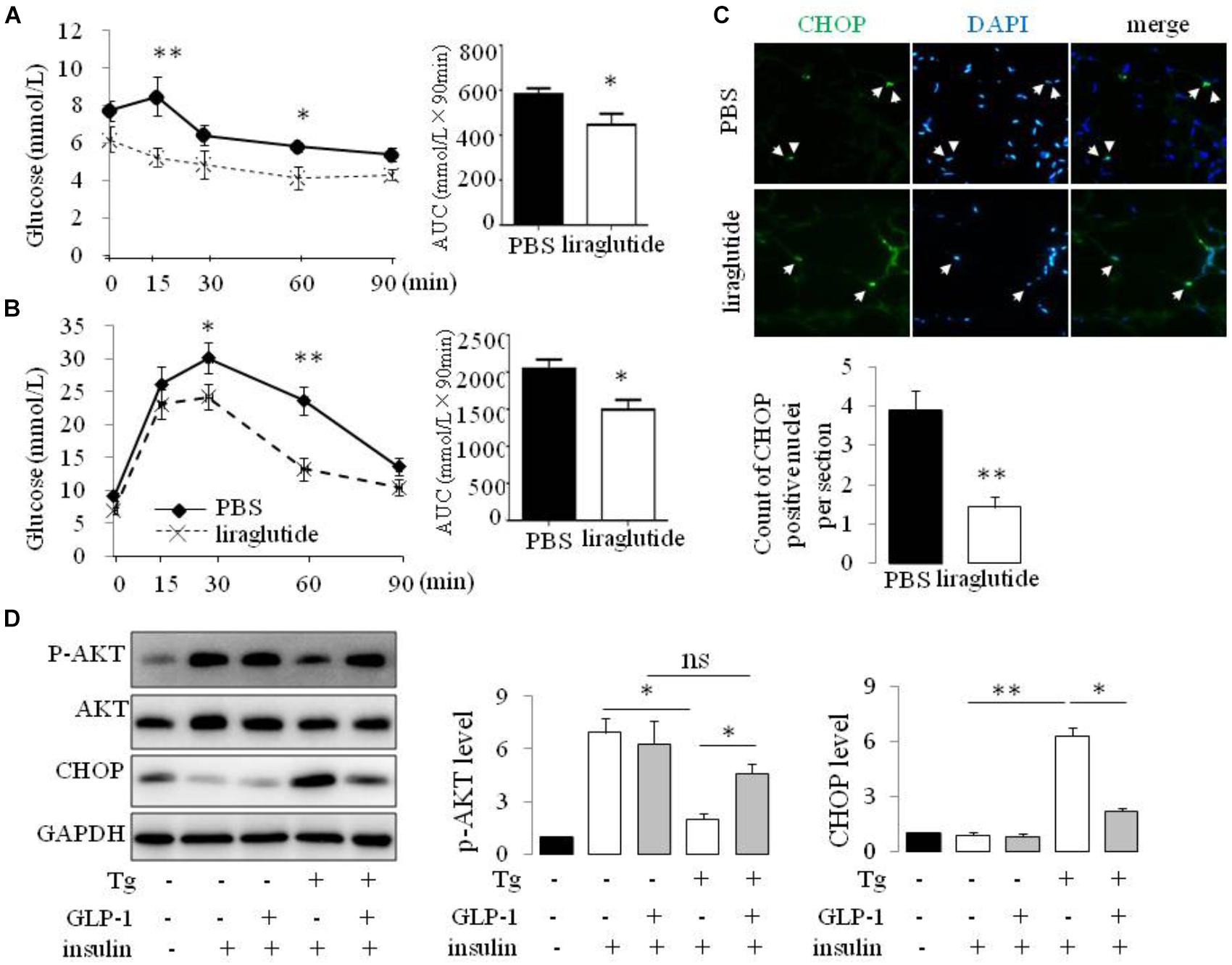
Glucagon-like peptide-1 (GLP-1) is a gut hormone with a profound impact on our metabolic health. GLP-1 receptor agonists have emerged as a promising treatment option for individuals with type 2 diabetes due to their ability to augment β-cell function, promote weight loss, and provide cardiovascular protection. However, despite these benefits, GLP-1 receptor agonists do not normalize insulin sensitivity in people with type 2 diabetes.
How GLP-1 Improves Insulin Sensitivity
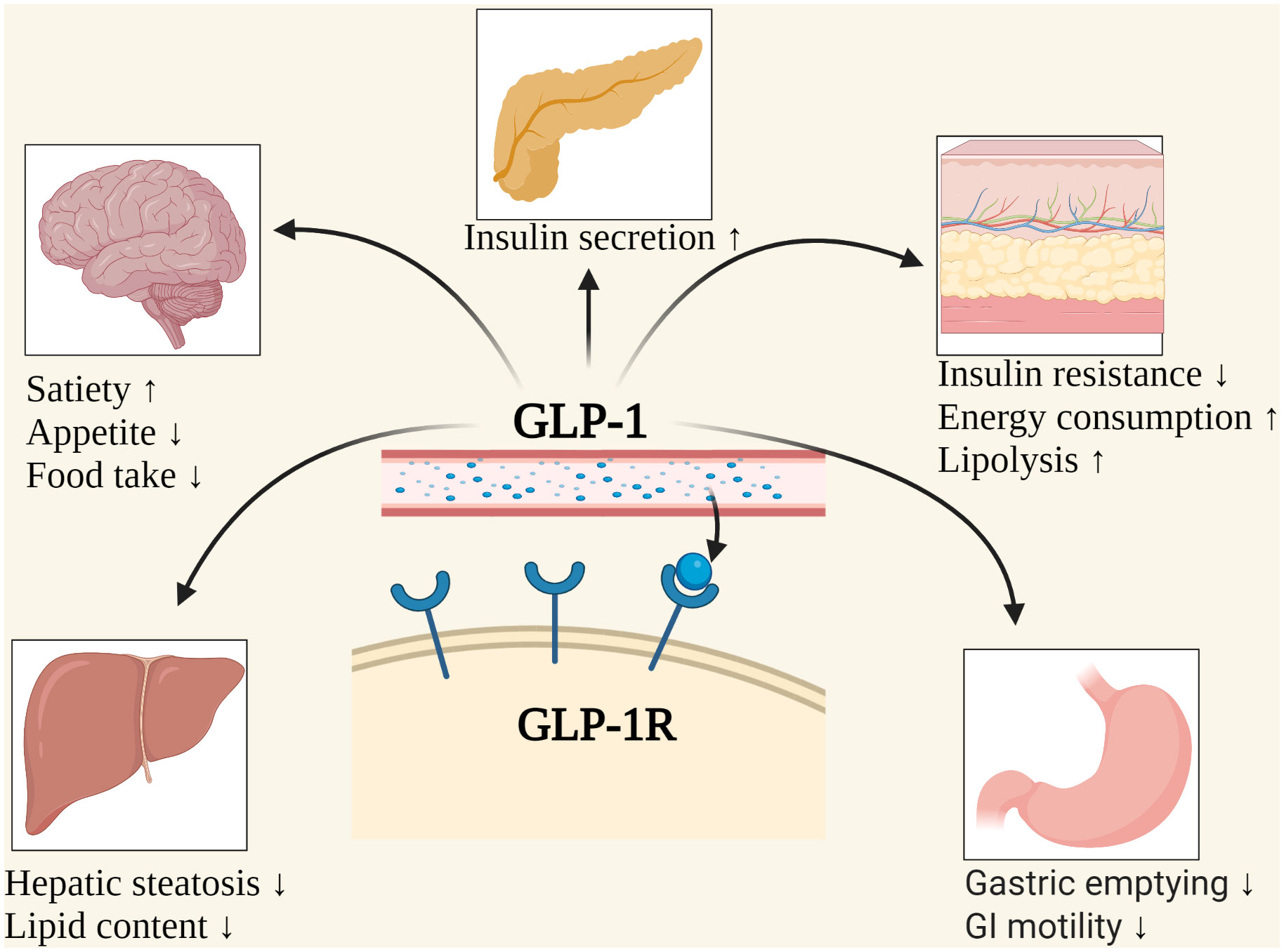
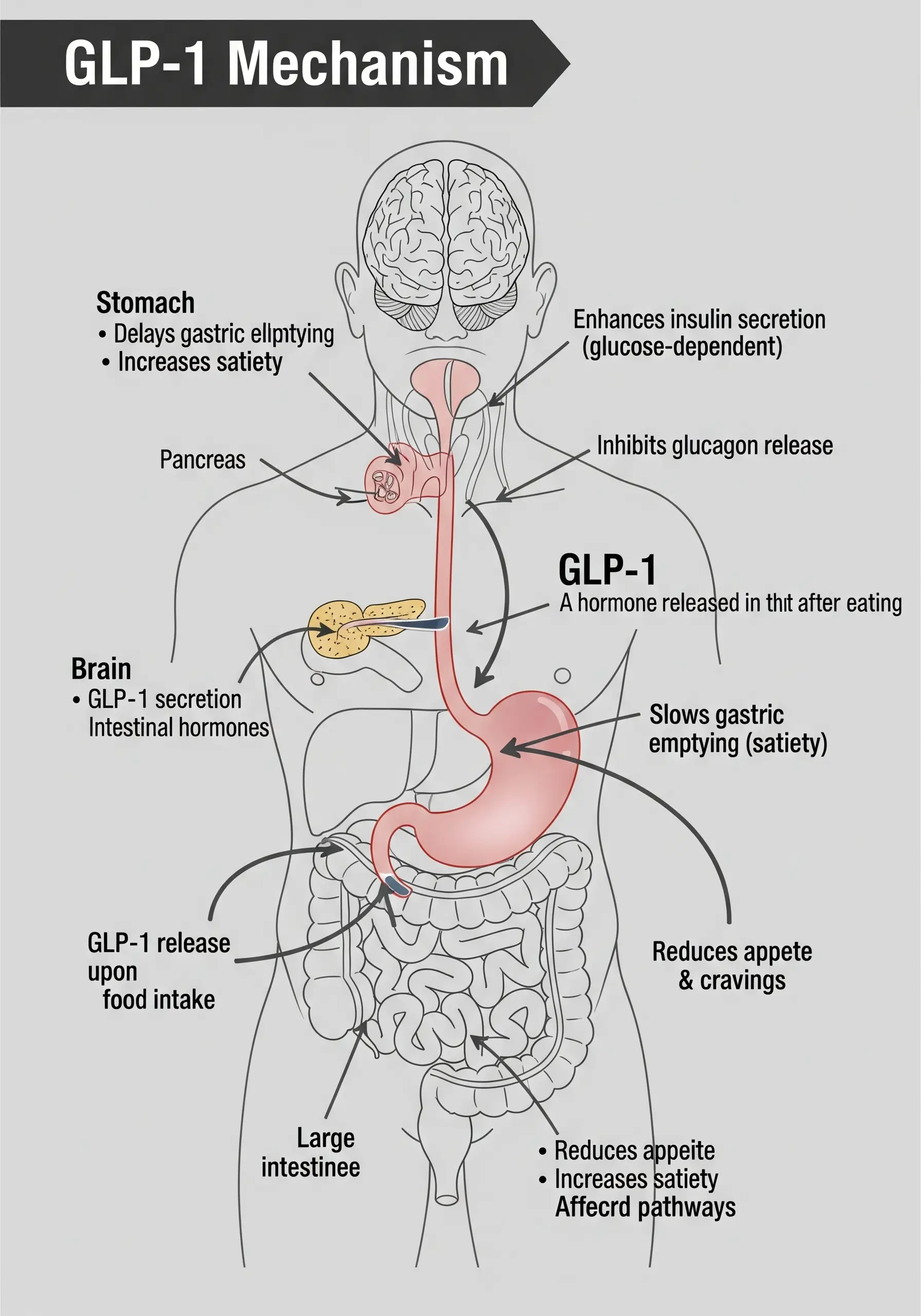
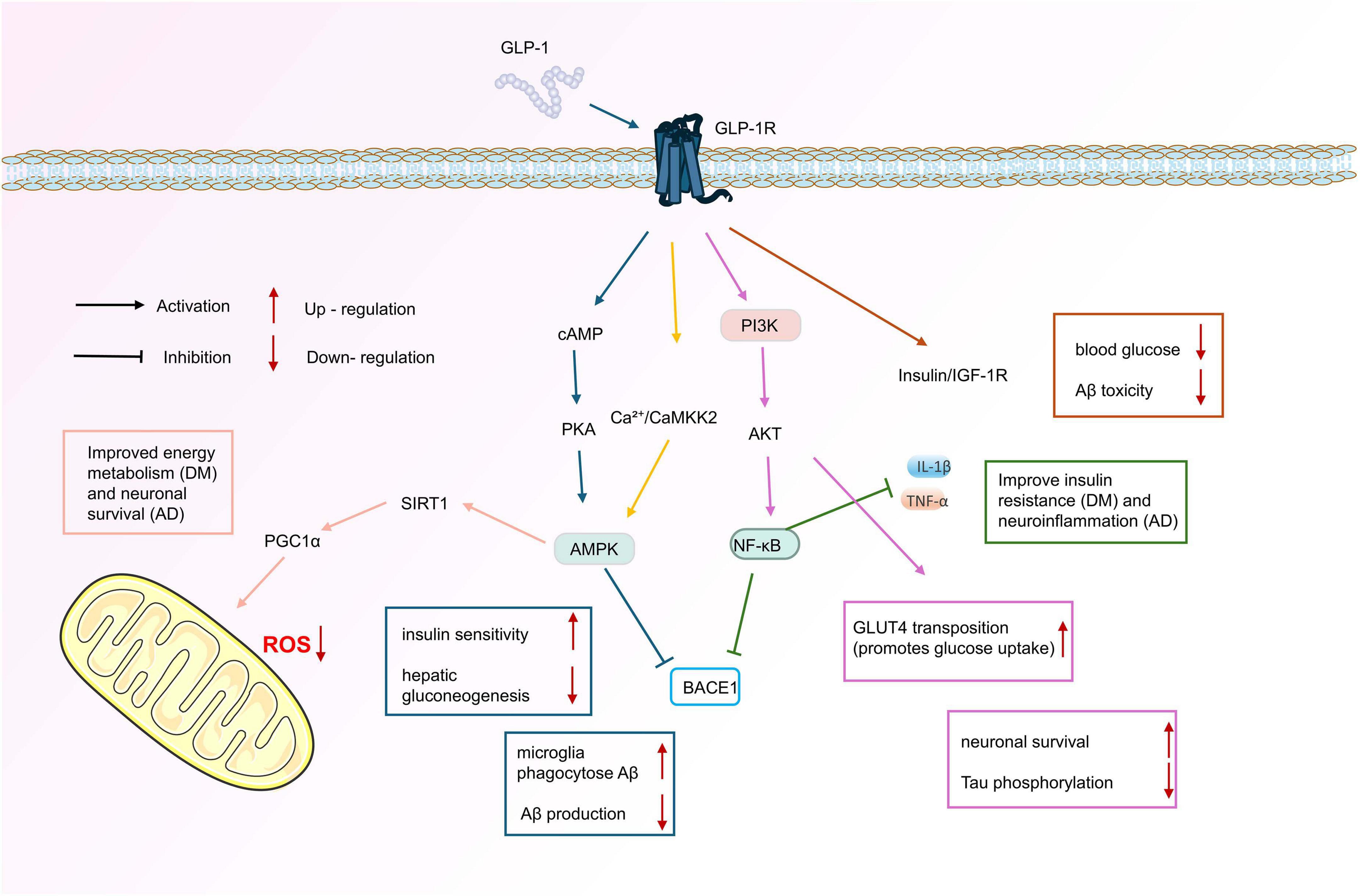
So, how does GLP-1 enhance insulin sensitivity? By stimulating adenylate cyclase and increasing cyclic AMP (cAMP) levels, GLP-1 receptor agonists promote insulin release from pancreatic β cells. This increase in insulin secretion is crucial for improving insulin sensitivity, particularly in individuals with insulin resistance or type 2 diabetes.