The Role of GLP-1 in Fasting-Induced Weight Loss
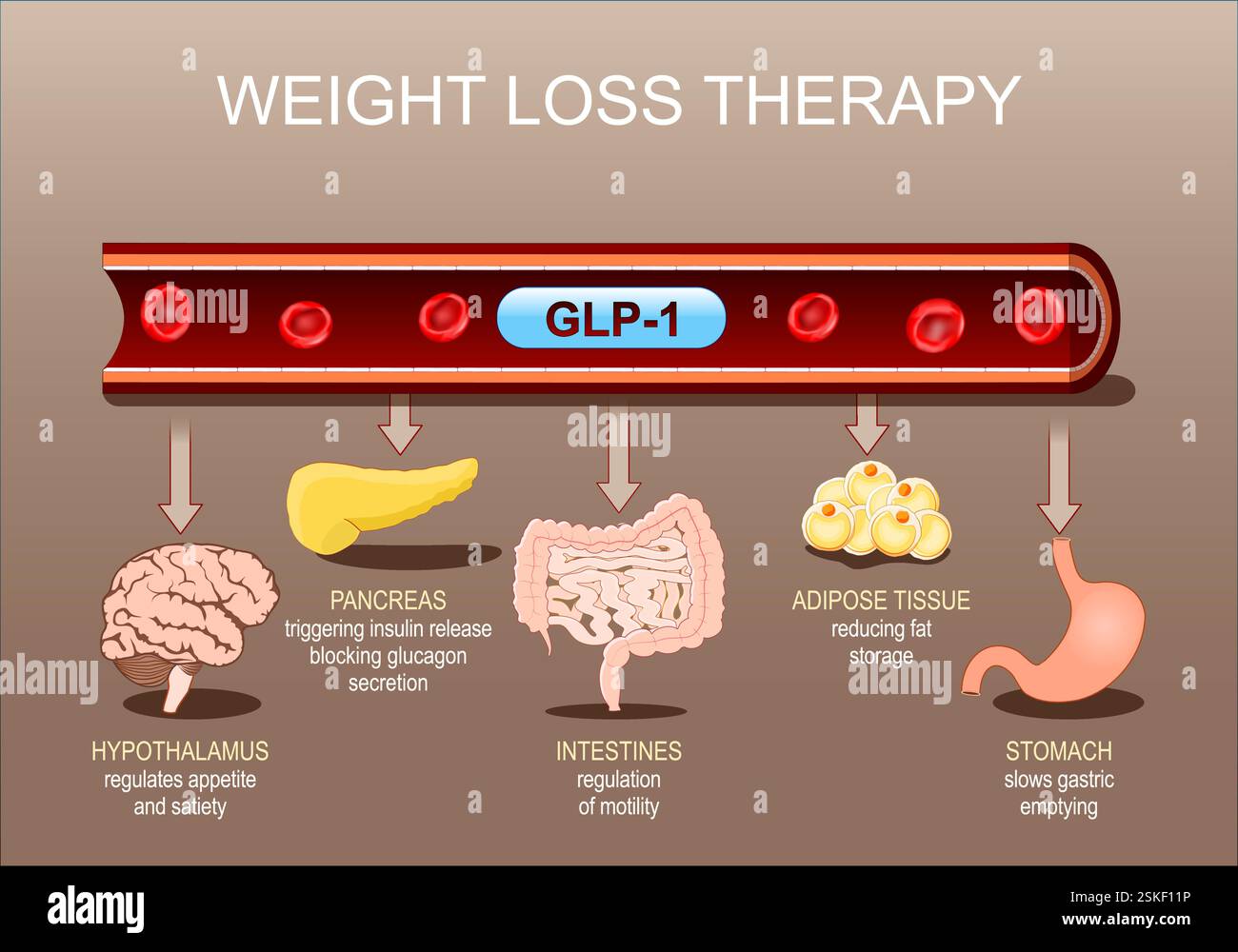
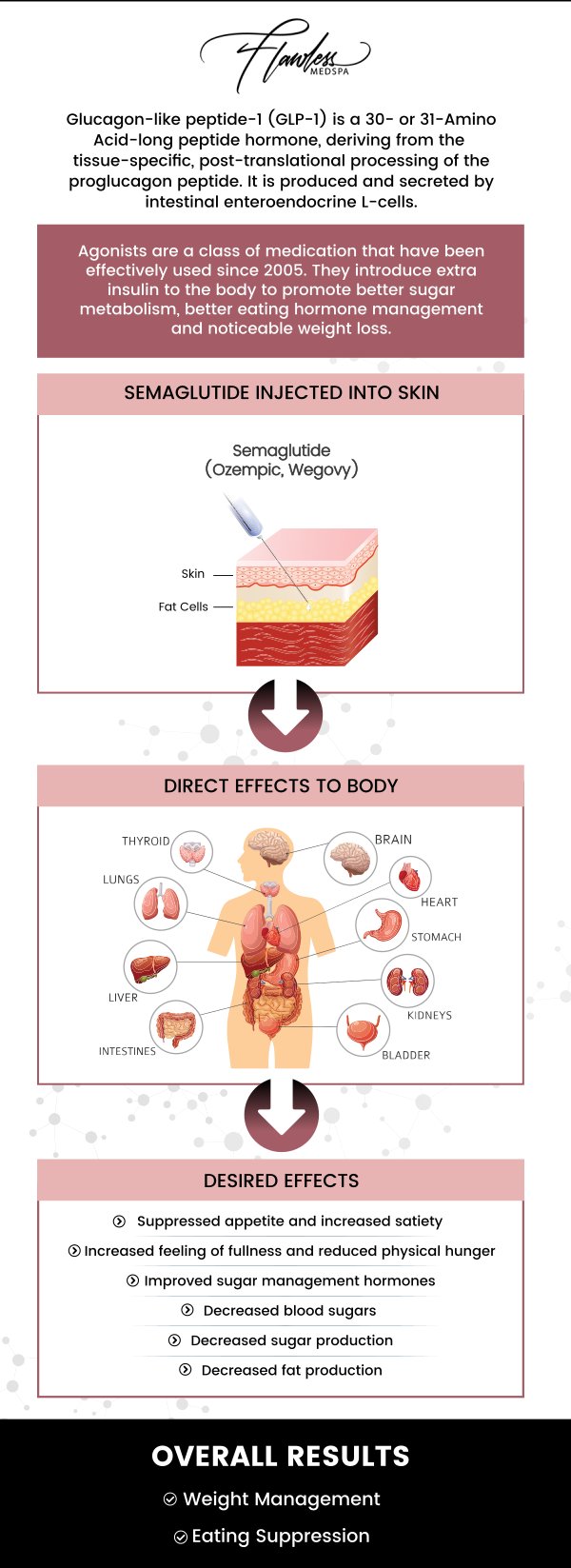
Obesity remains a major global health challenge, with glucagon-like peptide-1 receptor agonists (GLP-1RAs) providing substantial yet sensitive benefits in weight reduction, glycemic control, and cardiovascular protection. Recent advances in medications like Ozempic, Wegovy, Mounjaro, and Zepbound have revolutionized weight loss treatment, helping millions of people achieve dramatic results. These medications work by mimicking the hormone GLP-1, which regulates blood sugar and slows digestion, leading to reduced appetite and sustained weight loss.
GLP-1's Role in Modulating Appetite
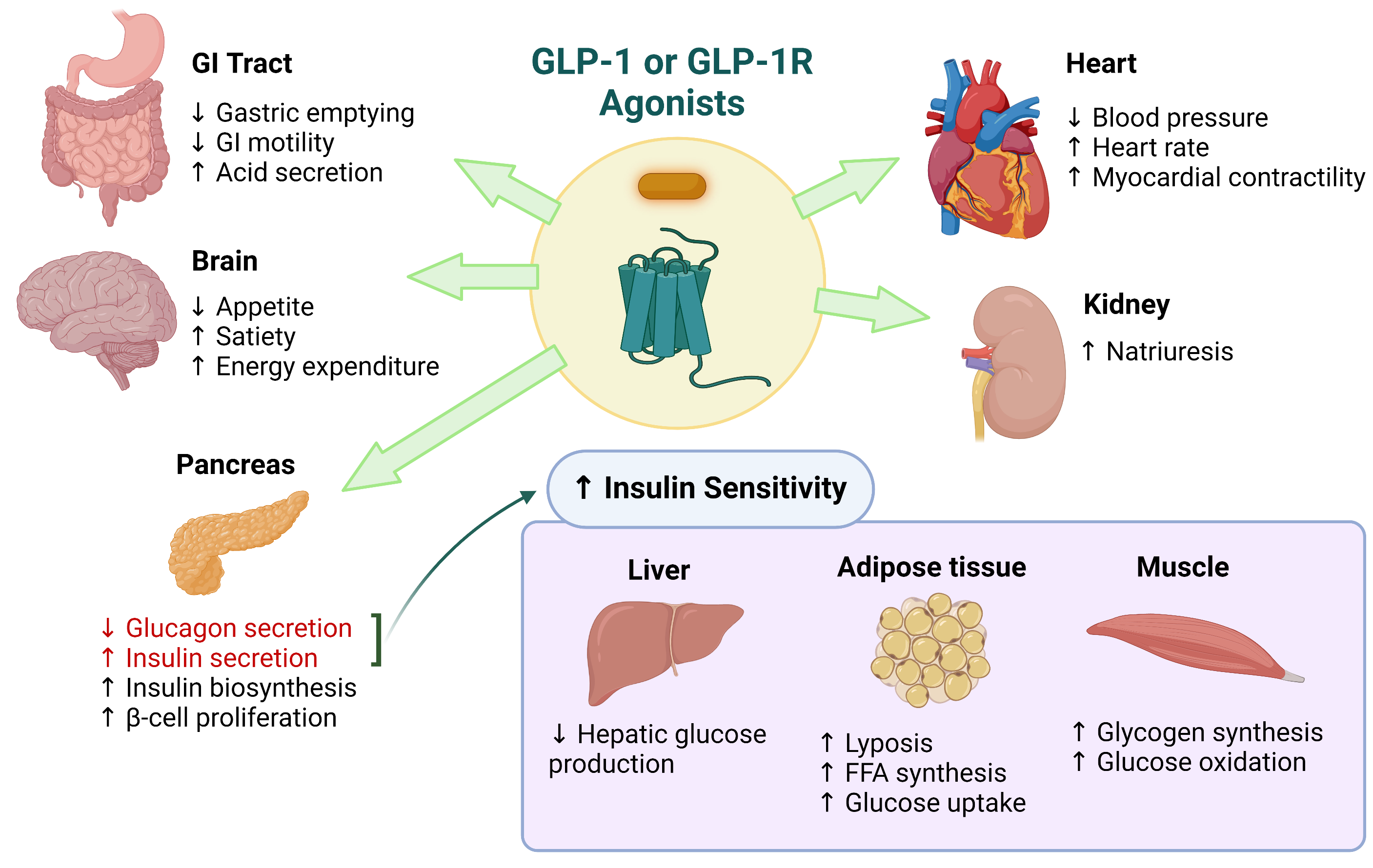
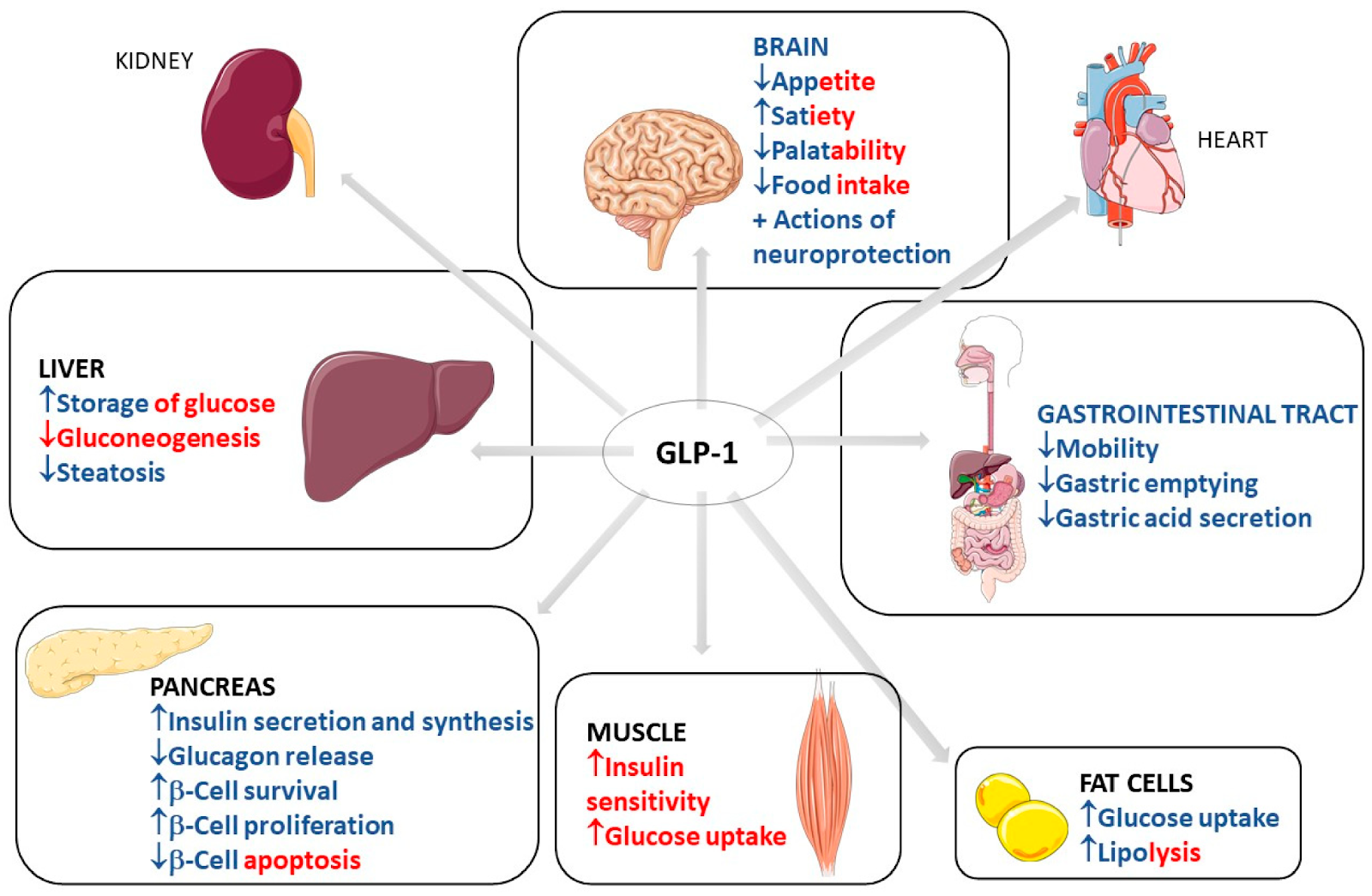
GLP-1 has effects on central and peripheral receptors, afferent branches of the vagus relay information from chemoreceptors and mechanoreceptors in the gastrointestinal tract to the nucleus tractus solitarius (NTS). Circulating hormones could theoretically directly stimulate areas outside the blood brain barrier, although the role of this pathway is of less significance. Nonetheless, GLP-1's impact on the brain's appetite centers is critical in modulating hunger and reducing food intake.
The Mechanism of Action of GLP-1RAs
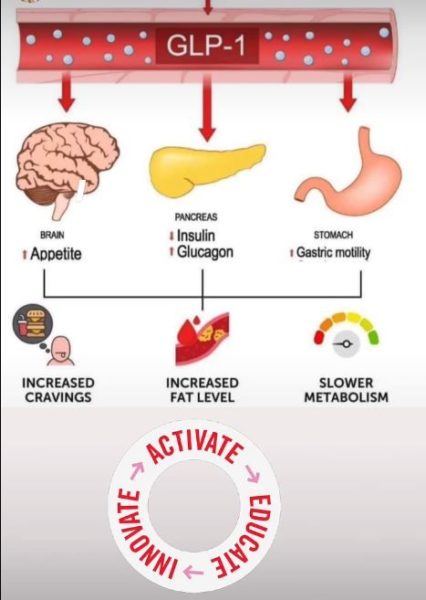
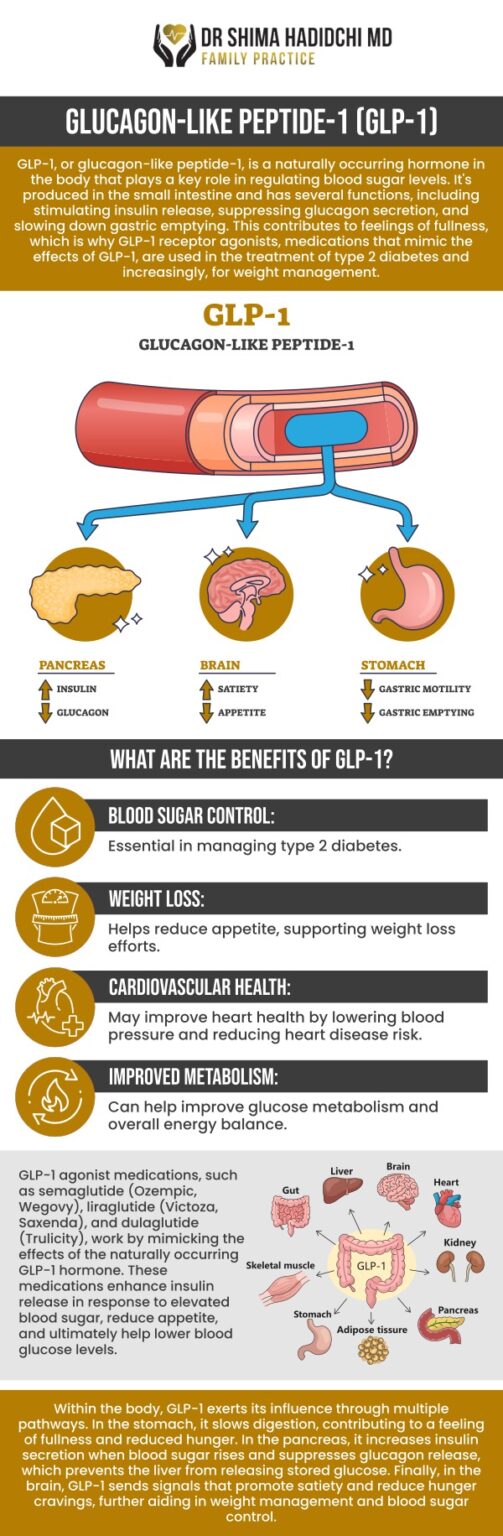
GLP-1RAs work by mimicking the action of GLP-1, a hormone produced by the intestines in response to food intake. GLP-1 stimulates the release of insulin, suppresses the release of glucagon, and slows gastric emptying. By mimicking these effects, GLP-1RAs lead to reduced appetite and increased feelings of fullness, making it easier for individuals to stick to a weight loss diet.