GLP-1 and Metabolic Syndrome Treatment: A Comprehensive Review
Metabolic syndrome, a cluster of conditions including high blood pressure, high blood sugar, excess body fat around the waist, and abnormal cholesterol or triglyceride levels, is a growing concern globally. The treatment of metabolic syndrome requires a multifaceted approach, including lifestyle modifications, pharmacological interventions, and therapeutic strategies that target its underlying pathophysiology. One of the most promising therapeutic options for the treatment of metabolic syndrome is the use of glucagon-like peptide-1 (GLP-1) receptor agonists (GLP-1RAs).
GLP-1 and Metabolic Syndrome Treatment: A New Era in Therapy
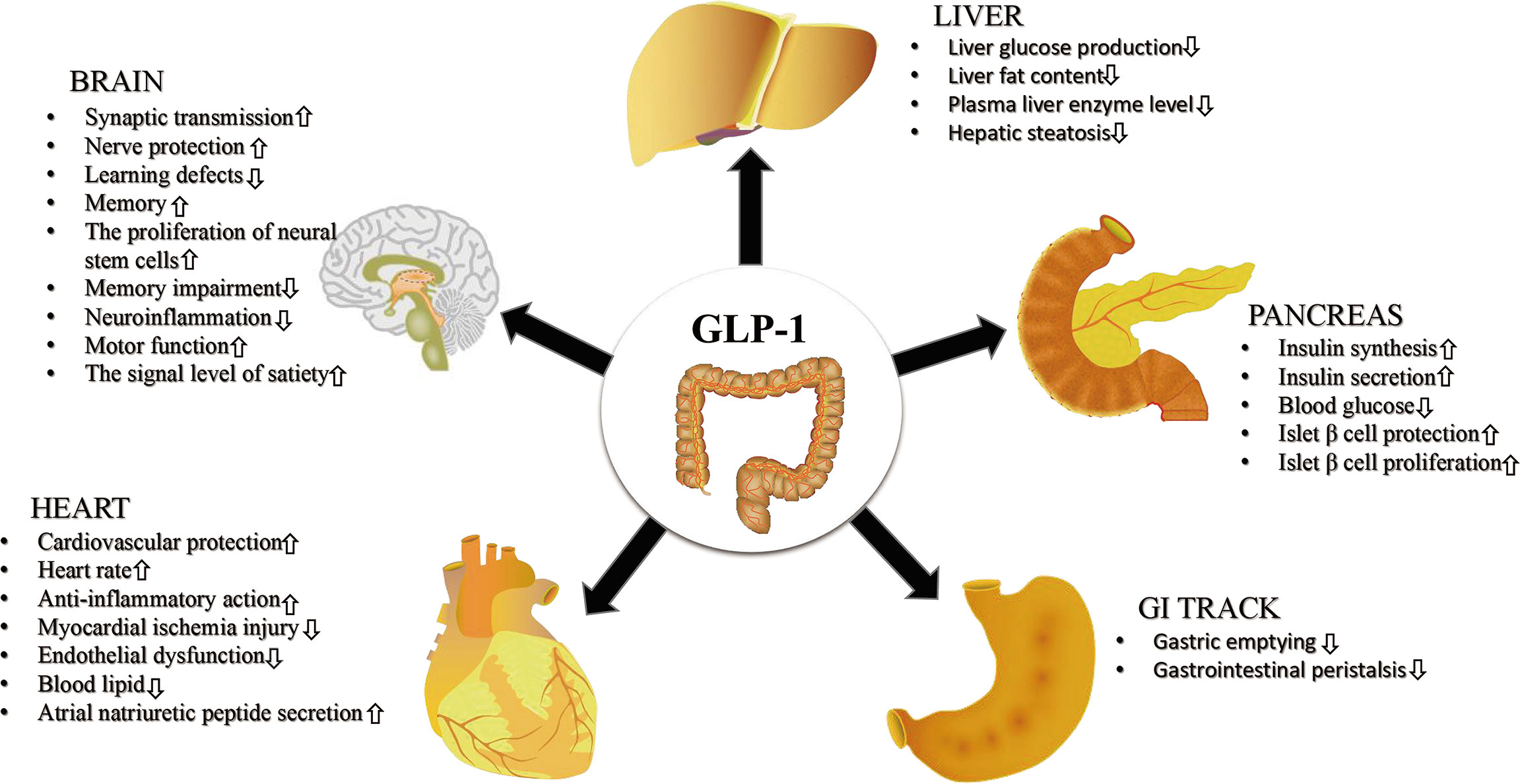
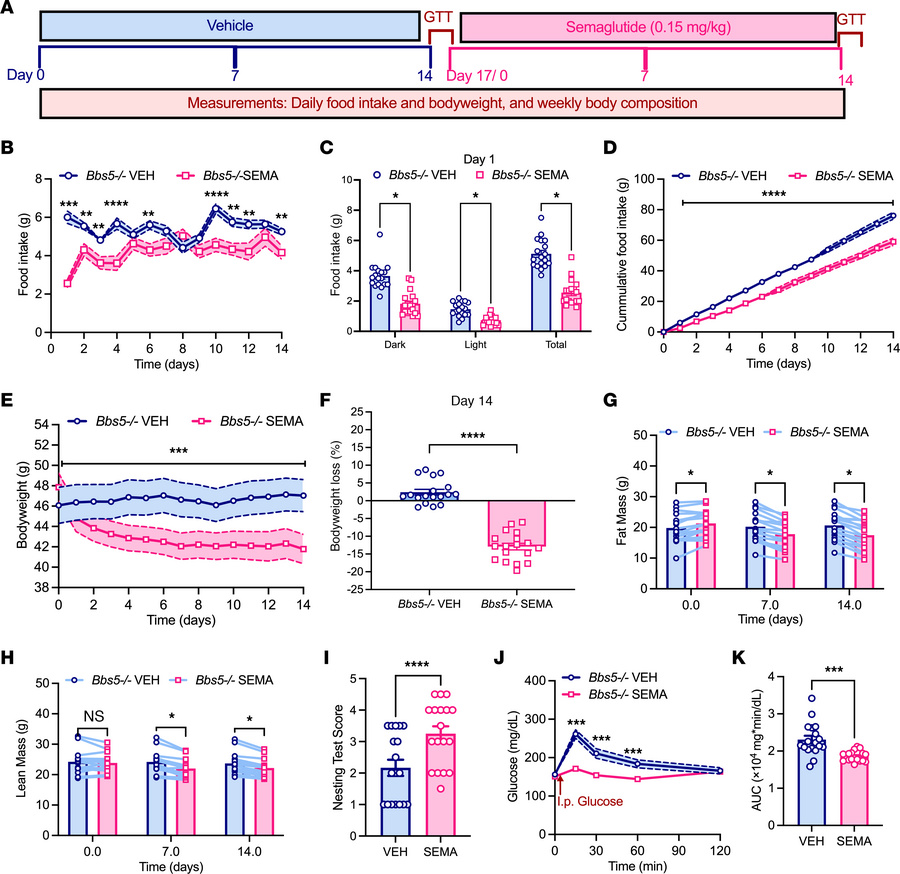
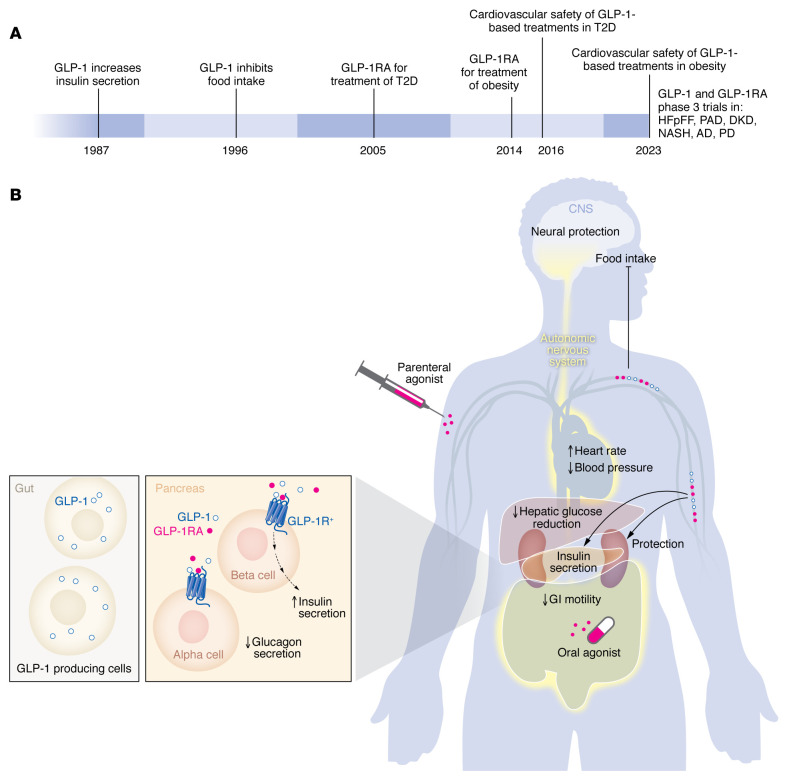
GLP-1RAs have emerged as a novel class of medications that have revolutionized the treatment of type 2 diabetes and obesity. By targeting the GLP-1 receptor, GLP-1RAs have been shown to improve glycemic control, enhance weight loss, and reduce cardiovascular risk factors. Recent studies have demonstrated that GLP-1RAs can also effectively treat metabolic syndrome, a condition characterized by the clustering of multiple metabolic risk factors.

The Mechanism of Action of GLP-1RAs in Metabolic Syndrome Treatment
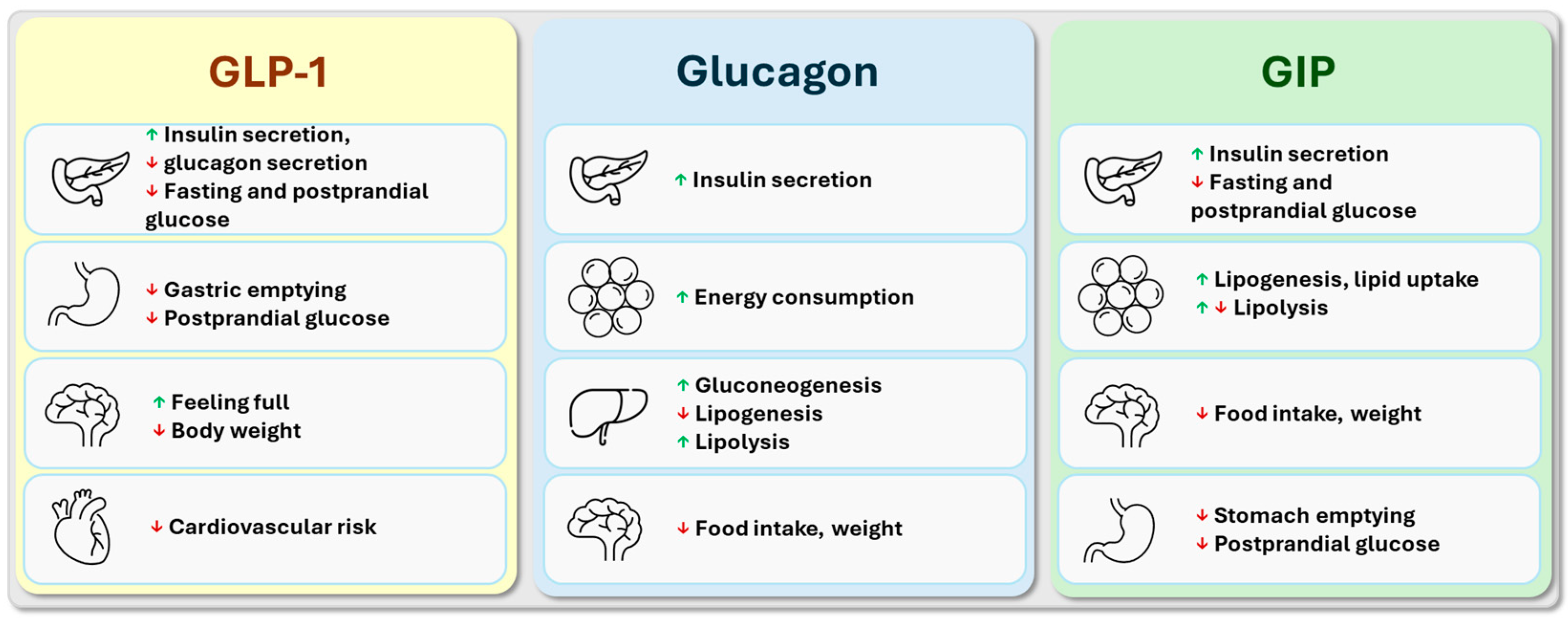
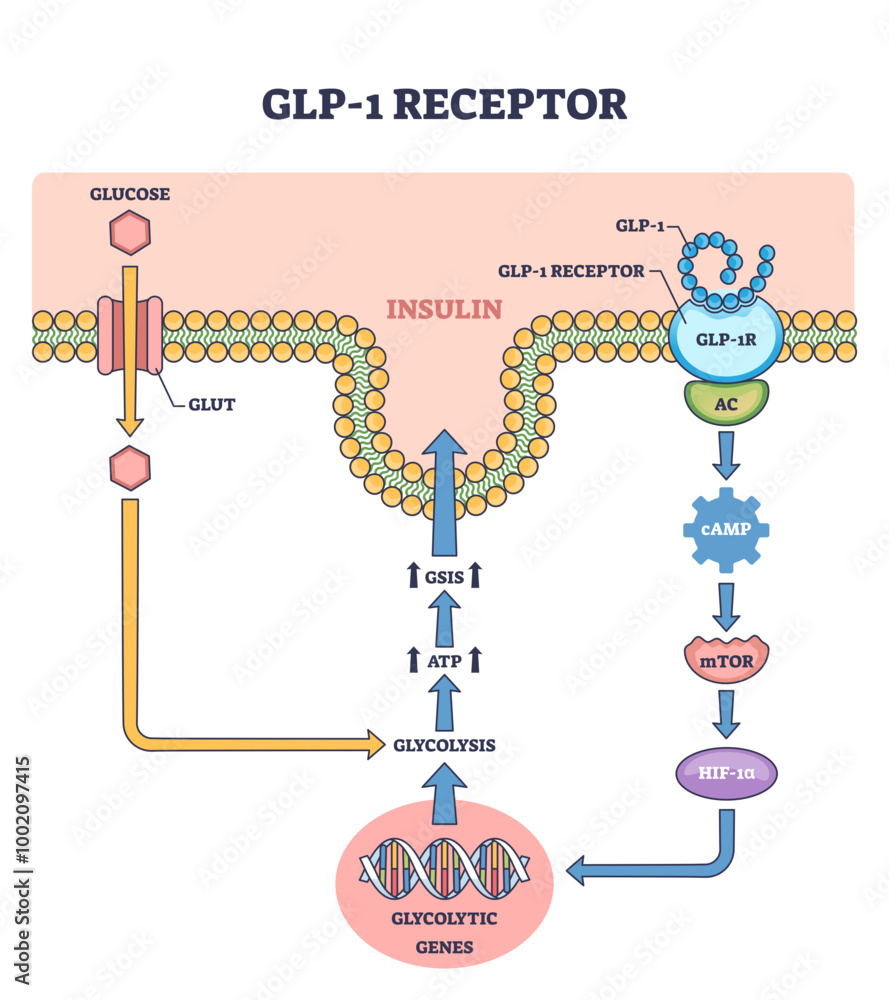
GLP-1RAs work by mimicking the action of the natural hormone GLP-1, which is released by the intestines in response to food intake. GLP-1 stimulates insulin release, inhibits glucagon secretion, and slows gastric emptying, leading to improved glycemic control and enhanced weight loss. In addition, GLP-1RAs have been shown to have beneficial effects on cardiovascular risk factors, including reduced blood pressure, improved lipid profiles, and decreased inflammation.