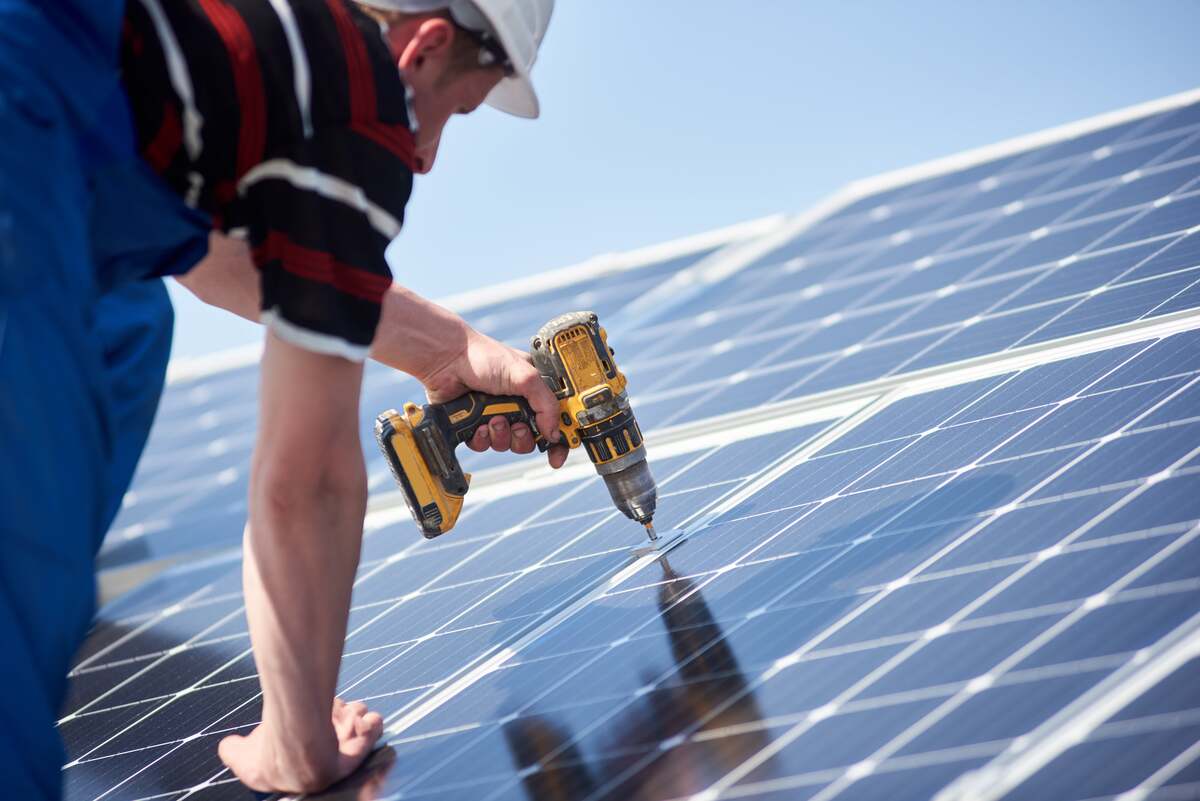
Solar Panel Installation in Cold Climates: What You Need to Know
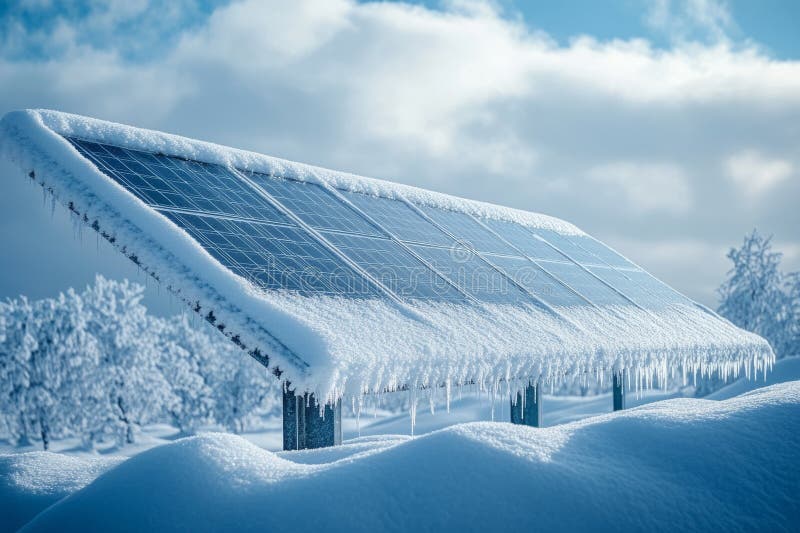
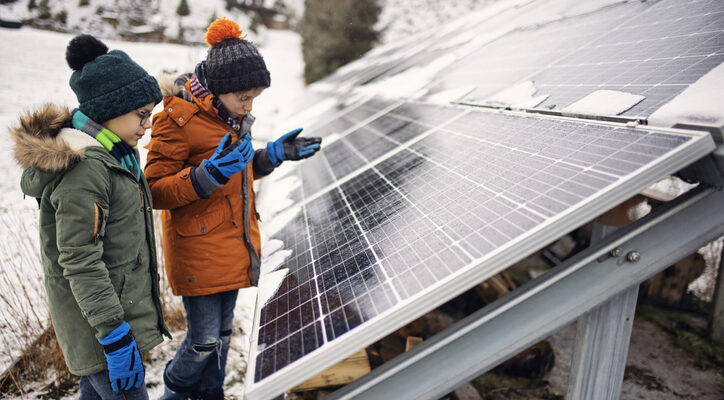
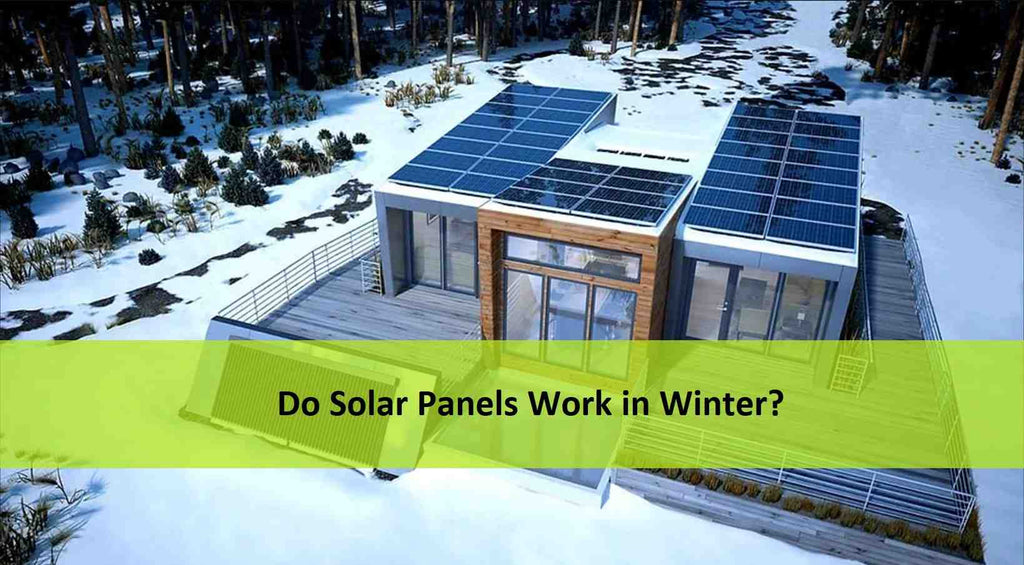
When it comes to solar panel installation, many people assume that cold climates are a major barrier. However, the reality is that solar panels can operate more efficiently in cooler weather, and with thoughtful installation, they can provide reliable energy all year long.
Why Solar Panels Perform Well in Cold Climates
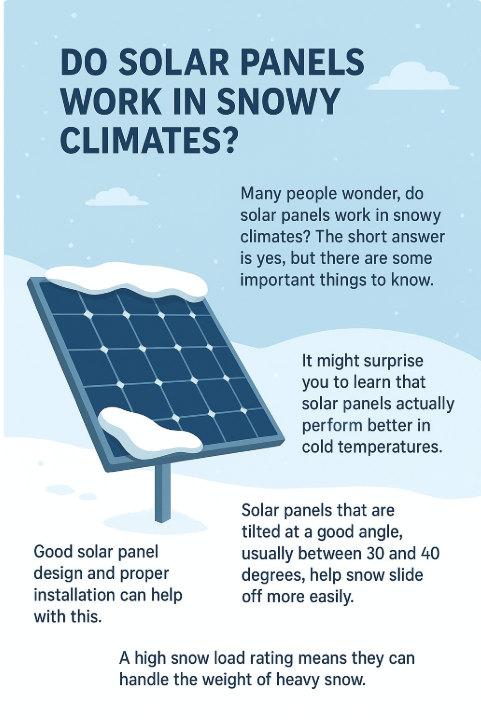
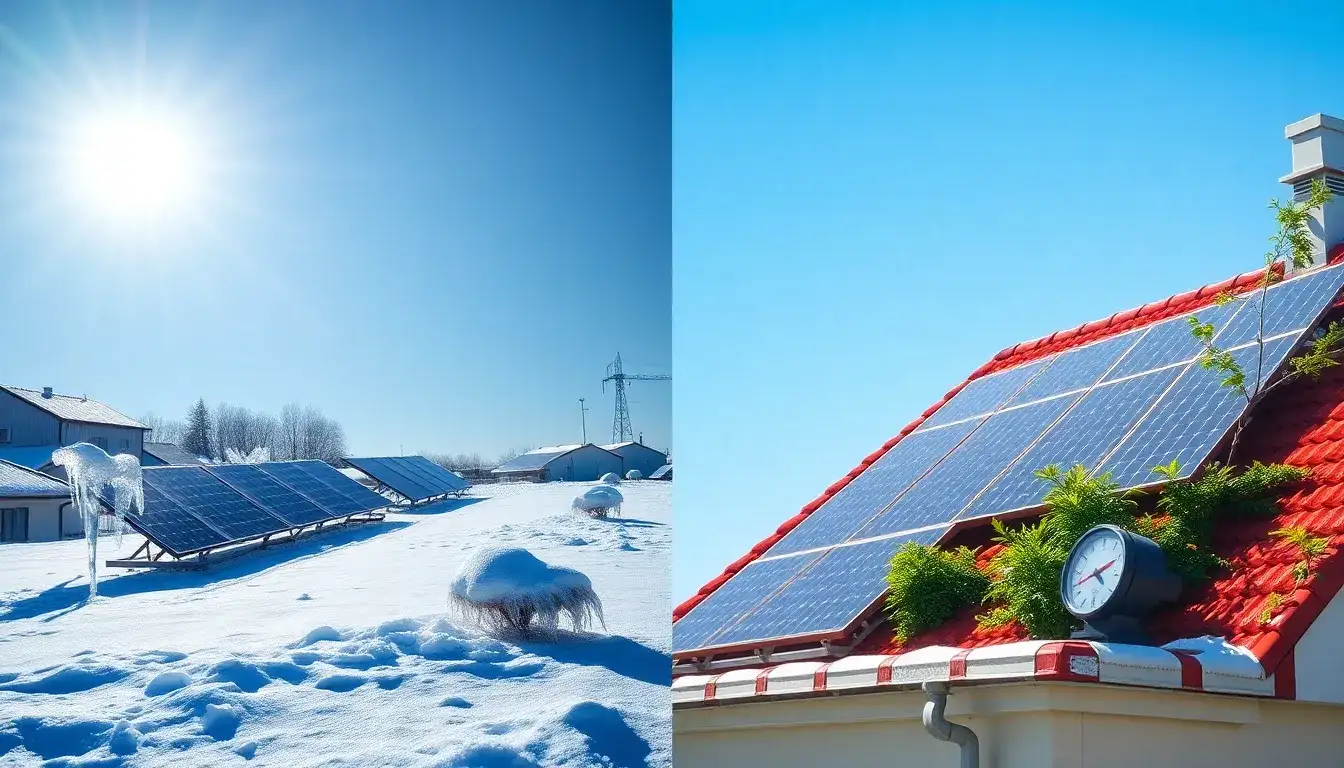
Solar panels generate electricity by converting sunlight into usable power, and cold weather actually helps with this process. Decades of research have shown that photovoltaic cells generate more electricity at lower temperatures. In fact, cold temperatures can boost solar panel efficiency by up to 15%. This means that homeowners in cold climates can enjoy reliable energy production even on cloudy days.

Key Factors to Consider for Solar Panel Installation in Cold Climates
- Panel efficiency: Look for high-efficiency cells, such as N-type, 16BB, or PERC, which perform well in cold temperatures.
- Panel durability: Choose panels with reinforced frames and a track record of withstanding heavy snow and wind loads.
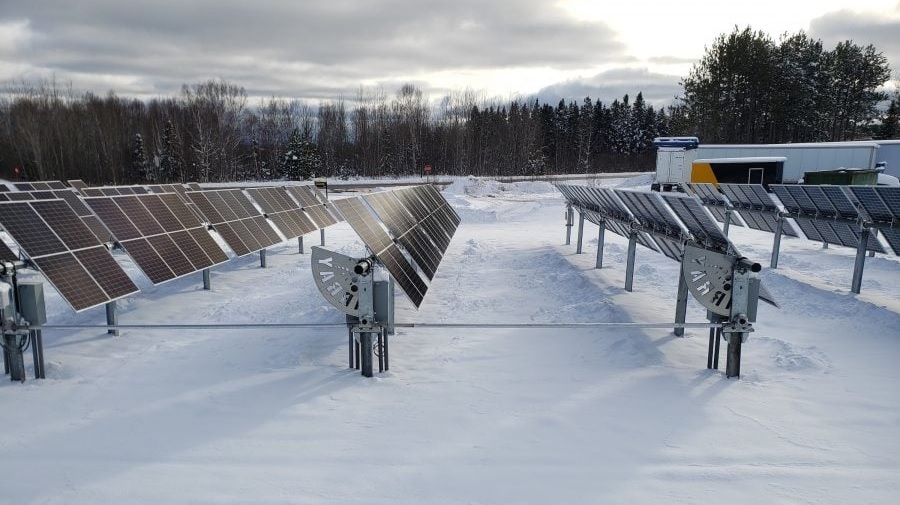
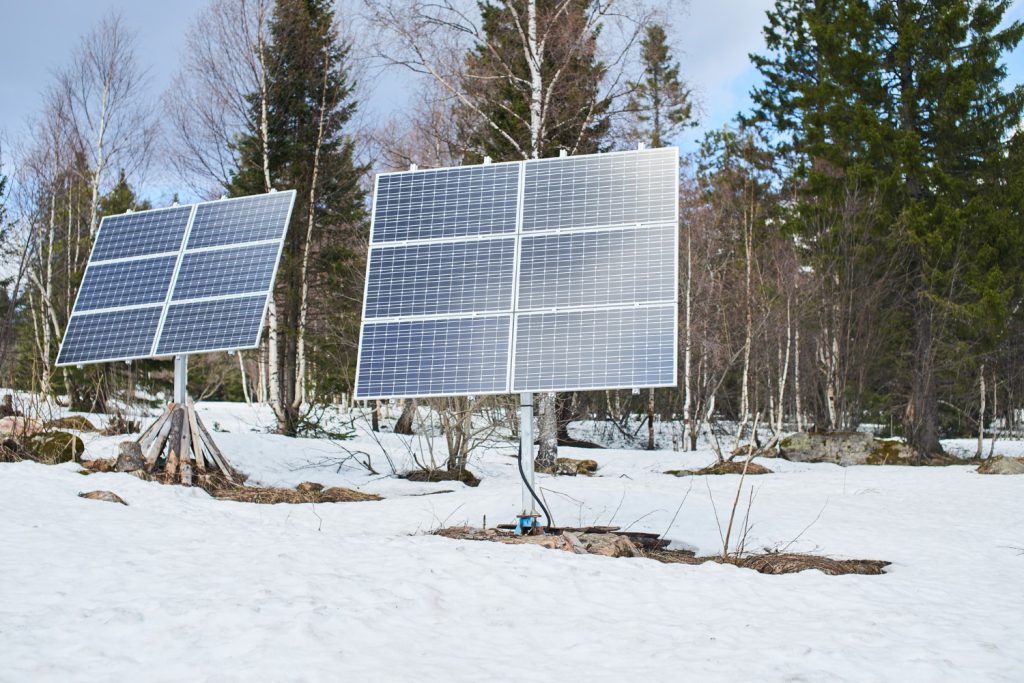
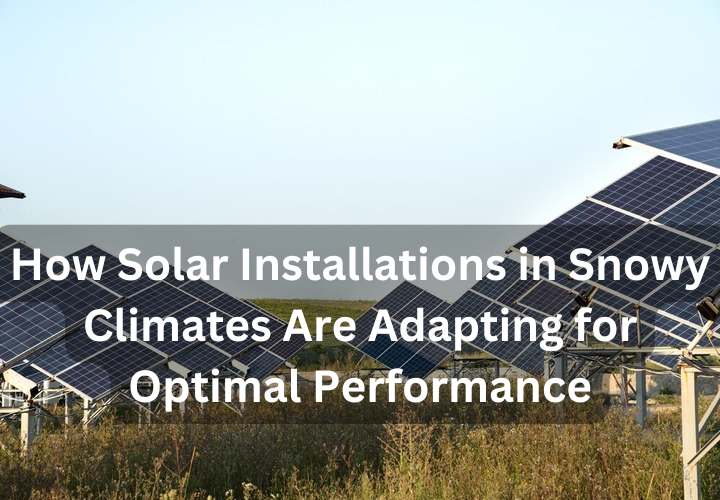
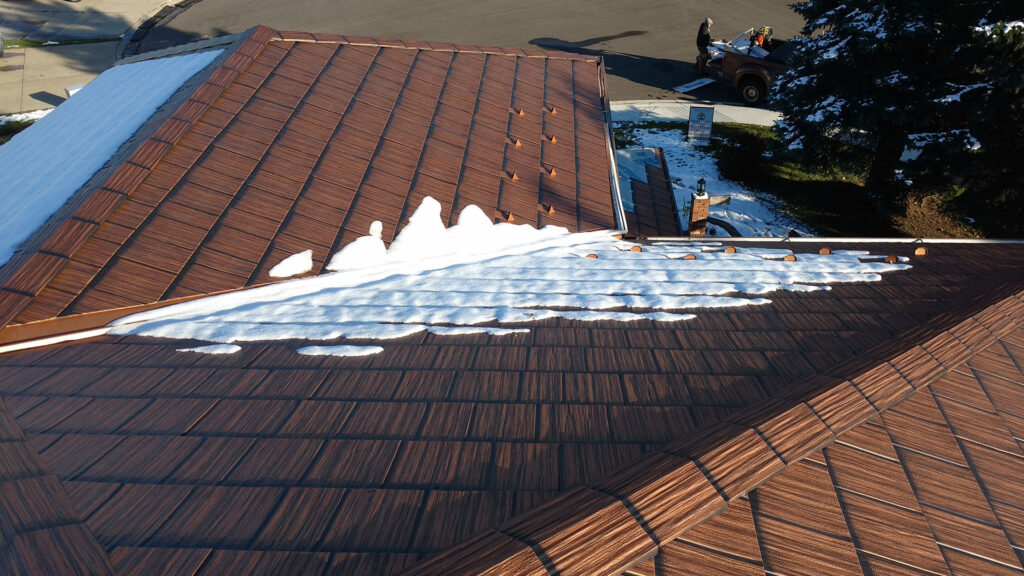
- Mounting design: Opt for PV mounting designs that allow snow to slide off easily, such as snow shedding and load engineering designs.
- Roof flashing: Ensure proper roof flashing to prevent water intrusion and maintain system integrity.
- System design: Consider the overall system design, including snow management and balance of system (BOS) components.