The Science Behind GLP-1 and Calorie Restriction: Understanding the Connection
GLP-1 receptor agonists (GLP-1RAs) have revolutionized the treatment of obesity and type 2 diabetes by promoting weight loss through appetite suppression and metabolic regulation. However, the relationship between GLP-1, calorie restriction, and weight loss is complex, with calorie restriction (CR) inducing a similar metabolic state to GLP-1RA, raising questions about the similarities and differences in their outcomes.
GLP-1RAs and Calorie Restriction Converge on Metabolic State
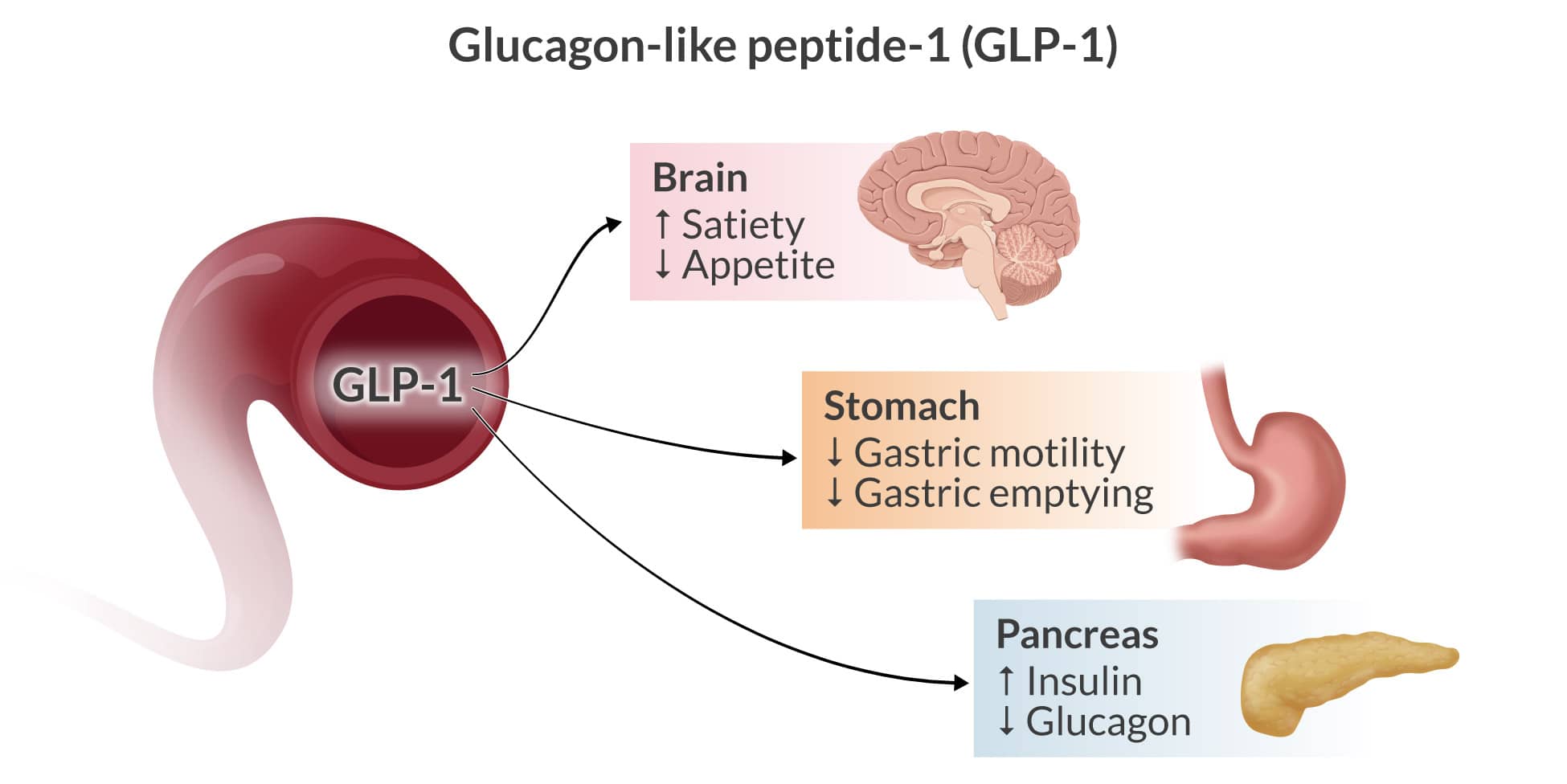
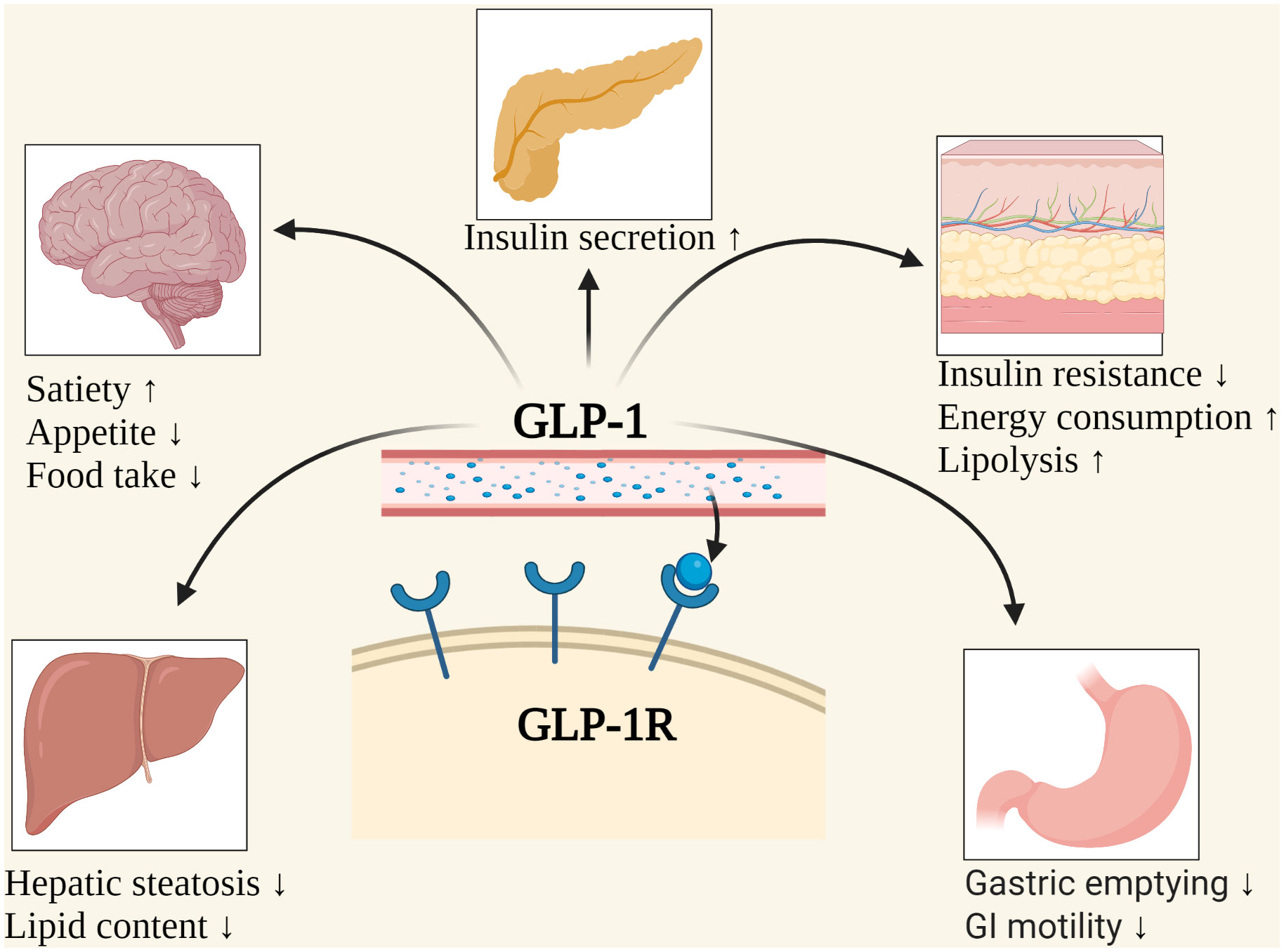
Research has shown that GLP-1RAs induce a caloric restriction-like metabolic state, characterized by increased appetite suppression, improved insulin sensitivity, and enhanced metabolic expenditure. This similarity is not surprising, given that GLP-1RAs are designed to mimic the effects of naturally occurring GLP-1, a hormone that plays a crucial role in regulating appetite, glucose metabolism, and energy homeostasis.
The Physiology of the Weight Loss Plateau
One of the key findings of GLP-1RA research is the timing of the weight loss plateau. Studies have shown that the weight plateau is mainly determined by the intervention's ability to alter the strength of the feedback control circuit relating weight loss to increased energy expenditure. In CR, this feedback control circuit is weakened, leading to an extended period of weight loss prior to the plateau.