GLP-1 Therapy for Weight Management: A Comprehensive Guide
Obesity is a global health epidemic affecting over 650 million adults worldwide. In recent years, the approval of glucagon-like peptide-1 (GLP-1) receptor agonists for weight management has brought new hope to individuals struggling with weight loss. In this article, we will delve into the world of GLP-1 therapy for weight management, discussing its efficacy, safety, and potential benefits.
What is GLP-1 Therapy?
GLP-1 is a naturally occurring hormone that helps regulate blood sugar and appetite. GLP-1 receptor agonists, also known as GLP-1 medications, mimic the action of this hormone to improve appetite control, metabolic efficiency, and weight loss. These medications were originally developed to manage type 2 diabetes but have since been approved for weight loss as an adjunct to a calorie-controlled diet and exercise.
How Does GLP-1 Therapy Work?

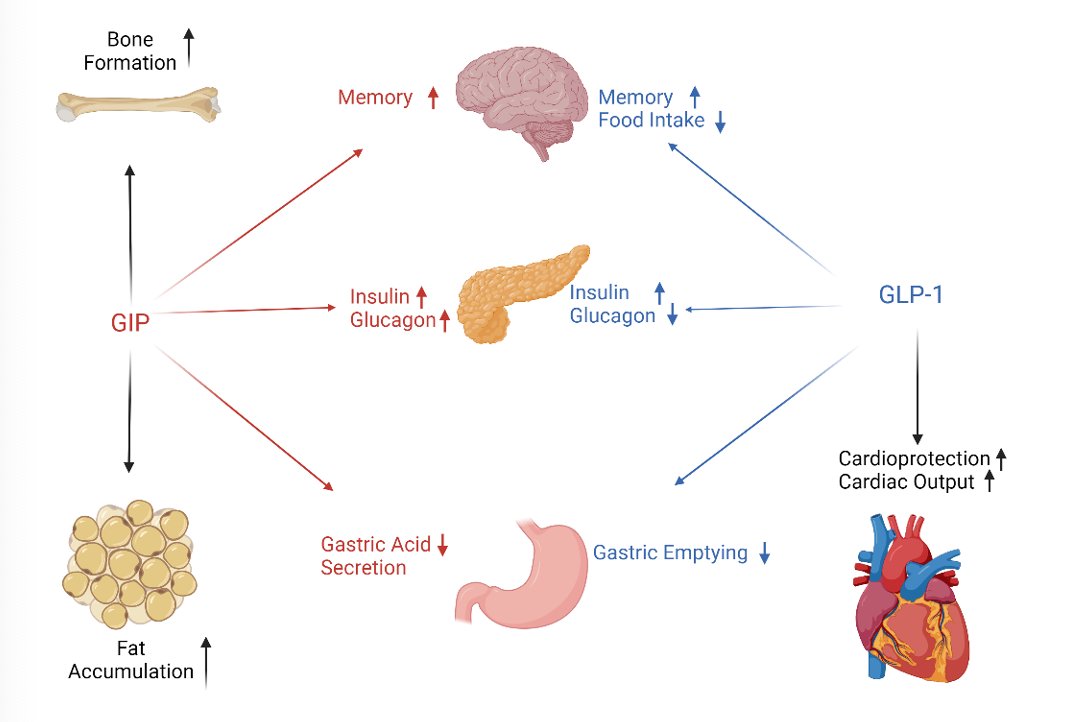
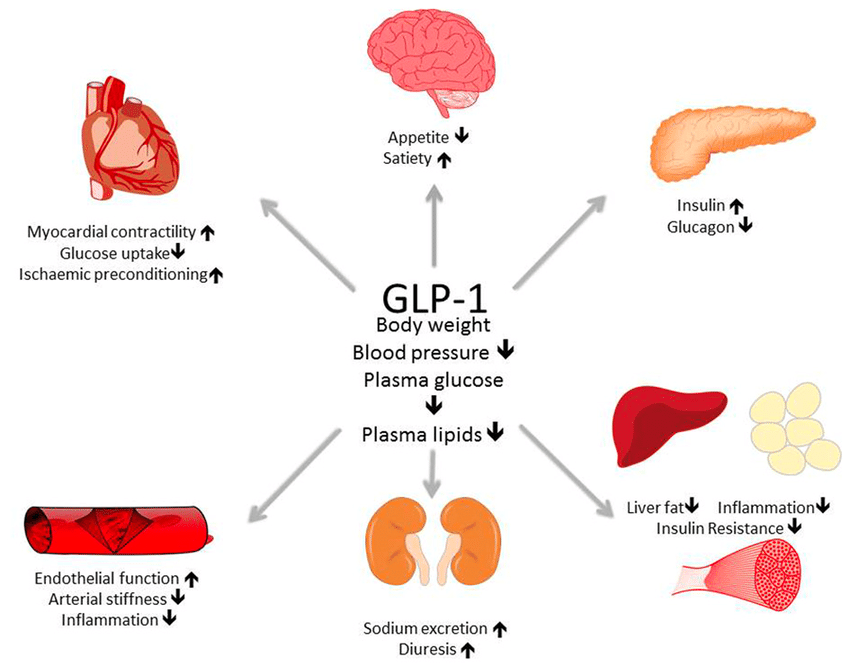
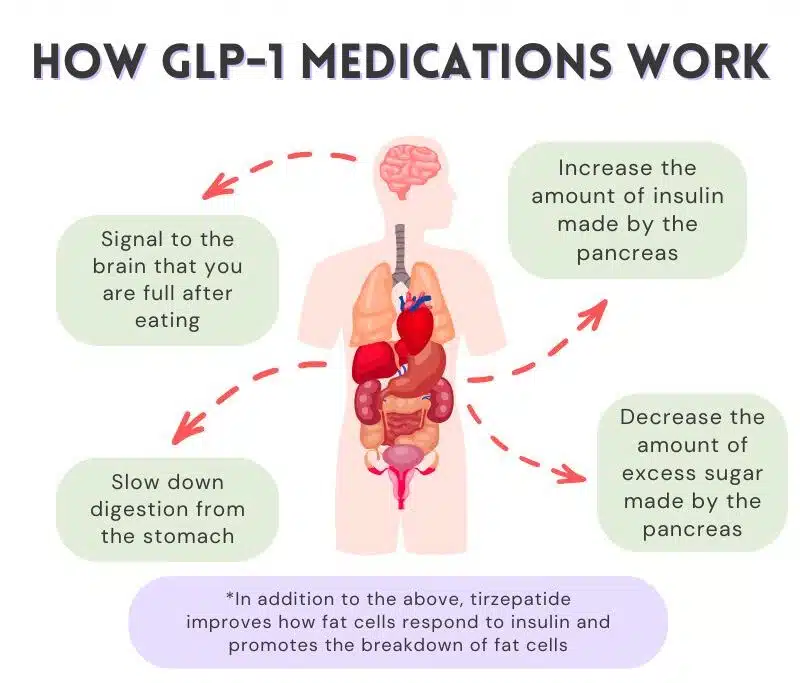
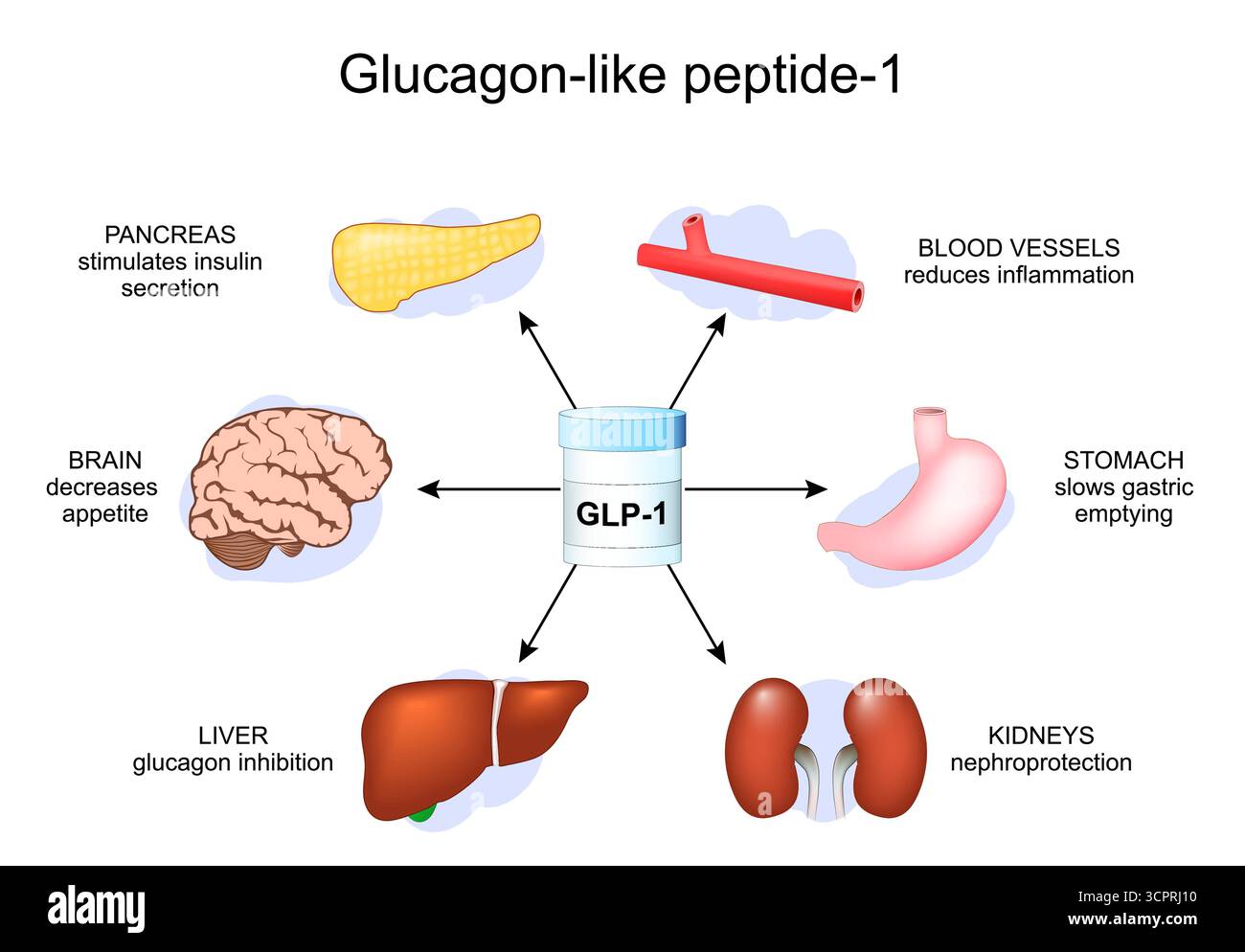
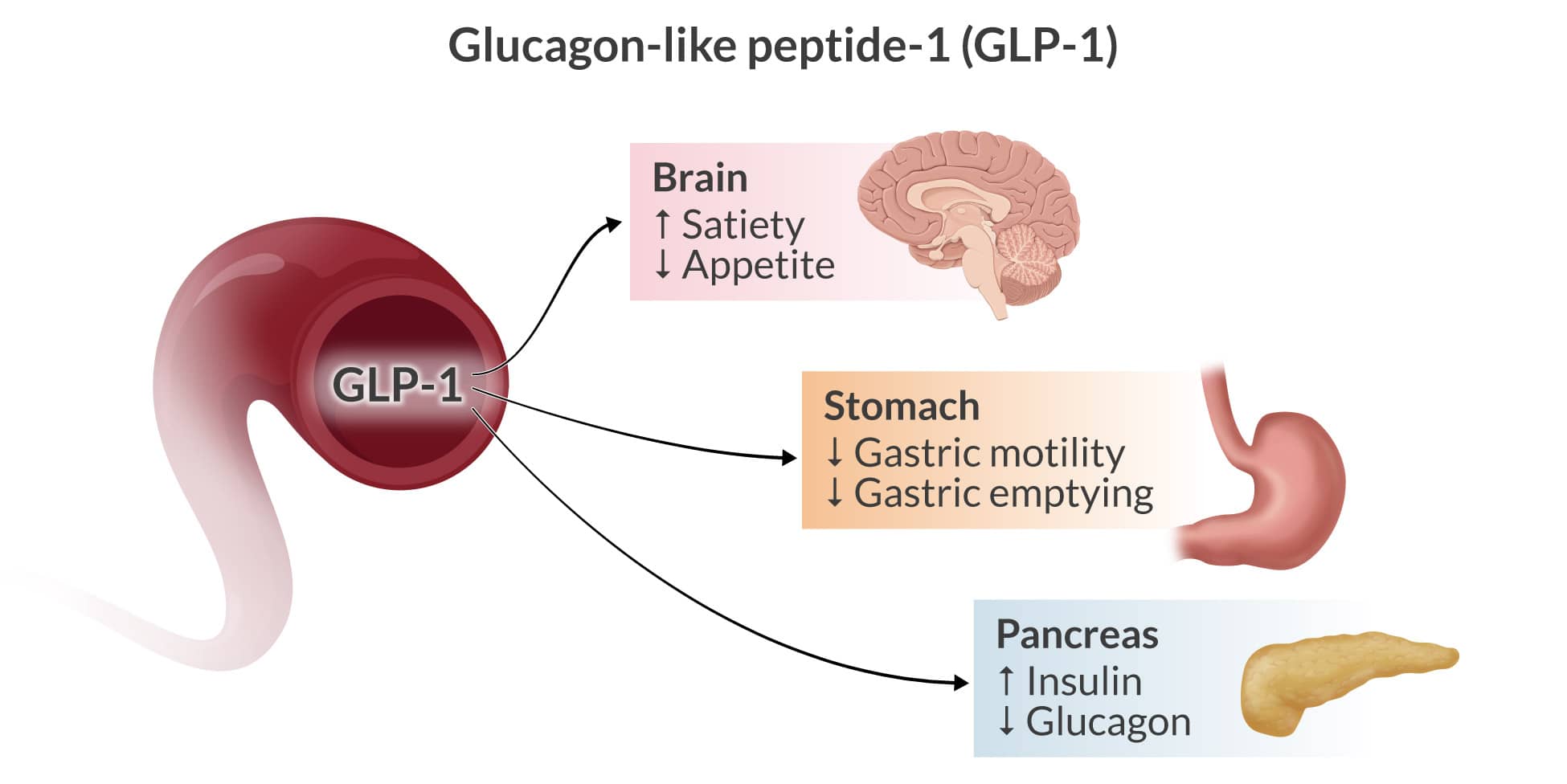
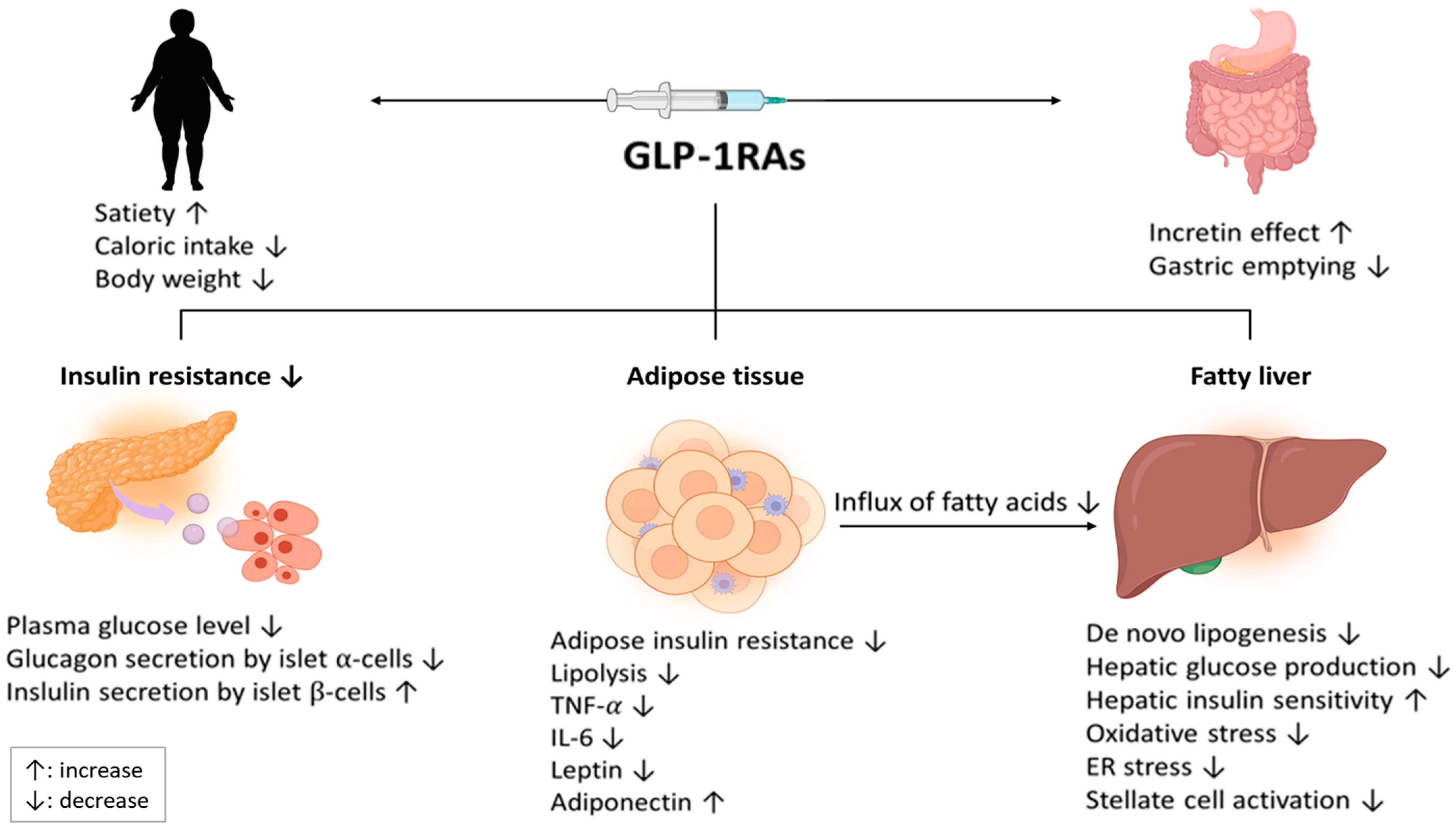
GLP-1 therapies work by binding to GLP-1 receptors in the brain and pancreas, leading to increased feelings of fullness, reduced appetite, and improved glucose metabolism. By slowing gastric emptying and reducing postprandial glucose levels, GLP-1 therapies help create a state of caloric deficit, leading to weight loss.
Effectiveness of GLP-1 Therapy for Weight Management
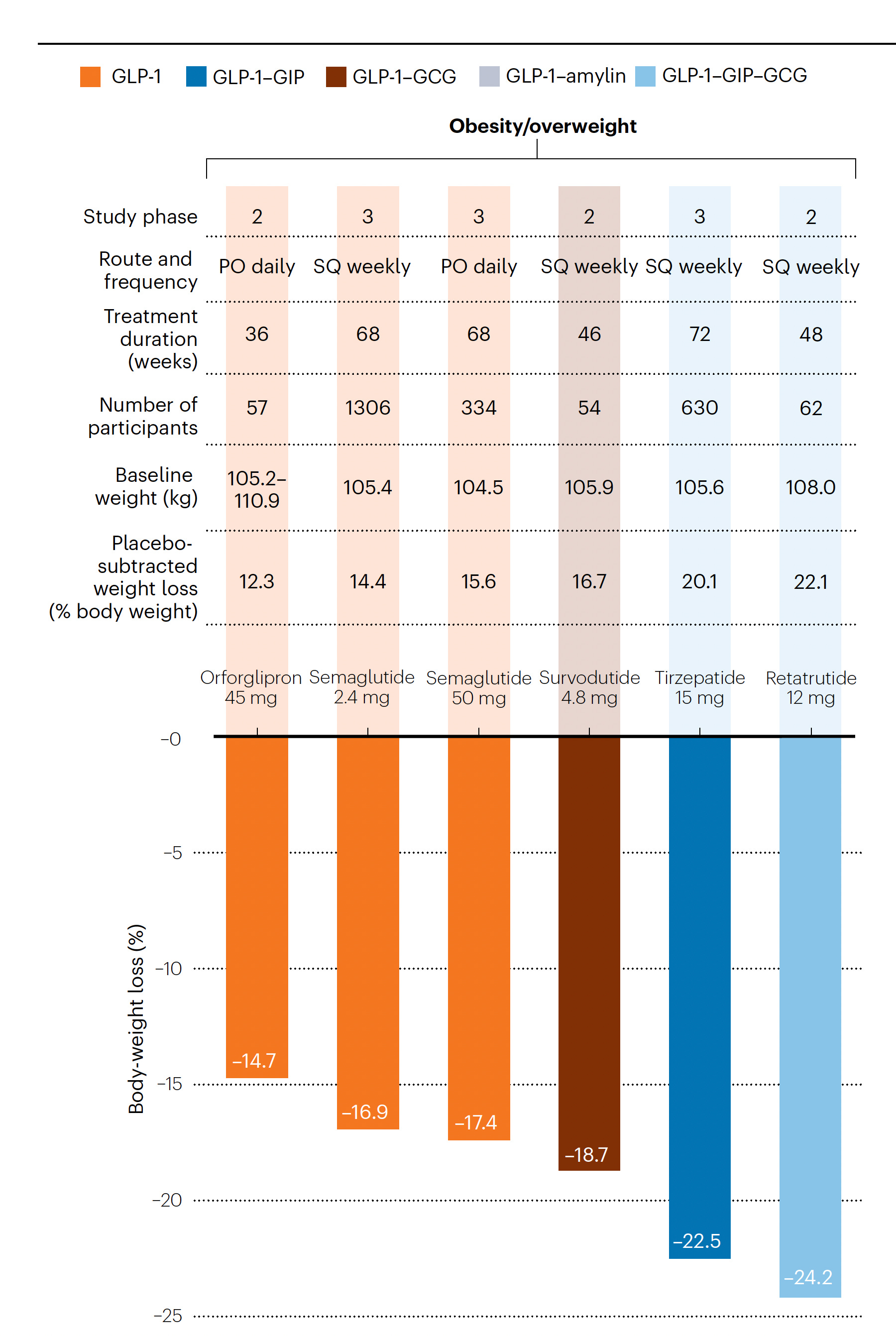
Several studies have demonstrated the efficacy of GLP-1 therapies for weight loss. A 2024 systematic review and meta-analysis of 53 studies including 21,349 patients found that compared to placebo, tirzepatide (a dual GLP-1/GIP agonist) was the most effective medication for weight loss. Another study published in 2025 found that GLP-1 therapies significantly improved weight loss and reduced the risk of heart attack, stroke, and heart failure in individuals with obesity.