Effective Basement Moisture Control: A Guide to Preventing Water Damage and Maintaining a Healthy Home
Understanding Basement Moisture Problems
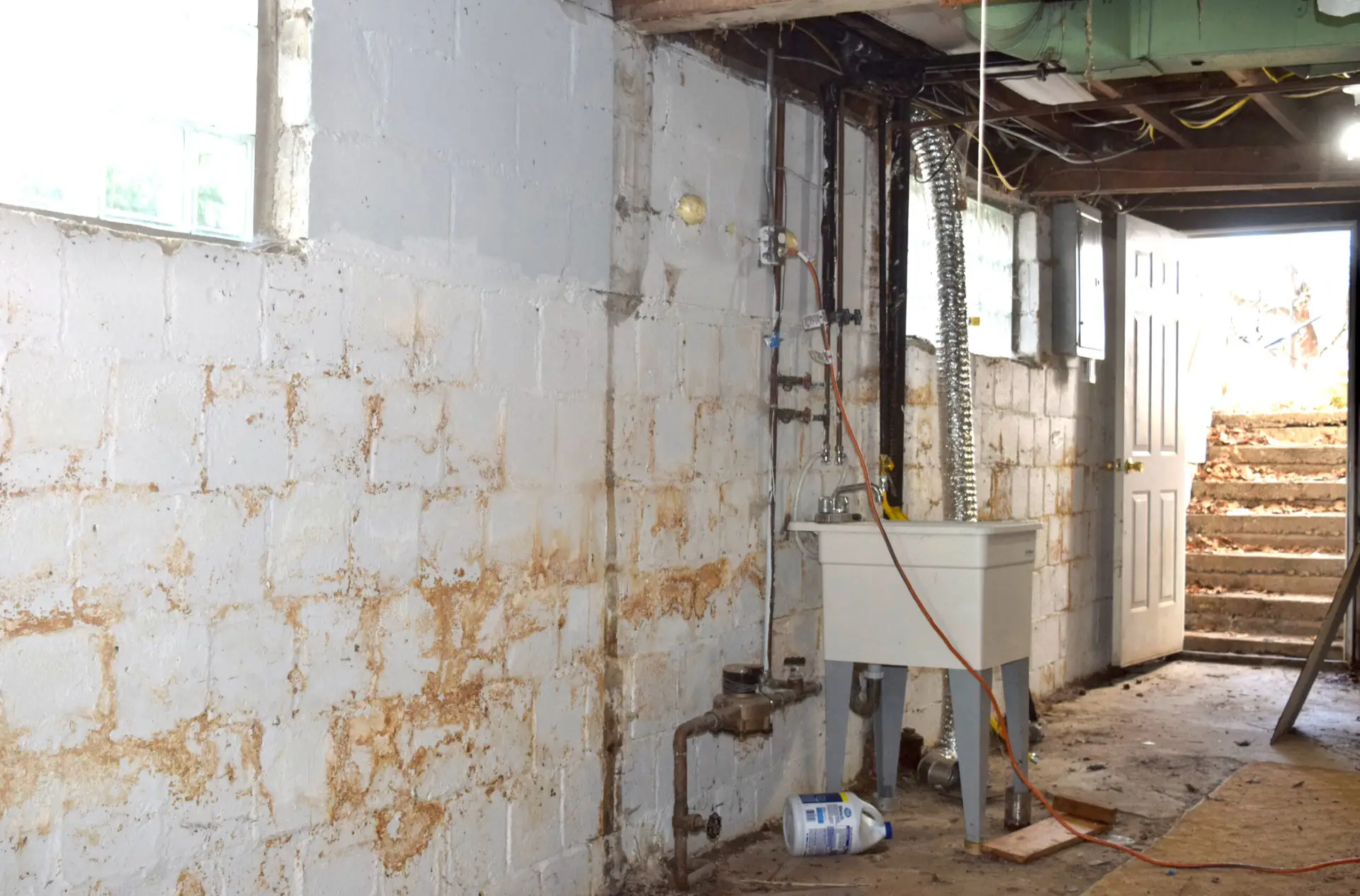
If you're a homeowner, you're likely no stranger to the challenges of maintaining a dry and comfortable basement. High levels of moisture in the basement can lead to a host of problems, including mold growth, structural damage, and poor indoor air quality. But what causes basement moisture, and how can you effectively control it?
Basement moisture originates from various sources, including:
- Groundwater seepage and hydrostatic pressure
- Water condensation from warm air meeting cold surfaces
- Absorption through porous concrete
- Poor ventilation and drainage systems
- Leaks in foundation walls and floors
Basement Moisture Movement Mechanisms
Once moisture enters the basement, it can move through various mechanisms, including:

- Capillary action: Water absorbs into porous materials, such as drywall and insulation
- Conduction: Heat and humidity transfer through direct contact with surfaces
- Radiation: Heat transfer through thermal interaction between surfaces
- Convection: Moisture rises through air circulation
Typical Basement Moisture Problems
The consequences of uncontrolled basement moisture can be severe, including:
- Mold growth and infestation
- Structural damage and rotting wood
- Musty odors and poor indoor air quality
- Health issues and respiratory problems
- Economic losses due to costly repairs and replacement
Effective Basement Moisture Control Strategies
Preventing basement moisture problems requires a multi-faceted approach, including: