Oxidative Stress and GLP-1: Understanding the Relationship
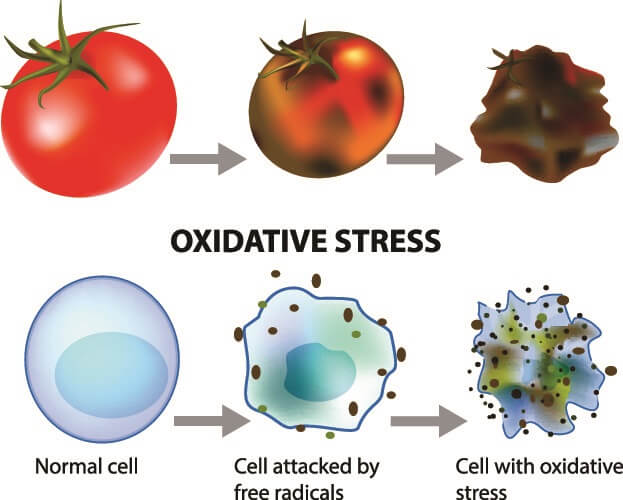
Oxidative stress is a condition characterized by an imbalance between free radicals and antioxidants in the body, leading to cellular damage and various health issues. Glucagon-like peptide-1 (GLP-1) is a hormone that plays a crucial role in glucose metabolism and has been shown to influence oxidative stress. In this article, we will delve into the relationship between oxidative stress and GLP-1, exploring its effects on the body and potential therapeutic applications.
GLP-1 and Oxidative Stress
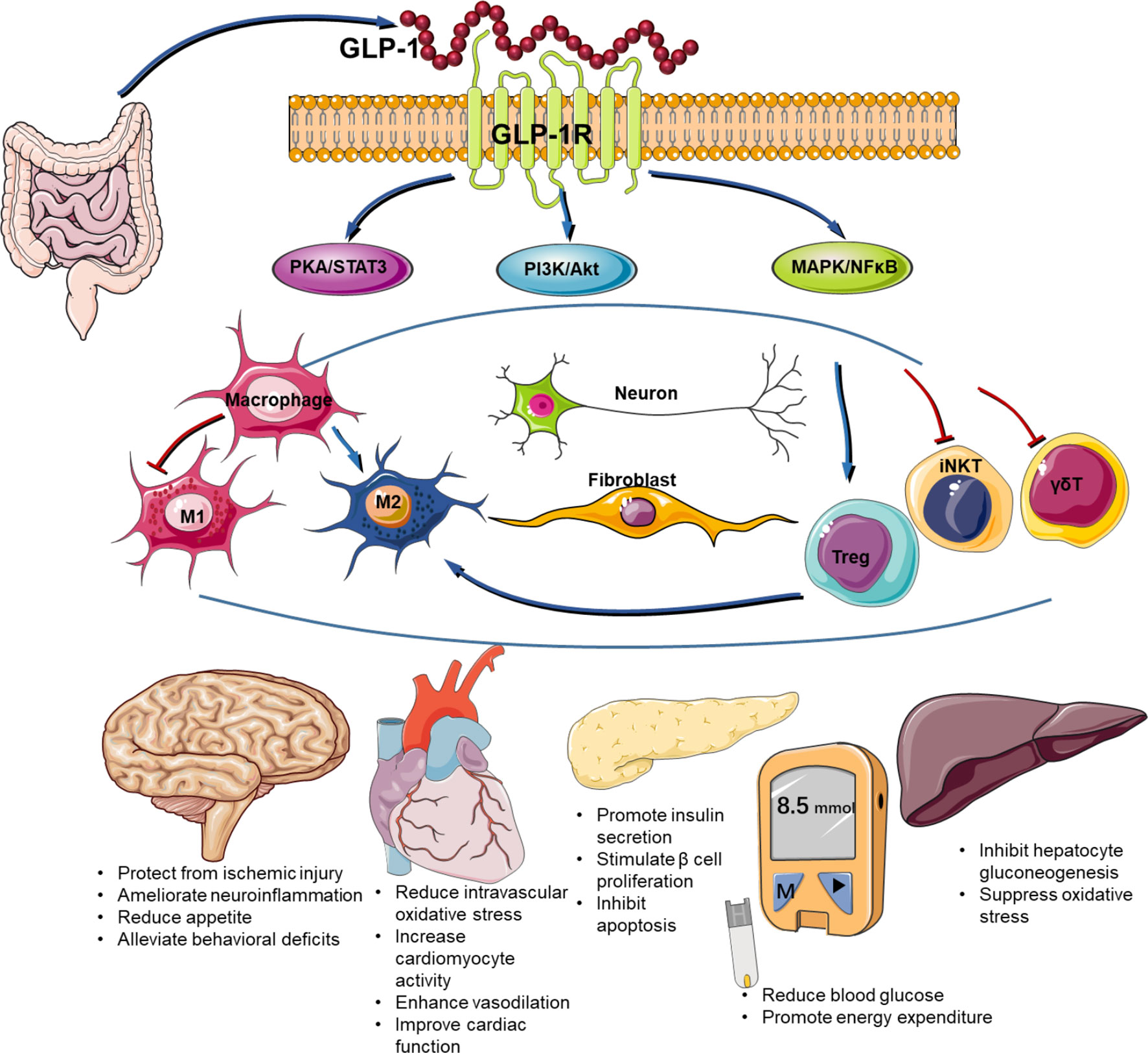
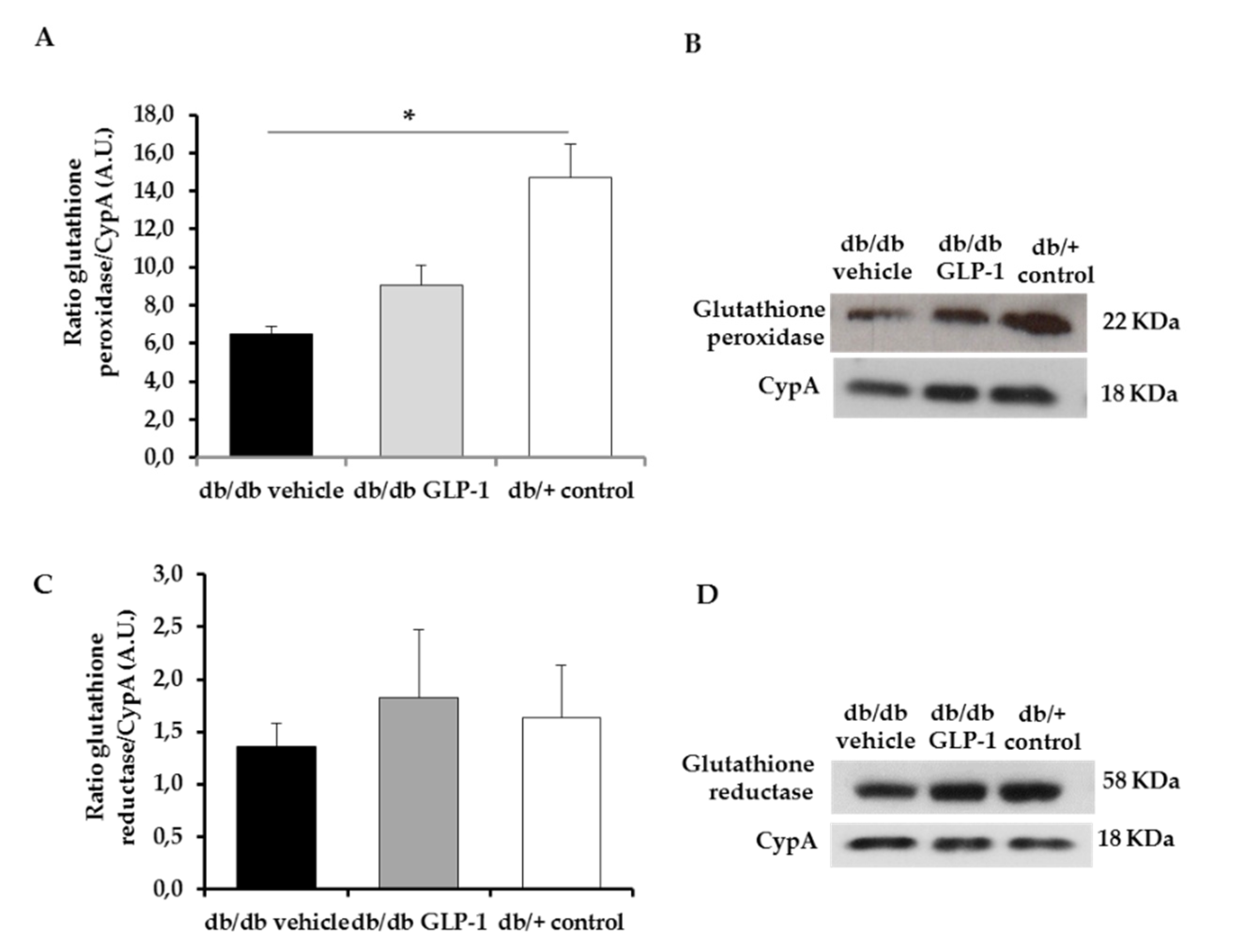
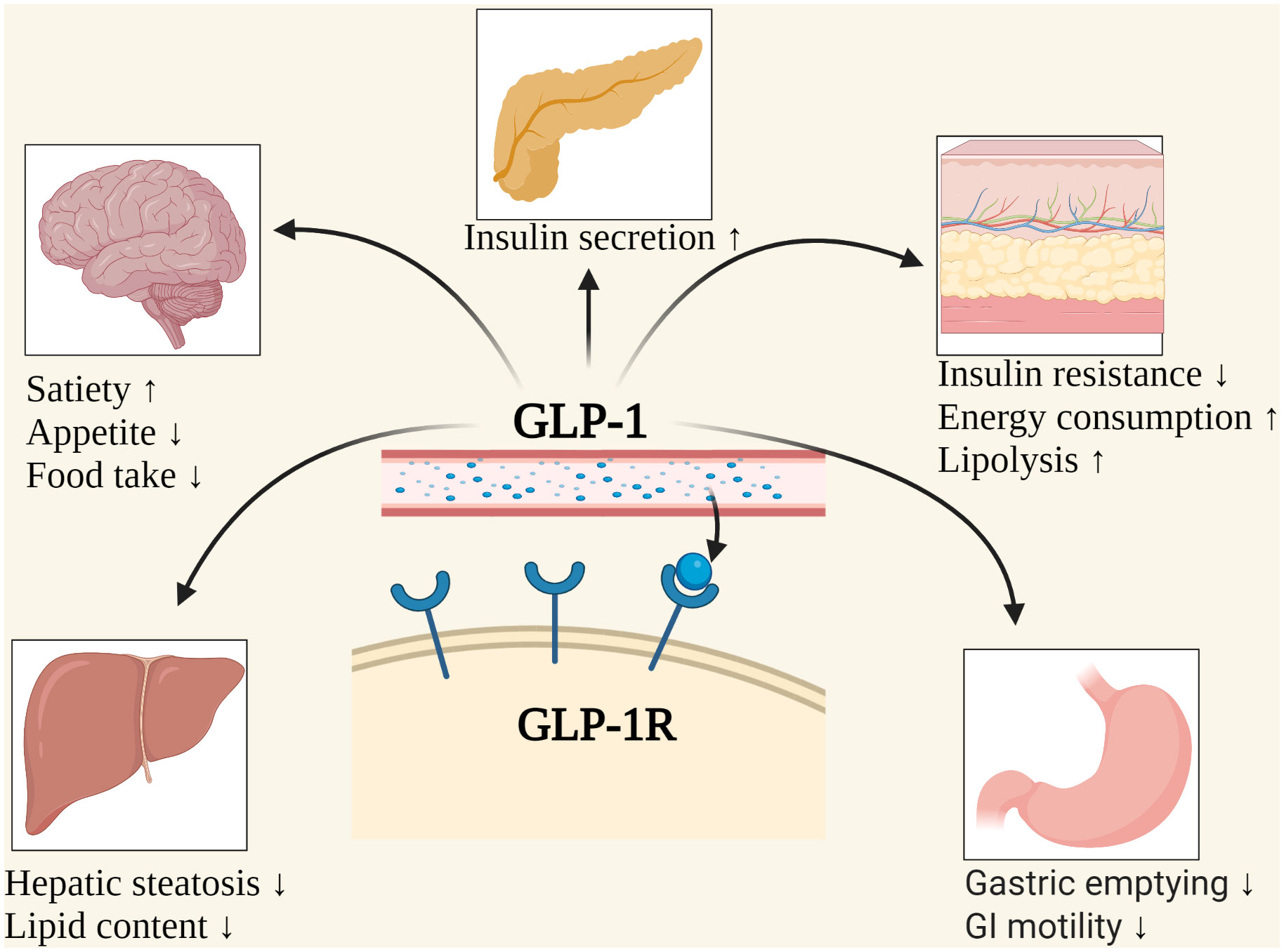
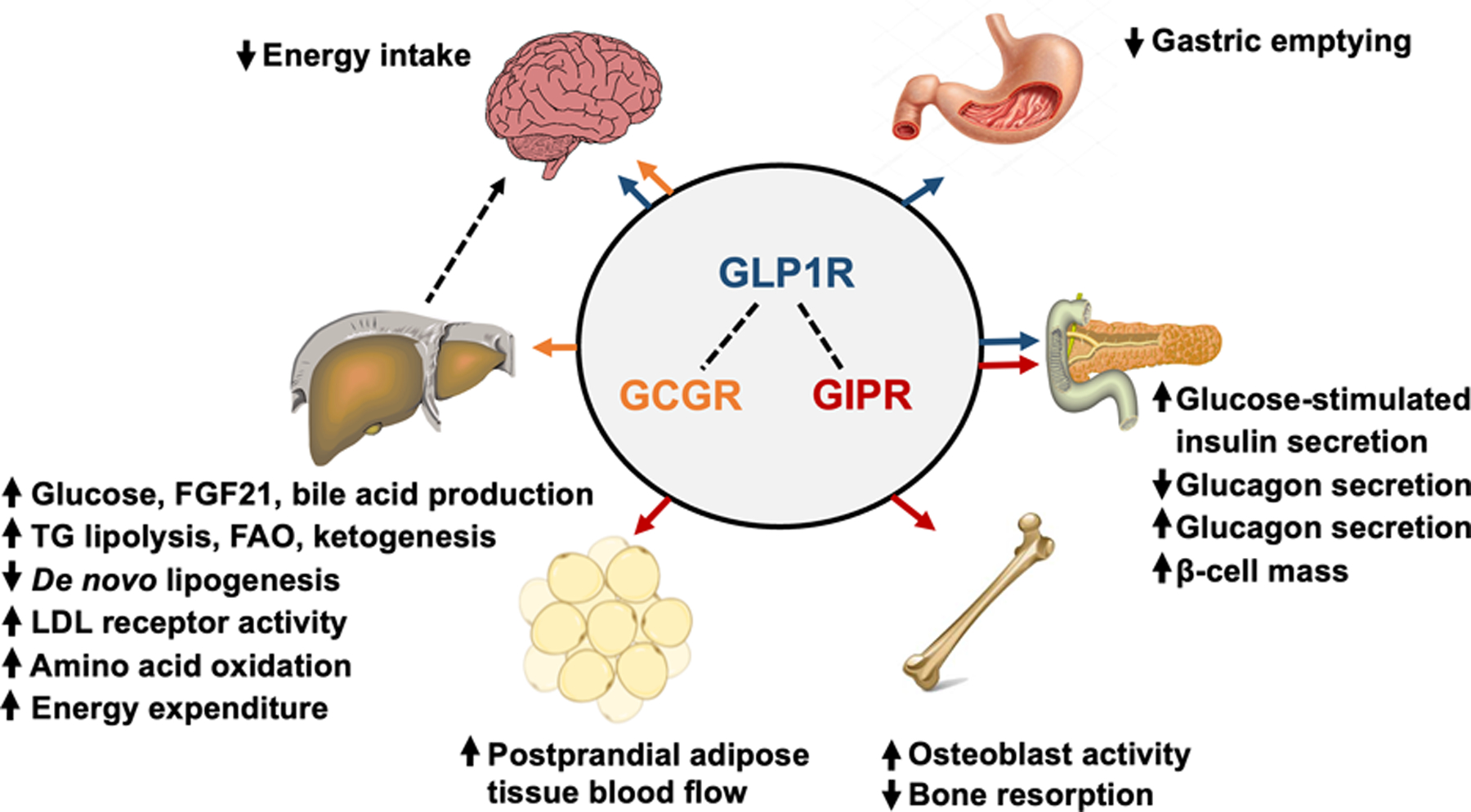
GLP-1 is an incretin hormone produced by the intestines in response to food intake. It plays a key role in glucose metabolism, promoting insulin secretion and reducing glucagon levels. GLP-1 has also been shown to have anti-inflammatory and antioxidant effects, mitigating oxidative stress and improving insulin sensitivity.
The Role of GLP-1 in Reducing Oxidative Stress

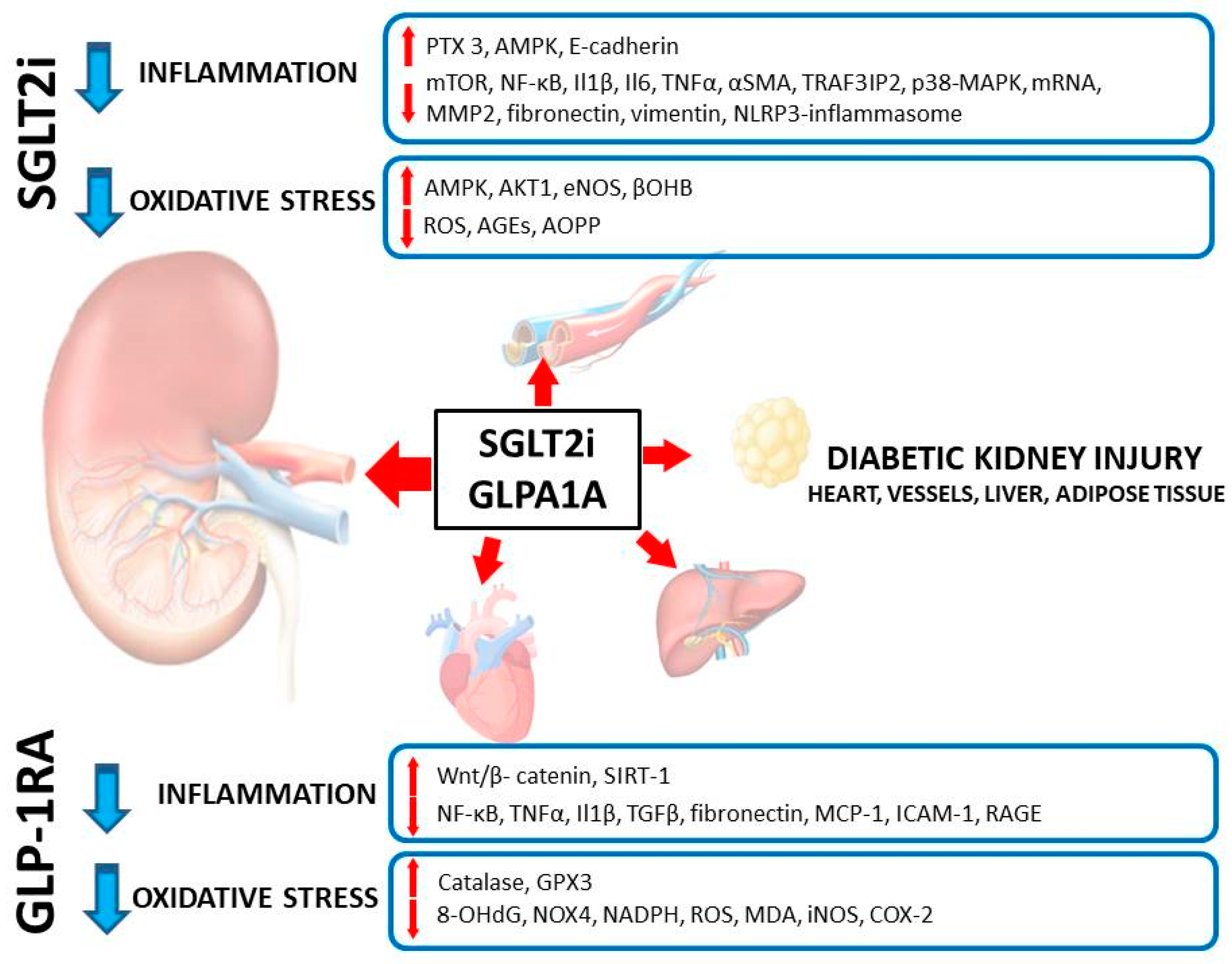
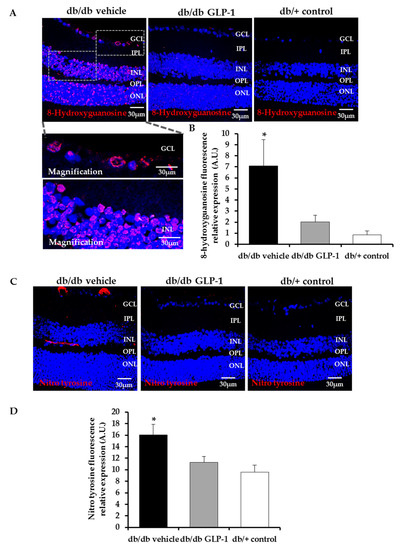
Studies have demonstrated that GLP-1 receptor agonists (GLP-1RAs) and sodium-glucose cotransporter-2 inhibitors (SGLT2Is) can reduce oxidative stress biomarkers in adults with type 2 diabetes mellitus (T2DM). A meta-analysis of randomized controlled trials found that GLP-1RAs and SGLT2Is decreased oxidative stress biomarkers, suggesting a potential therapeutic benefit for GLP-1 in reducing oxidative stress.
GLP-1 and Mitochondrial Function
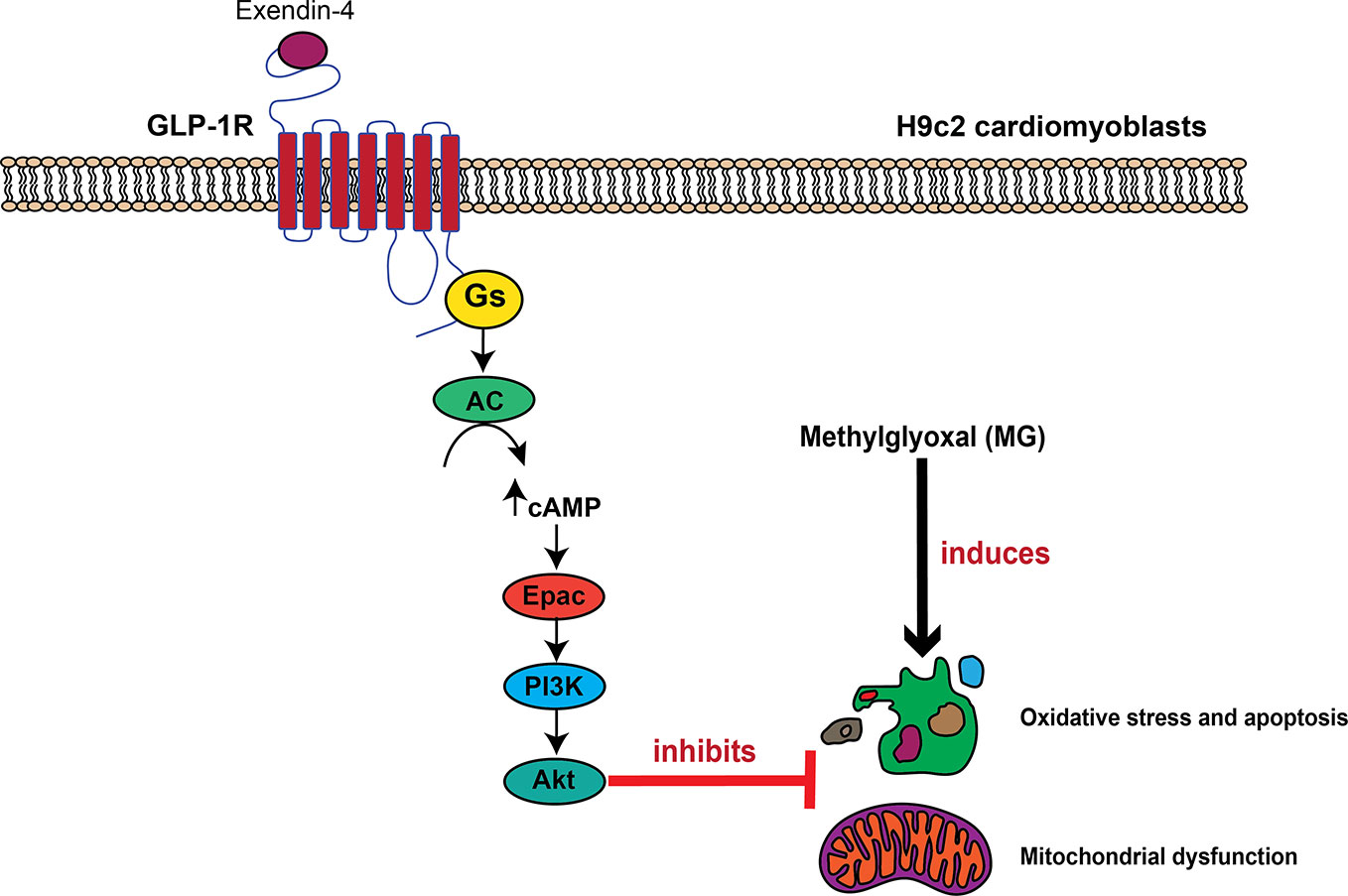
GLP-1 has been shown to improve mitochondrial function, reducing oxidative stress and attenuating chronic inflammation. Additionally, GLP-1 modulates nutrient-sensing pathways and metabolic processes, improving cellular resilience. These effects suggest that GLP-1 may play a crucial role in maintaining mitochondrial function and reducing oxidative stress.