Unlocking the Power of GLP-1 Receptor Activation: A Comprehensive Overview
The glucagon-like peptide-1 (GLP-1) receptor has been at the forefront of groundbreaking research in the field of endocrinology. As a vital component of the G protein-coupled receptor (GPCR) family, the GLP-1 receptor plays a pivotal role in regulating glucose homeostasis, appetite, and digestion. Over the past decade, the understanding of GLP-1 receptor activation has evolved significantly, leading to the development of novel therapeutic agents for the treatment of type 2 diabetes, obesity, and other metabolic disorders. In this article, we will delve into the intricacies of GLP-1 receptor activation, exploring its mechanisms, effects, and future directions.
The Structure and Function of the GLP-1 Receptor

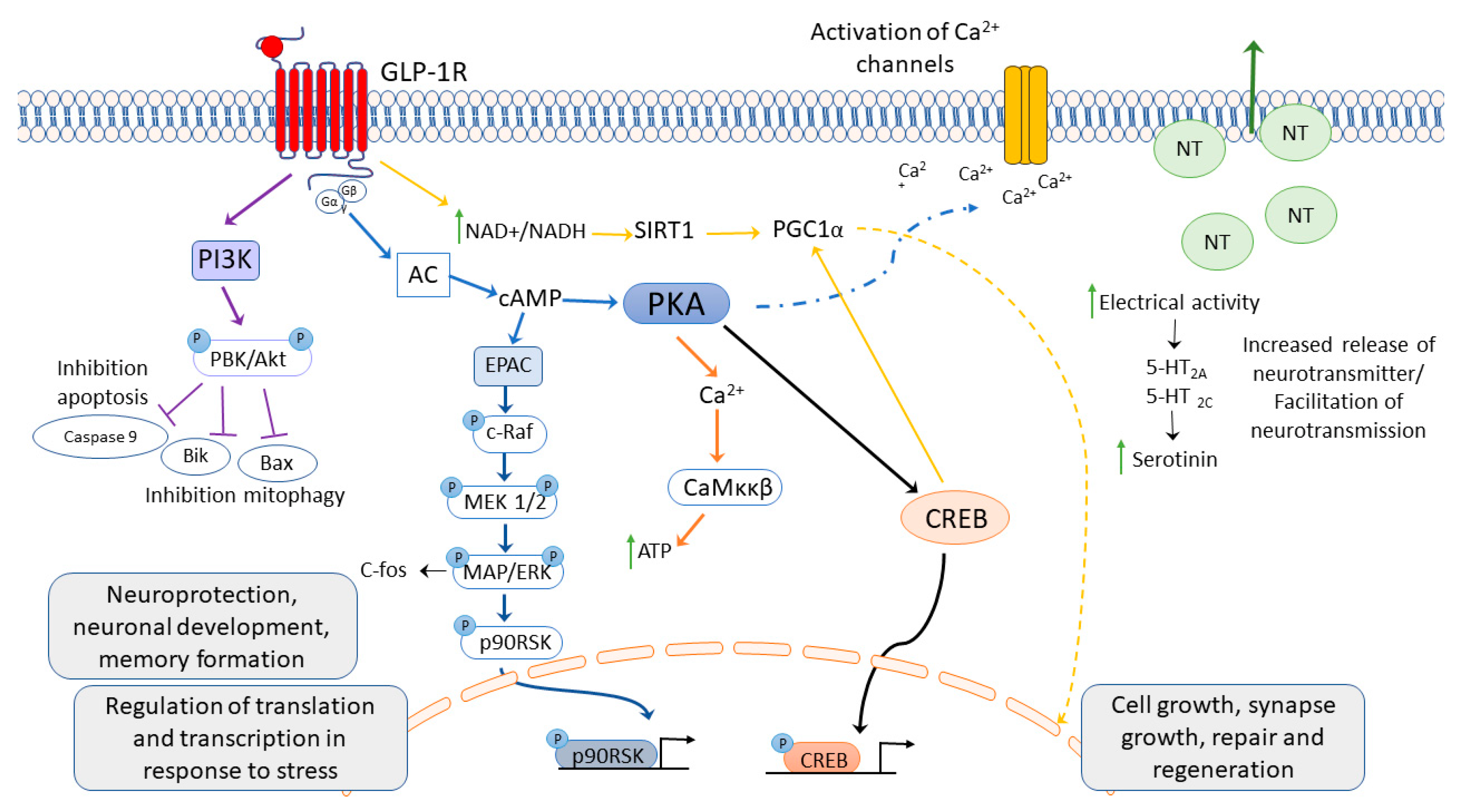
The GLP-1 receptor is a transmembrane protein composed of seven alpha-helical transmembrane domains (TM1-TM7), an extracellular N-terminus, and an intracellular C-terminus. It belongs to the class B family of GPCRs, also known as secretin-likereceptors. The receptor's structure allows it to bind to various ligands, including the endogenous GLP-1 hormone, which plays a crucial role in regulating glucose metabolism.
- GLP-1 acts to promote DNA synthesis and inhibit potassium channels through transactivation of the epidermal growth factorreceptor, leading to activation of phosphatidylinositol 3-kinase (PI3K)
- The GLP-1 receptor is primarily coupled with Gs proteins, which activate adenylyl cyclase, leading to increased cyclic AMP levels and downstream signaling molecules