Environmental Mold Remediation: A Comprehensive Guide
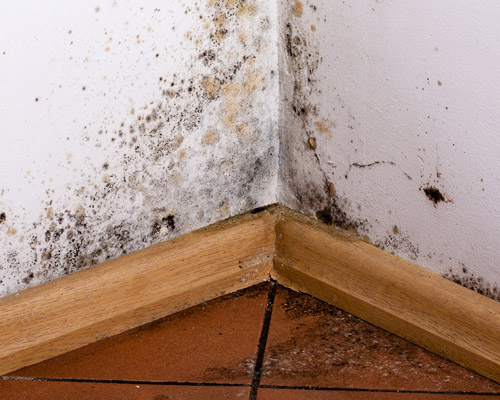
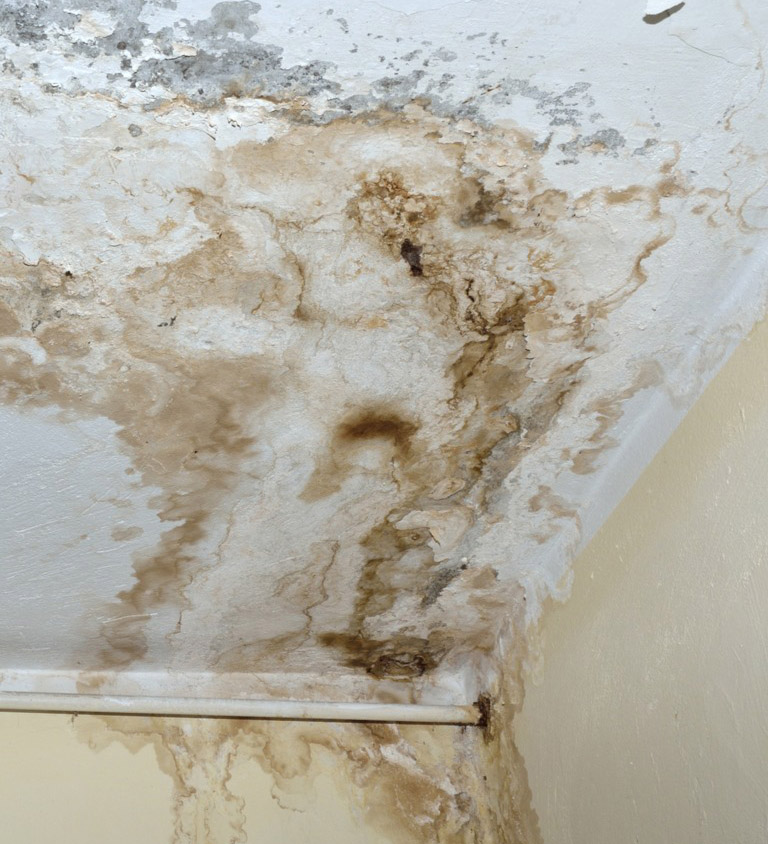
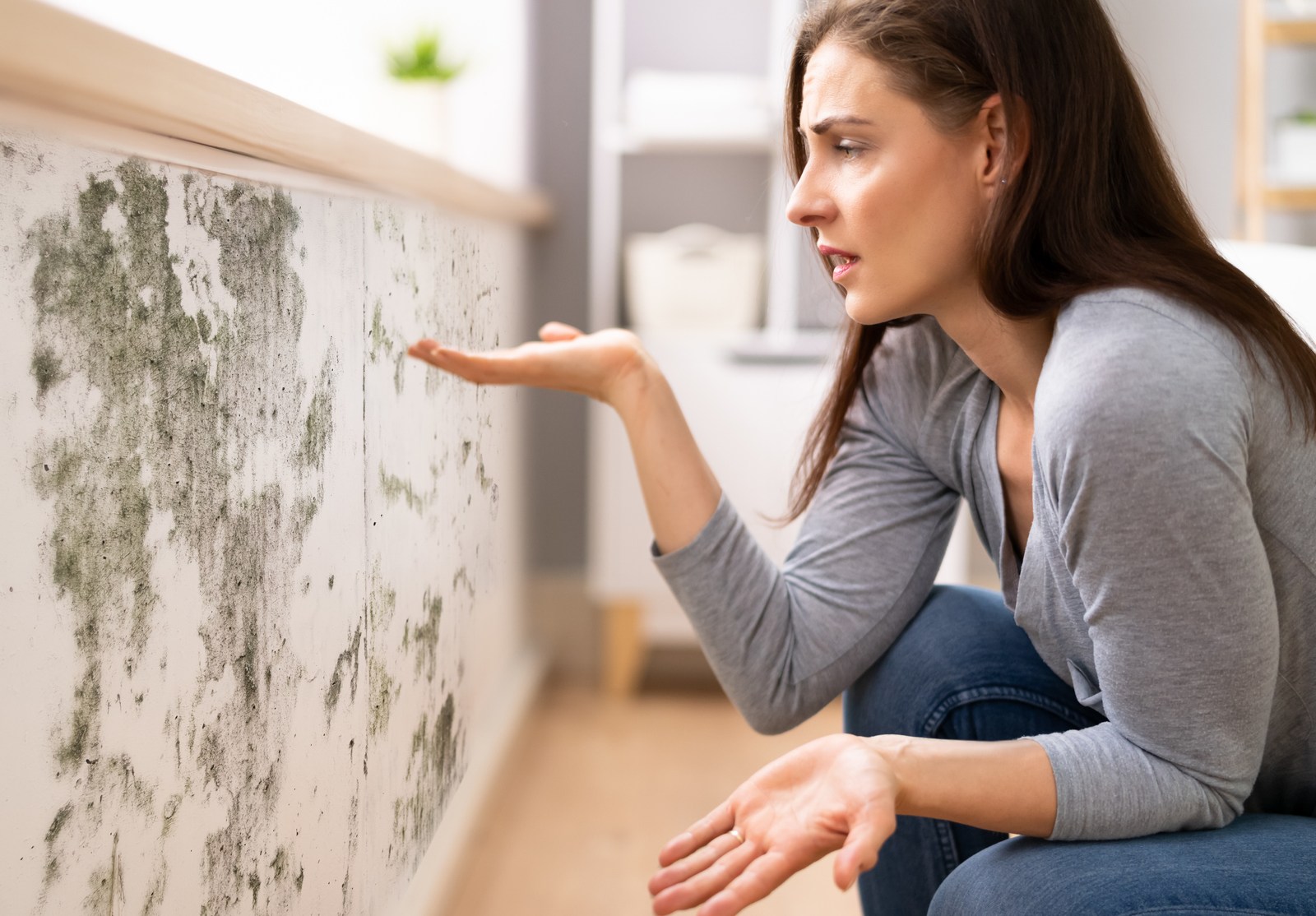
Have you recently discovered mold growth in your home or commercial building? If so, you may be wondering what steps to take next to ensure the health and safety of your occupants. Mold remediation is a complex process that requires careful consideration of various factors, including the type and extent of mold growth, the materials affected, and any potential health risks.
Understanding Mold Remediation
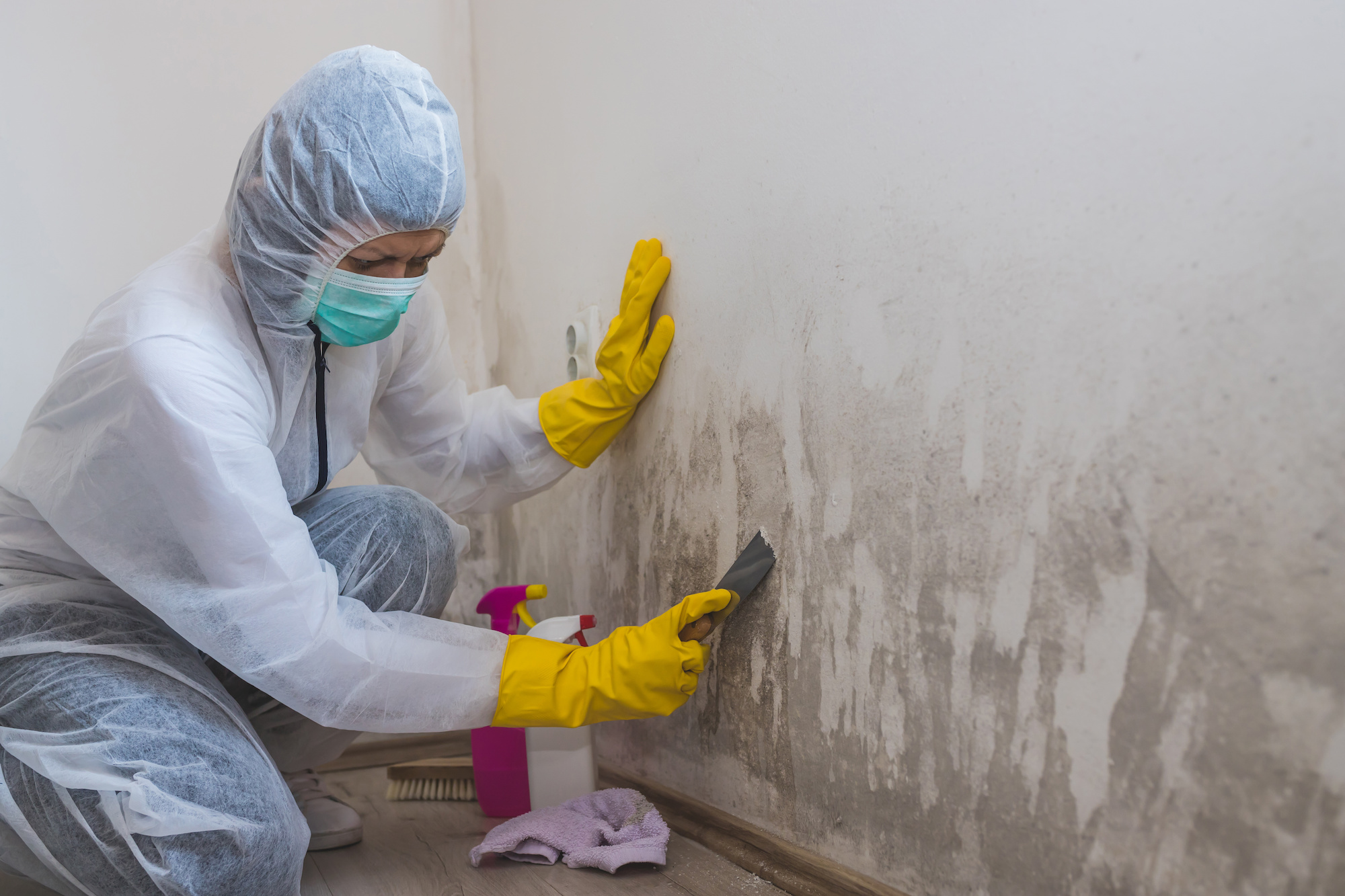
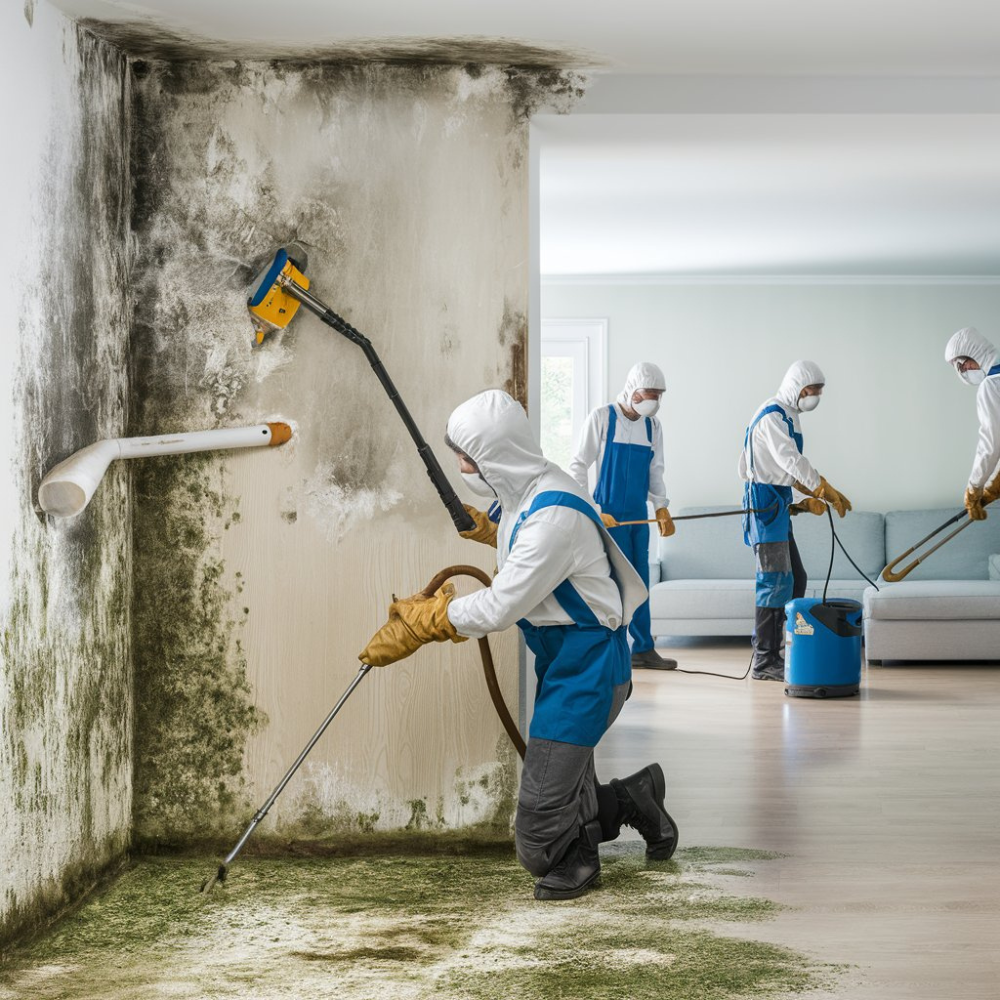
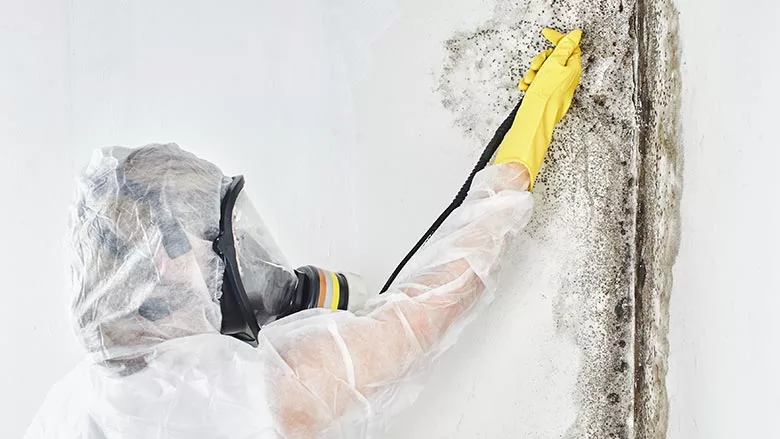
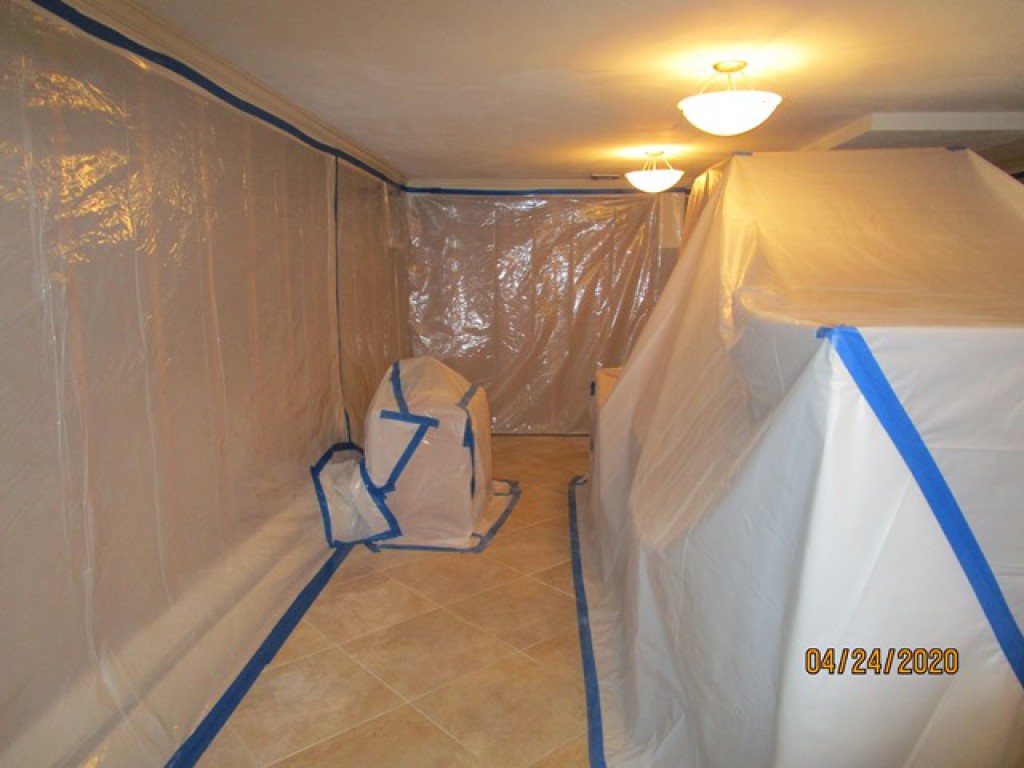
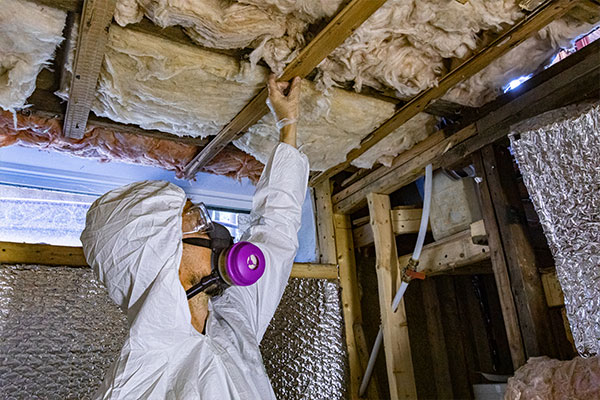
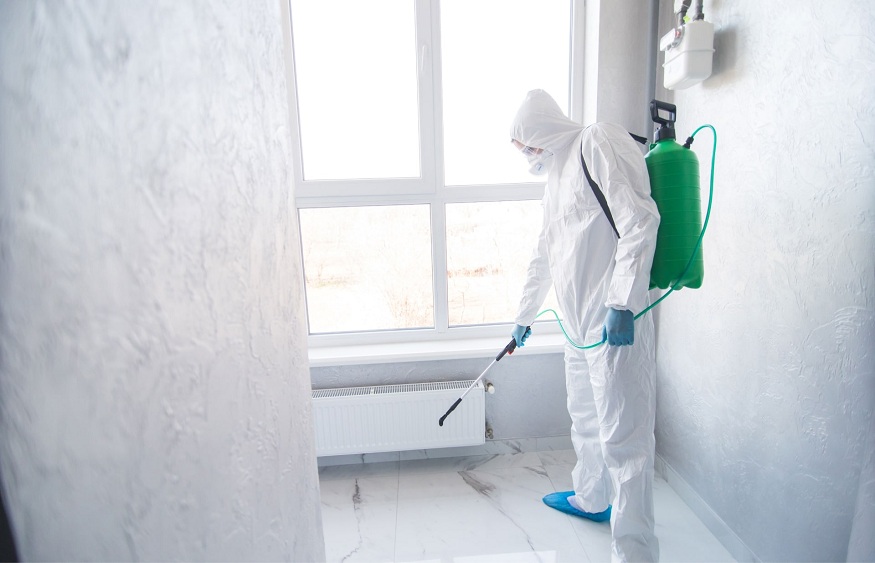
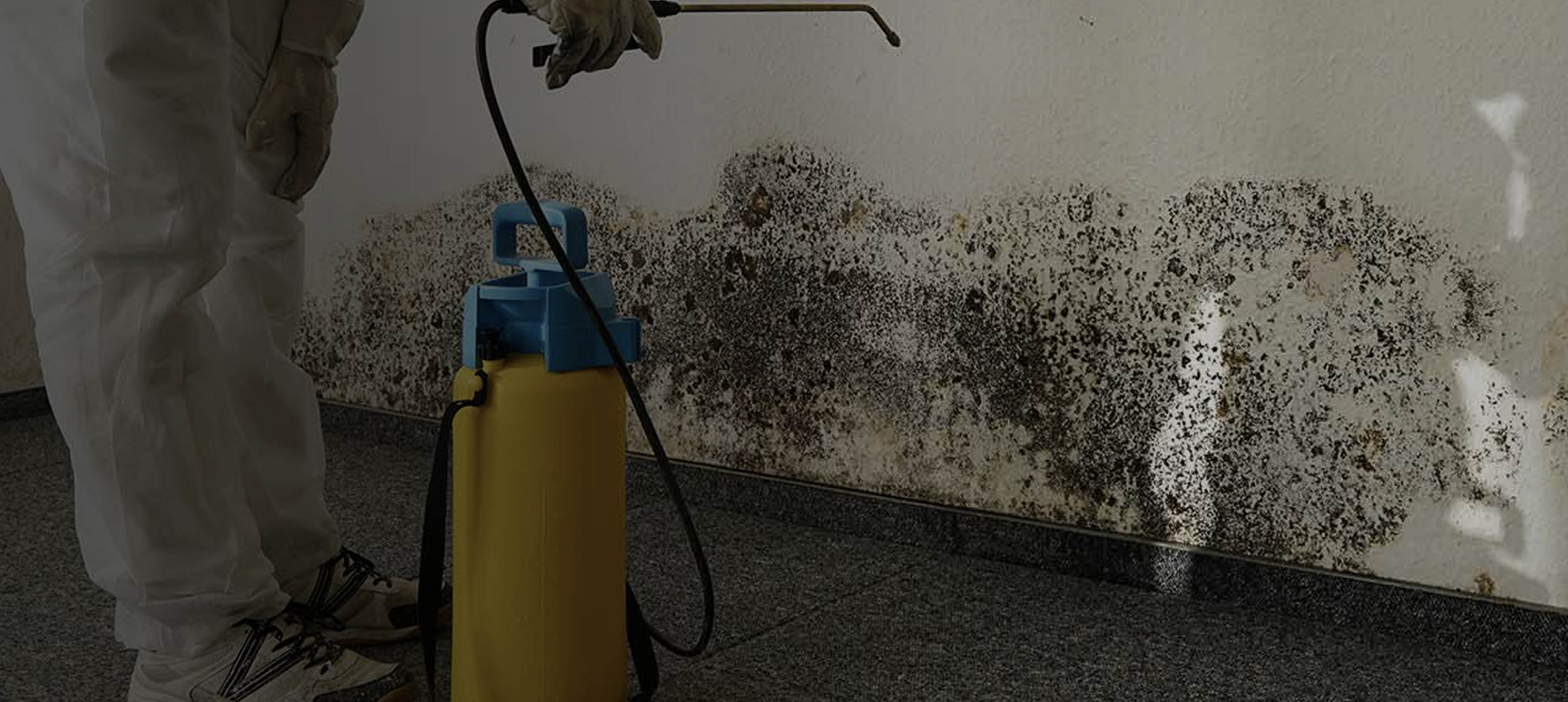
Mold remediation is the process of removing or cleaning mold growth from a building or structure. This involves identifying and eliminating the underlying moisture source that allowed the mold to grow, as well as removing or replacing contaminated materials. Effective mold remediation requires a thorough understanding of mold biology, the building's construction and design, and the materials used in the building.
Environmental Impacts of Mold Growth
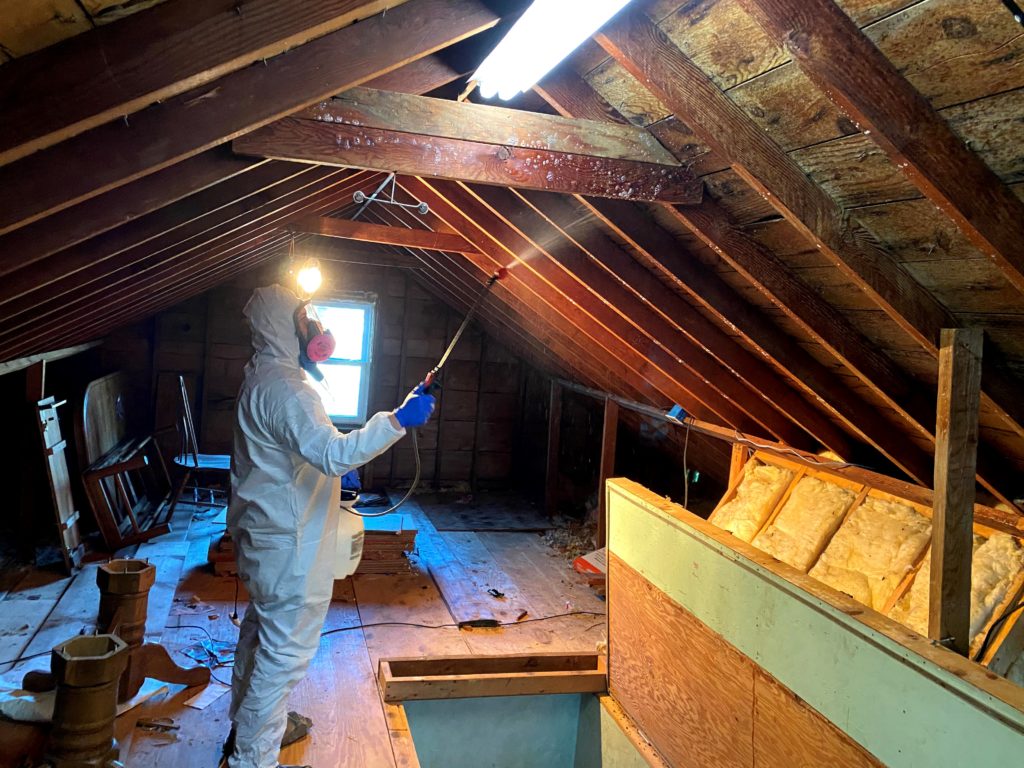
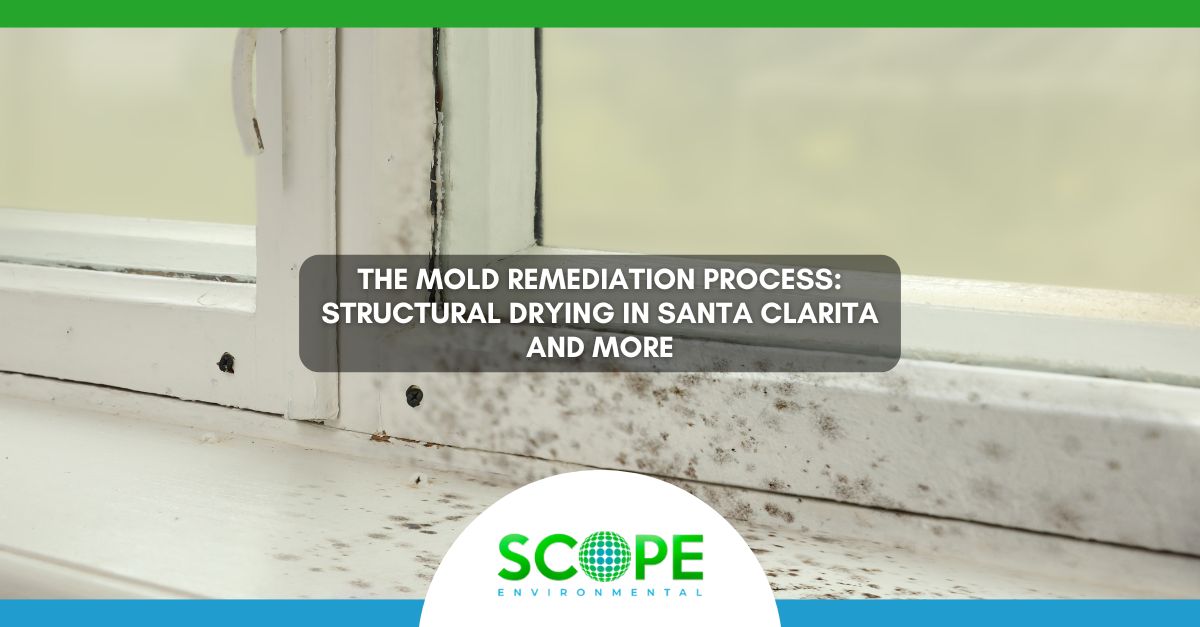
While mold growth may seem like a minor issue, it can have significant environmental impacts. Untreated mold can release spores into the air, contaminating nearby surfaces and potentially affecting occupants' health. Mold remediation not only improves indoor air quality but also helps to prevent long-term structural damage to the building. Moreover, proper waste management and chemical use can minimize environmental footprints during the remediation process.