Unlocking Maximal Performance: A Brain-Based Approach to Prioritize Tasks
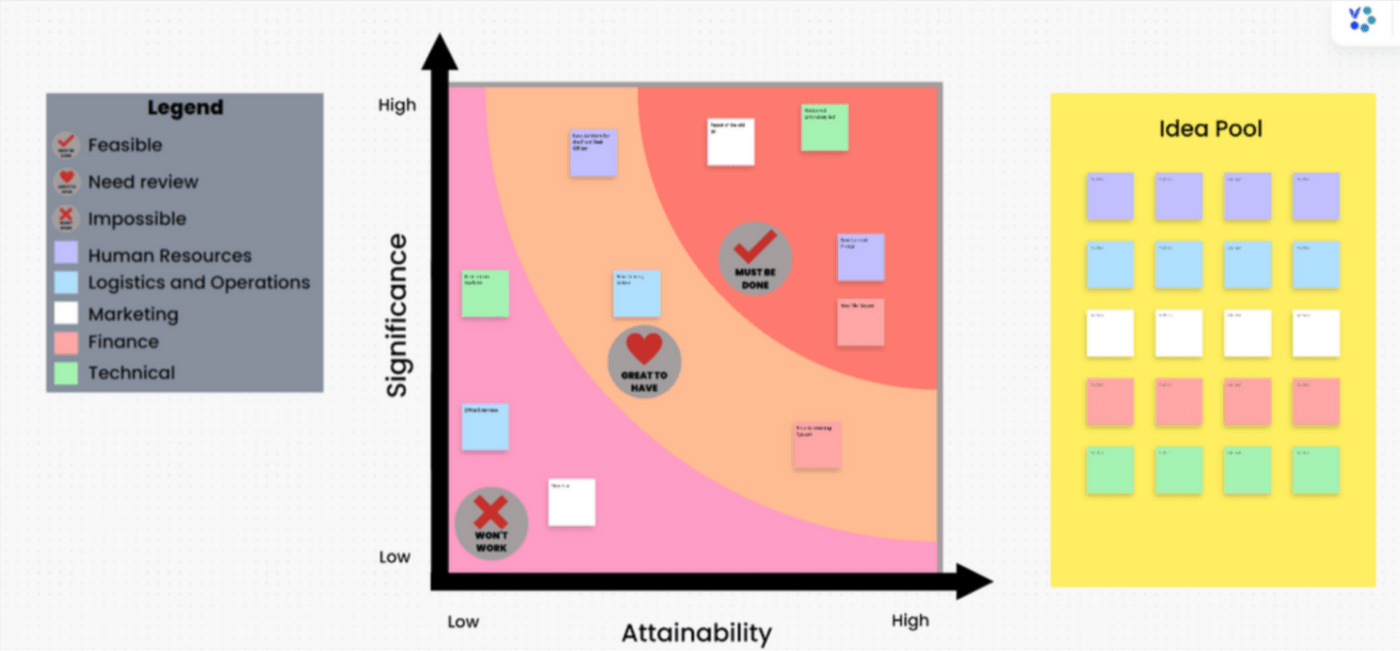
In today's fast-paced work environments, staying focused and attaining maximum productivity is crucial for success. While traditional task management methods emphasis time management and prioritization, they often neglect the individual's cognitive state. That's where a brain-based approach to prioritize tasks comes in – leveraging neuroscience to optimize workflow and achieve peak performance.
The Limitations of Traditional Productivity Models
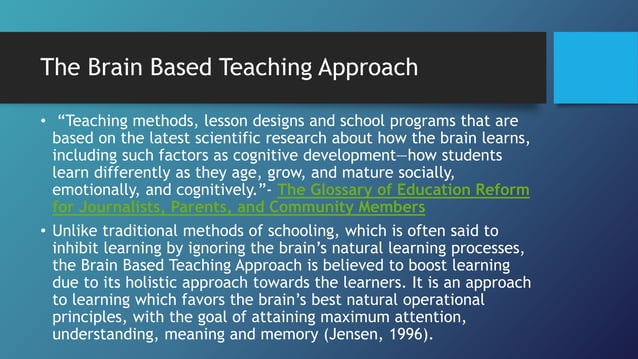
For years, traditional productivity models focused on time management, task prioritization, and process optimization. However, these approaches largely ignore the individual employee and their cognitive state. Neuroscience, by contrast, offers critical insights into how the brain works – examining its biological limitations, processing power, and response to different stimuli.
A Brain-Based Approach to Prioritize Tasks

By understanding how the brain functions, we can develop more effective strategies for task management. Inbrain performance-based task management, we introduce four "braincost" axes: Cognitive Load, Executive Control, Attention, and Memory. These axes help measure the burden of different tasks on the brain, enabling us to prioritize tasks more effectively.
Understanding Brain Cost and Brain Reward
Brain cost refers to the resources required by the brain to complete a task, while brain reward represents the satisfaction and motivation derived from task completion. By balancing brain cost and reward, we can optimize task prioritization and maximize performance. For instance, tasks that require high cognitive load may be assigned a higher brain cost, while tasks that trigger high brain reward may be prioritized sooner.