Carbon Offset Project Evaluation: A Comprehensive Guide
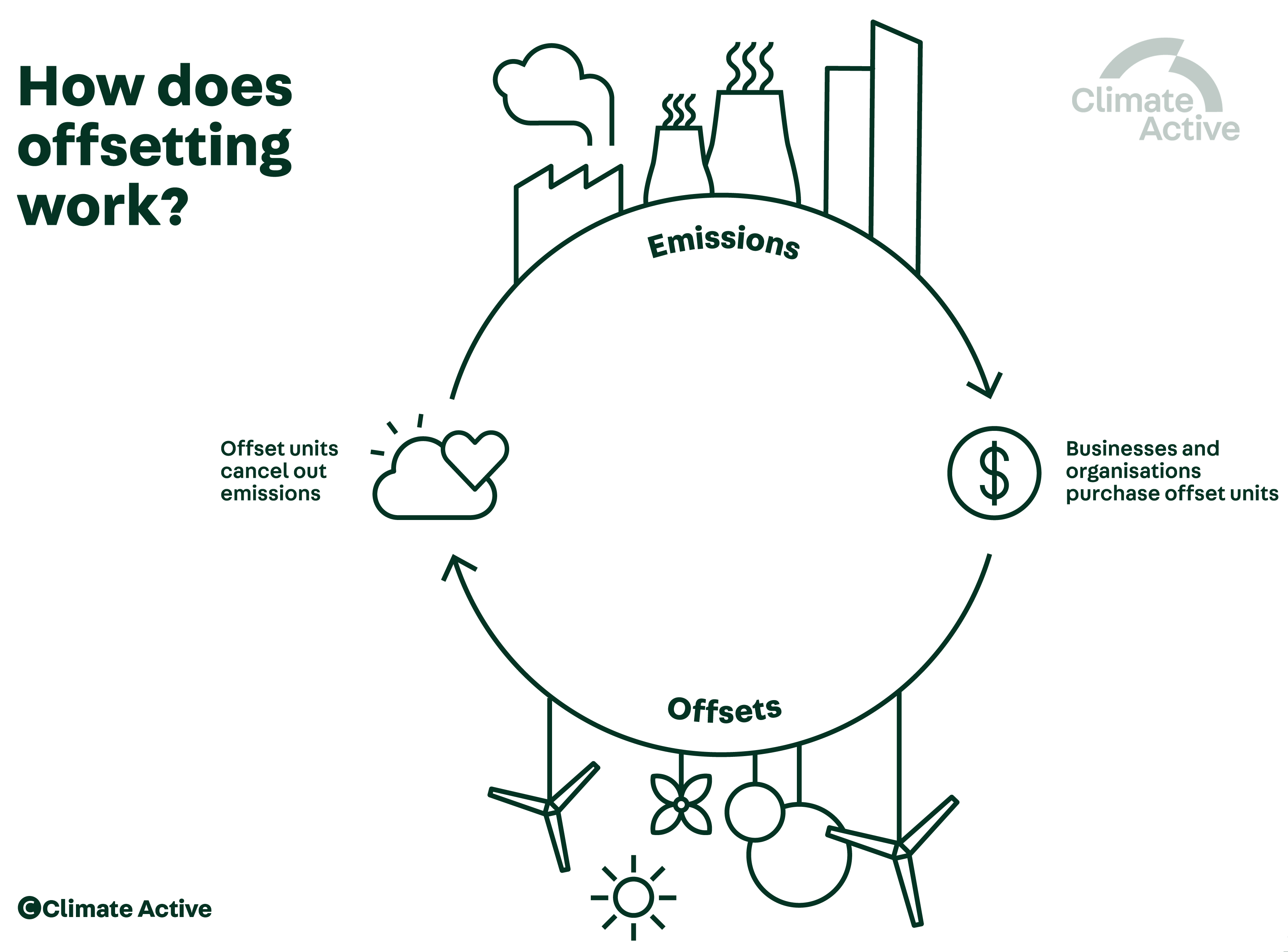
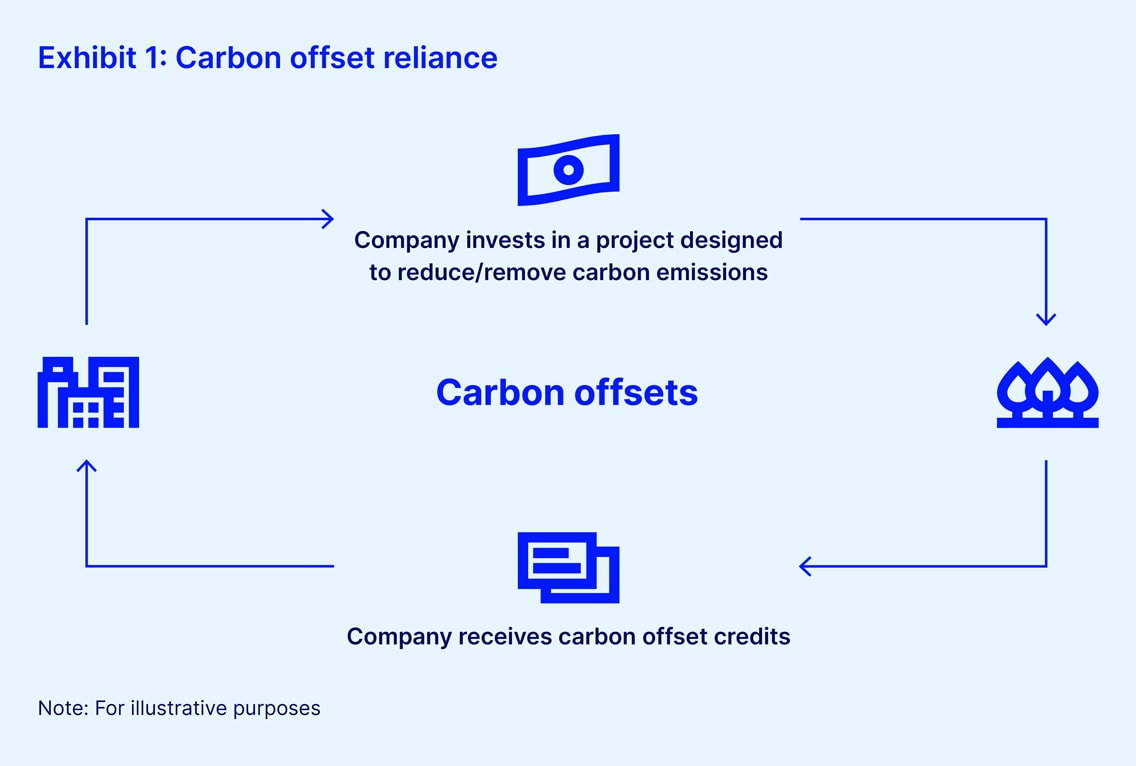
In the quest to mitigate climate change, carbon offset projects have emerged as a popular solution for businesses and individuals aiming to reduce their carbon footprint. However, not all carbon offset projects yield the same benefits. Evaluating these projects requires a comprehensive understanding of their methodologies, transparency, and effectiveness.
What is Carbon Offset Project Evaluation?
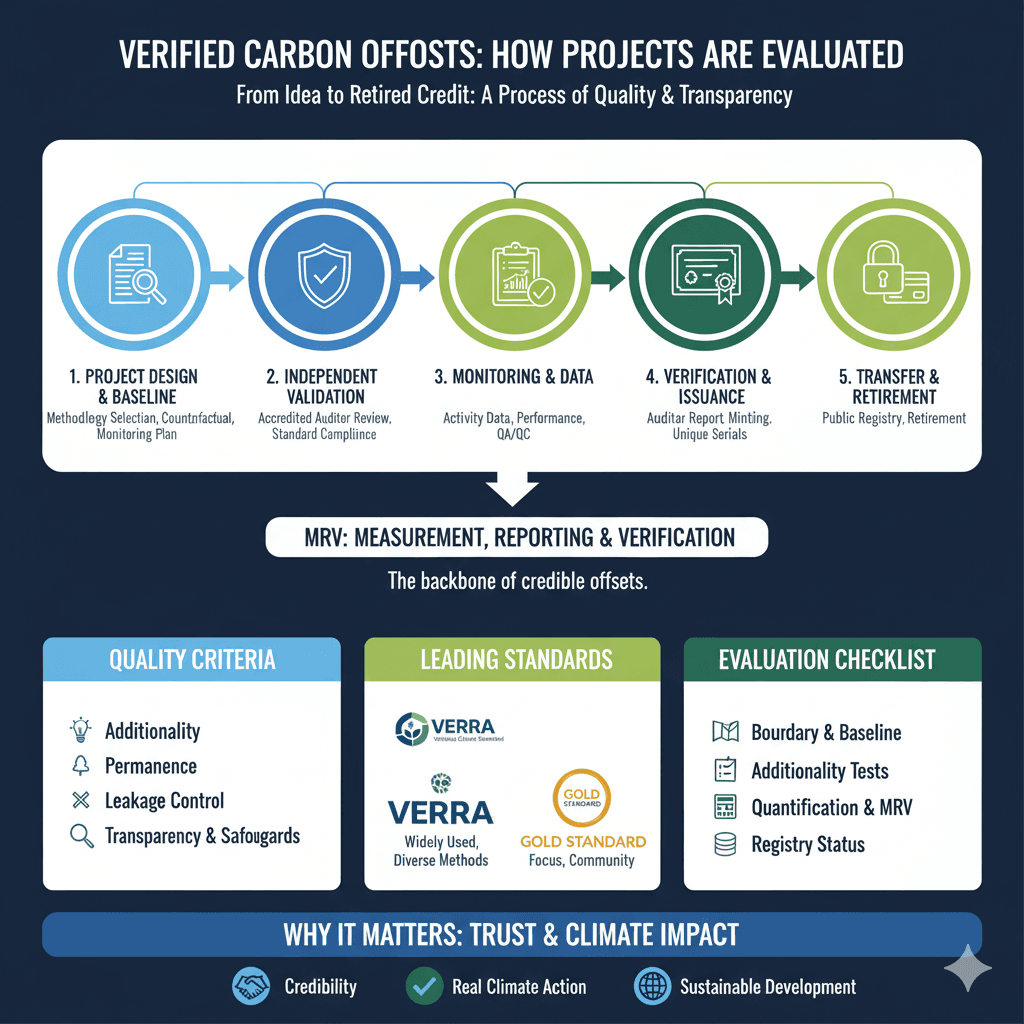
Carbon offset project evaluation is the process of assessing the quality and impact of carbon offset projects. This involves evaluating the project's additionality, permanence, leakage, and other key factors to ensure that it meets the required standards and delivers real environmental and social benefits.
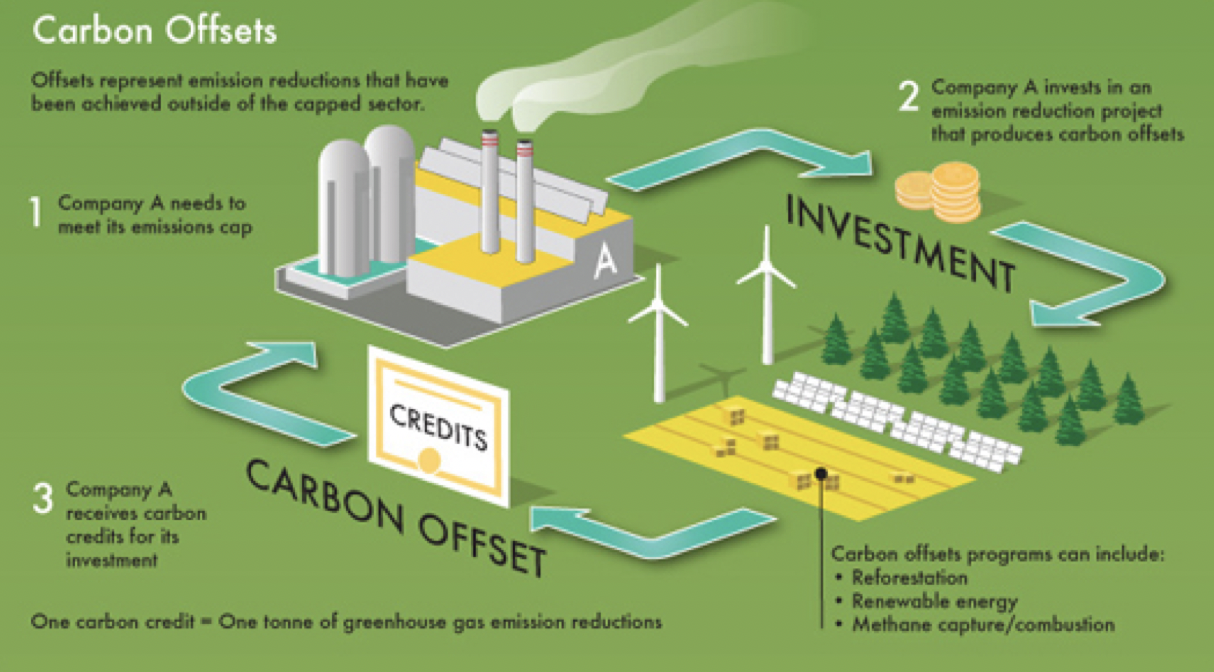
Key Factors in Carbon Offset Project Evaluation
- Adding value to carbon credits through transparent and reliable methodologies
- Ensuring additionality, which means that the project would not have happened without the carbon credits
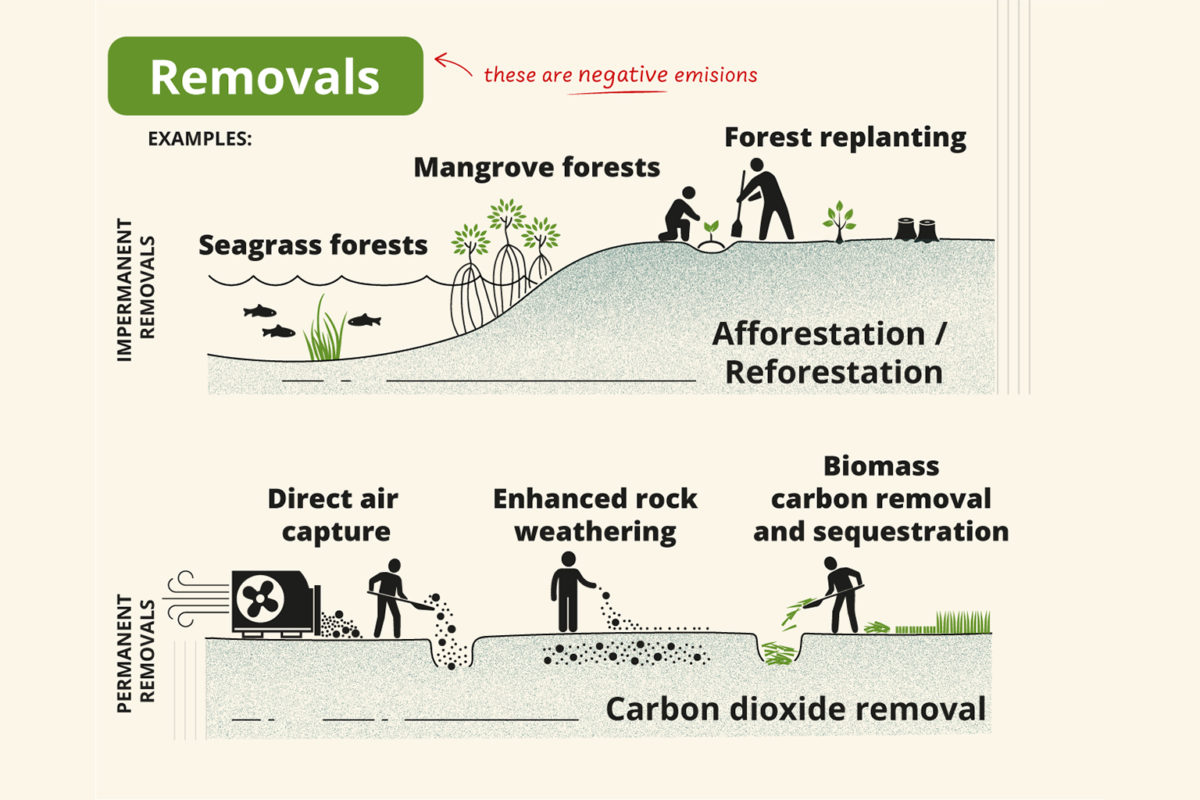
- Verifying permanence, which means that the project's carbon reductions are permanent and will not be reversed
- Assessing leakage, which means that the project's carbon reductions are not offset by increases in greenhouse gas emissions elsewhere
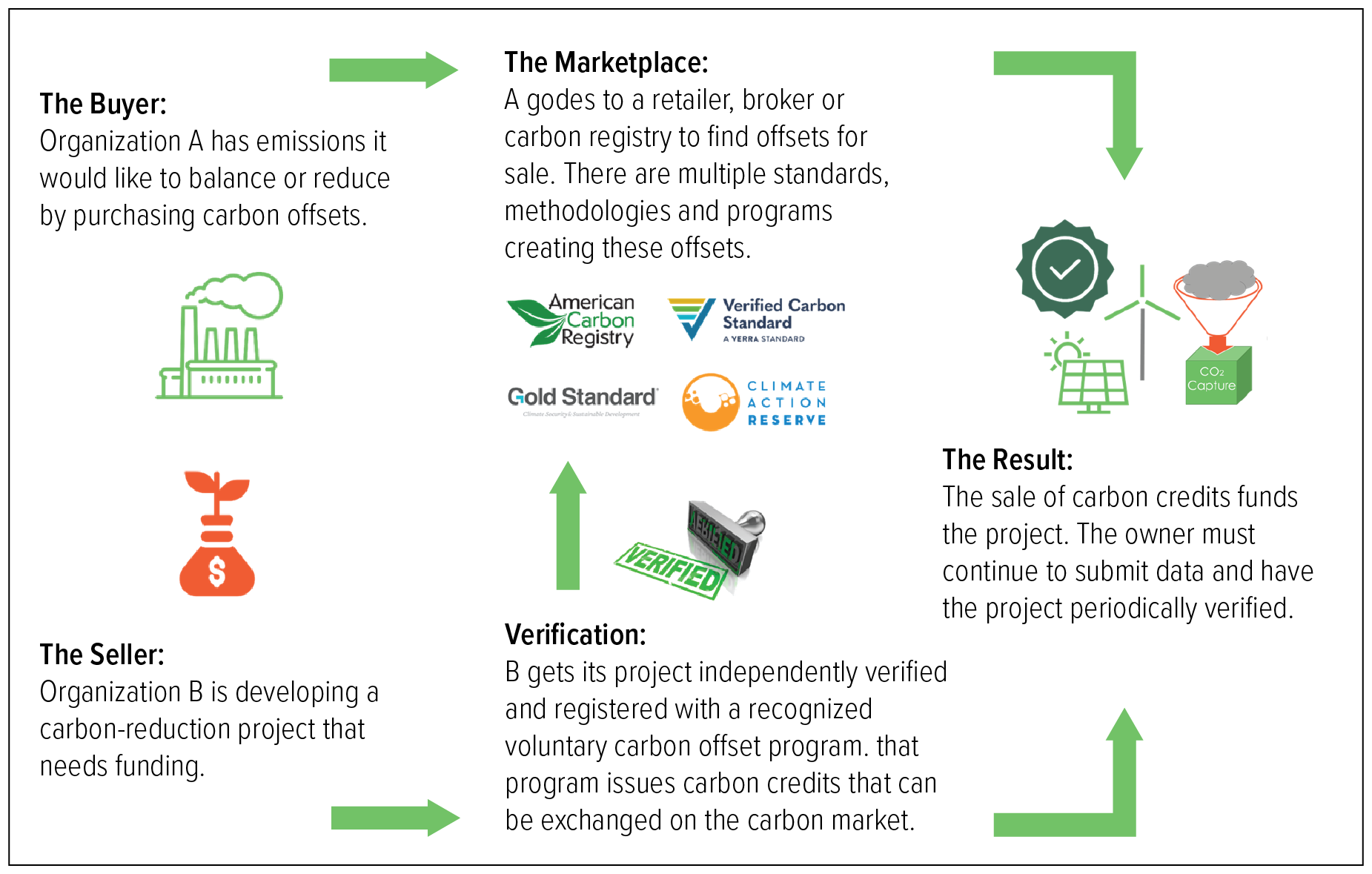
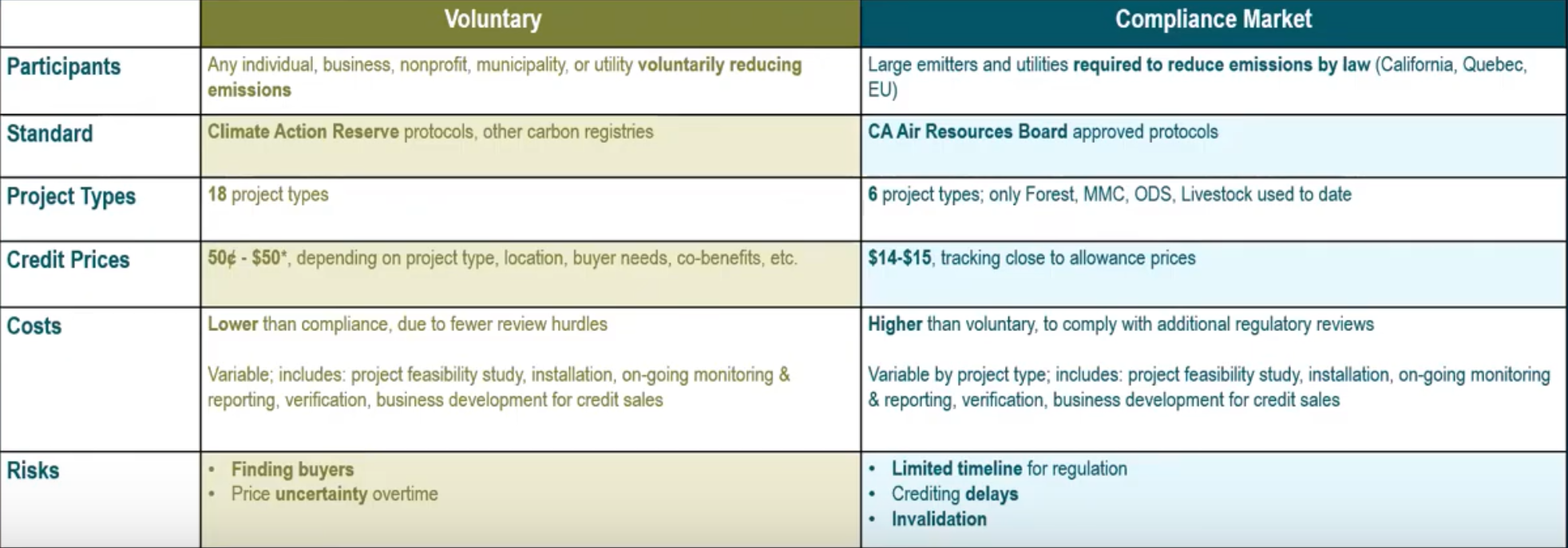
- Registries and standards, such as the Verra Verified Carbon Standard (VCS) and the Gold Standard
- The Oxford Principles, which provide a framework for evaluating carbon offset projects











.jpg.webp?itok=LhZCG_uC "Emissions trading - Wikipedia")