GLP-1 and Mindful Eating for Stress Reduction: A Winning Combination
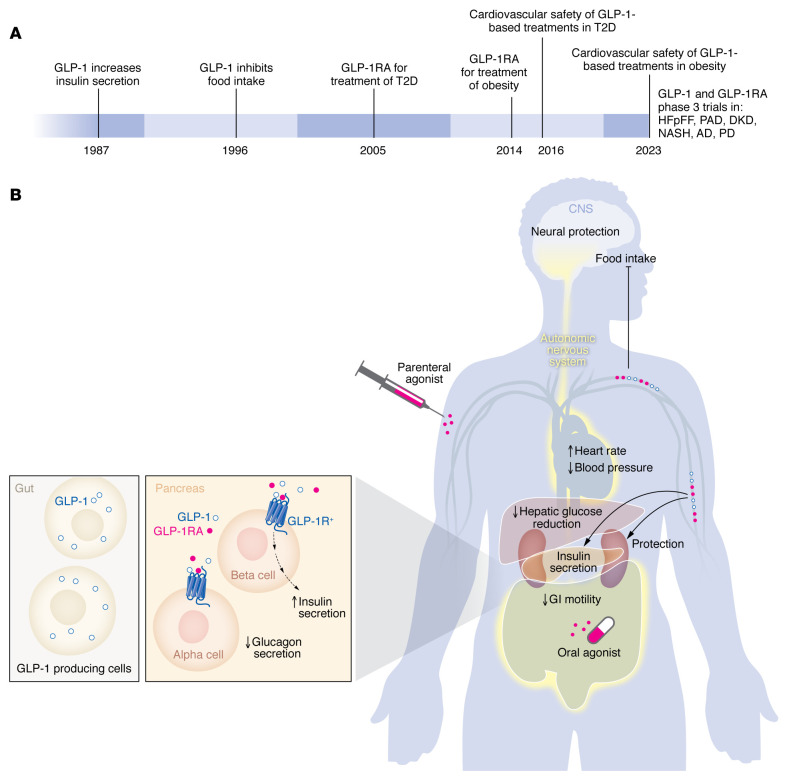
The relationship between glucagon-like peptide-1 (GLP-1) and mindful eating has been gaining attention in recent years, particularly in the context of stress reduction and weight management. GLP-1, a hormone naturally produced in the gut, plays a crucial role in regulating appetite and blood sugar levels. Meanwhile, mindful eating practices involve paying attention to hunger cues, savoring food, and eating slowly. When combined, GLP-1 and mindful eating can create a powerful synergy that addresses both the physiological and psychological aspects of eating behavior.
AStructured Approach to Mindful Eating
Practicing mindful eating involves tuning into true hunger cues, eating slowly, and honoring fullness. This approach can help prevent disordered eating patterns and promote a sense of control and balance. By paying attention to physical and emotional sensations associated with hunger and fullness, individuals can develop a healthier relationship with food and reduce the likelihood of emotional eating.

The Role of GLP-1 in Stress Reduction
GLP-1 medications have been shown to modulate stress-related eating behaviors, offering an additional layer of appetite control. These medications can help reduce food noise, or the constant mental chatter about food and eating, which can contribute to stress and emotional eating. Studies suggest that GLP-1 can also influence reward pathways and emotional regulation centers in the brain, leading to improved mood and reduced anxiety around food.