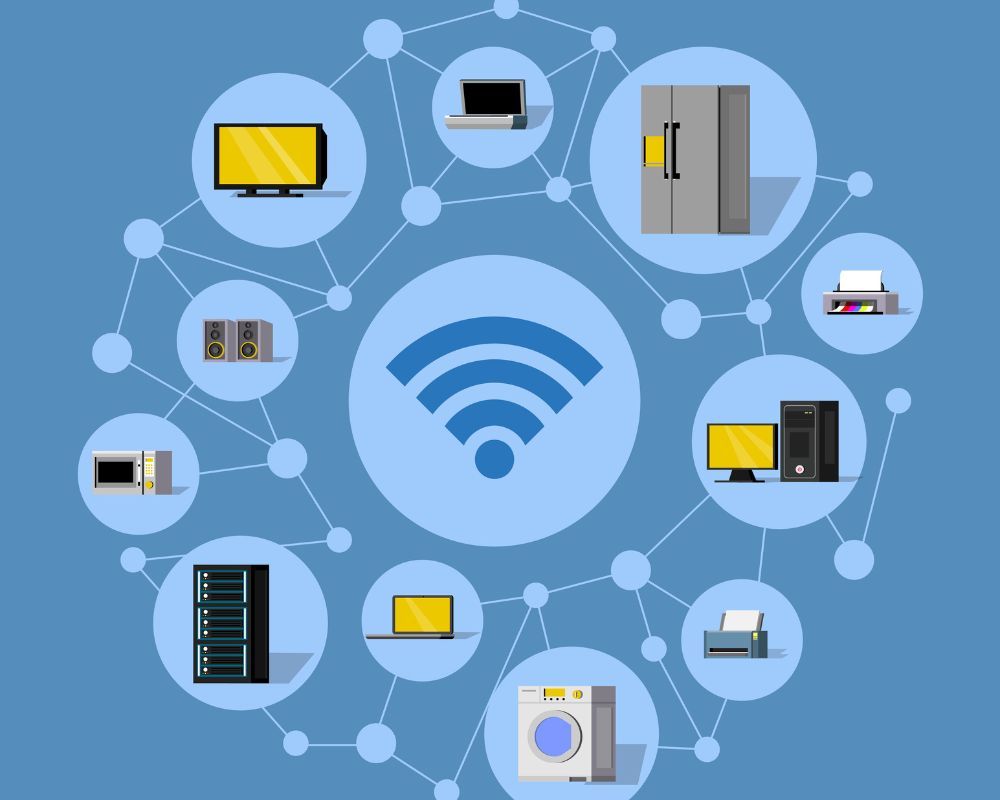
Optimizing Wireless Network Settings for IoT Devices: A Comprehensive Guide
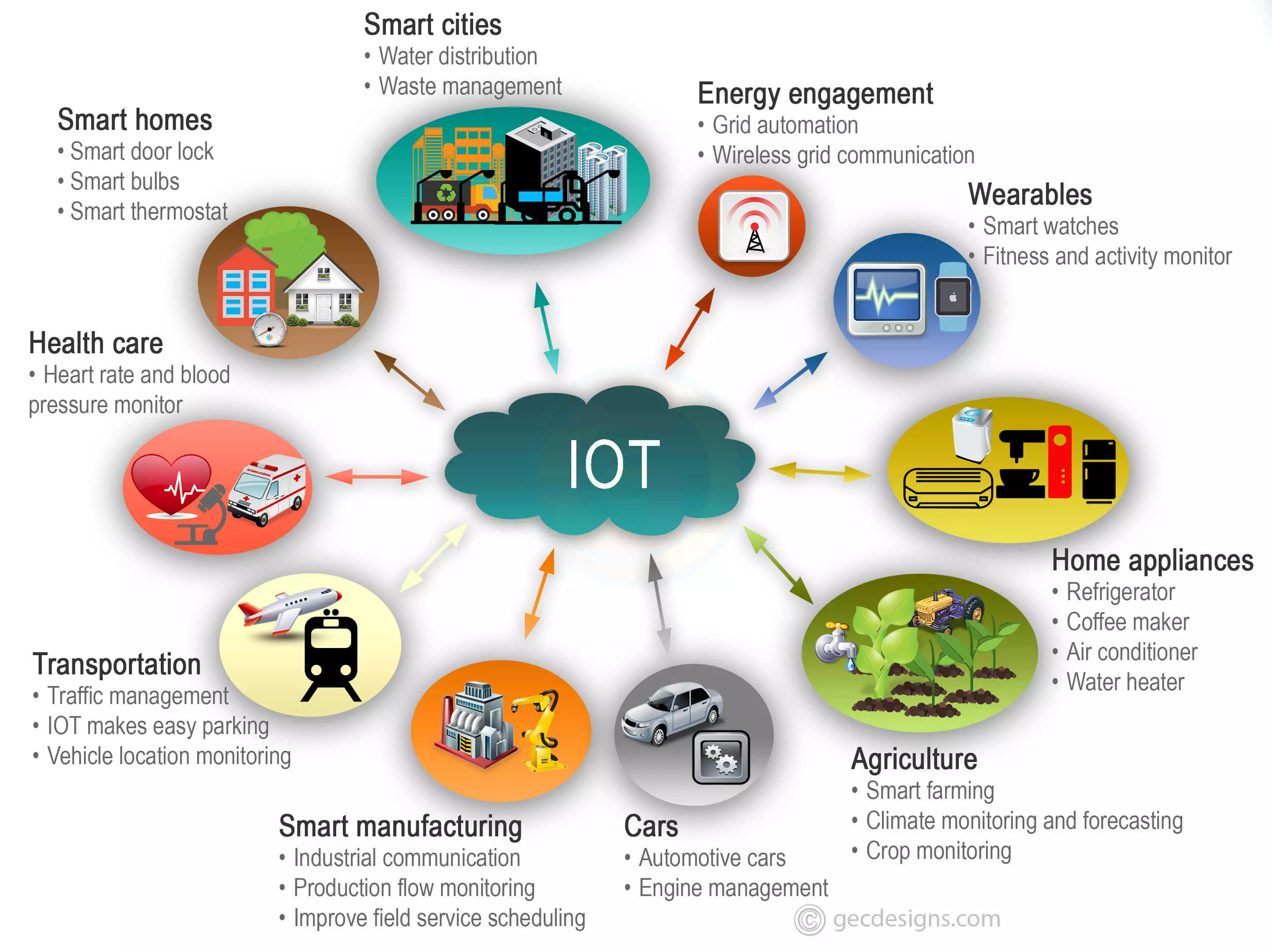
IoT (Internet of Things) devices have revolutionized the way we live and work, making our lives more convenient and connected. However, with the increasing number of IoT devices, ensuring a reliable and secure wireless network has become a top priority. In this article, we will discuss the importance of wireless network settings for IoT devices and provide a comprehensive guide on how to optimize them for a seamless connectivity experience.
Wireless Network Settings for IoT Devices: What's at Stake?
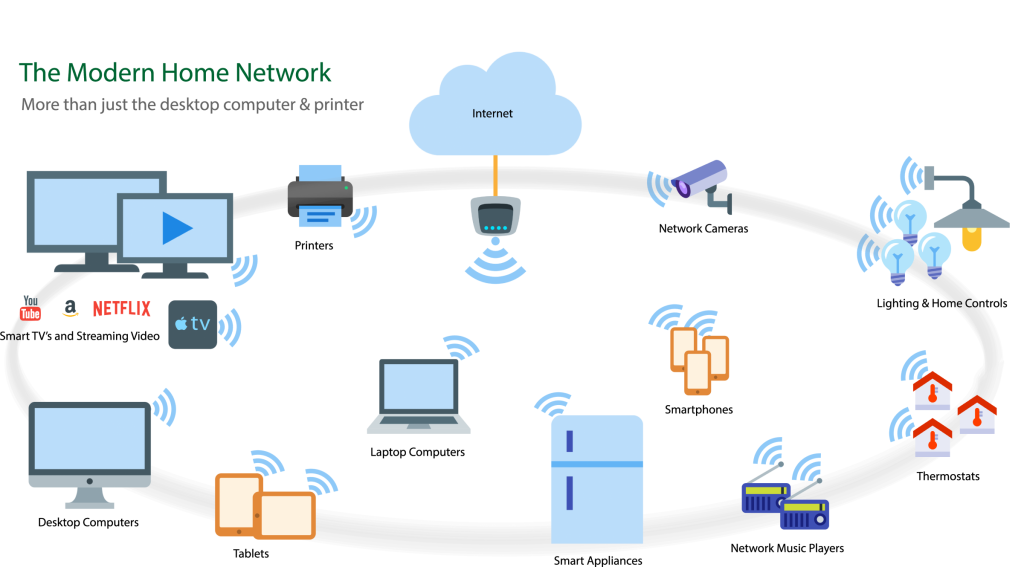
IoT devices often come with unique wireless network settings that can be challenging to change, making it essential to configure them to work seamlessly with the home network. Failure to do so can lead to connectivity issues, device malfunctions, and even security breaches. In this article, we will explore the key wireless network settings for IoT devices and provide tips on how to optimize them for optimal performance.
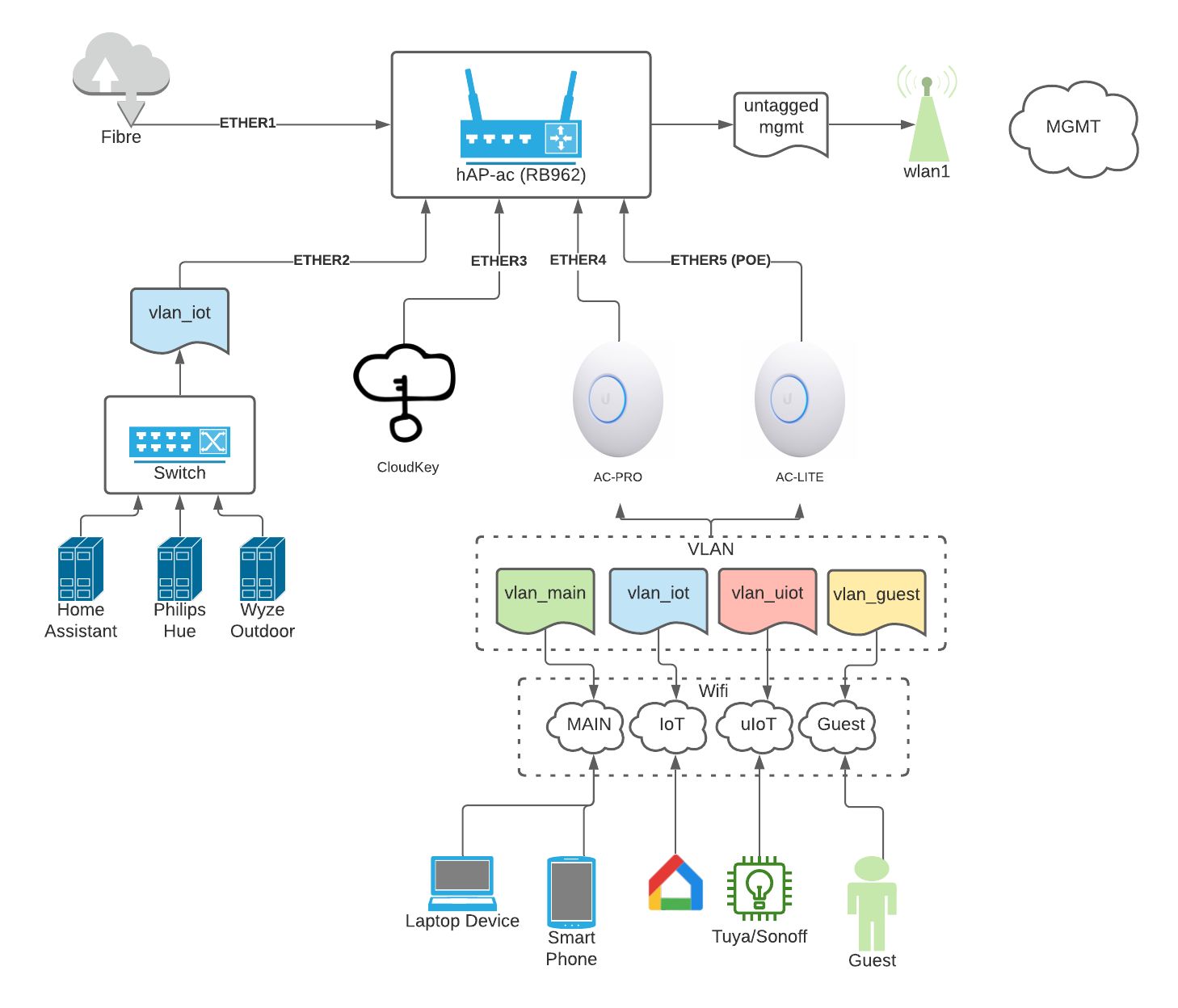
Understanding Wireless Network Settings for IoT Devices
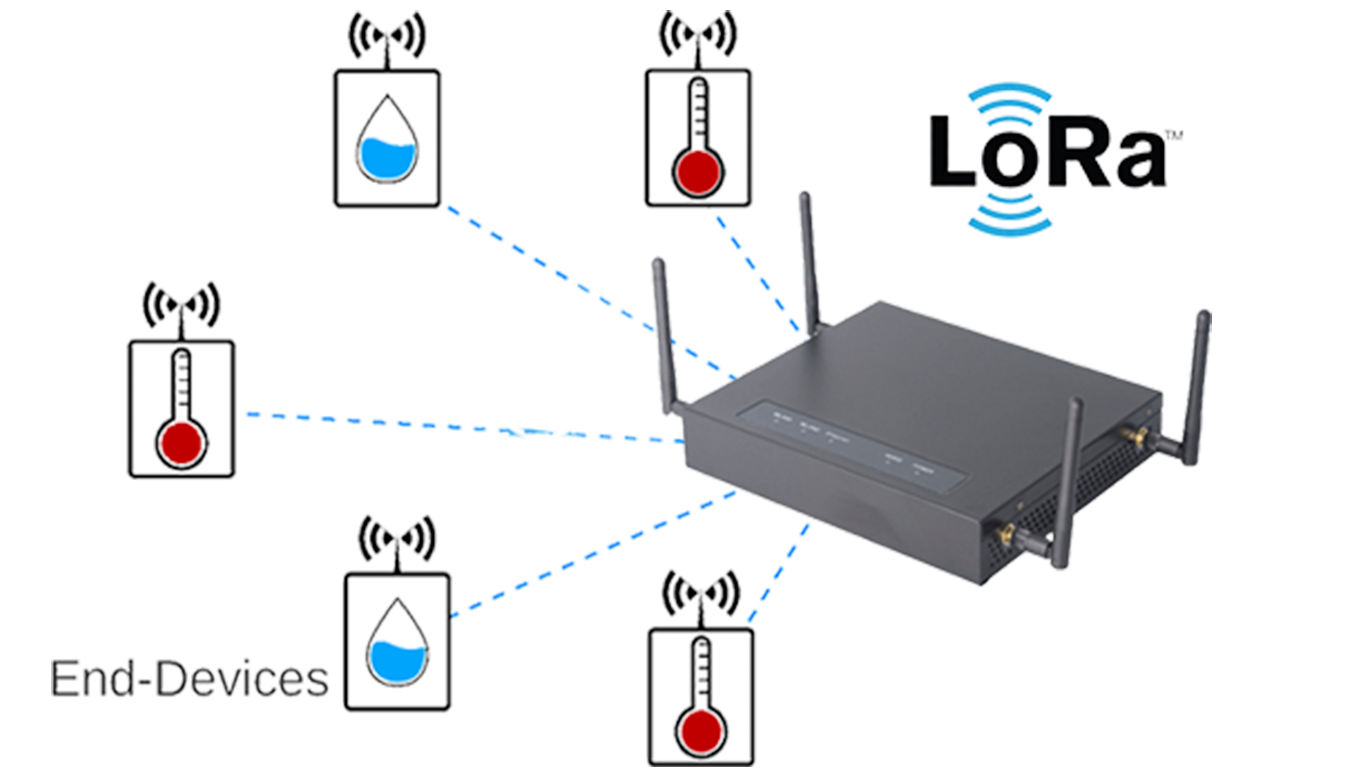
Wireless network settings for IoT devices are critical to ensure that they connect and function efficiently with the home network. Some of the key settings include:
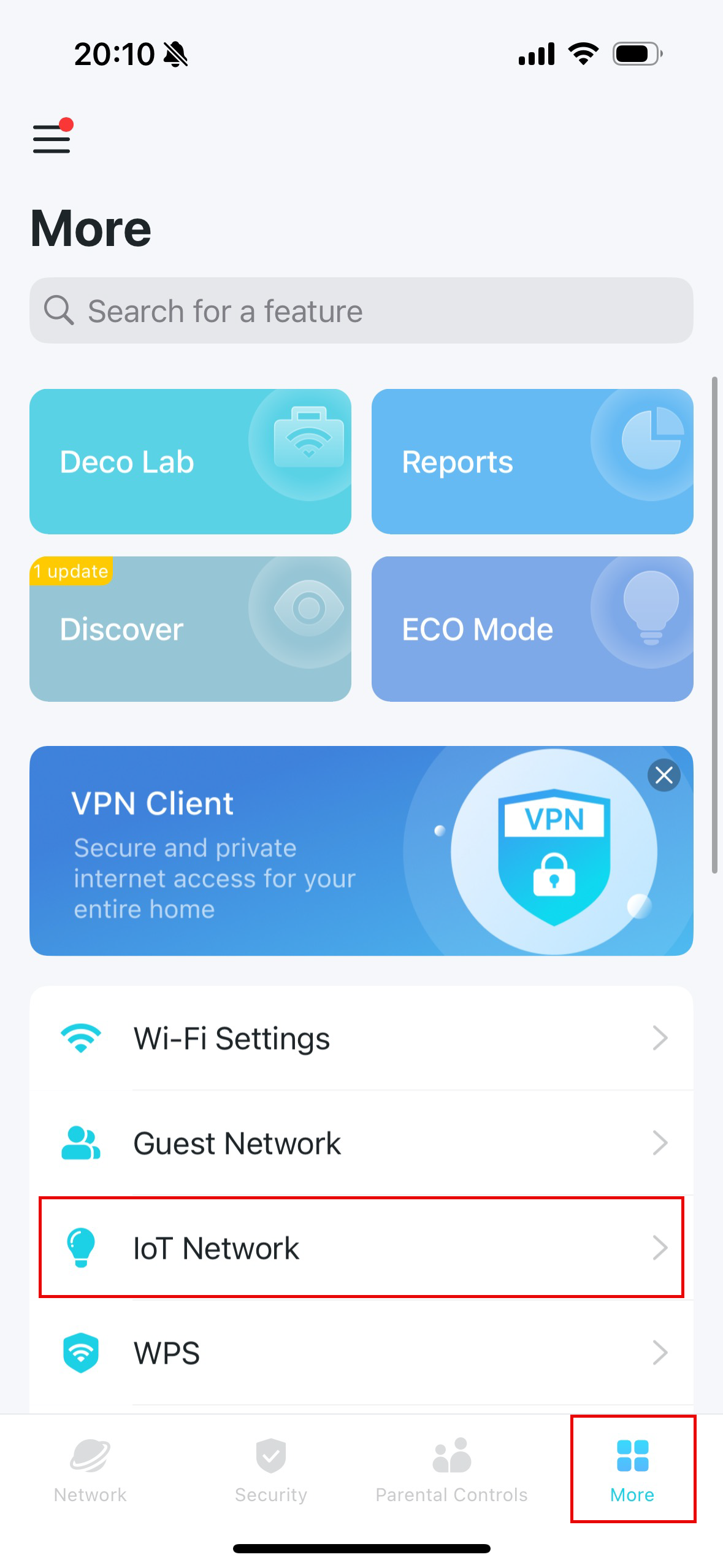
- Frequency band selection: IoT devices often operate on the 2.4GHz frequency band, which can be prone to interference. Disabling Wi-Fi band steering can help ensure that IoT devices connect to the 2.4GHz frequency band specifically.
- Wi-Fi encryption settings: Many IoT devices use lower Wi-Fi encryption standards, such as WEP. Changing the 2.4GHz Wi-Fi mode to 802.11 b/g/n/ax mixed (without BE) and setting the security to WPA2-PSK only can improve security and performance.
- Channel width: IoT devices can benefit from a dedicated wireless network with a wider channel width to improve connectivity and reduce interference.
- Quality of Service (QoS): QoS settings can be adjusted to prioritize IoT device traffic and ensure that critical data is transmitted promptly.