Unlocking the Secrets of L Glutamine and GLP-1: A Game-Changer in Diabetes Management?
When it comes to managing diabetes, researchers and healthcare professionals are constantly on the lookout for innovative ways to improve insulin release and glucose metabolism. One area that has garnered significant attention in recent years is the potential of L glutamine to stimulate glucagon-like peptide-1 (GLP-1) secretion. But what exactly does this mean for individuals with diabetes, and how can L glutamine and GLP-1 work together to optimize glucose control?The Science Behind L Glutamine and GLP-1
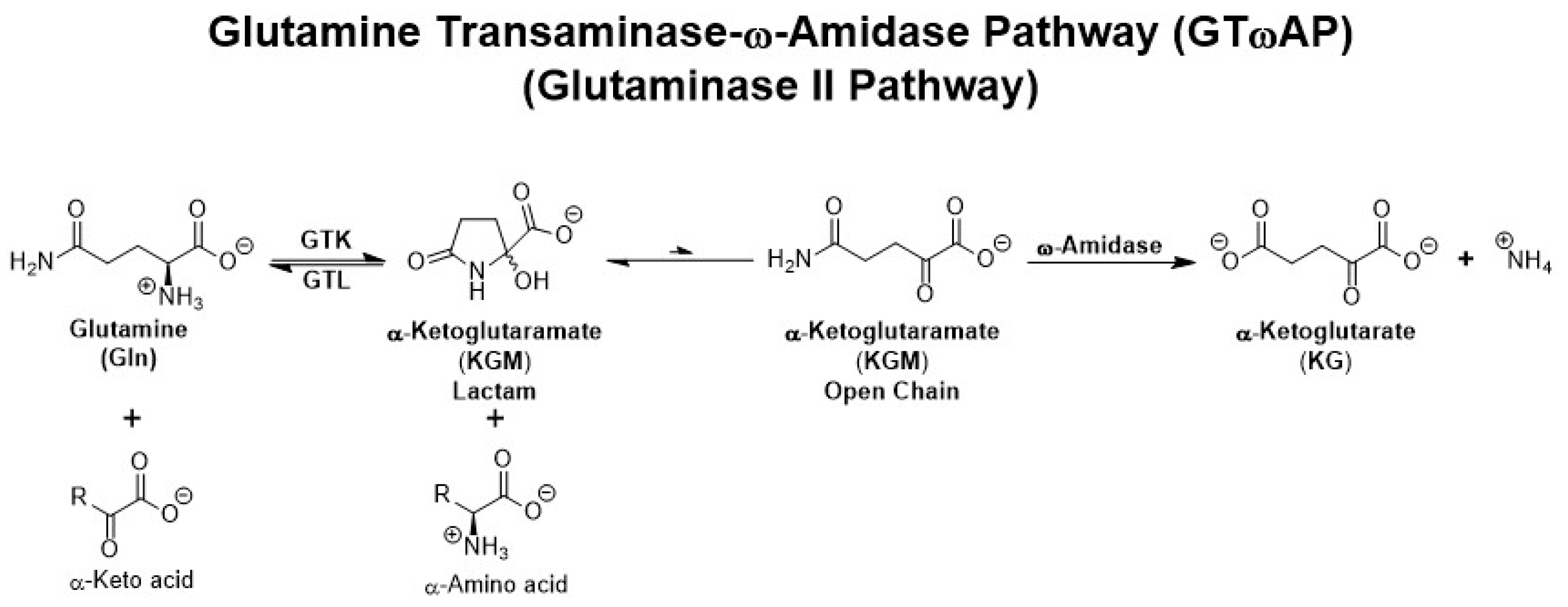
Impaired GLP-1 secretion or response is often associated with ineffective insulin release in type 2 diabetes. However, researchers have discovered that the conditionally-essential amino acid glutamine can stimulate GLP-1 secretion in vitro and in vivo. This means that glutamine has the potential to enhance insulin production and improve glucose metabolism in individuals with diabetes.
How L Glutamine Boosts GLP-1 Secretion

Studies have shown that oral ingestion of L-glutamine increases plasma concentrations of GLP-1 in both healthy individuals and those with type 2 diabetes. This suggests that L glutamine may play a role in regulating GLP-1 secretion, which could have far-reaching implications for diabetes management.
Benefits of Enhanced GLP-1 Secretion
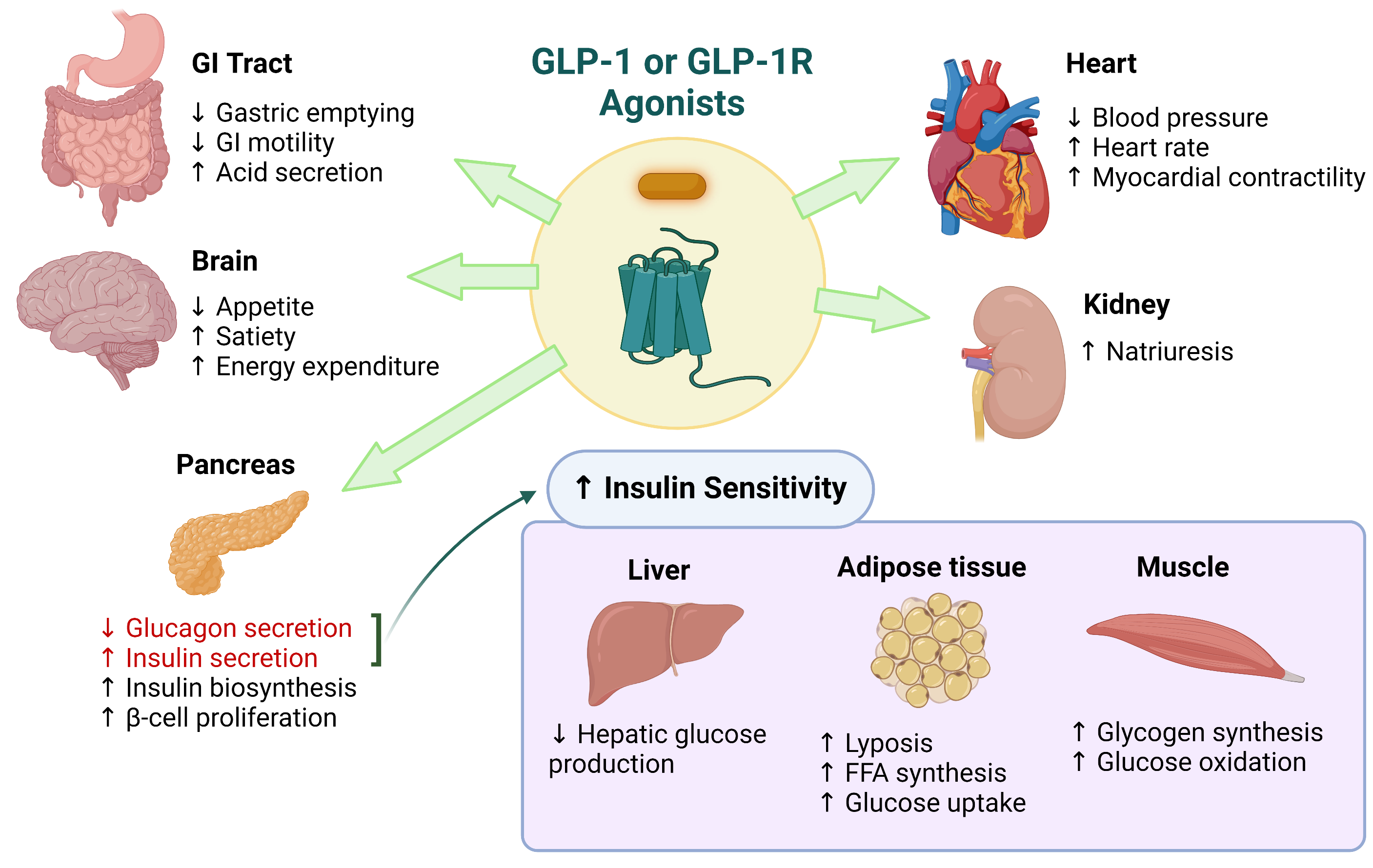
Enhanced GLP-1 secretion has been shown to improve insulin sensitivity, reduce blood glucose levels, and increase weight loss in individuals with diabetes. Furthermore, GLP-1 has been found to have beneficial effects on cardiovascular health, including reducing blood pressure and improving lipid profiles.