Energy Efficient Window Frames: A Guide to Making Your Home a Greener and Warmer Oasis
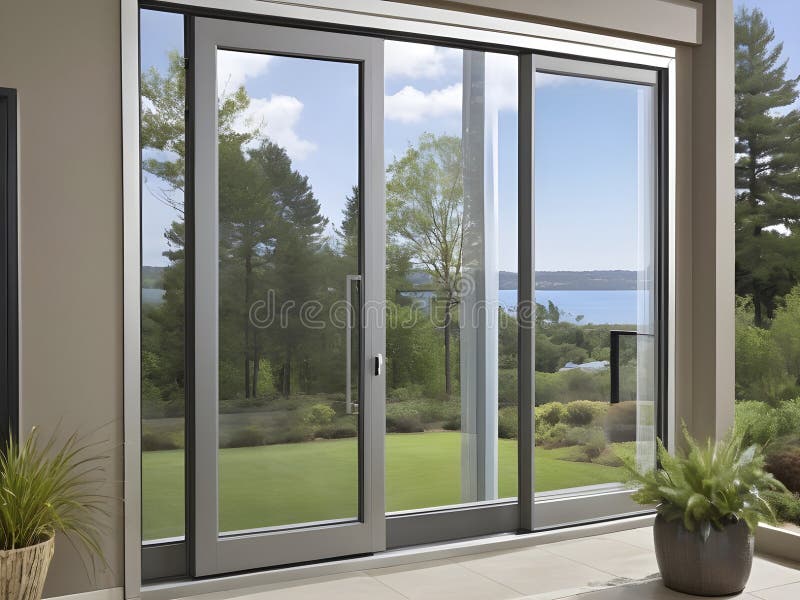
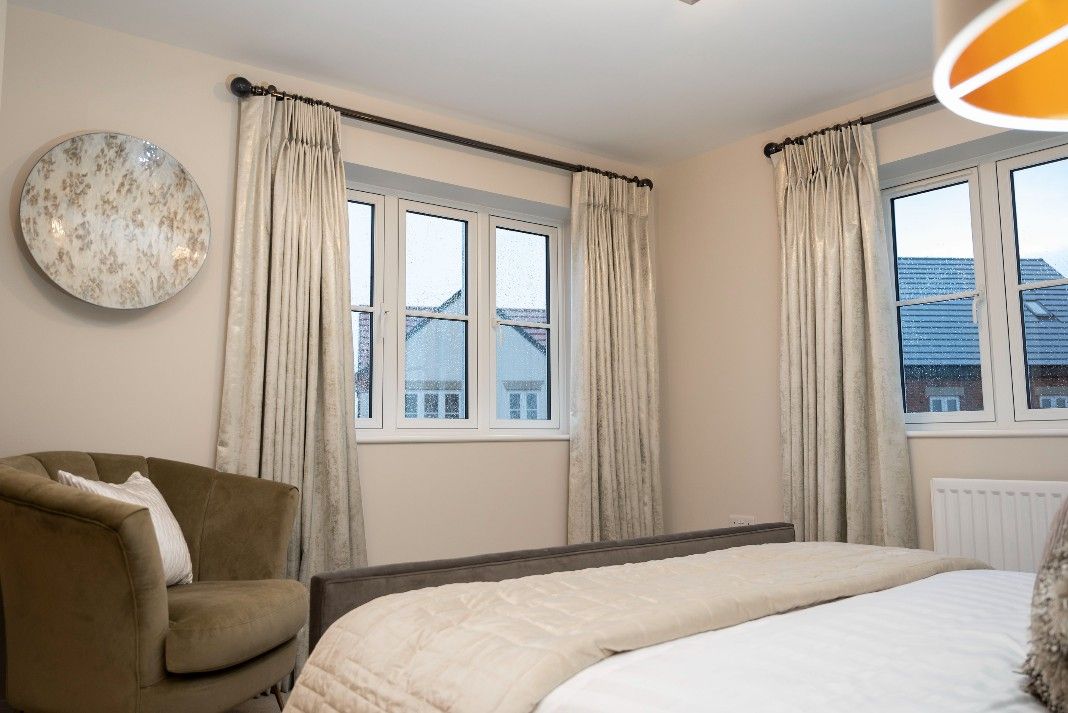
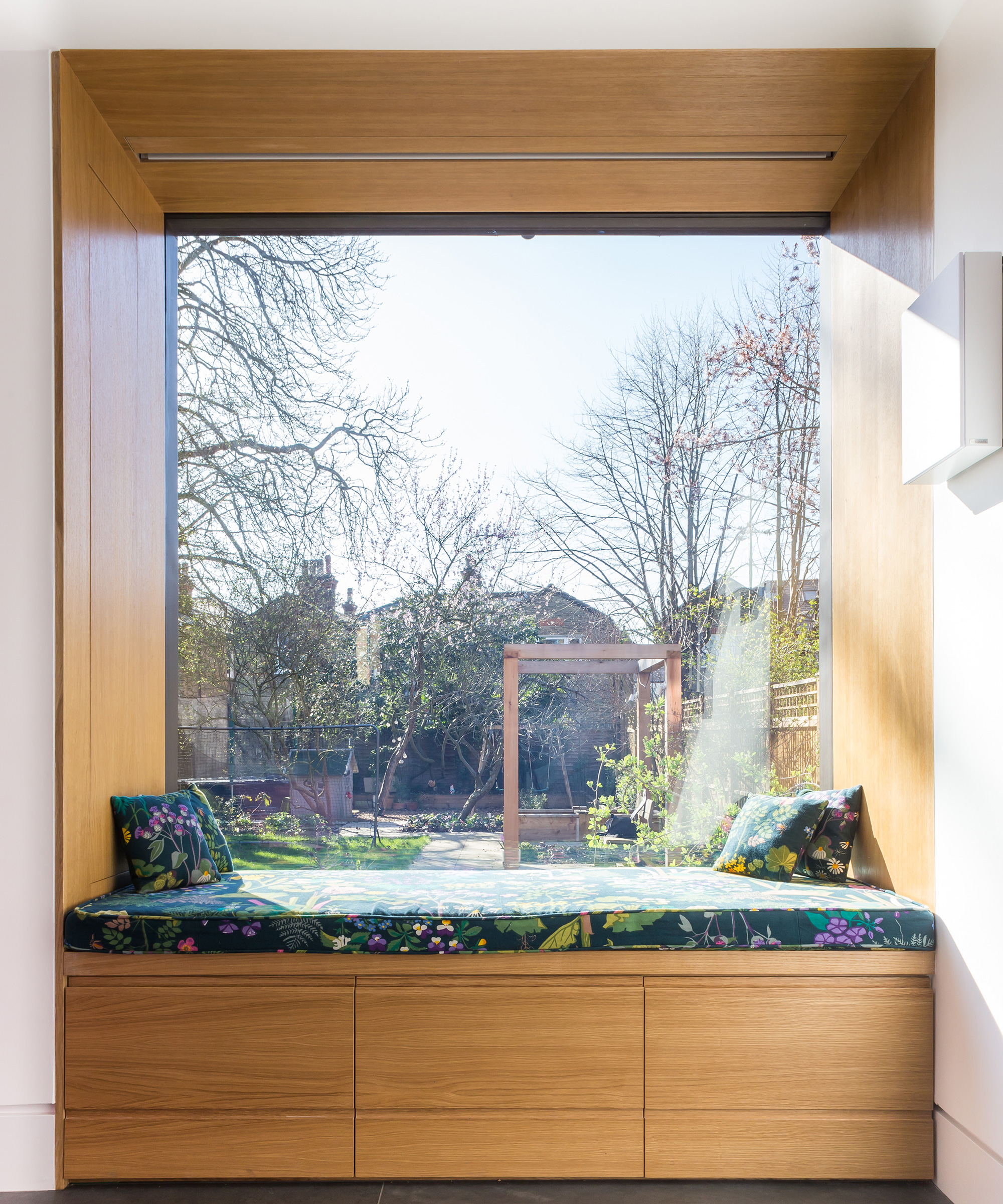
When it comes to upgrading or replacing your windows, choosing energy-efficient window frames is a crucial decision that can make a significant impact on your home's energy consumption, comfort, and overall durability. In this article, we'll delve into the world of energy-efficient window frames, exploring the benefits, types, and features to look for when selecting the right windows for your home.
Why Energy-Efficient Window Frames Matter
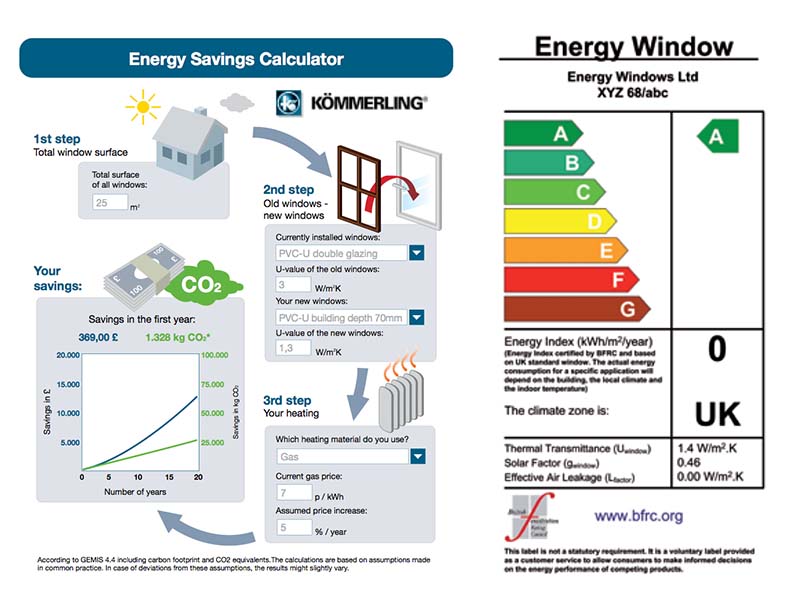
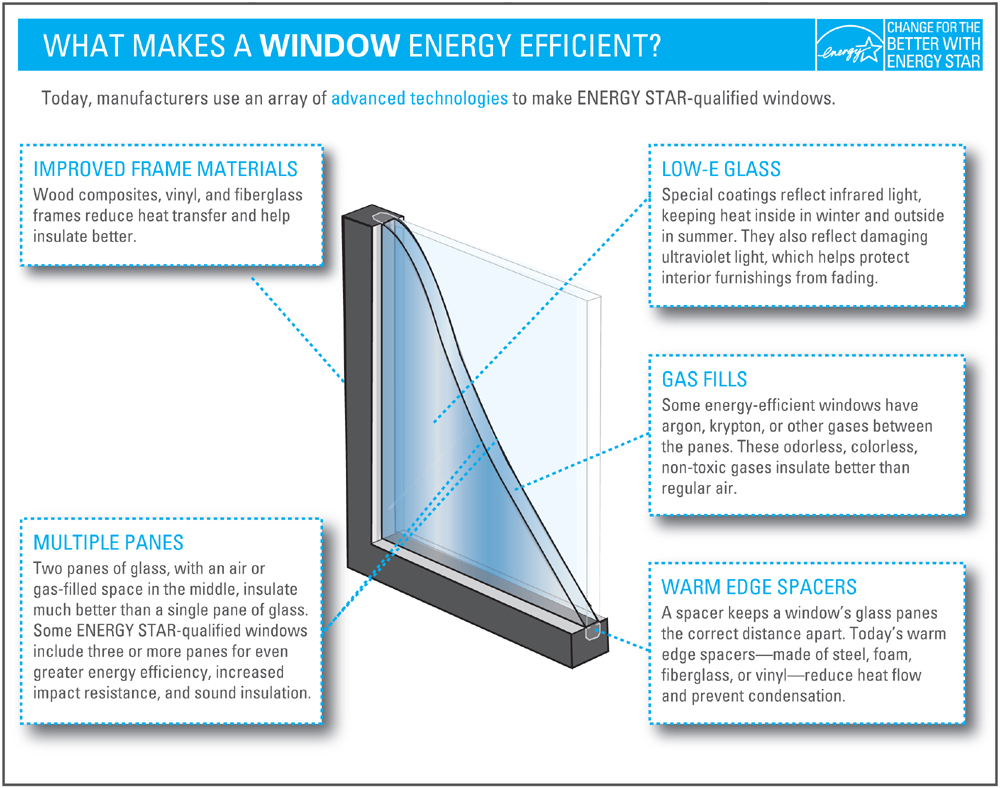
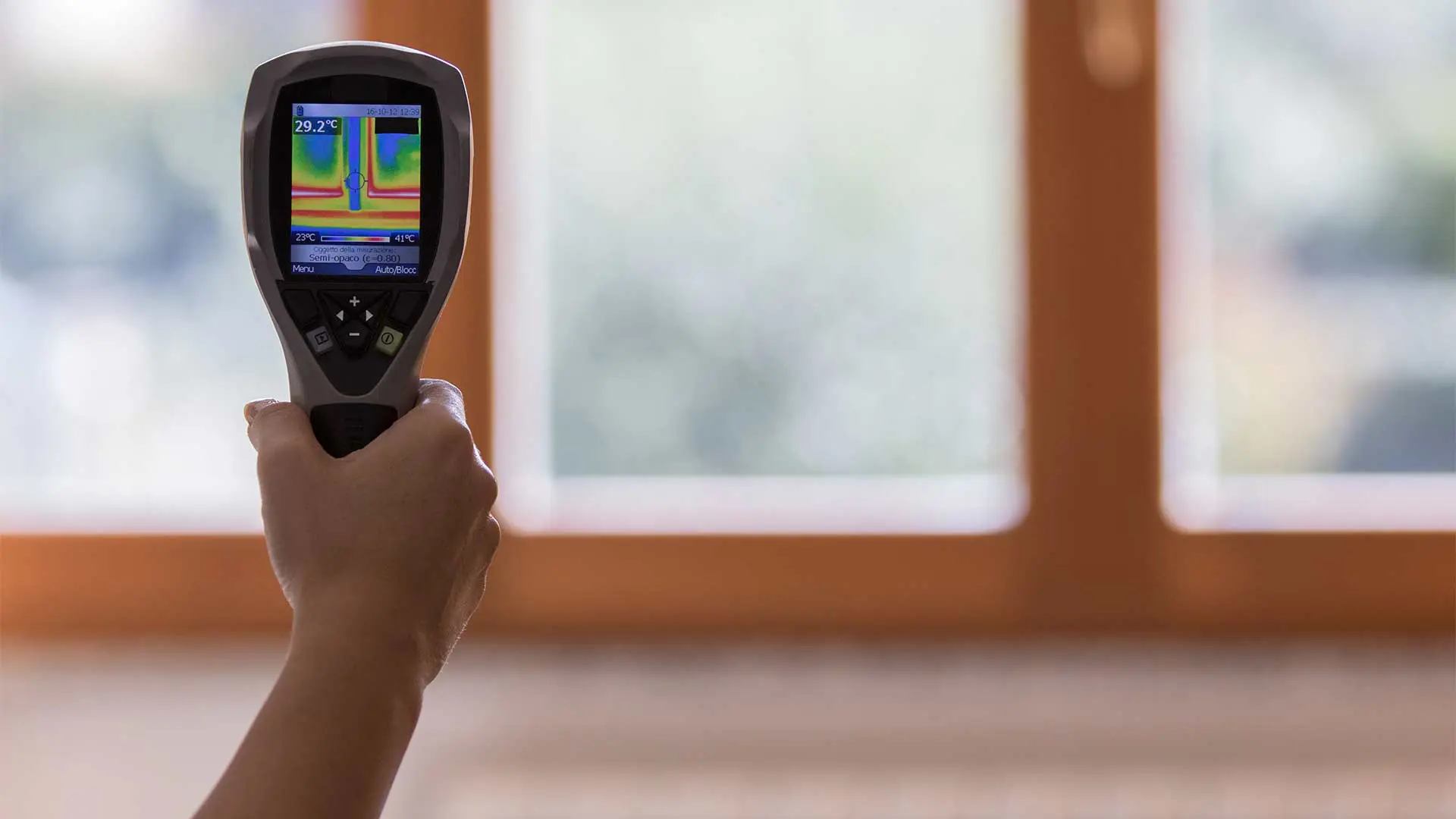
Old or poorly insulated windows can let cold air in and warm air out, causing your home to lose energy and raising your utility bills. Energy-efficient window frames, on the other hand, can significantly reduce heat transfer, minimize drafts, and minimize the impact of extreme temperatures. By choosing energy-efficient window frames, you can enjoy a warmer home in the winter, a cooler home in the summer, and a reduced carbon footprint.
Types of Energy-Efficient Window Frames
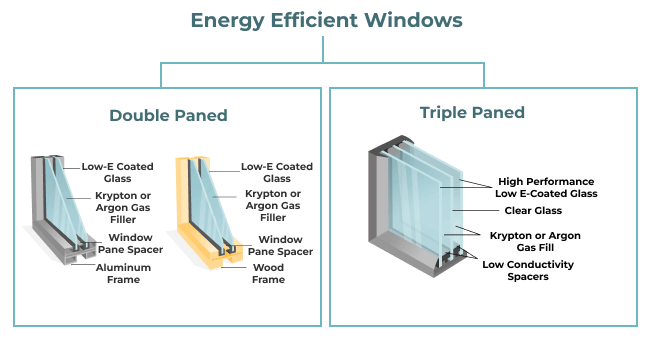
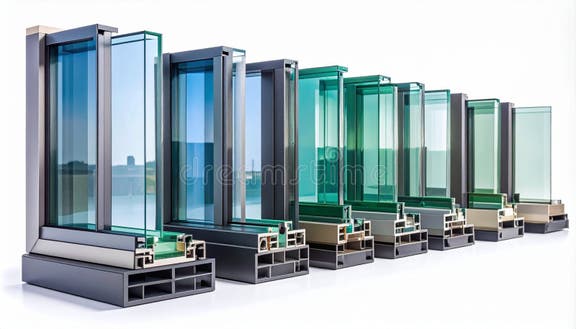
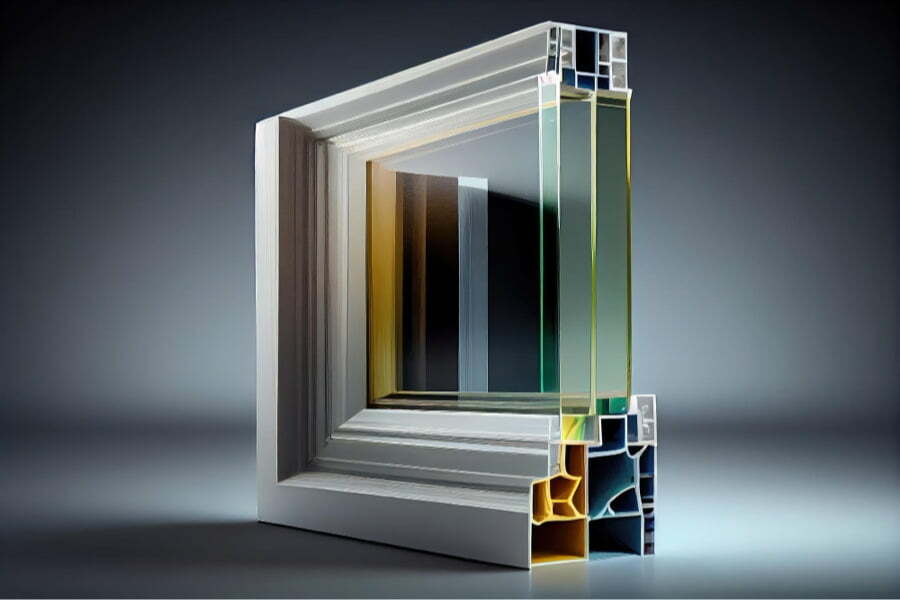
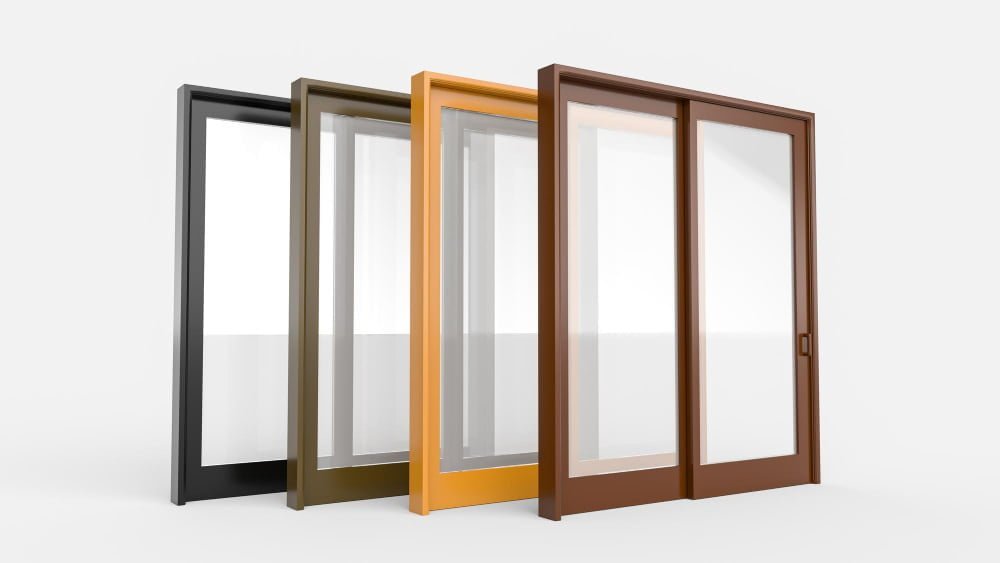
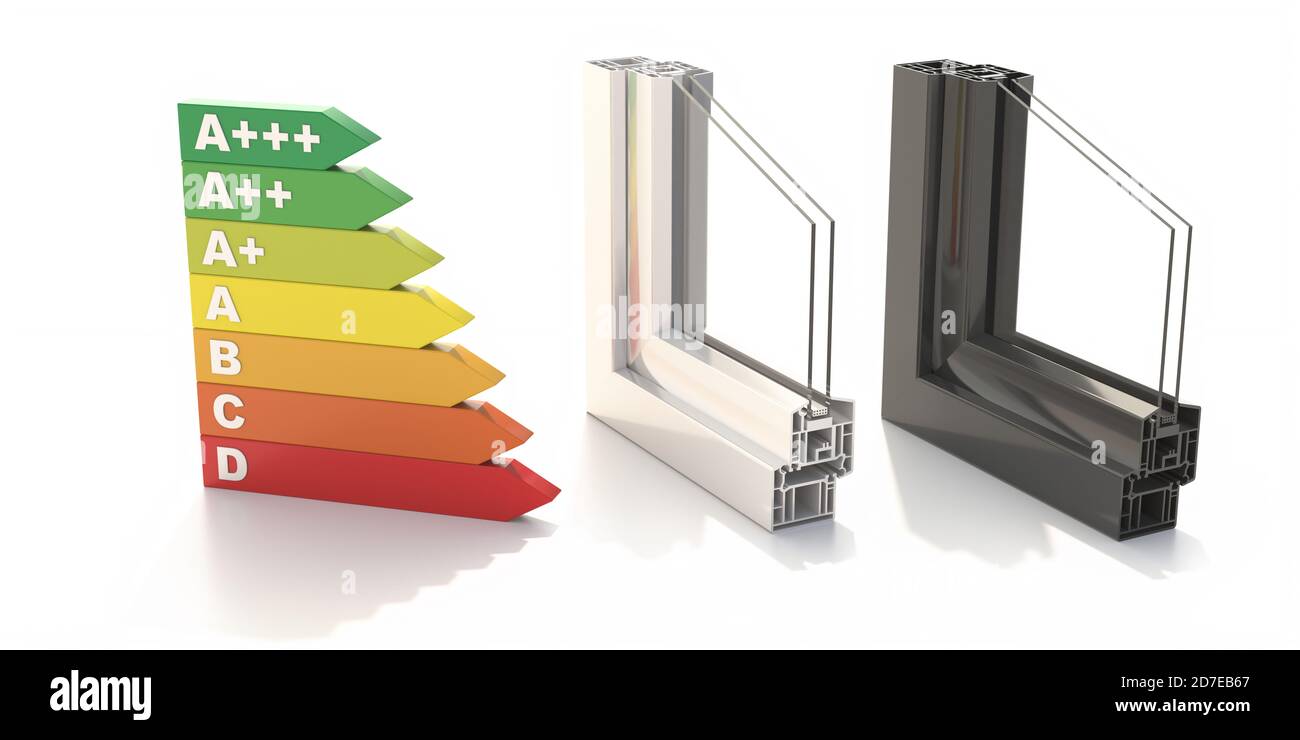
There are several types of energy-efficient window frames available, each with its unique features and benefits:
- Fiberglass Frames: Fiberglass frames are made from durable, non-corrosive materials that provide excellent insulation and structural strength. They are also low-maintenance, resistant to fading, and can be painted to match your home's exterior.
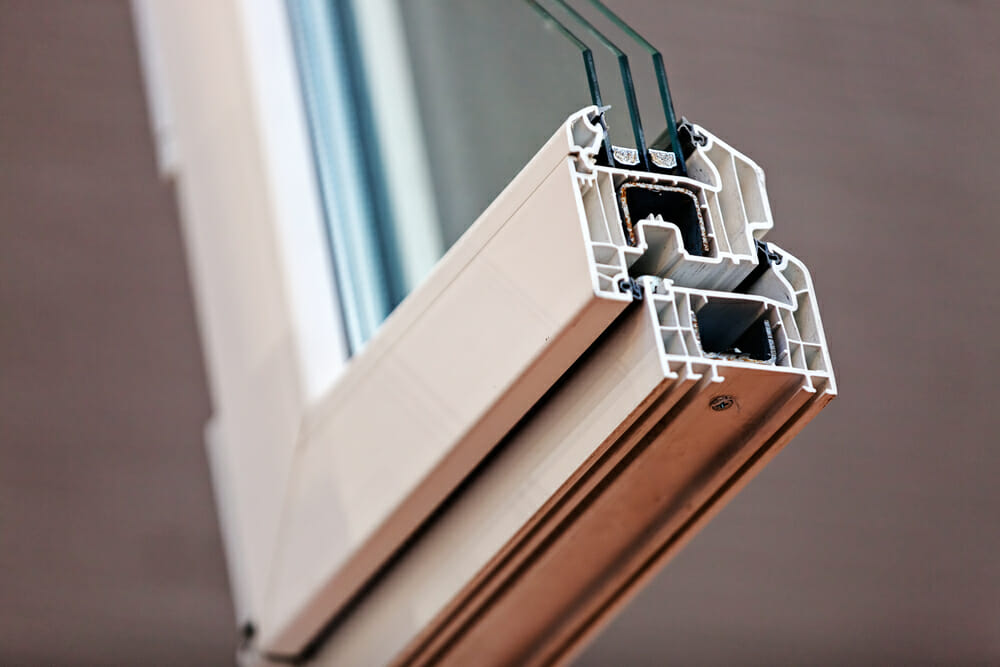
- Vinyl Frames: Vinyl frames are another popular option, offering excellent insulation, durability, and low maintenance. They are also resistant to warping and cracking, making them a great choice for high-traffic areas.
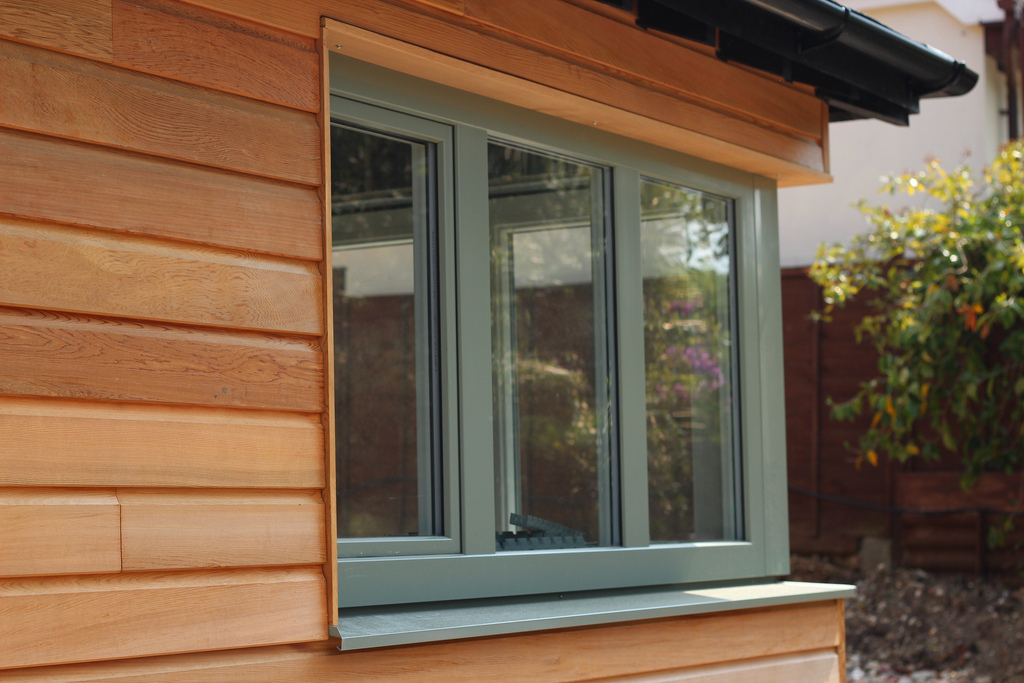
- Wooden Frames: Wooden frames are a classic choice, offering a traditional look and feel. However, they require more maintenance than other materials and can be prone to warping and rotting.
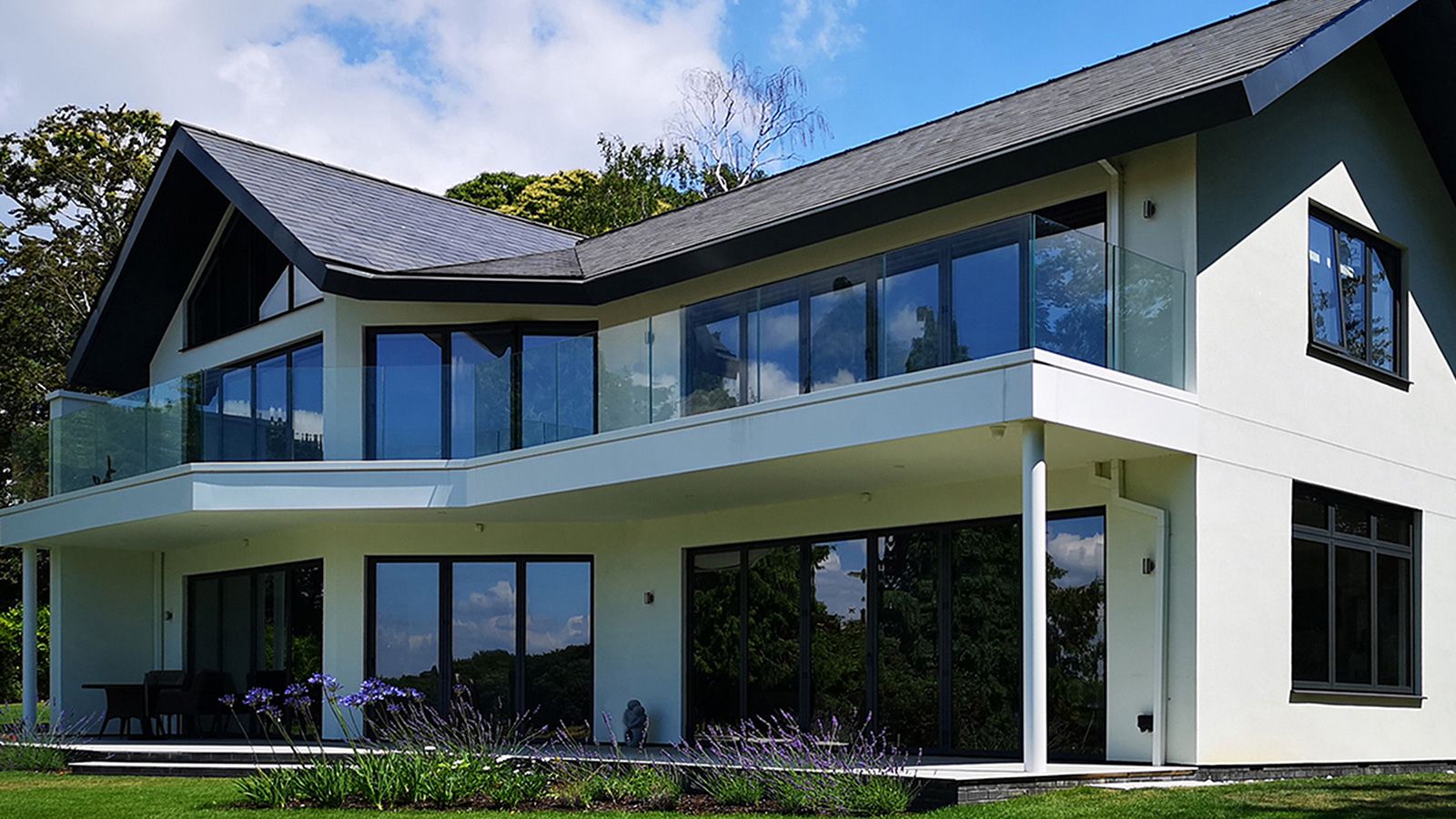
- Aluminum Frames: Aluminum frames are lightweight, affordable, and corrosion-resistant. However, they can conduct heat, making them less energy-efficient than other options.