Epoxy Floor Applications: A Comprehensive Guide
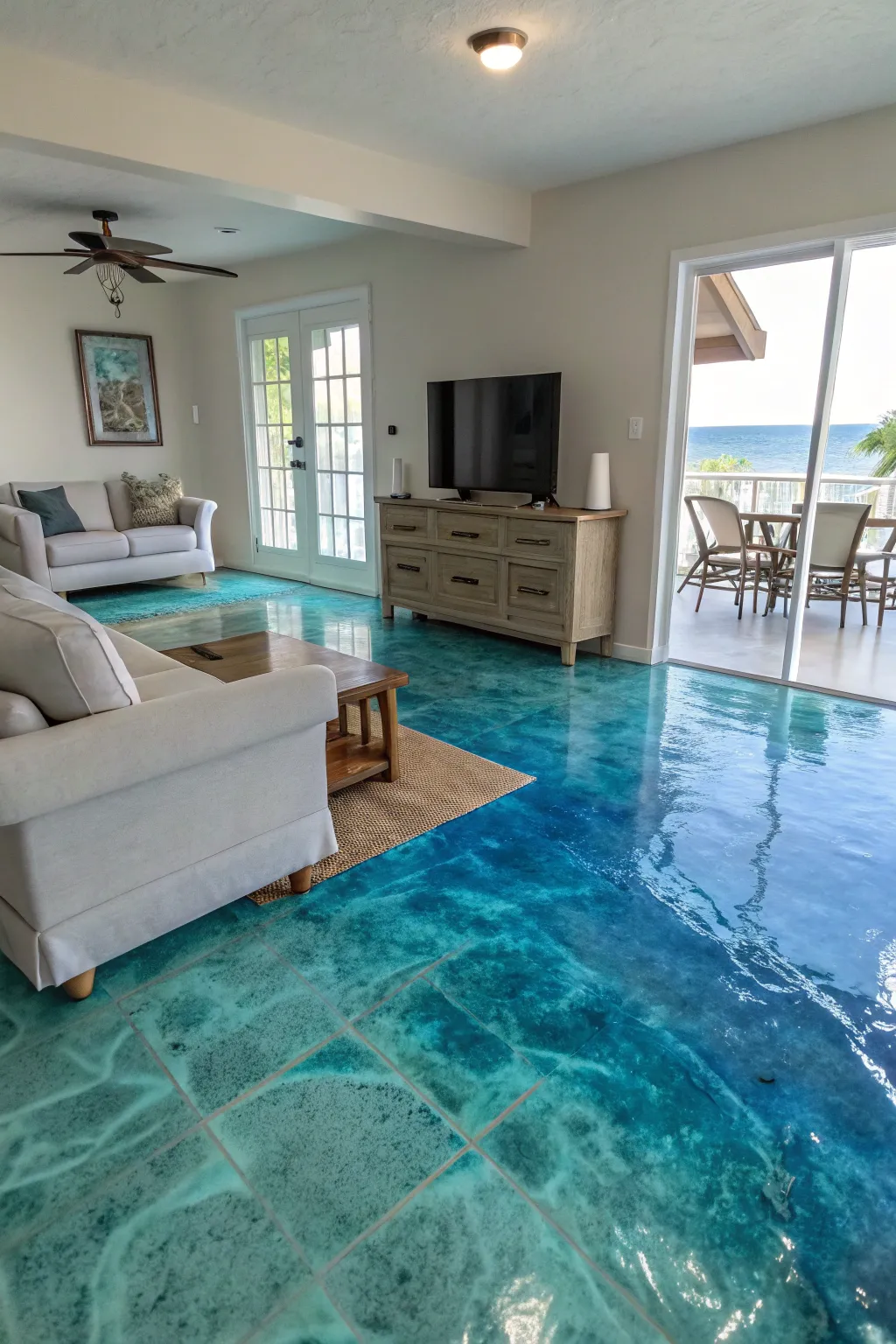
Epoxy floor coatings have become a popular choice for homeowners and businesses due to their durability, chemical resistance, and aesthetic appeal. In this article, we will explore the various epoxy floor applications, types of epoxies, and the benefits of epoxy floor coatings.
What is Epoxy Flooring?
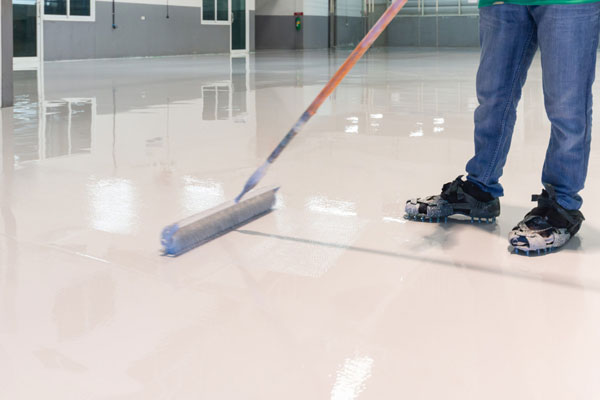
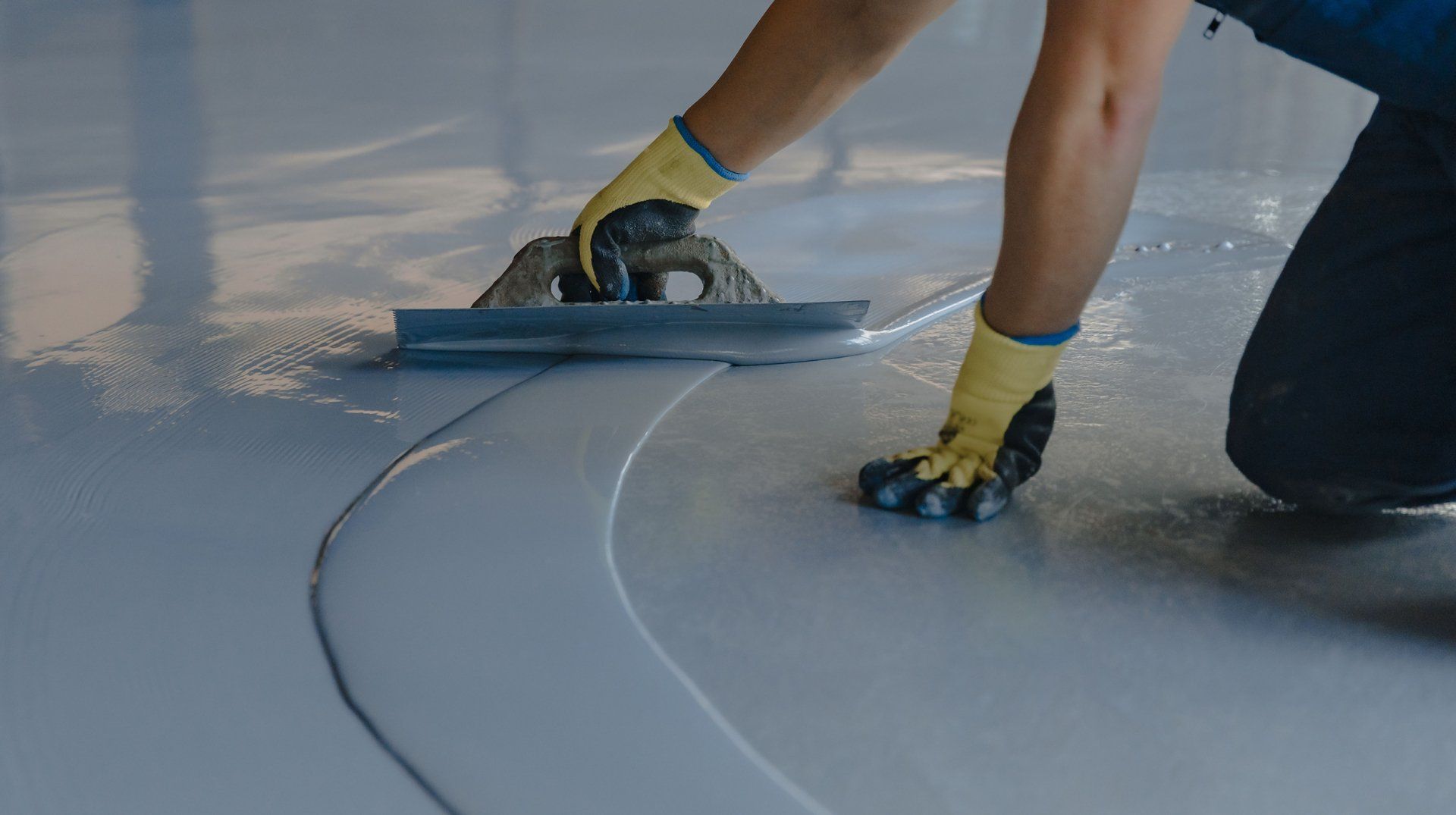
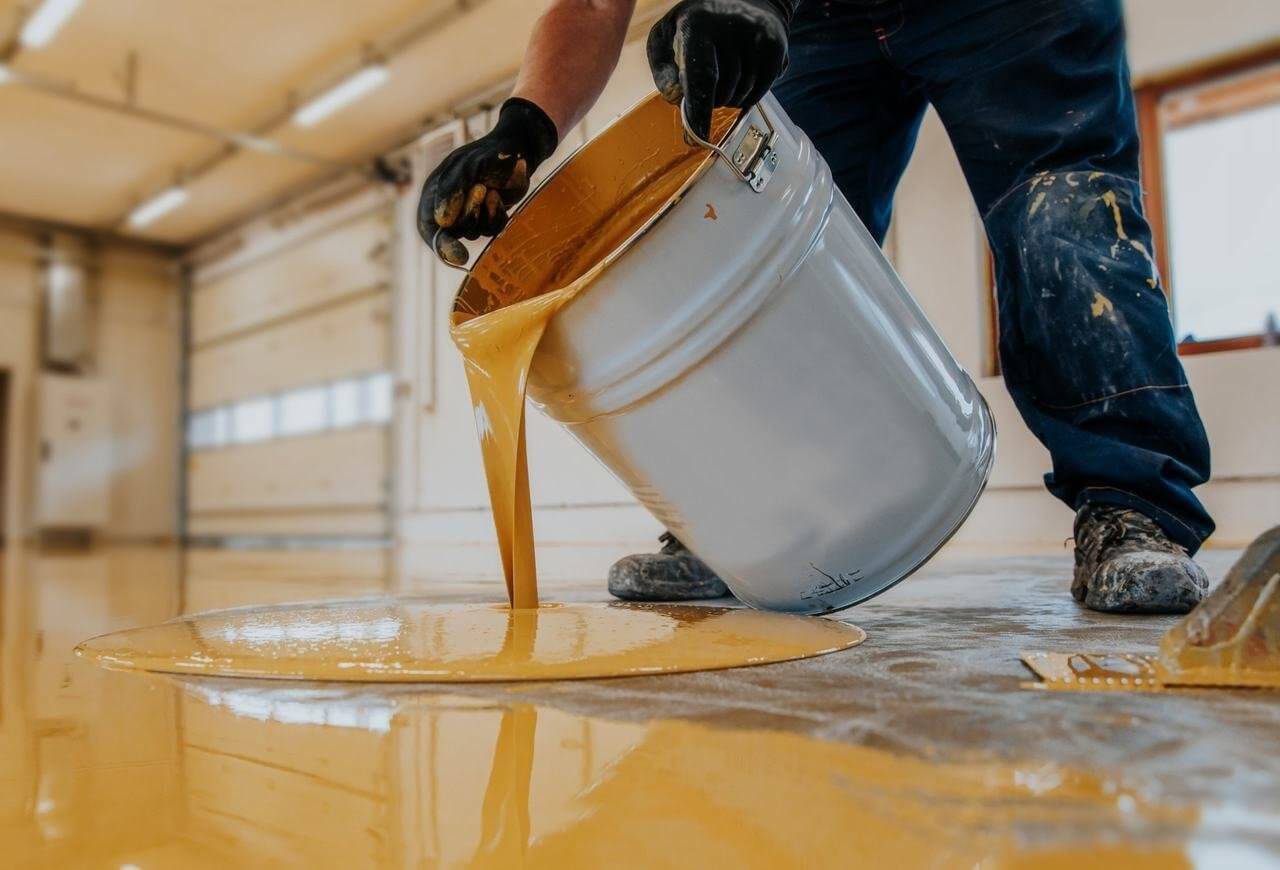
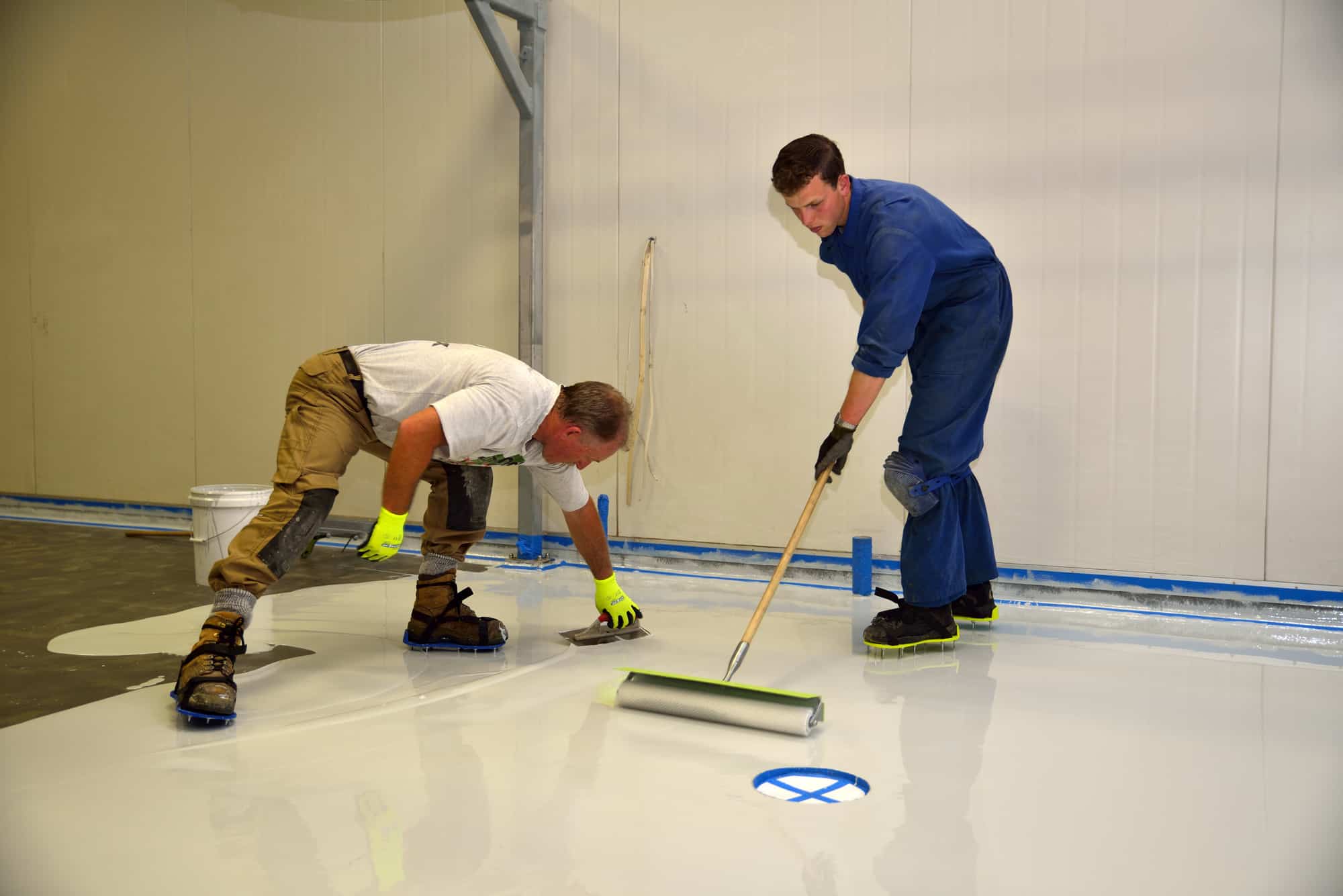
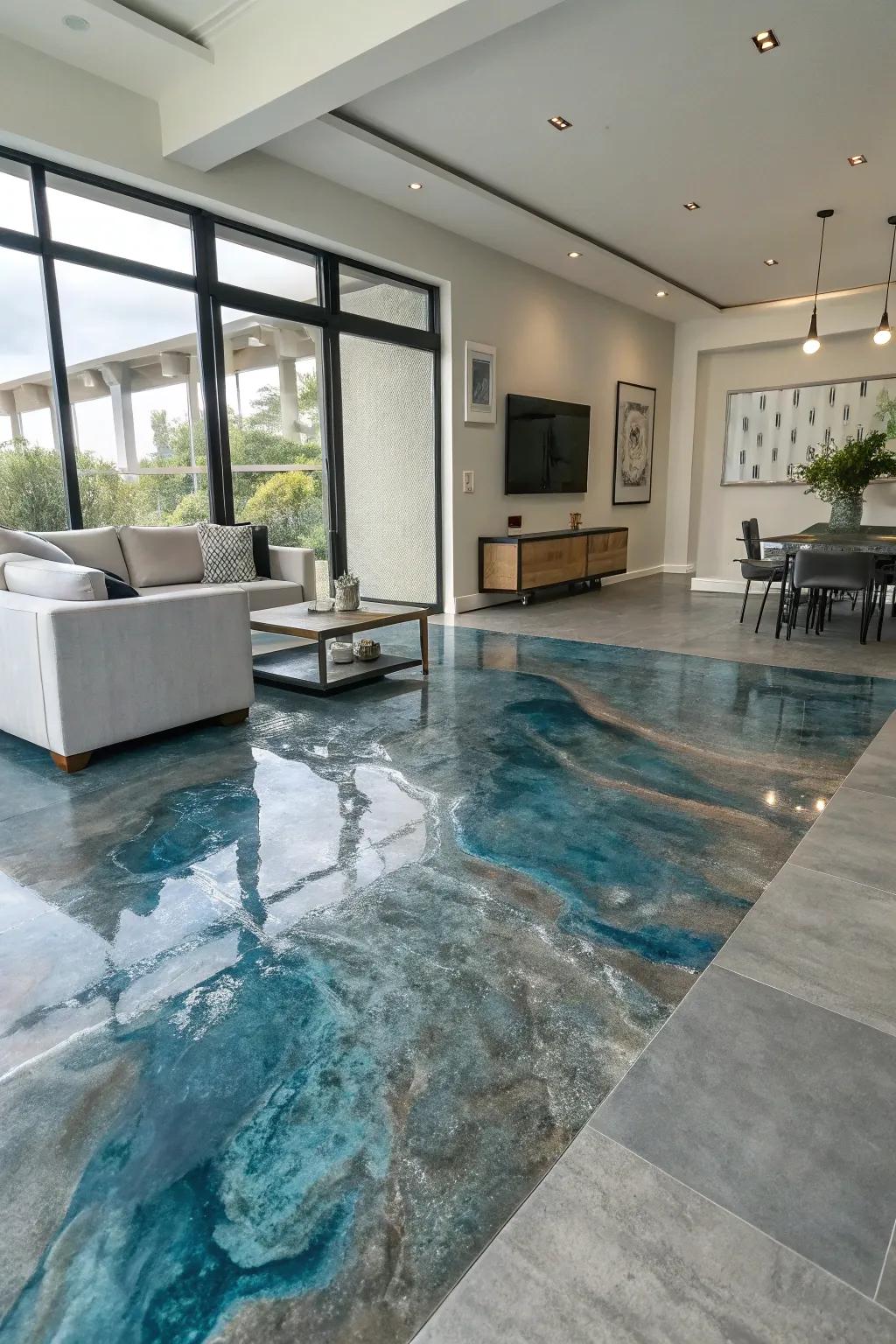
Epoxy flooring is a type of flooring system that involves the application of a resin and hardener mixture that chemically bonds to create a strong, seamless coating. Epoxy flooring is known for its high resistance to wear, chemicals, and moisture, making it an ideal choice for high-traffic areas, garages, and industrial settings.
Types of Epoxy Flooring
- Water-based epoxy: A water-based epoxy is a type of epoxy that is mixed with water to create a liquid solution. It is a popular choice for residential and commercial applications due to its ease of application and quick drying time.
- Solvent-based epoxy: A solvent-based epoxy is a type of epoxy that is mixed with a solvent to create a liquid solution. It is a popular choice for industrial and heavy-duty applications due to its high strength and durability.
- Two-part epoxy: A two-part epoxy is a type of epoxy that consists of two separate components that are mixed together to create a strong and durable coating. It is a popular choice for industrial and heavy-duty applications due to its high strength and durability.
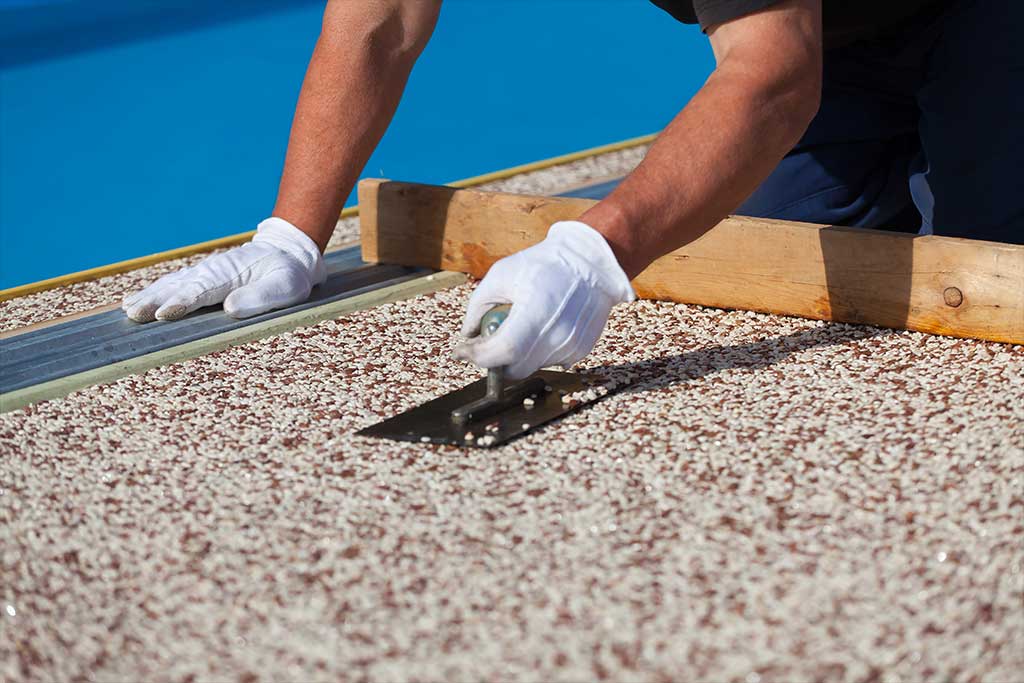
- Coated epoxy: A coated epoxy is a type of epoxy that is coated with a layer of aggregate material to create a textured surface. It is a popular choice for residential and commercial applications due to its slip-resistant surface and attractive appearance.