GLP-1 and Meal Planning for Mental Health: A Holistic Approach to Wellness
As the name suggests, GLP-1 (Glucagon-like peptide-1) medications have been making waves in the medical community for their ability to help manage type 2 diabetes and obesity. However, a lesser-known aspect of these medications is their potential impact on mental health. Research suggests that GLP-1 agonists may also have a positive effect on mood, emotional well-being, anxiety, and depression.
What is GLP-1 and Meal Planning?
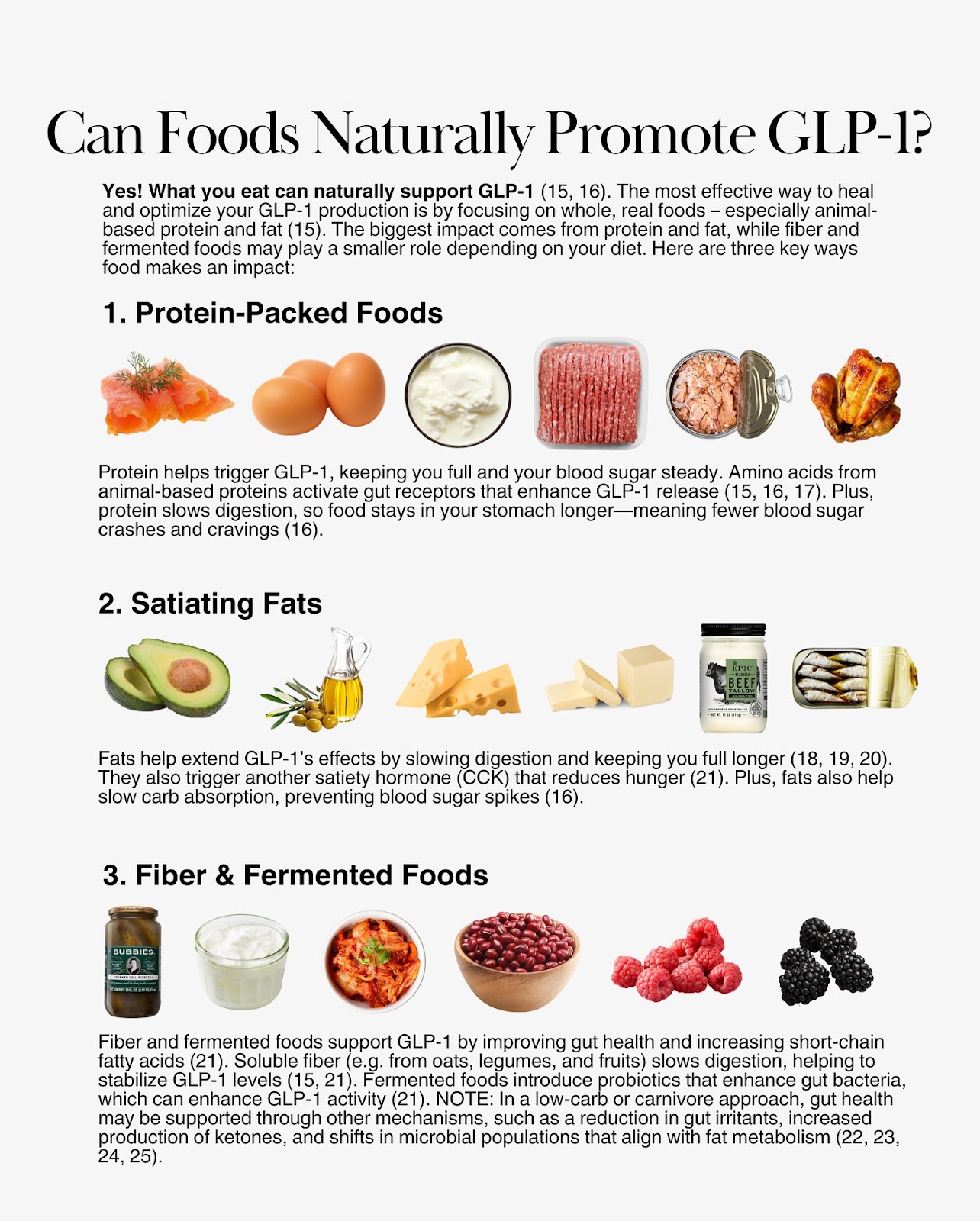
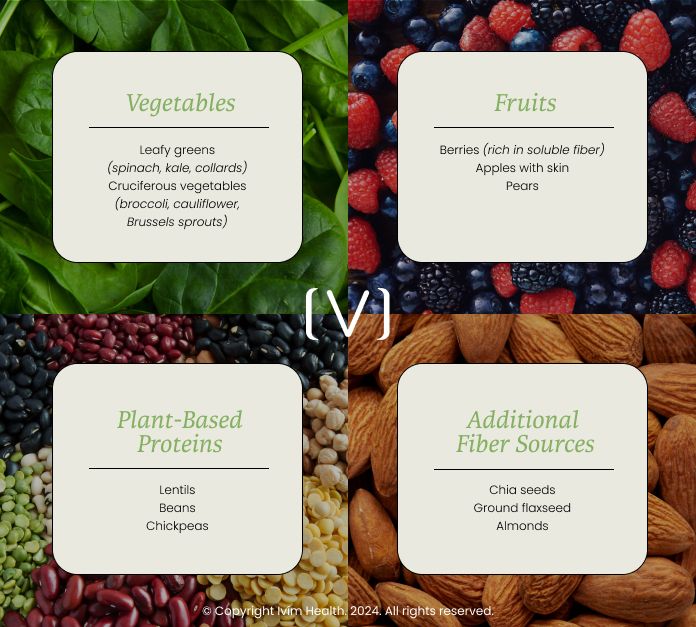
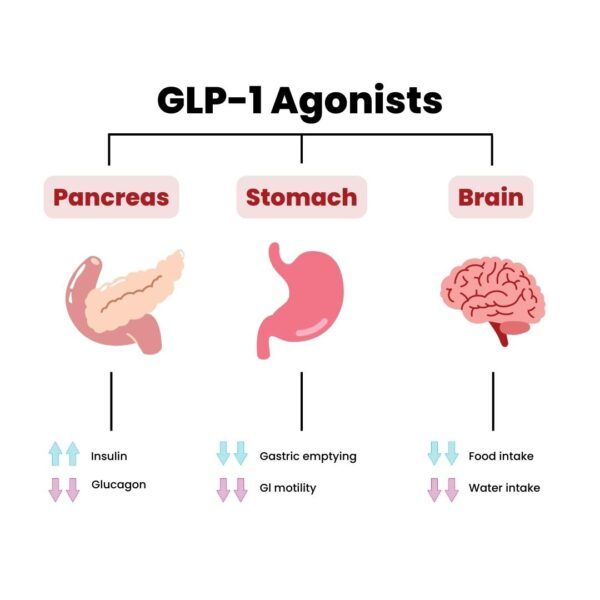
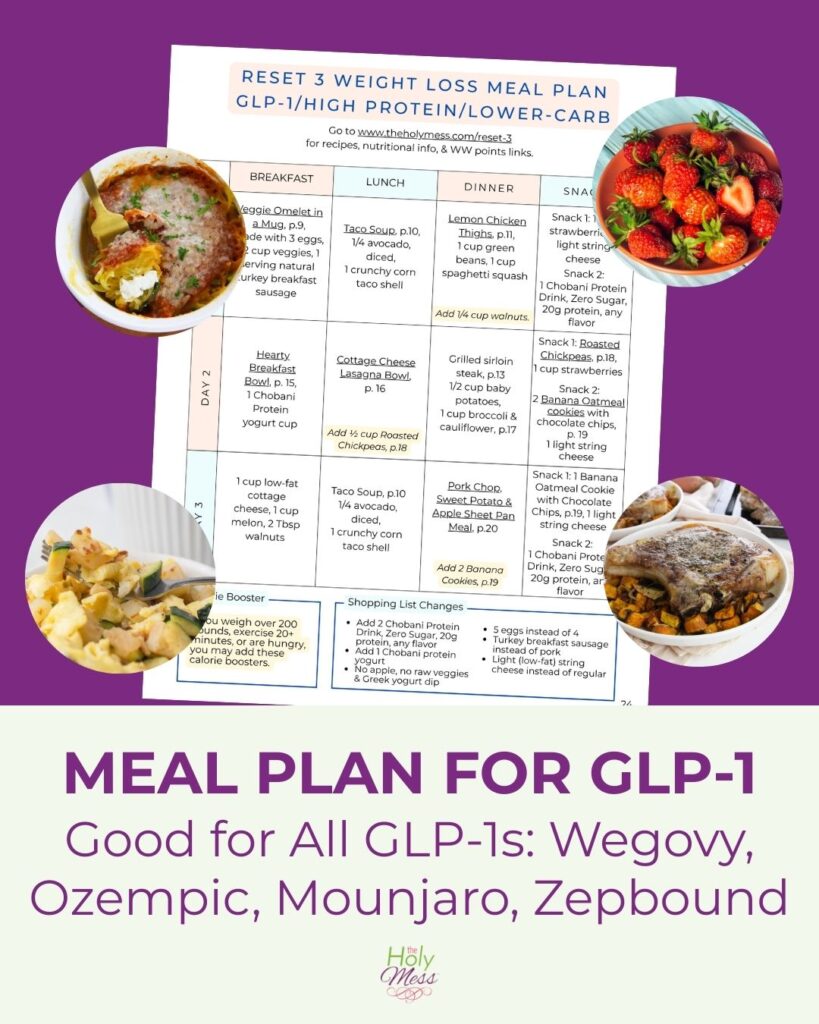
Meal planning for individuals taking GLP-1 medications involves tailoring their diet to complement the effects of the medication. Since GLP-1 agonists slow gastric emptying, food stays in the stomach longer, which requires choosing easily digestible foods. This might seem restrictive, but with a little creativity, you can create a nutrient-dense meal plan that not only supports weight loss but also promotes mental well-being.
The Psychological Effects of GLP-1
GLP-1 medications interact with receptors throughout the brain, affecting brain chemistry and leading to changes in mental health outcomes. Unlike traditional weight loss approaches that rely on willpower, GLP-1 drugs create a biological response that supports appetite control, satiety, and weight loss. In the long term, this can lead to improved mental health and a reduced risk of anxiety and depression.