Effects of GLP 1 on Appetite during Fasting: Unlocking the Power of Hunger Regulation
Glucagon-like peptide 1 (GLP-1) is a hormone that plays a significant role in regulating appetite and glucose metabolism. When it comes to fasting, the effects of GLP-1 on appetite can be particularly beneficial for individuals looking to manage their weight and improve their overall health. In this article, we will delve into the effects of GLP-1 on appetite during fasting and explore the potential benefits of combining these two approaches.
Understanding GLP-1 and Its Role in Appetite Regulation
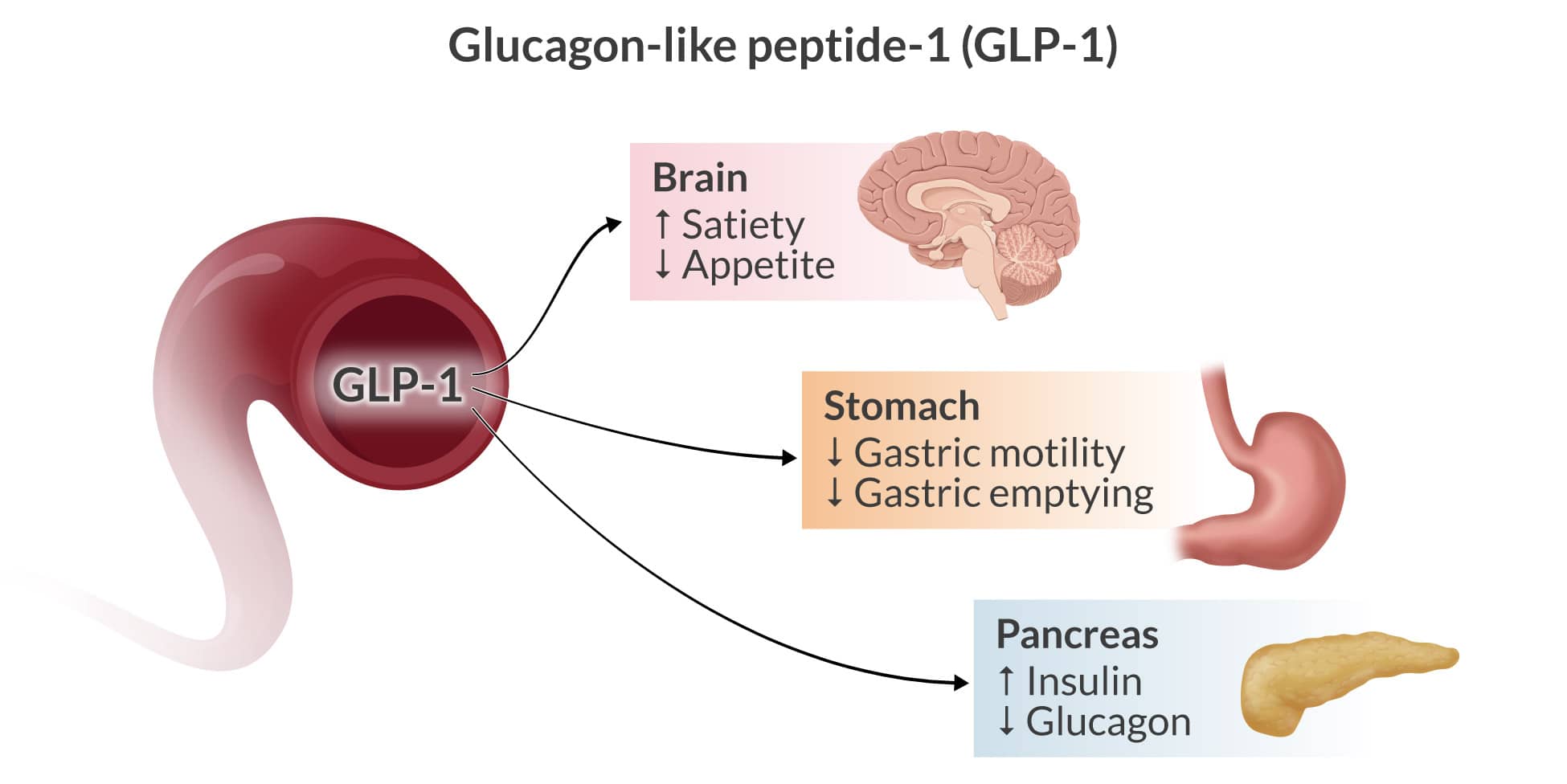
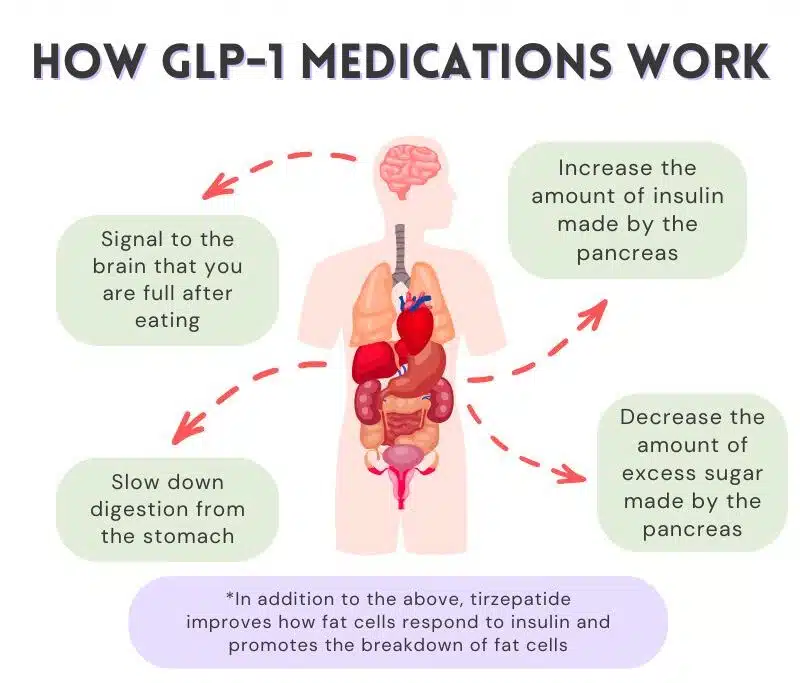
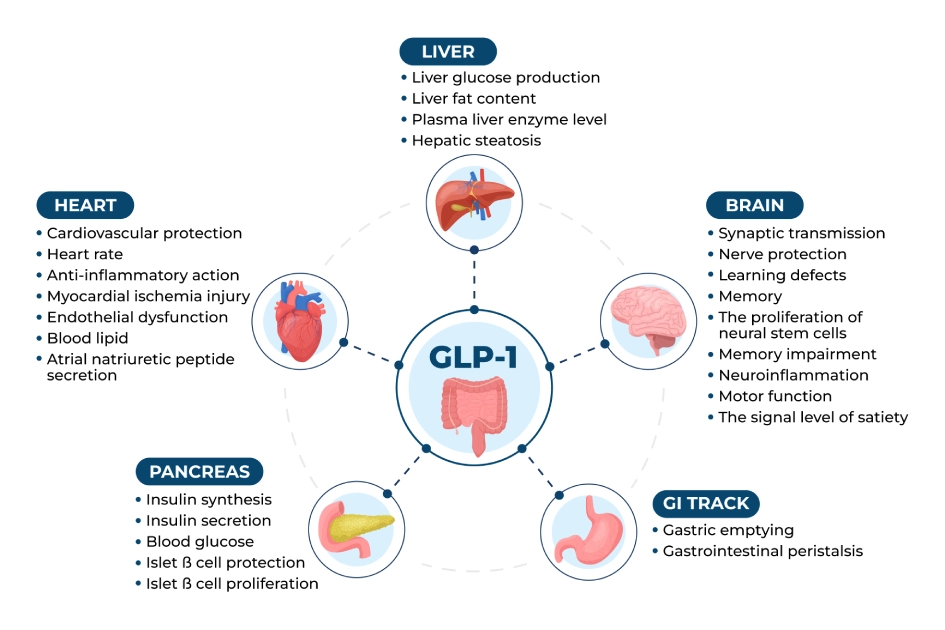
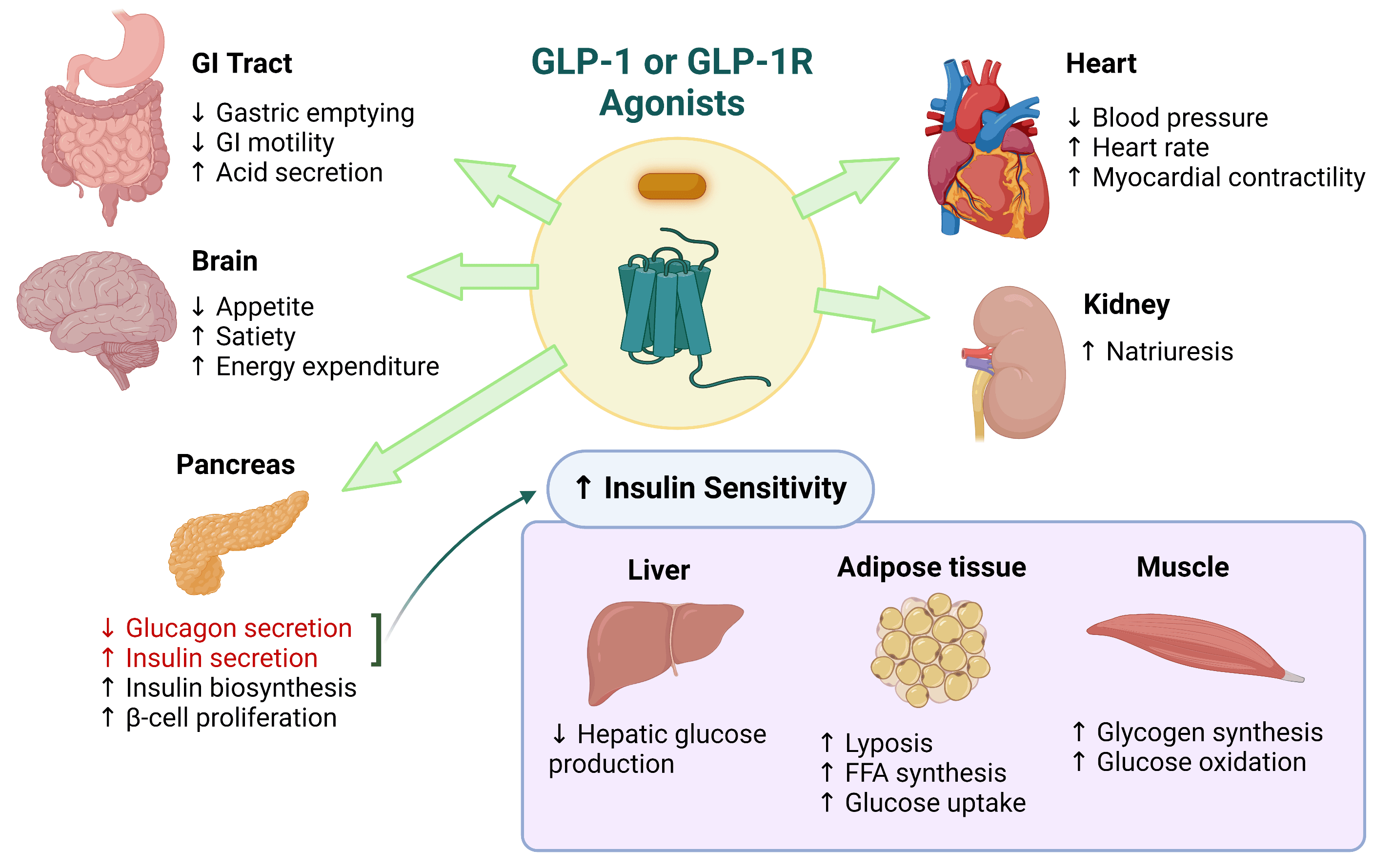
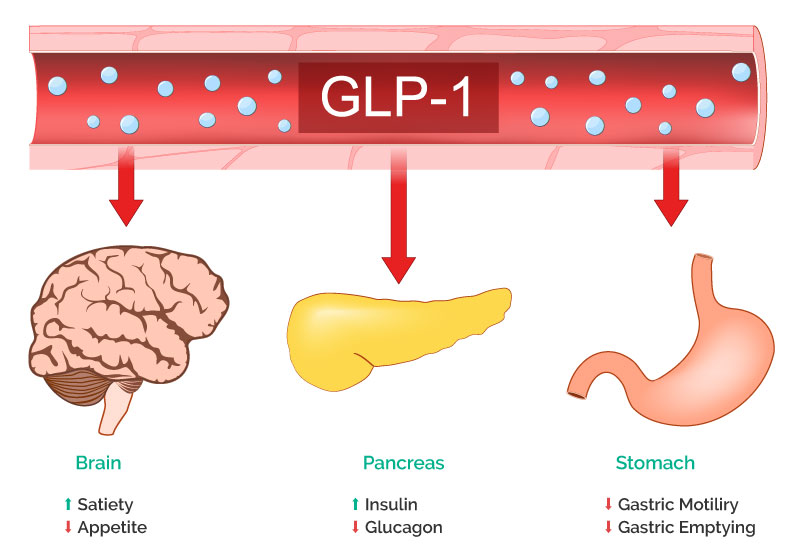
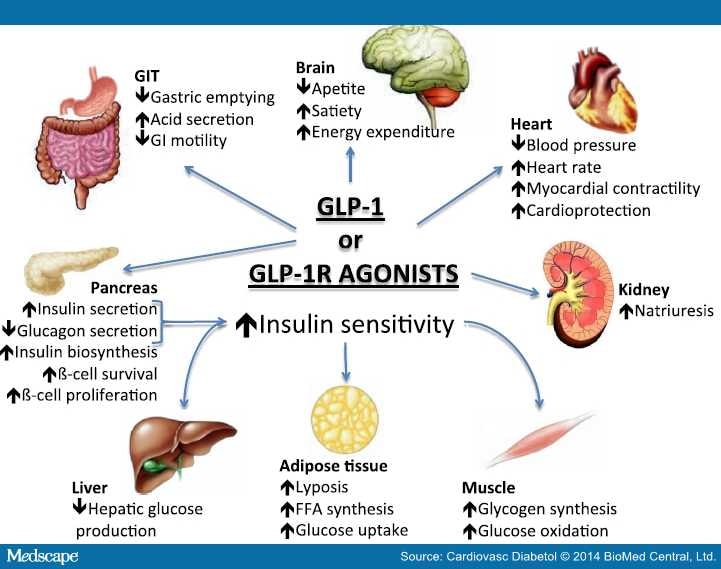
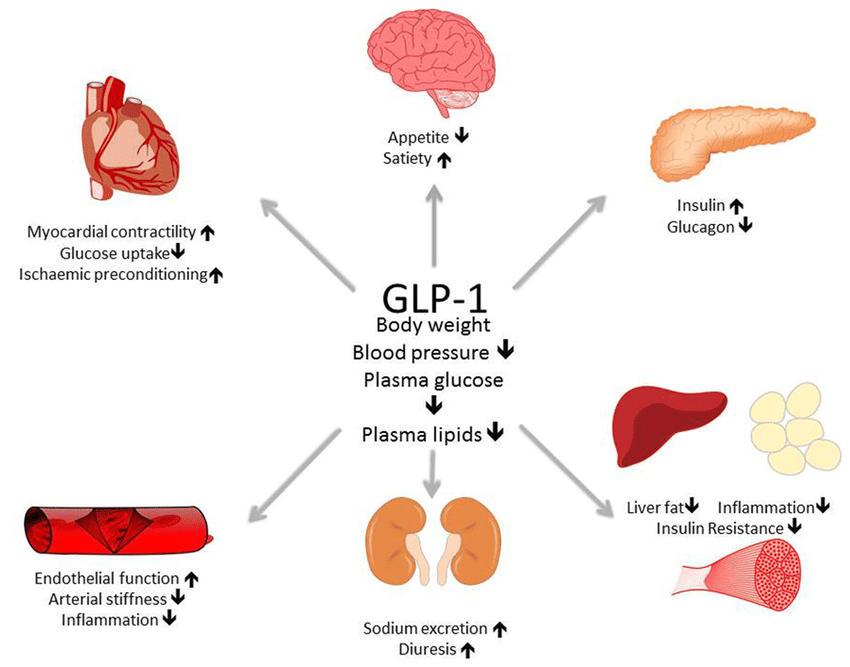
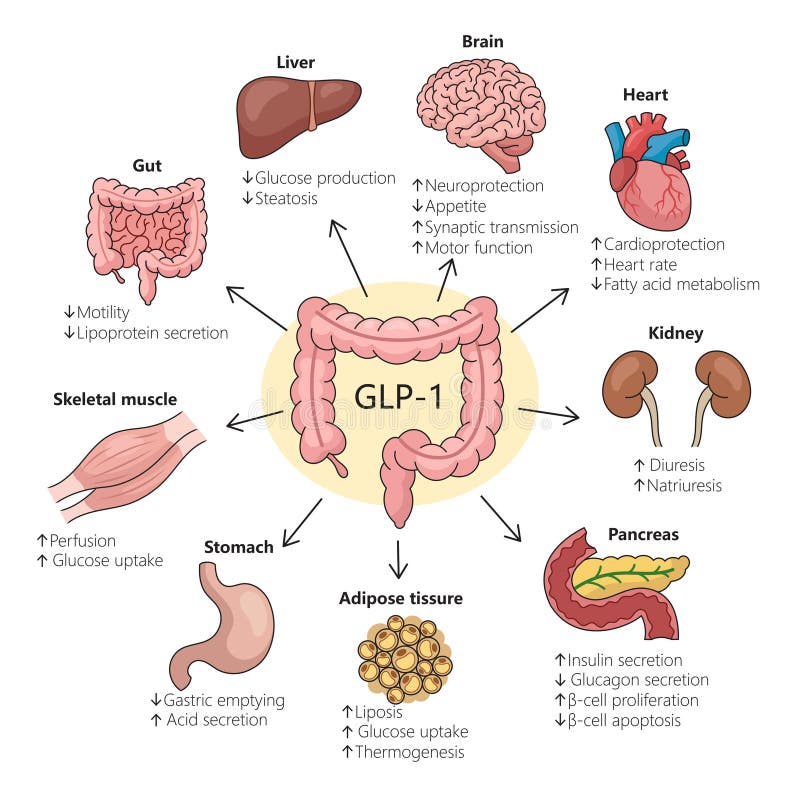
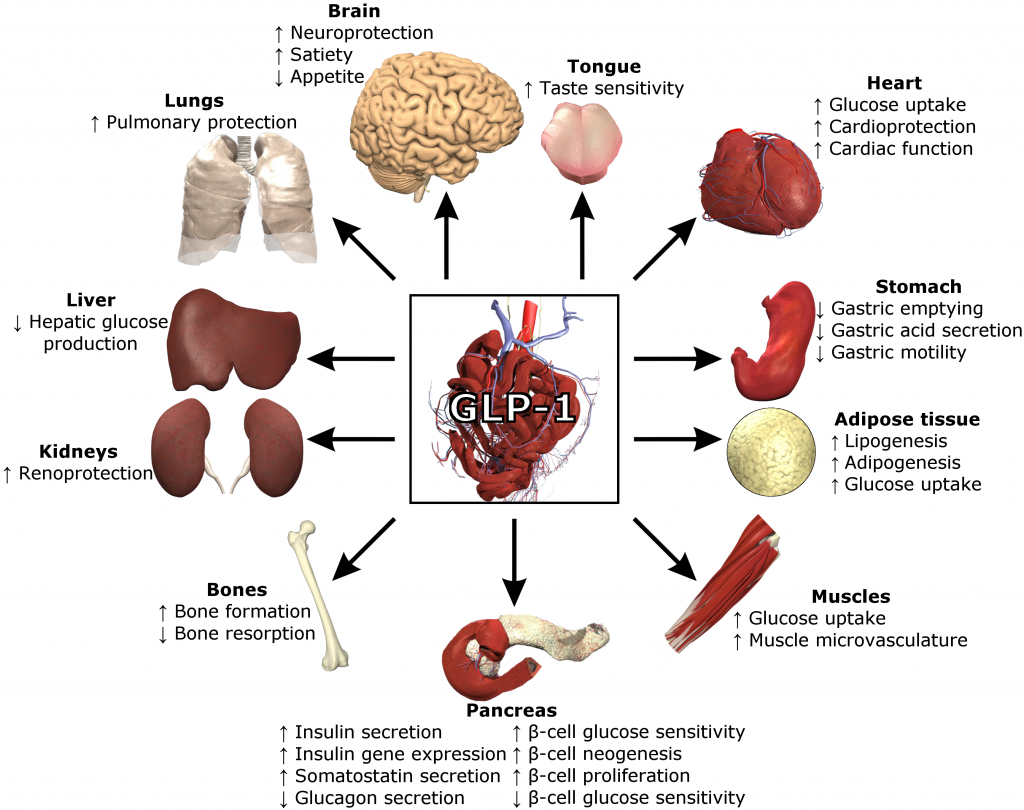
GLP-1 is a hormone that is secreted by the L cells in the intestine in response to food intake. It plays a crucial role in regulating appetite and glucose metabolism by binding to receptors in the brain and other parts of the body. When GLP-1 binds to its receptors, it can suppress appetite and improve insulin sensitivity, leading to improved glucose control.

The Effects of GLP-1 on Appetite during Fasting
During fasting periods, the body's natural response is to increase hunger and appetite. However, research has shown that GLP-1 can have a suppressive effect on appetite, making it easier to manage hunger during fasting periods. This is particularly beneficial for individuals who are trying to lose weight or manage their weight.