Understanding Genetic Predisposition to Diseases: What You Need to Know
When we hear the words "genetic predisposition to diseases," we often think of rare, single-gene disorders like cystic fibrosis or hemophilia. However, the reality is that many diseases involve a complex interplay between genetics and environmental factors. In this article, we'll delve into the concept of genetic predisposition, its implications, and how you can safeguard your health.
What is Genetic Predisposition to Diseases?
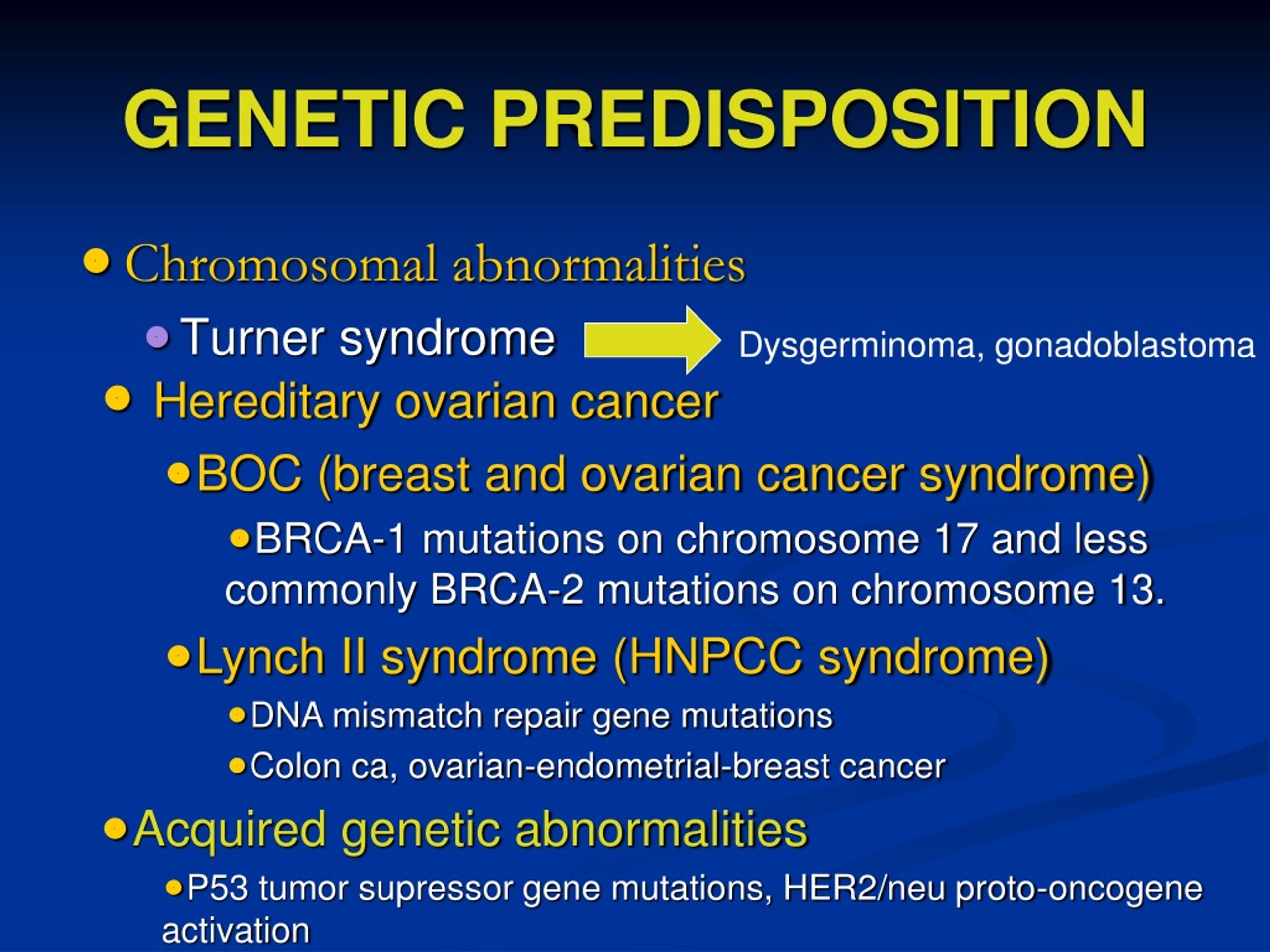
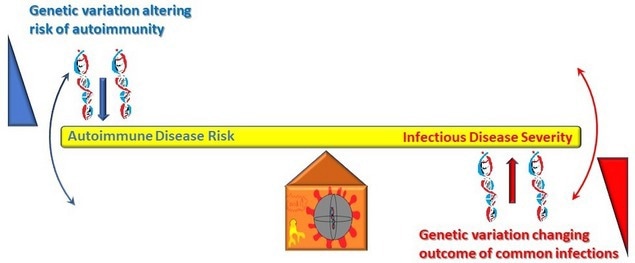
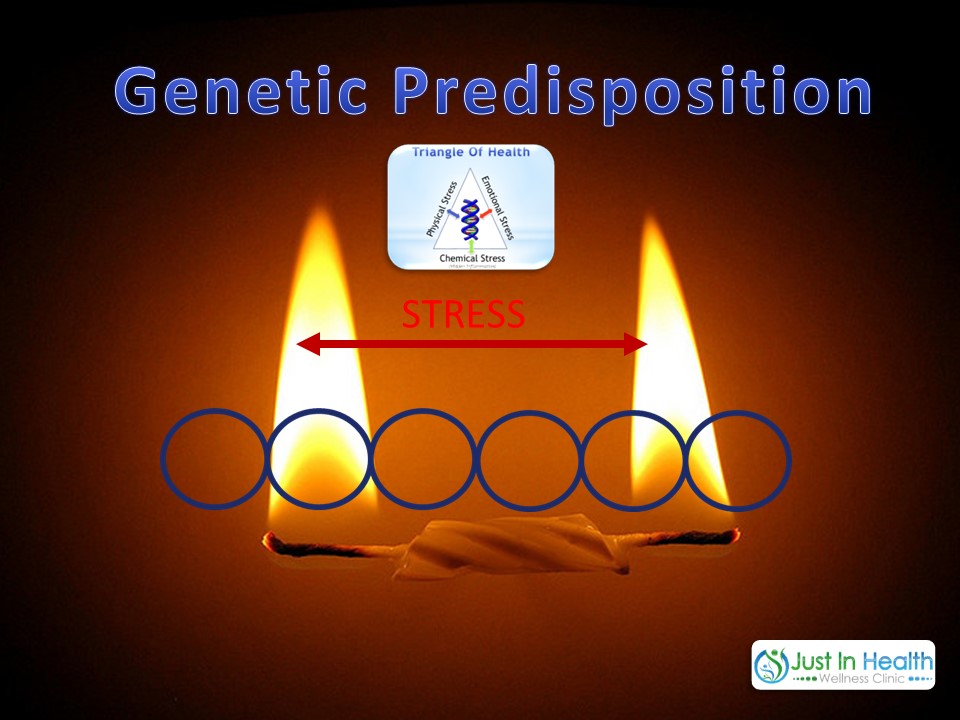
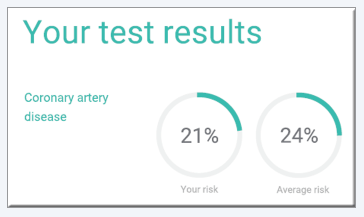
Genetic predisposition refers to an increased likelihood of developing a particular disease or condition based on an individual's genetic makeup. This concept highlights how specific genes can influence an individual's risk factors, interacting with environmental elements and lifestyle choices to contribute to health outcomes. Think of it as a genetic blueprint that increases the chances of developing a disease, but doesn't guarantee it.

How Does Genome-Wide Association Studies (GWAS) Help Identify Genetic Predisposition?
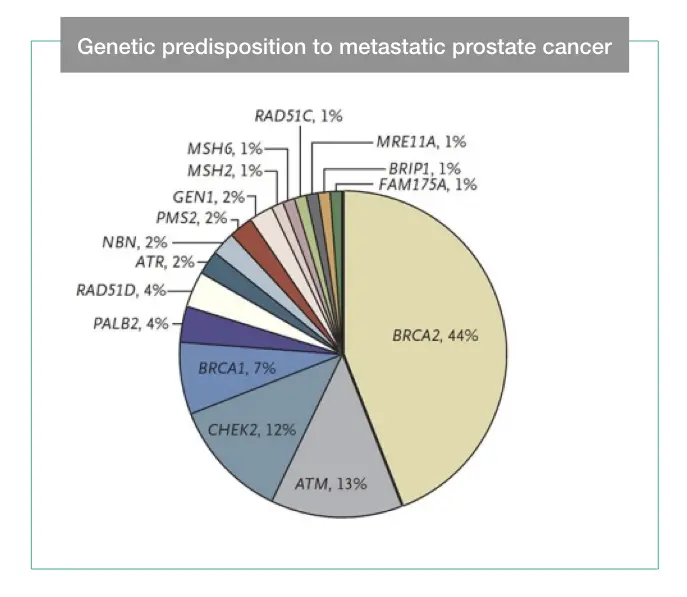
GWAS is a key approach used to identify genetic variants linked to diseases by analyzing genomes across populations. By comparing the genetic makeup of individuals with and without a particular disease, researchers can pinpoint specific genetic variants that contribute to the disease. This helps scientists understand the genetic basis of a disease and develop targeted treatments.