Women's Health and Stress Eating: Understanding the Connection
Stress and strong emotions can drive overeating. Learn practical strategies to curb stress eating and build healthier habits.
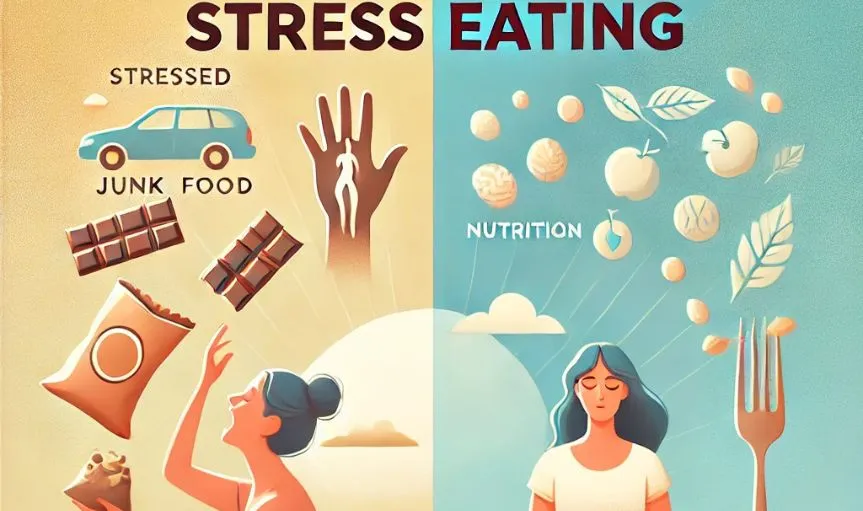
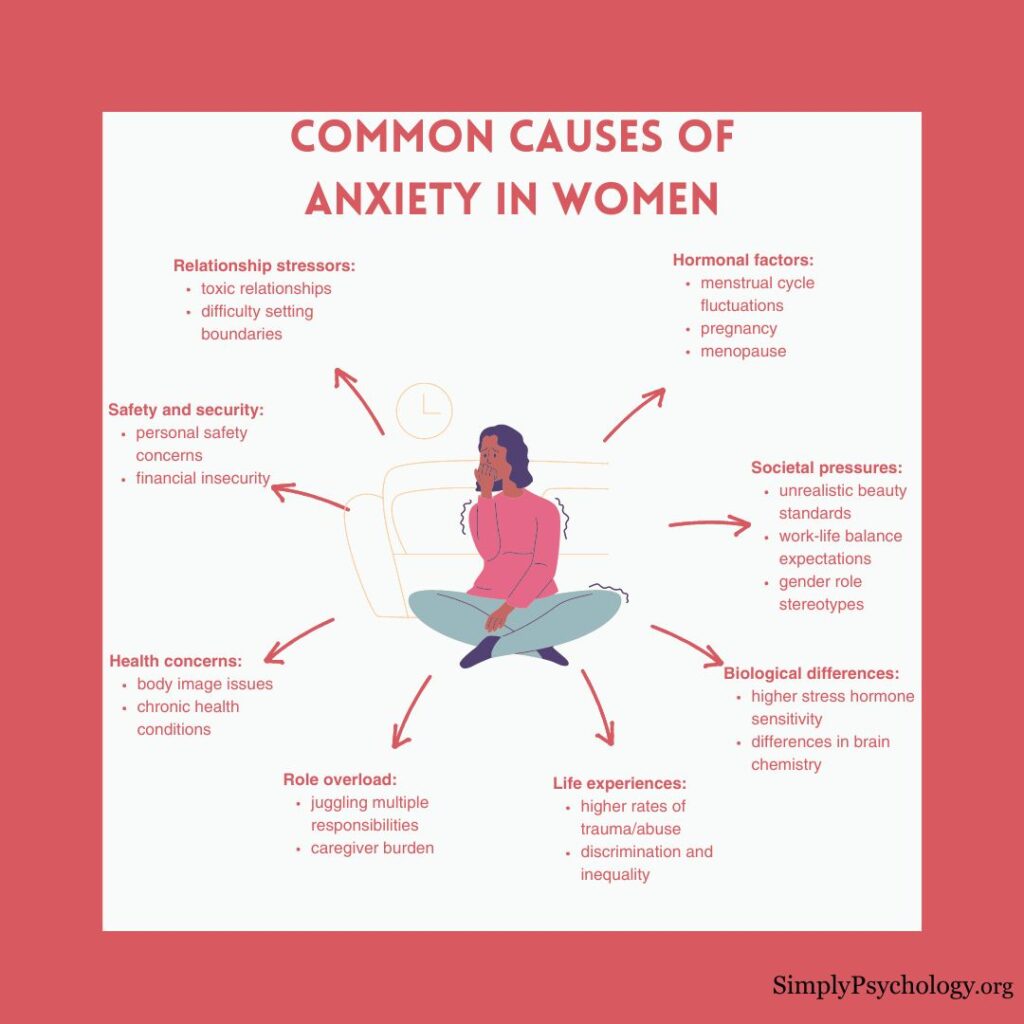
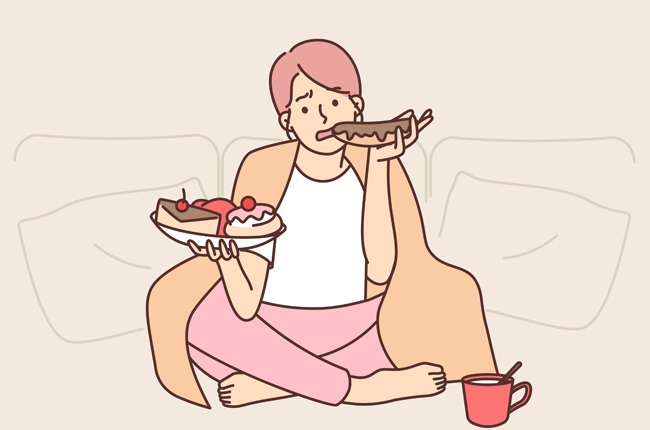
Stress eating is a common phenomenon that affects many women. The journey to understanding the connection between women's health and stress eating is a complex one. Research has shown that women are more susceptible to emotionally triggered eating due to their menstrual cycle and hormonal phases. This phenomenon can lead to unhealthy eating habits, which in turn, can exacerbate stress and worsen overall health outcomes.
How Stress Affects Appetite

Studies have shown that women with high chronic stress levels tend to engage in emotional eating. In addition to psychological responses to stress, there may also be physiological responses. During a stressful event, the body releases cortisol, a hormone that helps the body protect itself. However, if cortisol levels are elevated for a prolonged period, it can lead to a range of negative effects on the body, including weight gain, digestive issues, and changes in appetite.
Sex Differences in Eating Behaviors
Research has also shown that men and women exhibit different eating behaviors in response to stress. While men tend to experience decreased appetite and weight loss, women are more likely to engage in emotional eating. This difference is attributed to hormonal fluctuations during the menstrual cycle and the unique hormonal profiles associated with women's reproductive cycles.