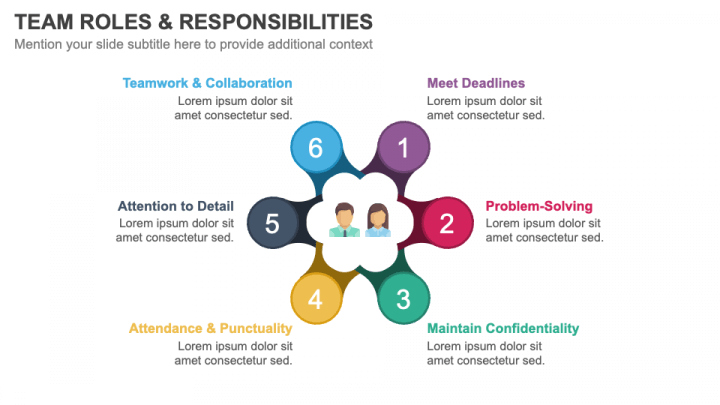
Determining Remote Team Roles and Responsibilities
As the world becomes increasingly digital, remote teams have become the norm in various industries. However, managing a remote team requires more planning, communication, and structure than a traditional office setup. One crucial aspect of building a successful remote team is defining and determining roles and responsibilities. In this article, we will explore the importance of roles and responsibilities, how to define them effectively, and provide strategies for communication and support.
Why Roles and Responsibilities Matter
Roles and responsibilities are the foundation of any successful team. They help ensure that each team member knows their duties, expectations, and performance standards. In a remote setting, clear roles and responsibilities are vital because they aid in avoiding confusion, overlapping tasks, and delayed projects. Without defined roles and responsibilities, remote teams can quickly become frustrated, leading to decreased productivity and morale.

How to Define Roles and Responsibilities
Defining roles and responsibilities requires a thoughtful and deliberate approach. Here are some steps to follow:
- Establish clear job descriptions:** Write detailed job descriptions for each team member, outlining their roles, responsibilities, and performance expectations.
- Identify key performance indicators (KPIs):** Determine the metrics that will measure each team member's success and progress.
- Assign tasks and responsibilities:** Clearly define tasks and responsibilities for each team member, using job descriptions and KPIs as guides.
- Set boundaries and expectations:** Establish clear communication channels, response times, and work hours to avoid confusion and ensure team members know what to expect.