The Relationship Between Ketogenic Diet and GLP 1 Receptors
Obesity is a complex health challenge that requires more than just weight loss; it demands sustained weight management over time. Two of the most promising approaches today are the ketogenic diet and GLP 1 receptor agonists. In this article, we'll delve into the synergy between these two strategies, exploring the benefits, limitations, and practical tips for combining ketogenic diet and GLP 1 receptor agonists for successful weight management.
Understanding GLP 1 Receptors and Ketogenic Diet
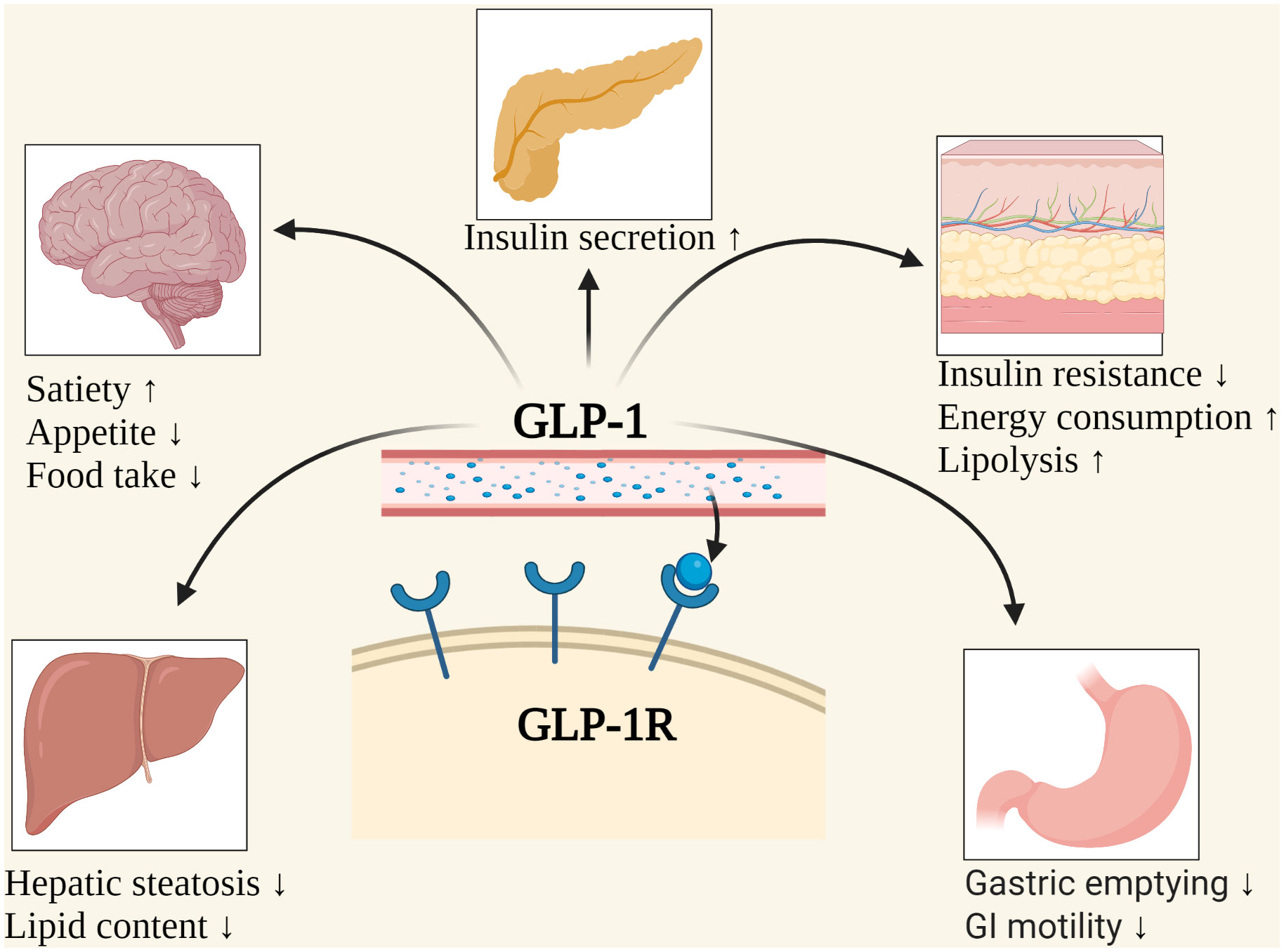
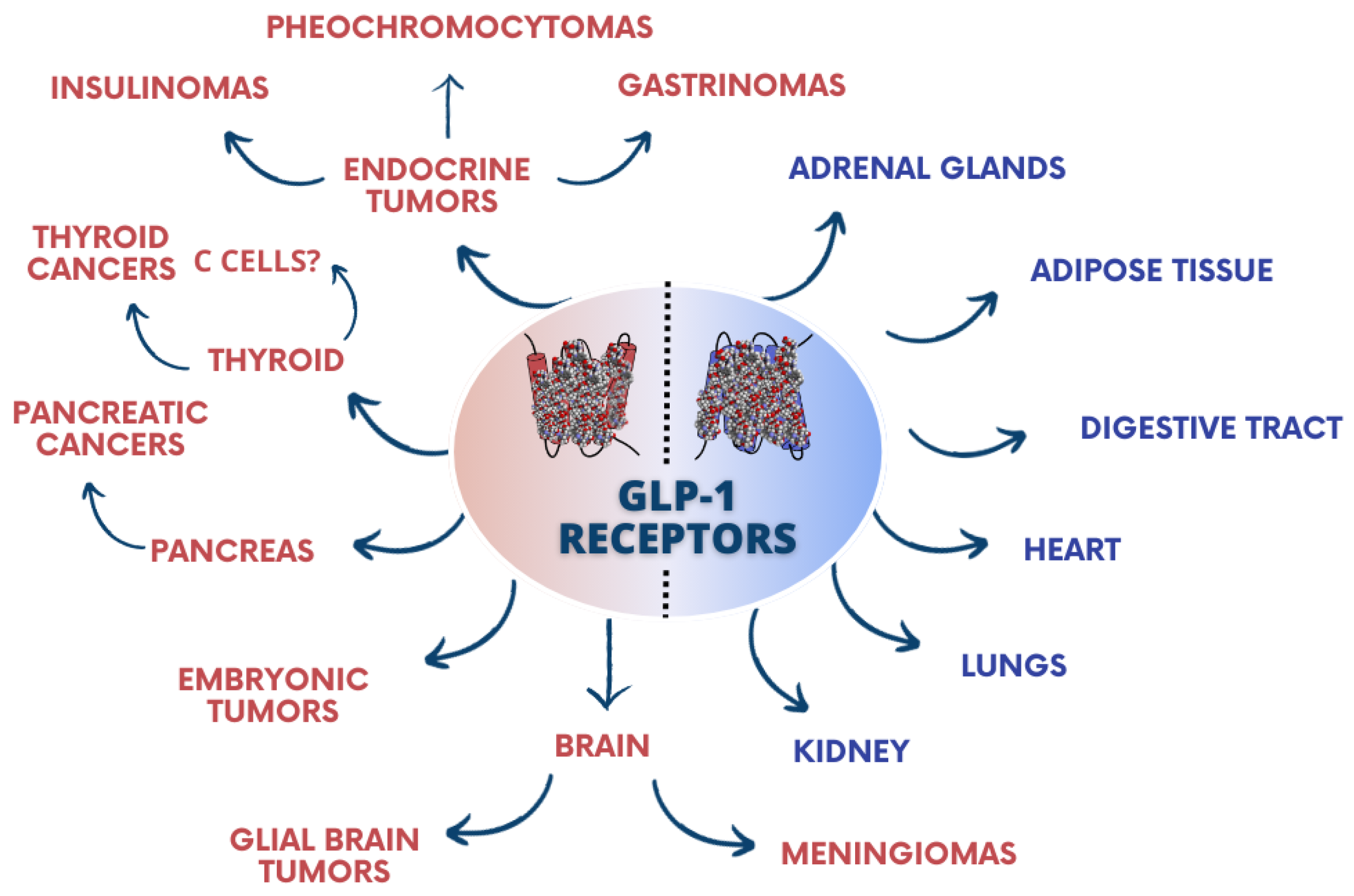
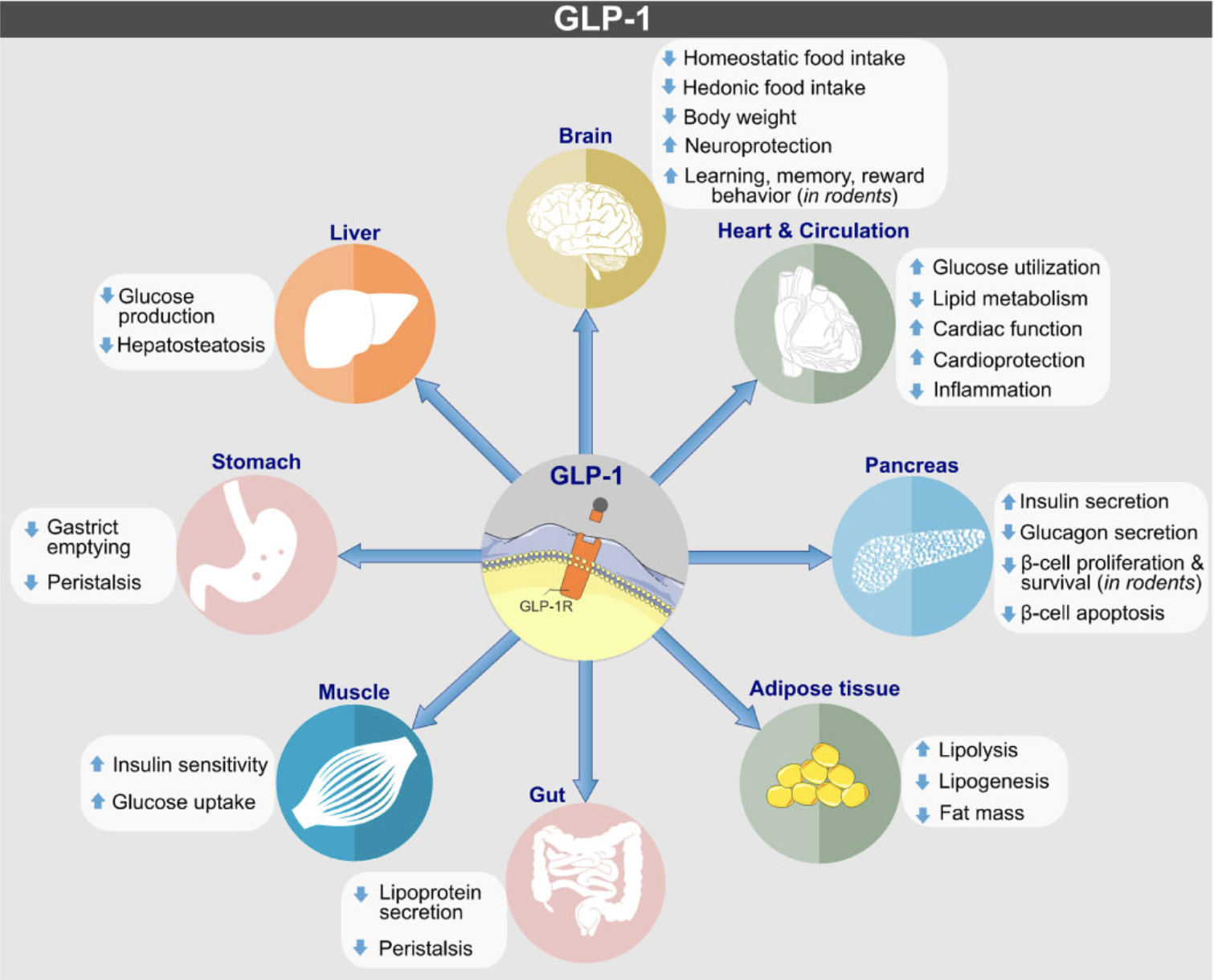
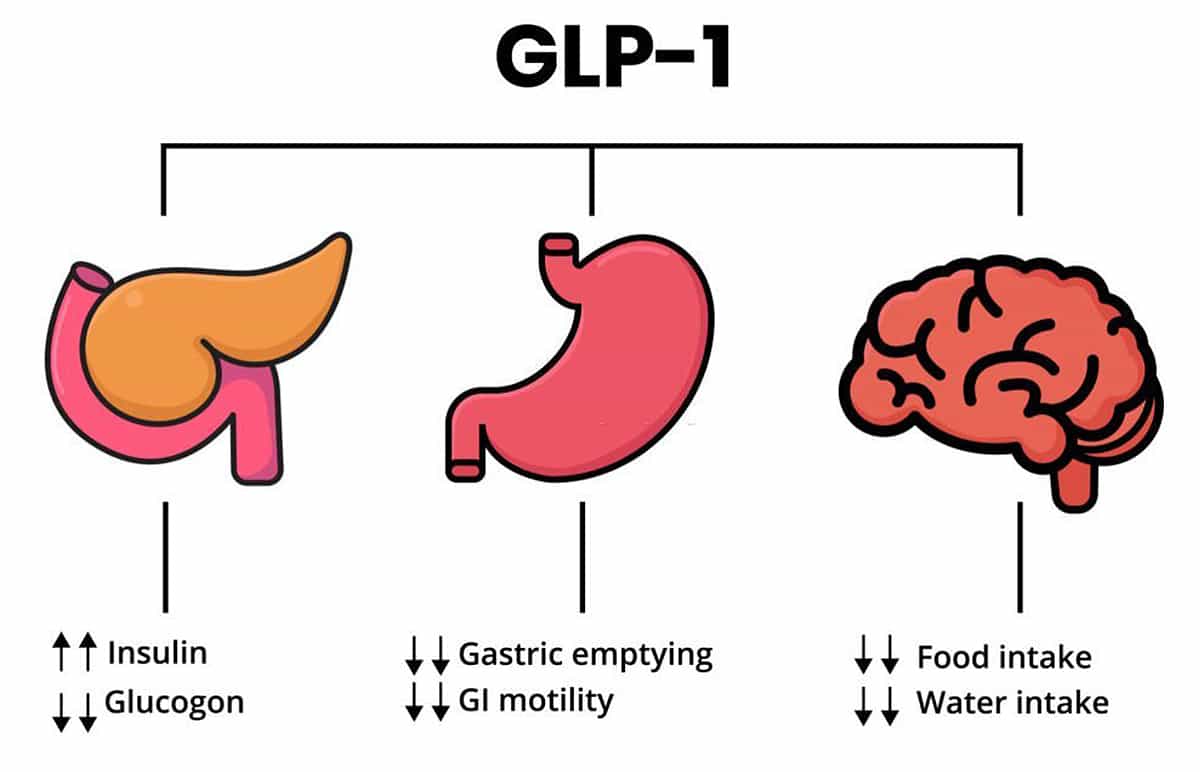
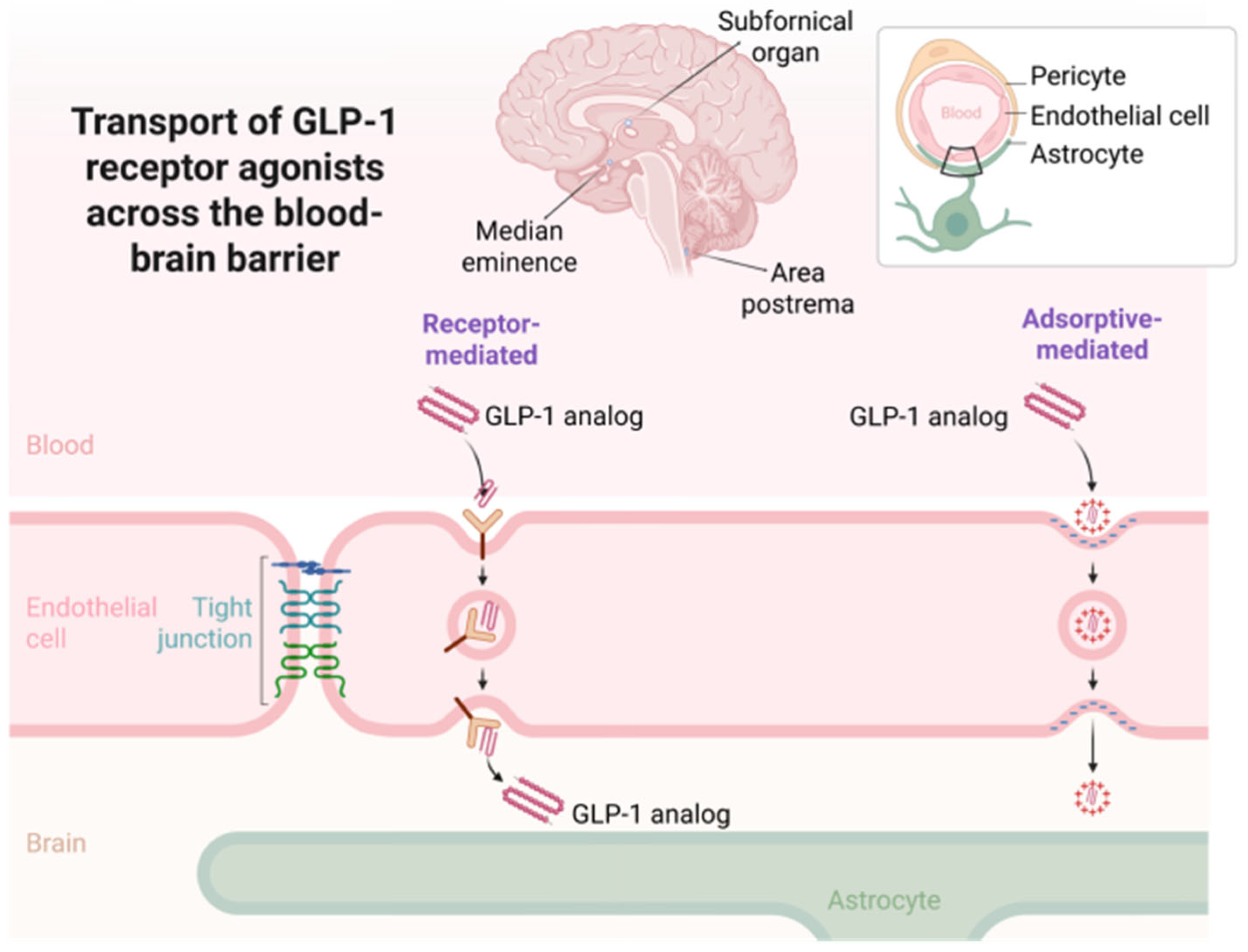
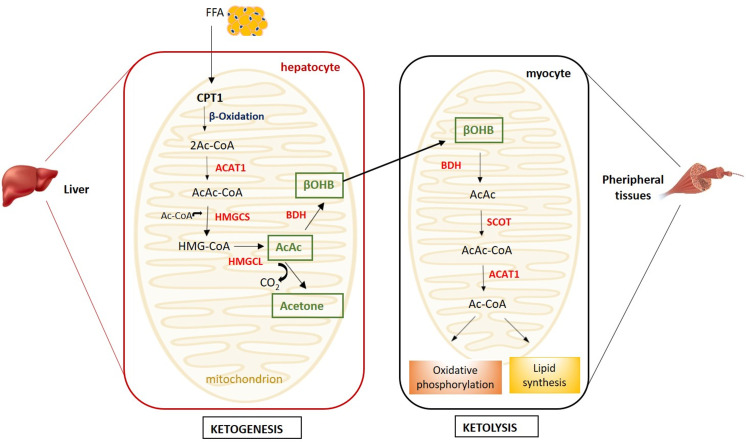
GLP 1 receptors are proteins found in various cells throughout the body, including the brain, pancreas, and intestines. They play a crucial role in regulating blood sugar levels, appetite, and body weight. GLP 1 receptor agonists are medications that mimic the natural action of GLP 1, enhancing insulin secretion, suppressing appetite, and slowing gastric emptying. The ketogenic diet, on the other hand, is a high-fat, low-carbohydrate diet that promotes ketosis, a metabolic state where the body burns fat for fuel.
Benefits of Combining Ketogenic Diet and GLP 1 Receptor Agonists
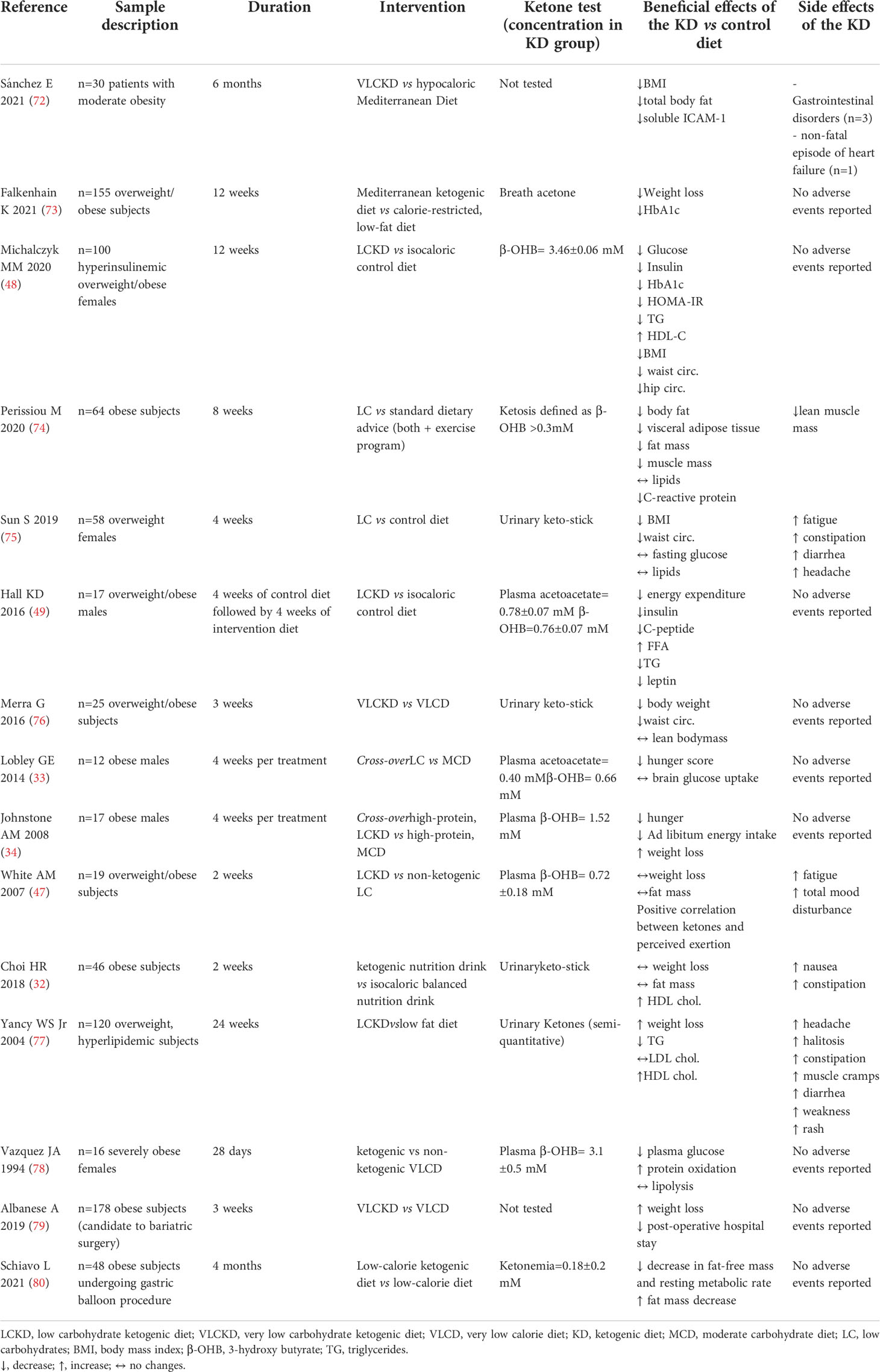
Increased weight loss: Studies have shown that combining ketogenic diet and GLP 1 receptor agonists can lead to greater weight loss than either approach alone.
Improved appetite regulation: The ketogenic diet reduces hunger, while GLP 1 receptor agonists suppress appetite, making it easier to stick to the diet.
Enhanced insulin sensitivity: The combination of ketogenic diet and GLP 1 receptor agonists can improve insulin sensitivity, reducing the risk of developing type 2 diabetes.