Understanding the Role of GLP-1 in Brain Function for Improved Calorie Balance
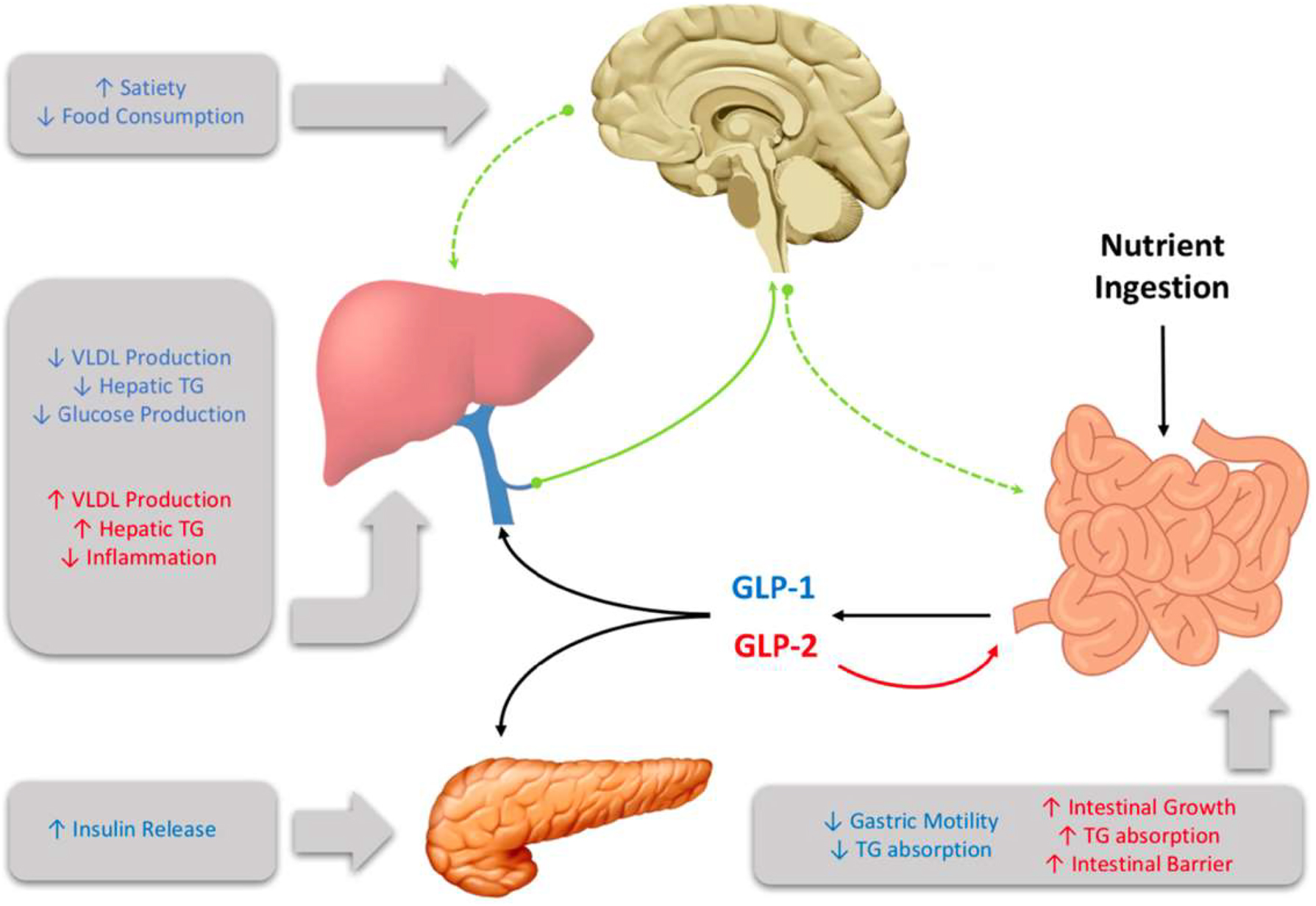
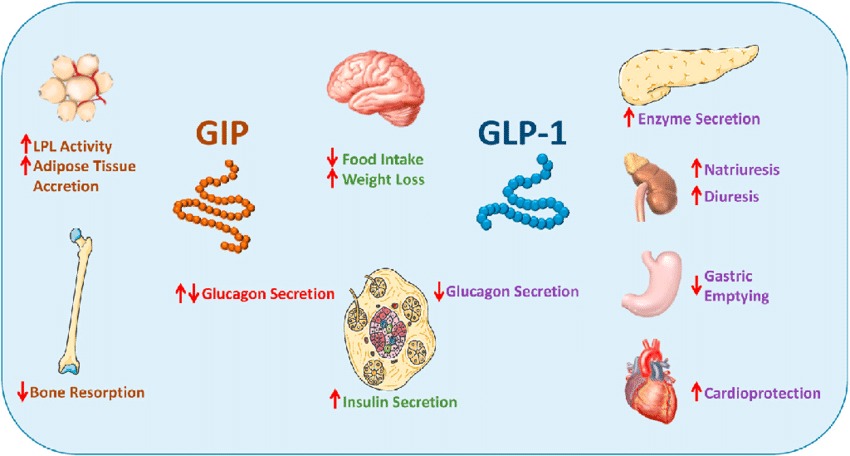
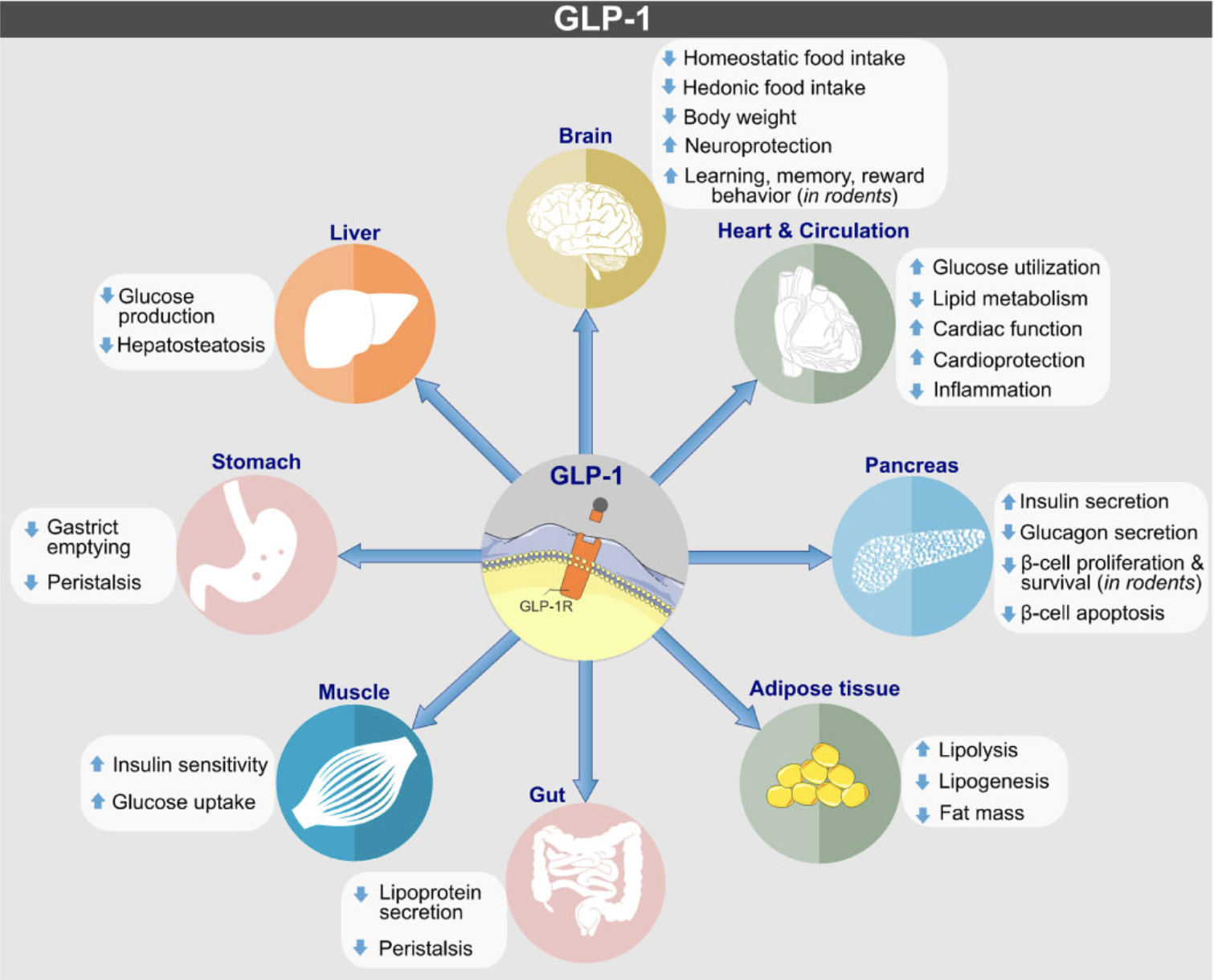
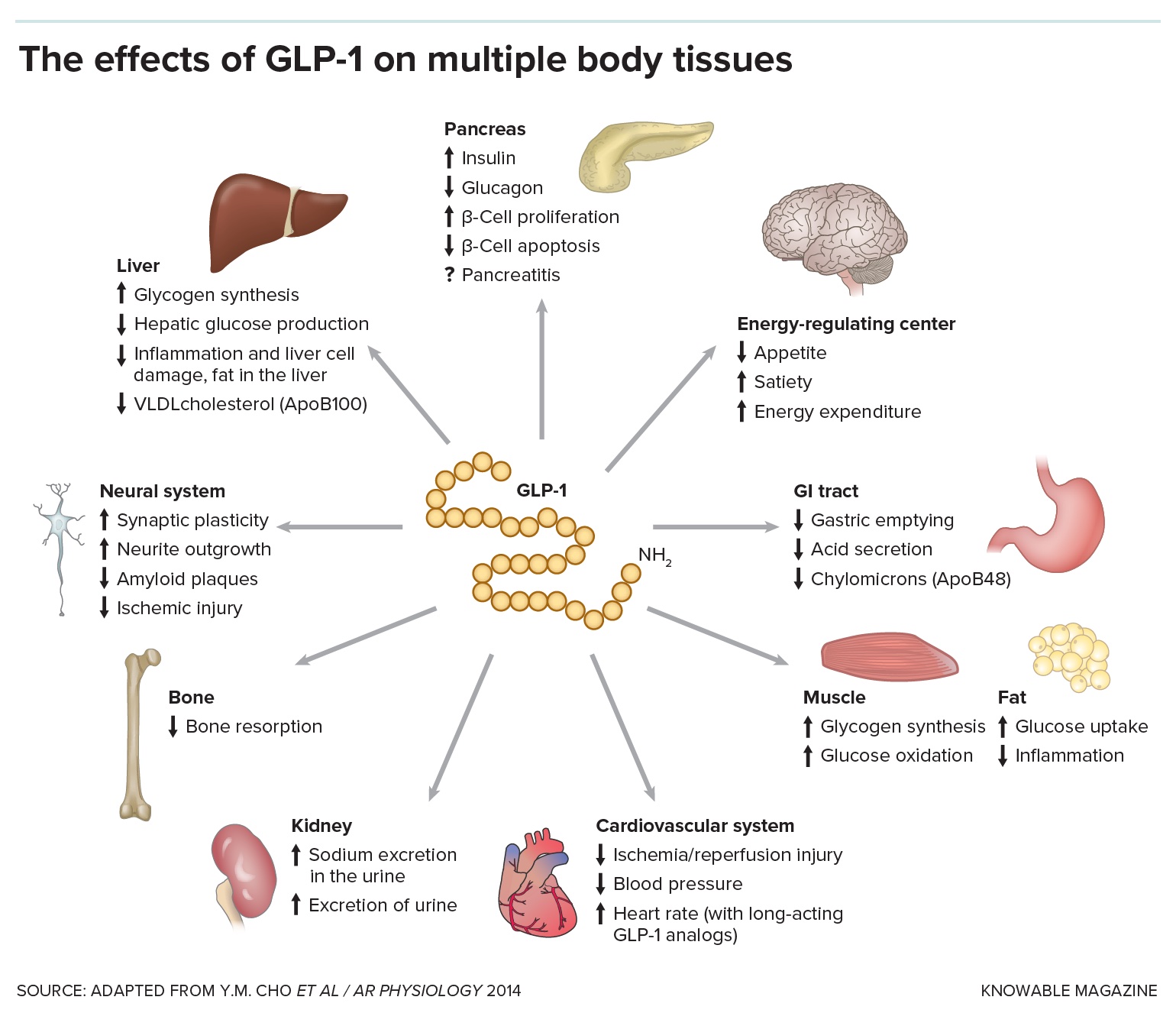
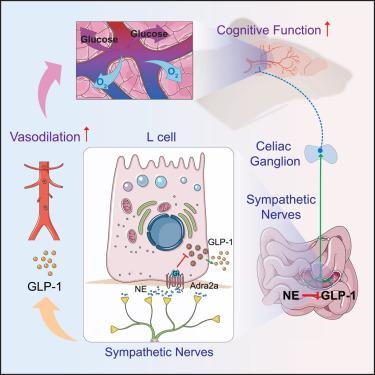
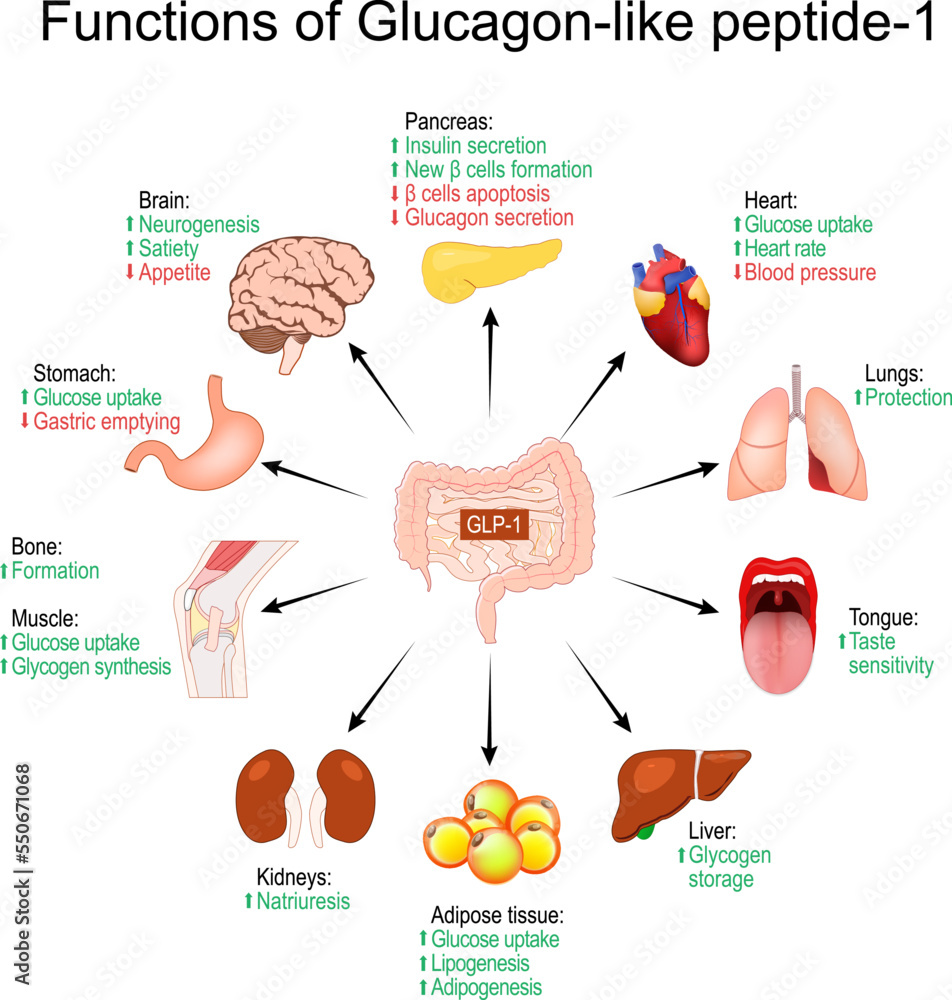
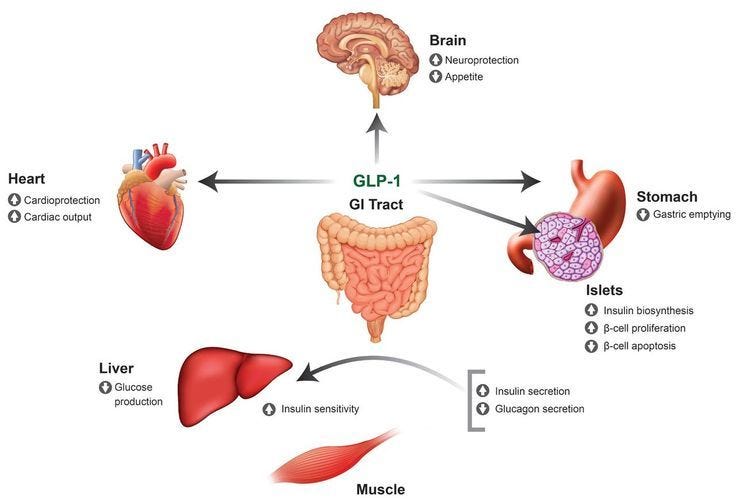
The way we approach weight management and calorie balance is drastically changing, with a growing emphasis on understanding the intricate mechanisms that drive our appetites and metabolism. One hormone has emerged as a key player in this process: glucagon-like peptide-1 (GLP-1). Derived from enteroendocrine cells in the gut and a population of neurons in the caudal medulla, GLP-1 plays a significant role in regulating satiety, gastric motility, and pancreatic endocrine function.
How GLP-1 Signaling Modulates Eating Habits
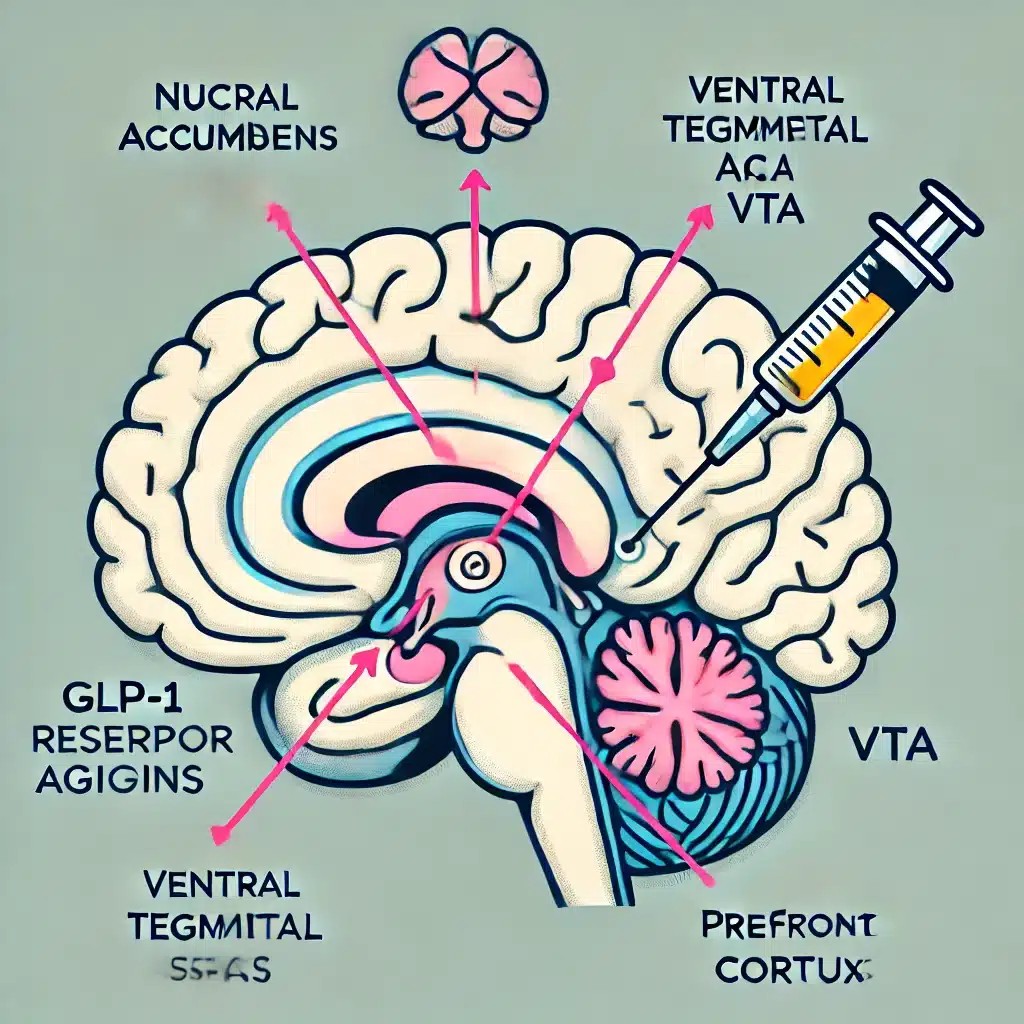
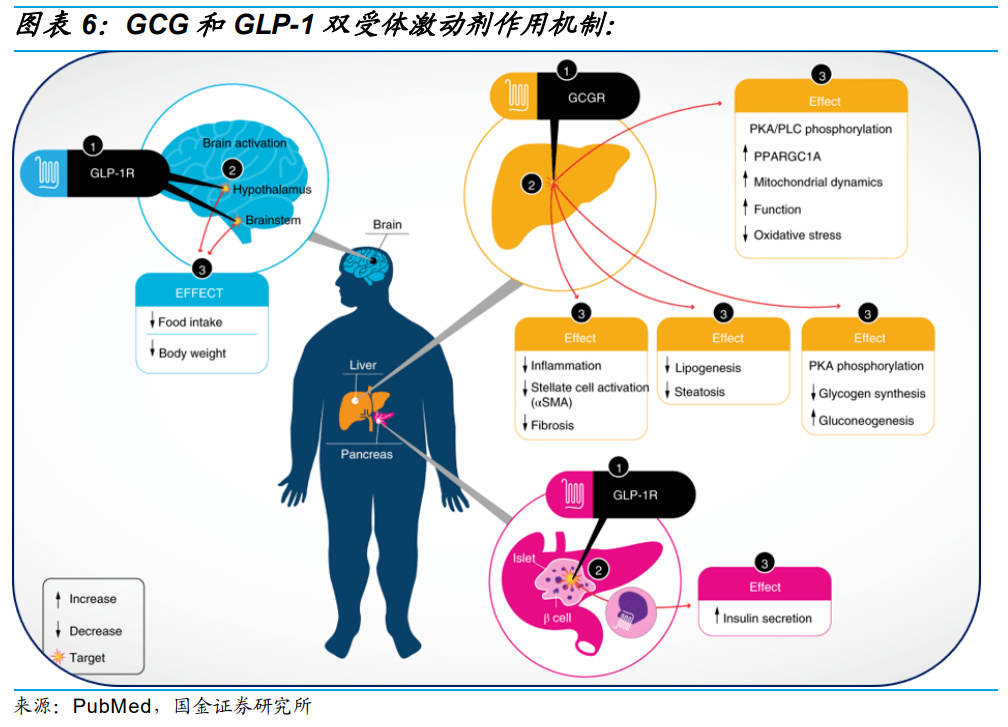
Recent studies highlight the crucial role of GLP-1 in the brain, not only as a peripheral hormone but also as a central signal that affects how we eat. Through its action on glucagon-like peptide-1 receptors (GLP-1R) in the brain, GLP-1 adjusts our appetite, influencing neurotransmitter and peptide release to modulate hunger and energy expenditure. This intricate system of regulation ensures that we feel full and satisfied, signaling appropriate calorie intake to maintain a healthy balance.

GLP-1 Receptor Agonists: The Role in Calorie Balance
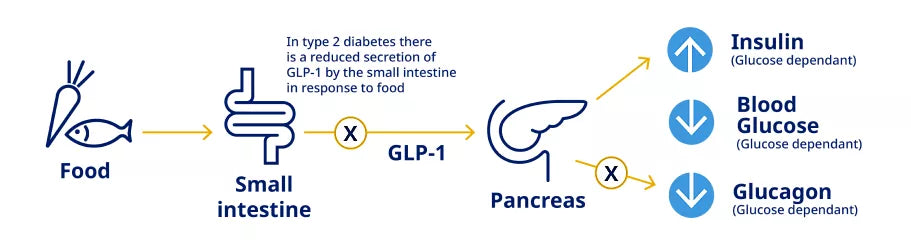
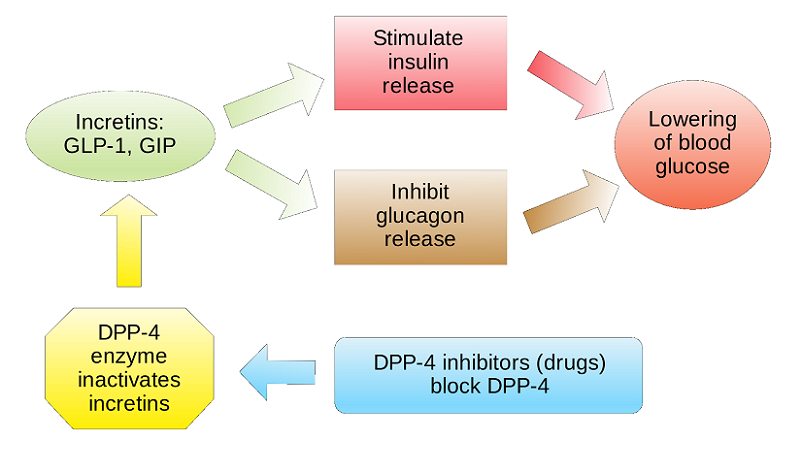
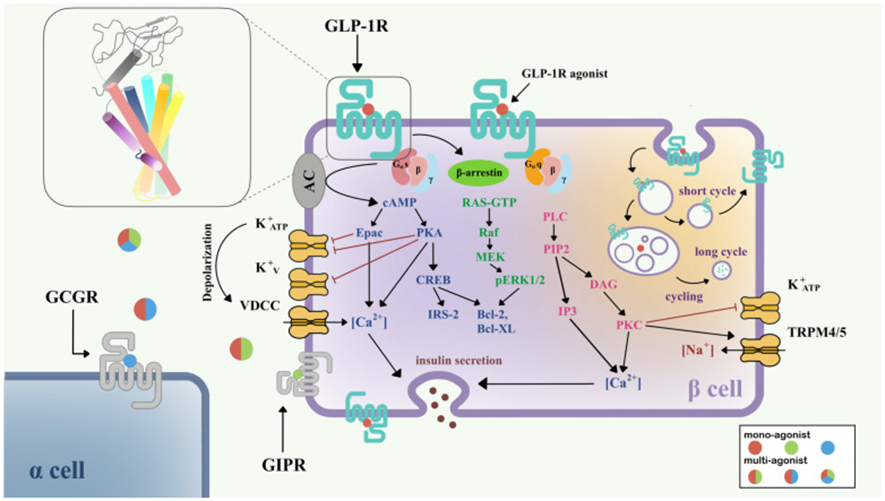
GLP-1 receptor agonists, originally developed to regulate blood glucose levels in type 2 diabetes, have become a cornerstone in managing obesity and metabolic disorders. By mimicking the action of GLP-1, these drugs interact directly with the brain's appetite centers and metabolic signaling pathways, significantly impacting calorie balance. They have been shown to reduce hunger, improve insulin sensitivity, enhance storage of energy, and regulate gut hormones.