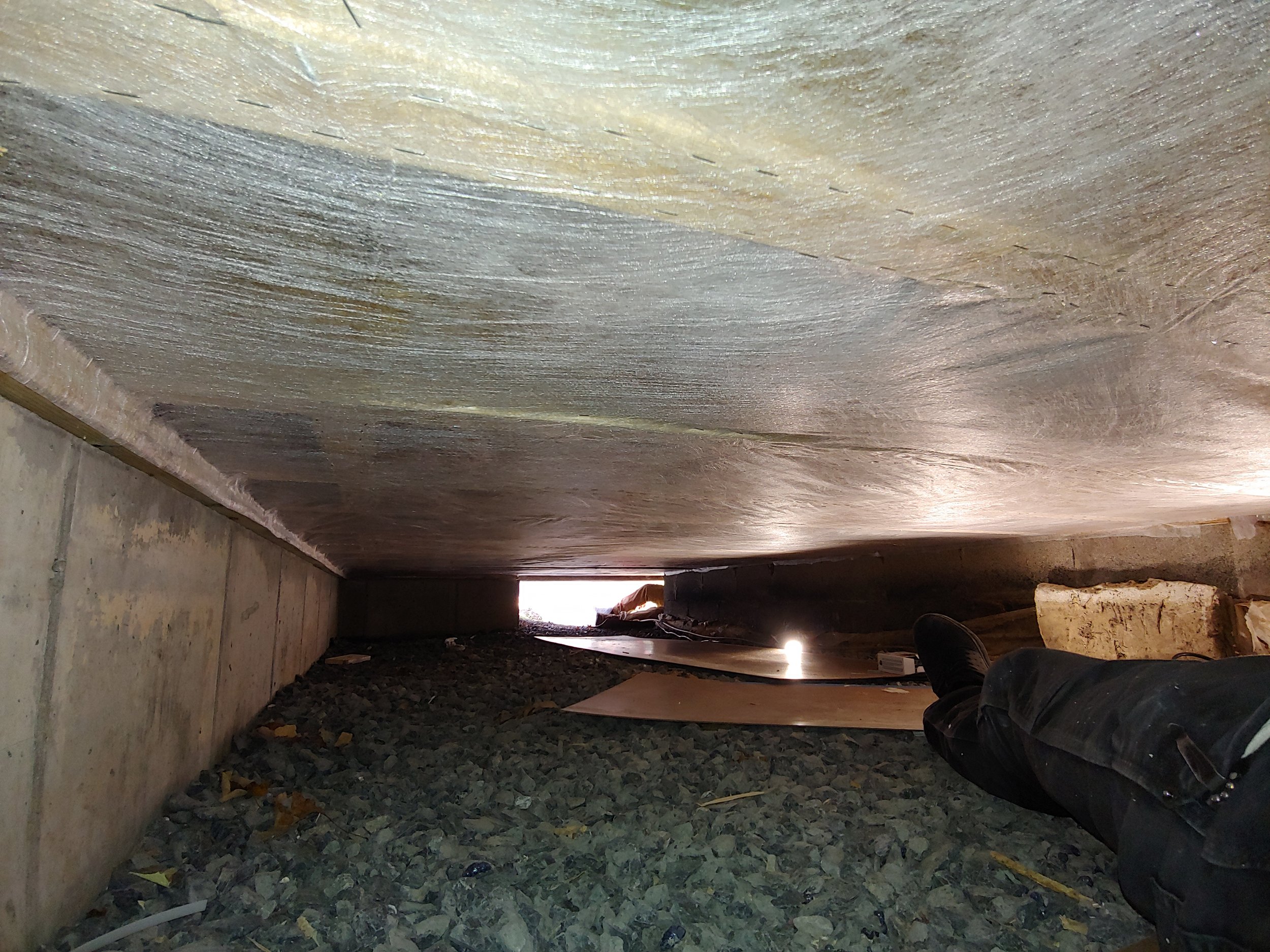
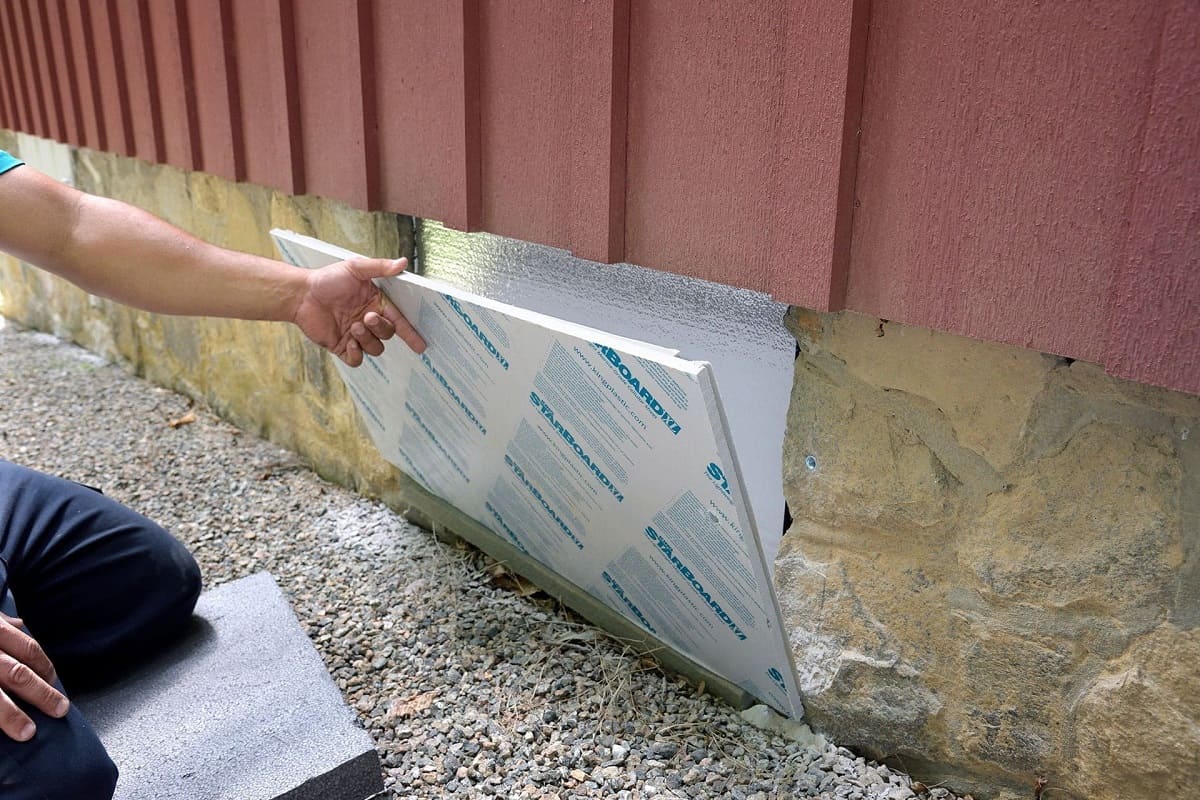
Crawl Space Foundation Insulation: The Ultimate Solution for Energy Efficiency and Comfort
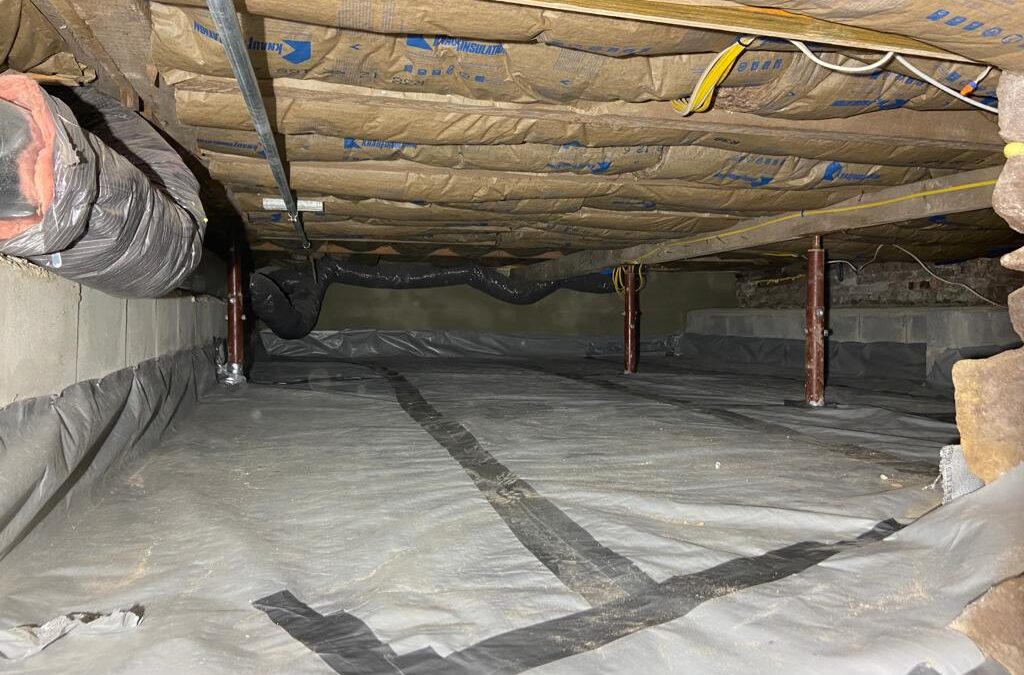
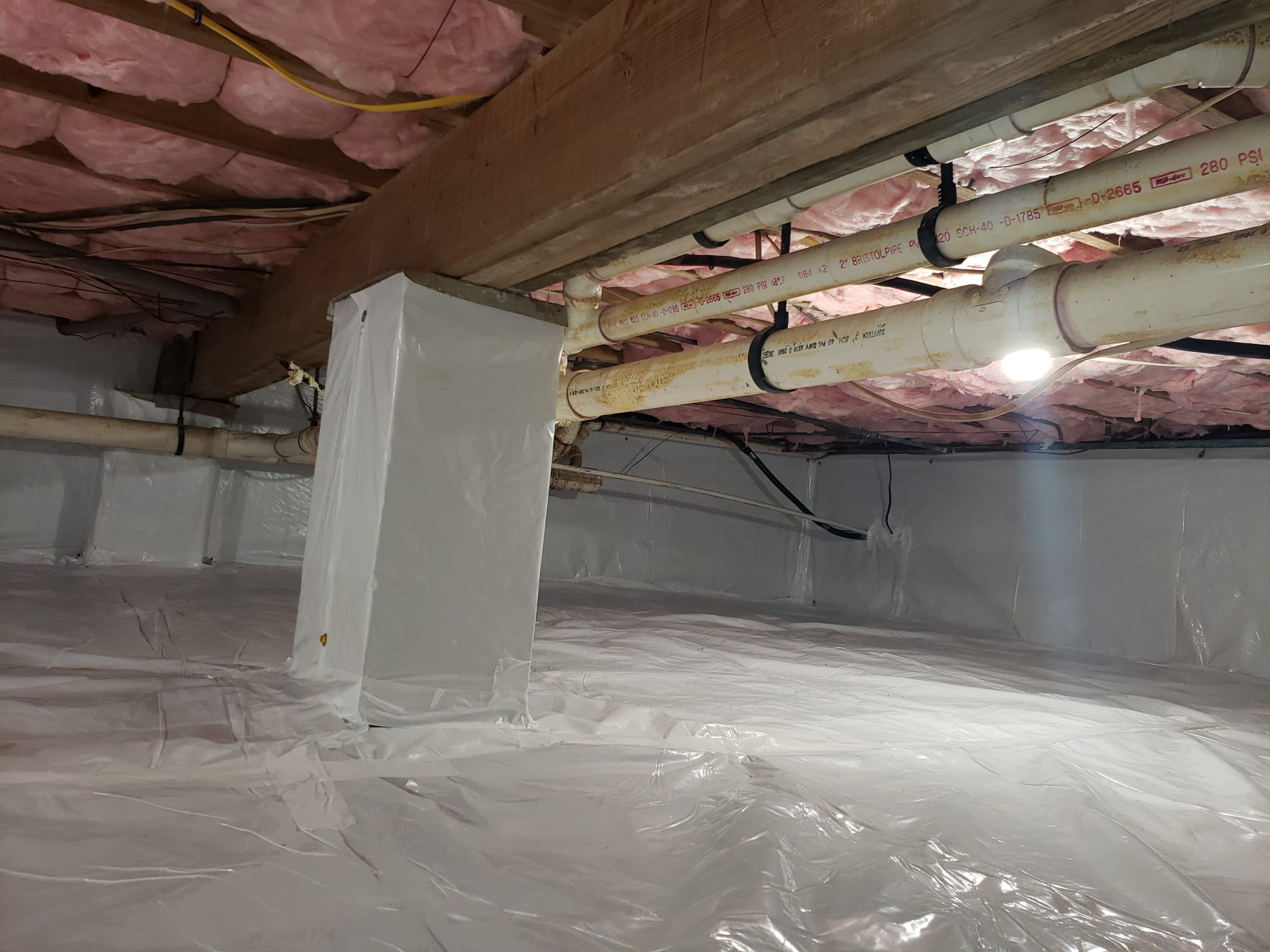
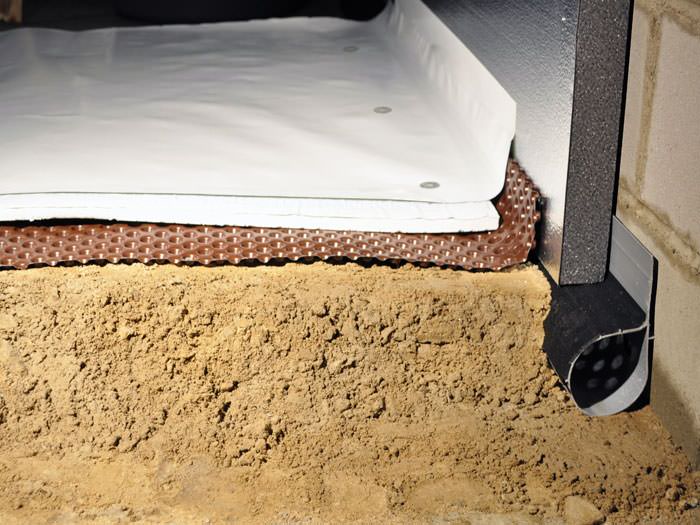
A crawl space must be adequately insulated to reap the temperature-regulating benefits. Insulating your crawl space is a crucial aspect of maintaining a comfortable and energy-efficient living space. In this comprehensive guide, we will delve into the world of crawl space foundation insulation, exploring the benefits, materials, and methods for a successful DIY installation.
The Importance of Crawl Space Foundation Insulation
Insulating your crawl space can have a significant impact on your home's energy efficiency and comfort. A well-insulated crawl space can help regulate the temperature, reduce energy bills, and prevent issues like mold and moisture damage. Inadequate insulation, on the other hand, can lead to a range of problems, including:
- Cold floors and uncomfortable living spaces
- High energy bills due to heat loss and gain
- Mold and moisture damage to your home's foundation and walls
- Poor indoor air quality due to moisture and humidity
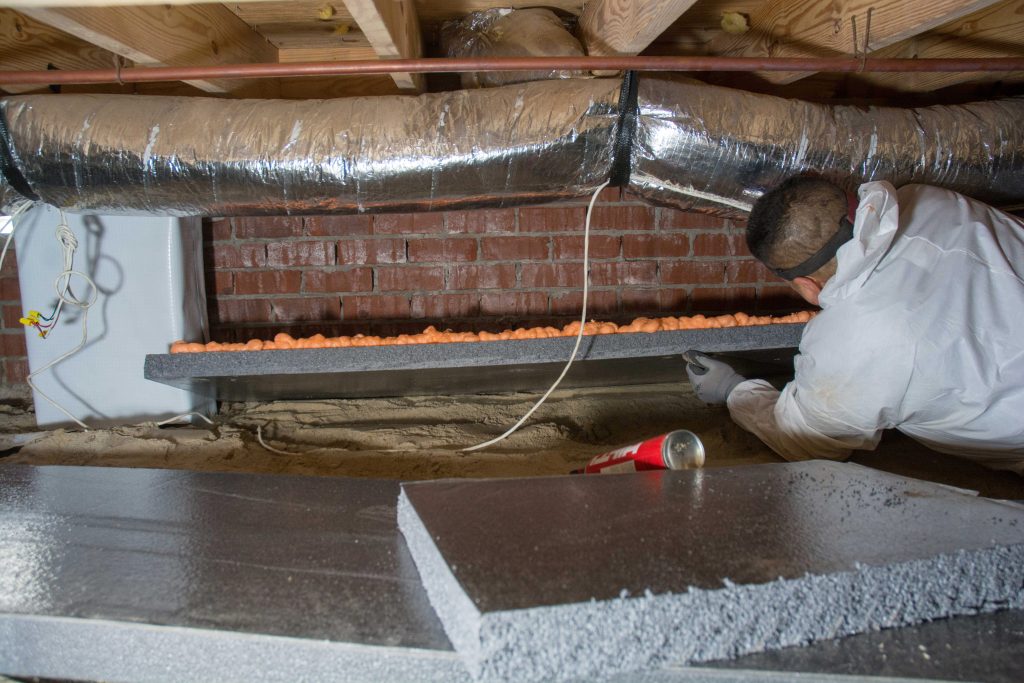
Crawl Space Foundation Insulation Materials
Choosing the right insulation material is critical to achieving a dry, energy-efficient crawl space. Different materials offer varying levels of moisture resistance, thermal insulation, and durability. Some of the most popular crawl space foundation insulation materials include:
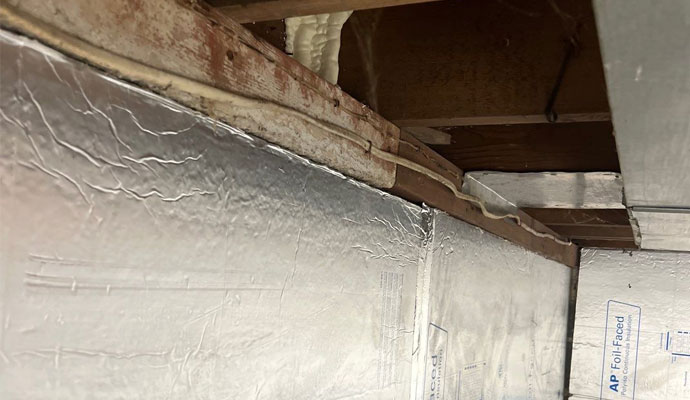
- Rigid Foam Board (Extruded Polystyrene - XPS or Polyisocyanurate - Polyiso): Ideal for its high R-value, moisture resistance, and ease of installation
- Spray Foam Insulation: Offers excellent thermal insulation, moisture resistance, and can be used in a variety of applications
- Fiberglass Batt Insulation: A cost-effective option that provides good thermal insulation and can be installed in tight spaces
- Cellulose Insulation: A eco-friendly option that provides good thermal insulation and can be used in a variety of applications