The Benefits of Remote Team Management: Boosting Productivity and Morale
With the rise of remote work, managing a high-performing team remotely has become a necessity for many organizations. But, it requires structure, outcomes-focused leadership, and strong communication systems to succeed. In this article, we will explore the benefits of remote team management, strategies for effective leadership, and tools to enhance productivity and morale.
Why Remote Team Management is the Future of Work
The demand for remote work remains high, with many employees preferring the flexibility and work-life balance that comes with it. According to a recent survey, 70% of employees prefer remote work, while 55% of employers believe that remote work improves productivity.

Managing a remote team, however, comes with its own set of challenges, including communication barriers, trust issues, and disconnection from the team. But, with the right strategies and tools, you can overcome these challenges and reap the benefits of remote team management.
Benefits of Remote Team Management
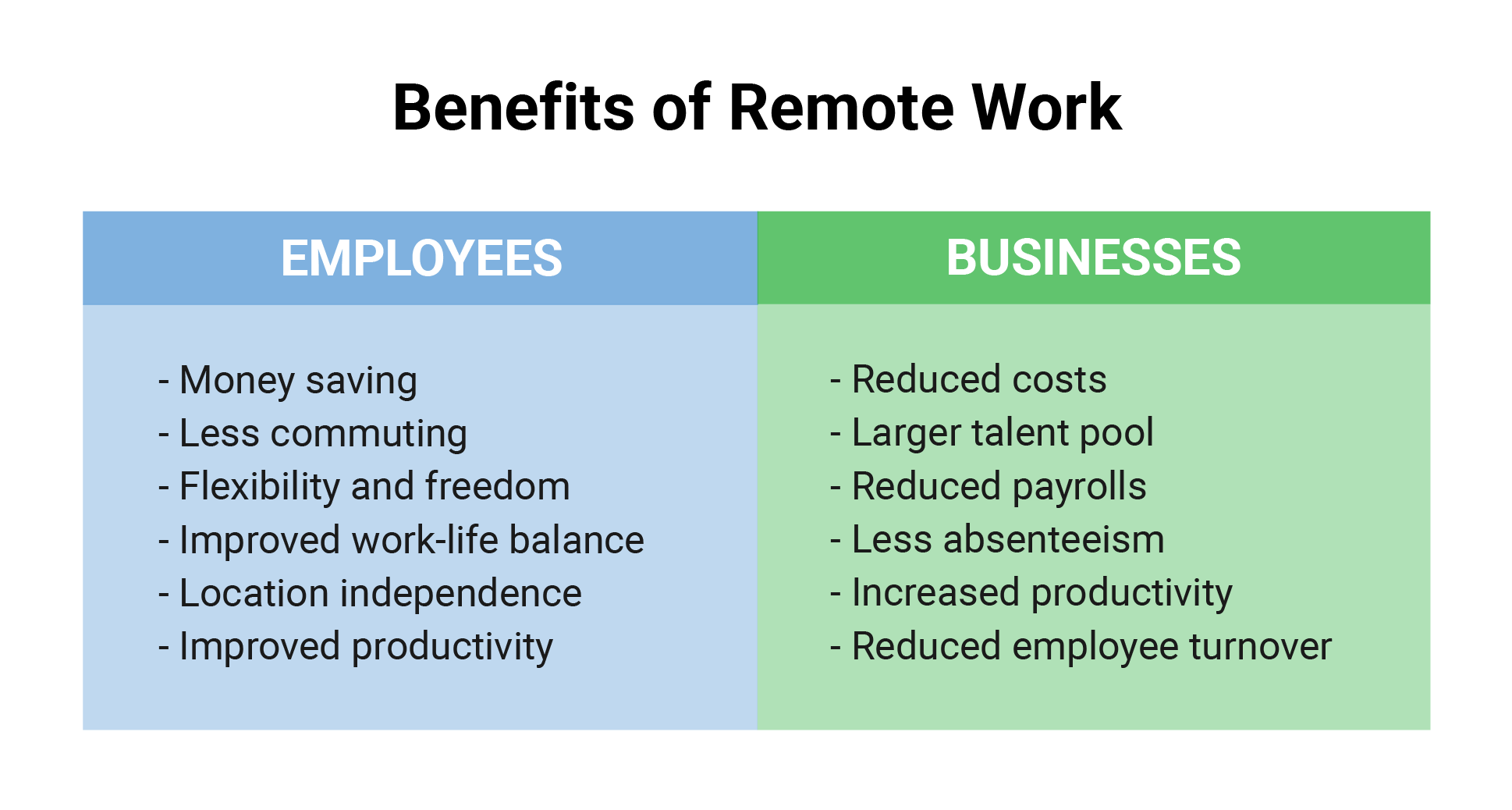
- Increased Productivity**: Remote work allows employees to work in their most productive environment, leading to increased productivity and better work quality.
- Improved Work-Life Balance**: With the flexibility to work from anywhere, employees can take care of personal errands, attend to family needs, and maintain a healthy work-life balance.
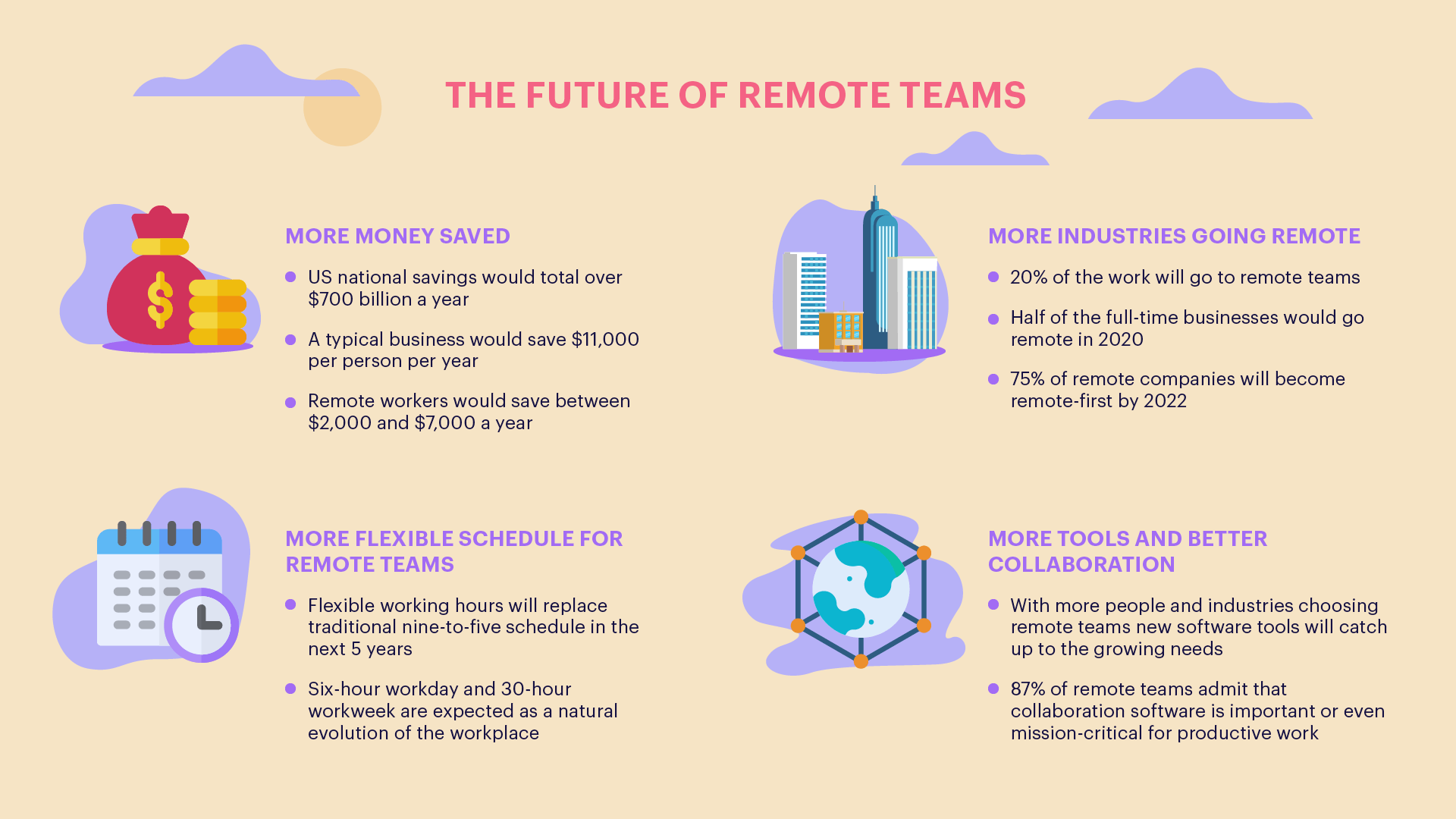
- Cost Savings**: Telecommuting reduces the need for office space, utilities, and other overhead costs, leading to significant cost savings for employers.
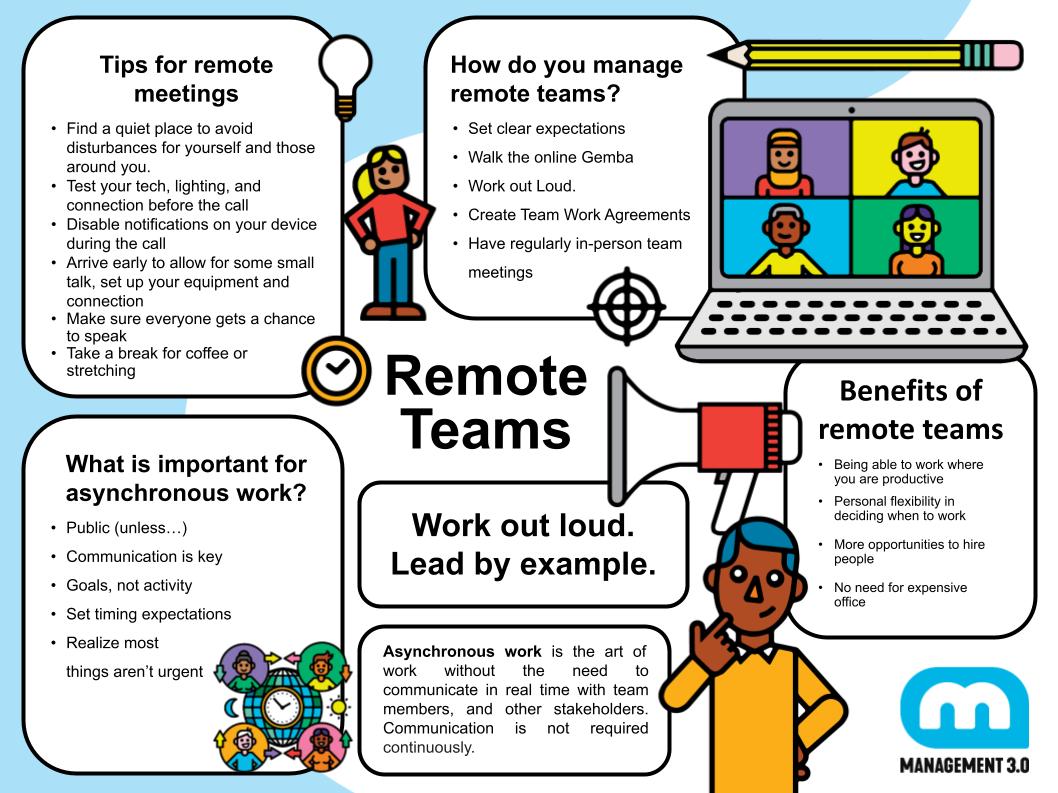
- Access to Global Talent**: Remote team management allows employers to hire the best talent from all over the world, regardless of geographical location.
- Increased Job Satisfaction**: Employees who work remotely are more likely to be satisfied with their jobs, leading to reduced turnover rates and increased retention.
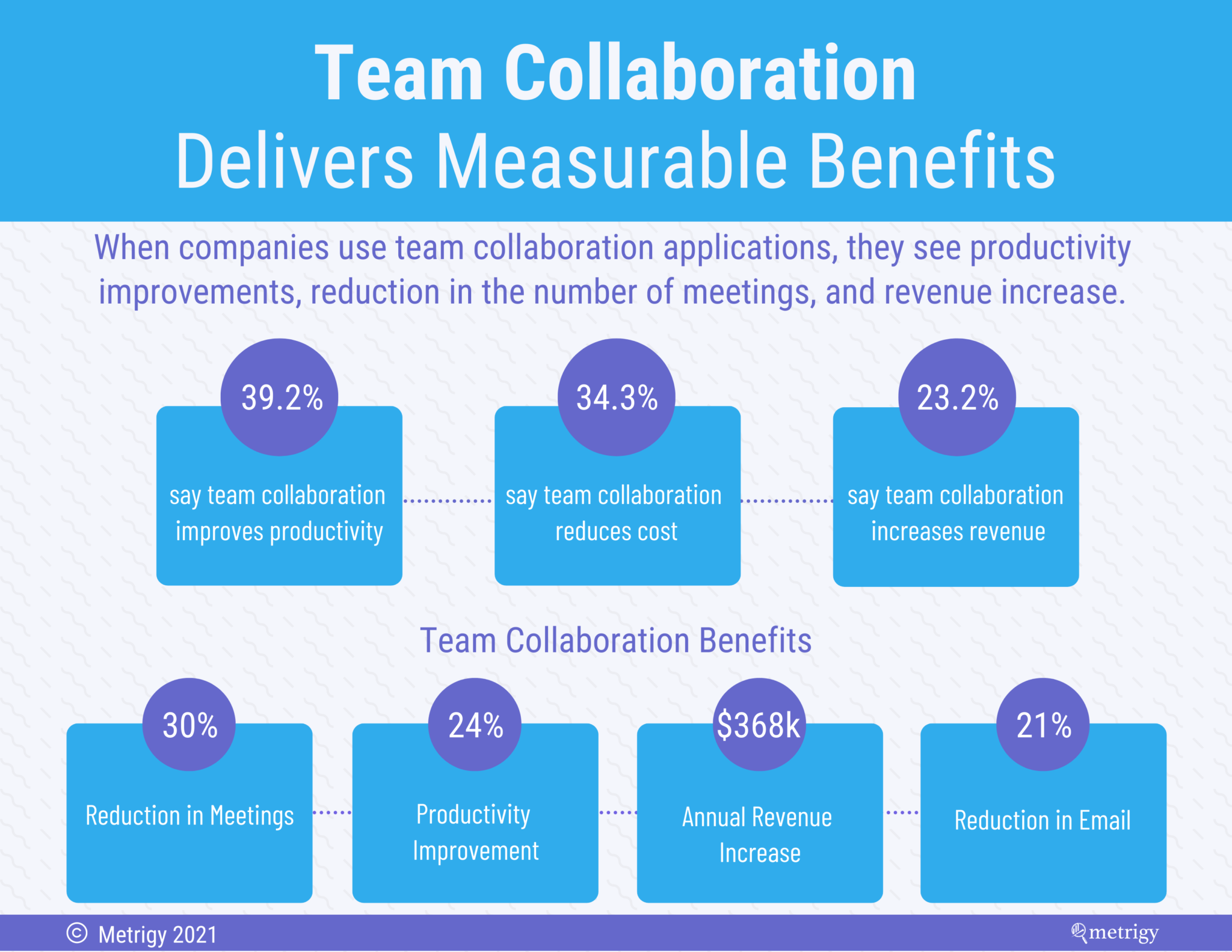
- Improved Communication**: Regular virtual meetings, instant messaging, and collaboration tools help to improve communication and reduce misunderstandings.