Export Licensing and Rules: A Comprehensive Guide for Businesses
If you're a business owner who exports products or services to foreign countries, you're aware of the importance of complying with regulations and rules. Export licensing and rules are complex and constantly evolving, and violating them can result in severe penalties and reputational damage.
The Basics of Export Licensing and Rules
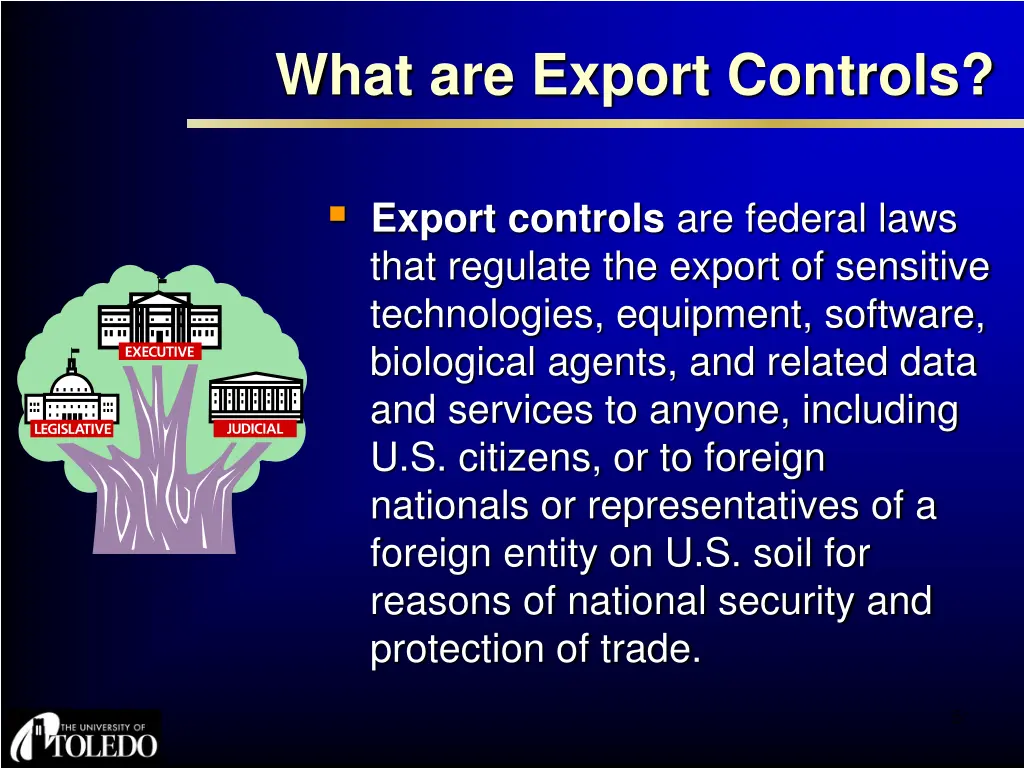
Export licensing and rules are set by governments to regulate the export of certain goods, software, and technology to foreign destinations. The regulations aim to protect national security, prevent proliferation, and ensure that exports don't harm the environment or local communities.
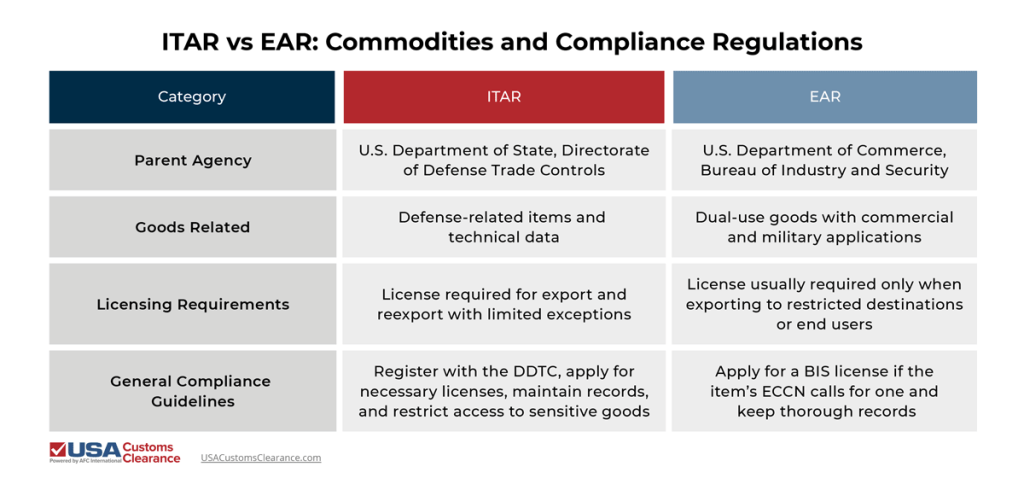
Three Key Agencies Involved in Export Regulations
- The U.S. Customs and Border Protection (CBP)
- The Bureau of Industry and Security (BIS)
- The Department of Commerce

Each of these agencies plays a crucial role in regulating exports and ensuring compliance with regulations.
The 95 Percent Myth: Understanding Deemed Exports
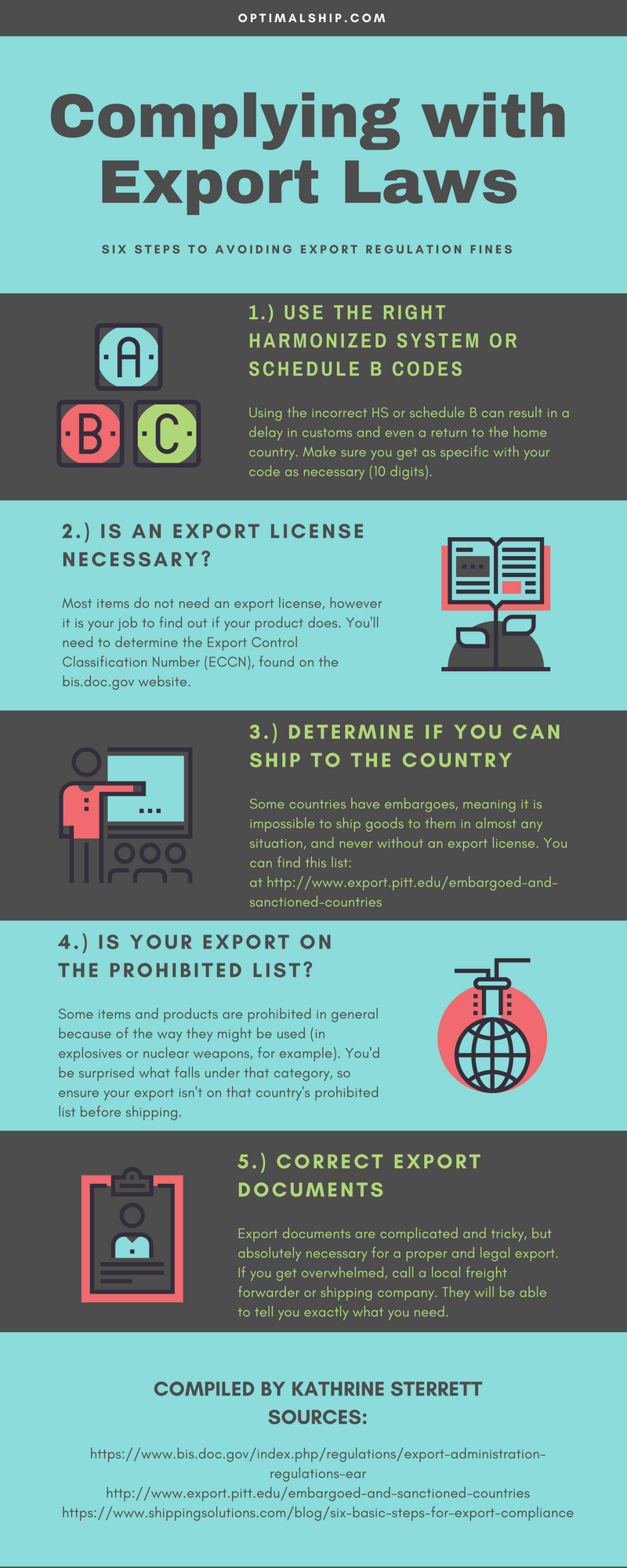
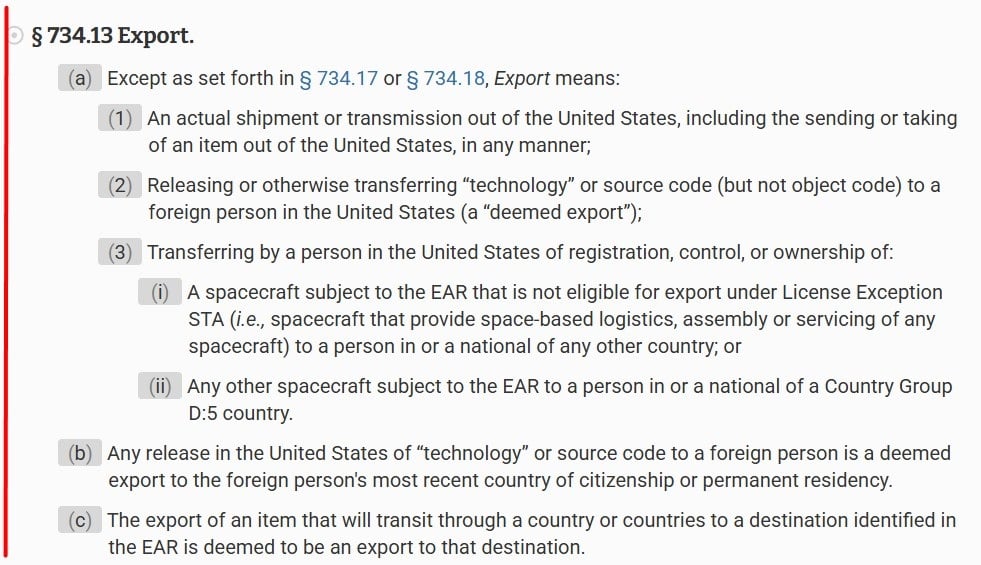
The 95 percent myth suggests that 95 percent of exports don't require a license. However, this is only partially true. Deemed exports, which include research and development collaborations, testing, and training, may require licenses, even if the exported item is not specifically listed on the Commerce Control List.