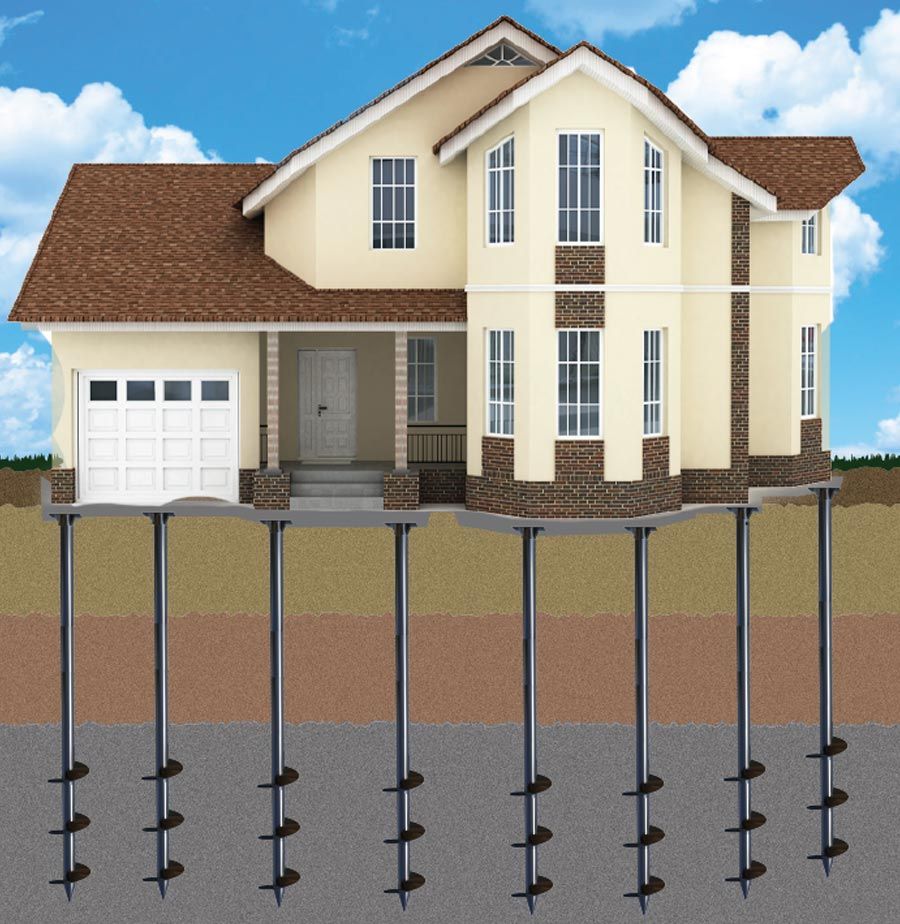
Stabilizing a Weak Foundation: A Comprehensive Guide
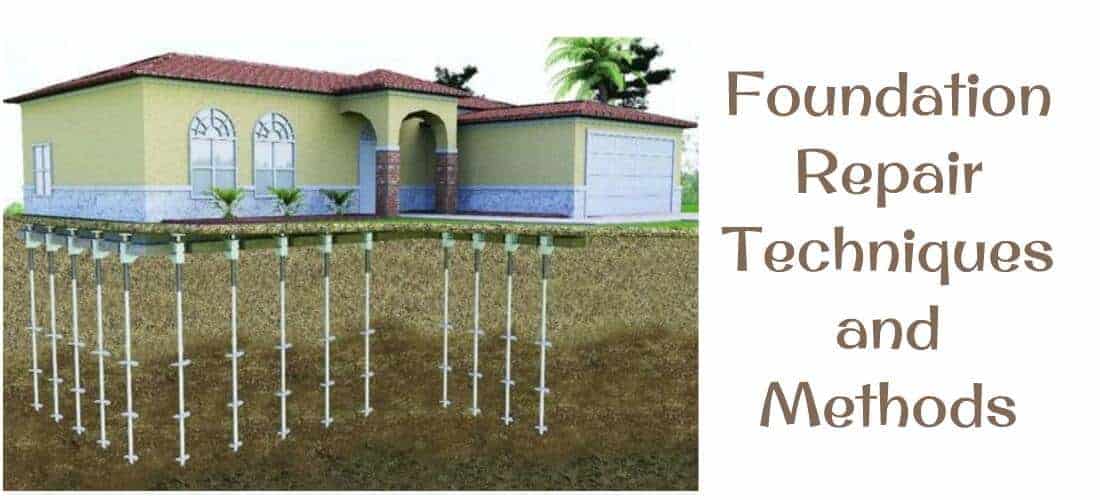
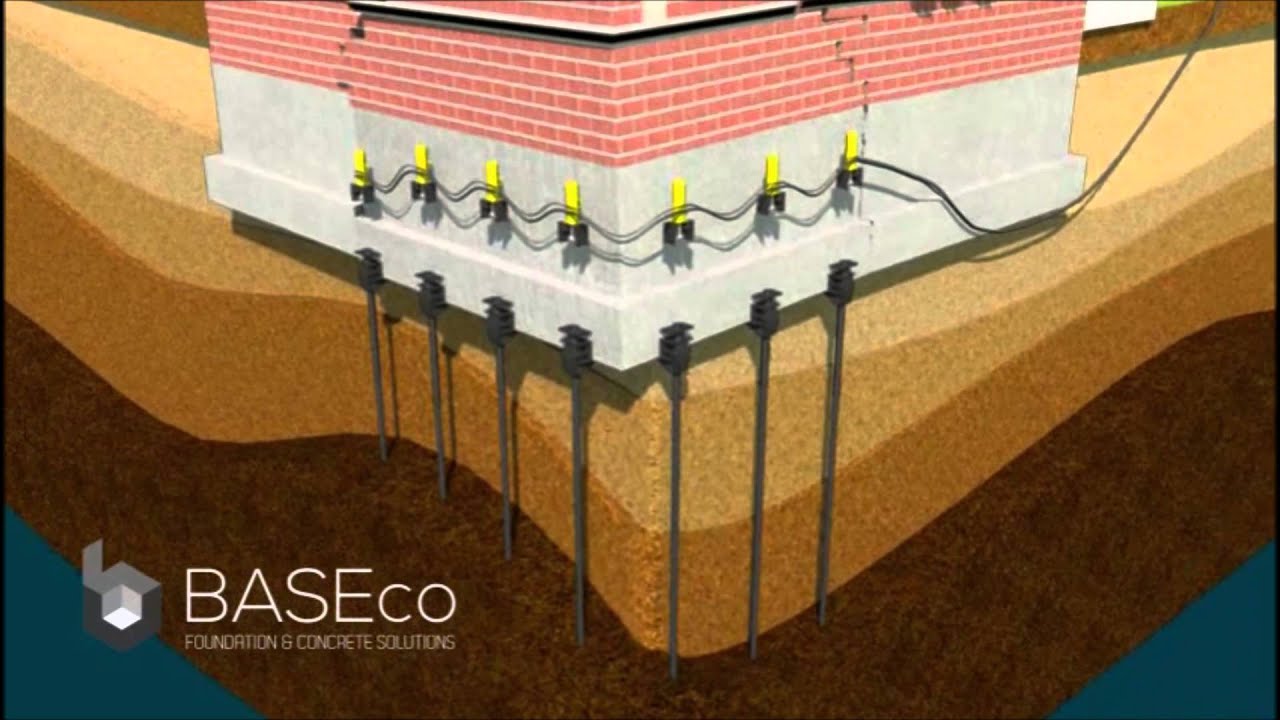
A strong foundation is the backbone of any building, and when it becomes weak, it can lead to catastrophic consequences. Foundation instability can result in costly repairs, structural damage, and even safety hazards. In this article, we will delve into the world of foundation stabilization, exploring the causes of weak soil, early warning signs, and the best solutions to fix foundation problems.
Causes of Weak Soil
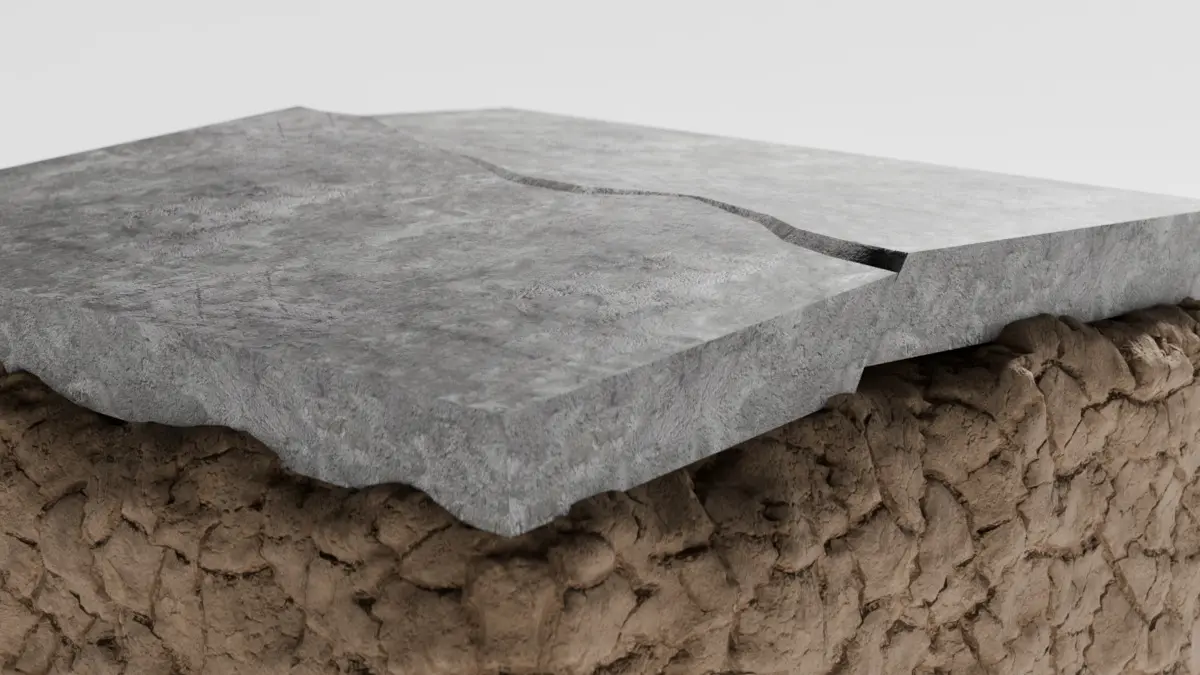
The soil beneath your foundation can be a minefield of potential problems. factors that can weaken the soil and lead to foundation instability include:
- Settling and Erosion: Soil can settle and erode over time, causing the foundation to shift and become unstable.
- Water Damage: Excessive water can seep into the soil, causing it to become saturated and weak.
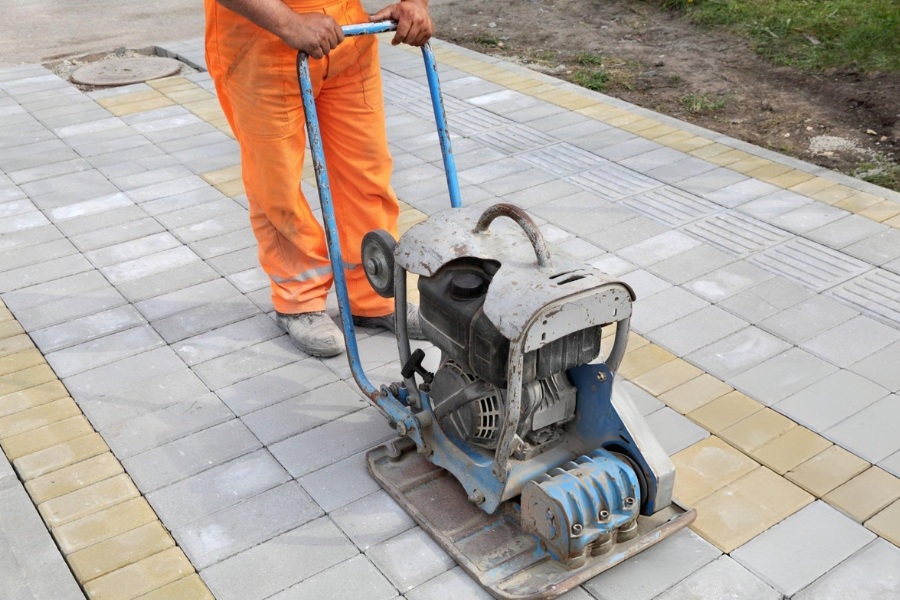
- Poor Soil Compaction: Insufficient compaction during construction can leave the soil in a state of low density, making it prone to settling and erosion.
- Frozen Soil: Frozen soil can cause the foundation to heave, leading to cracks and structural damage.
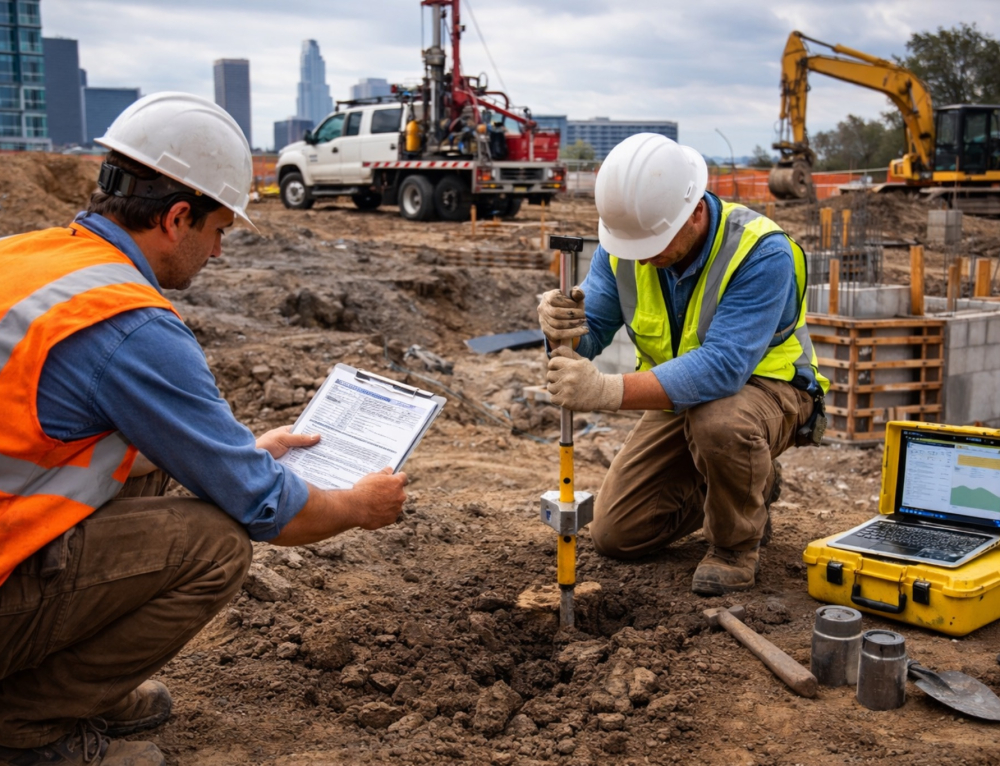
Early Warning Signs of Foundation Instability
Don't wait until it's too late! Be aware of these early warning signs of foundation instability:
- Cracks in Walls and Ceilings: Hairline cracks can be a sign of settlement, while larger cracks can indicate more severe foundation problems.
- Unlevel Floors: Do you notice that your floors are no longer level or that you have to navigate uneven surfaces?
- Doors and Windows Sticking: This can be a sign that your foundation is shifting.
- Water Leaks: Leaks in your basement or crawl space can indicate water damage and foundation instability.