Understanding the Importance of US Export and Import License
The United States is one of the largest economies in the world, and its export and import regulations play a crucial role in shaping the country's trade policies. The US Export and Import License is a government-issued document that authorizes or grants permission to conduct a specific export transaction, including the export of technology. In this article, we will delve into the world of US export and import regulations, exploring the types of licenses required, the role of government agencies, and the benefits of compliance.
Types of Licenses Required for Export and Import
The types of licenses required for export and import in the US vary depending on the commodity being traded. Some examples of licenses include:
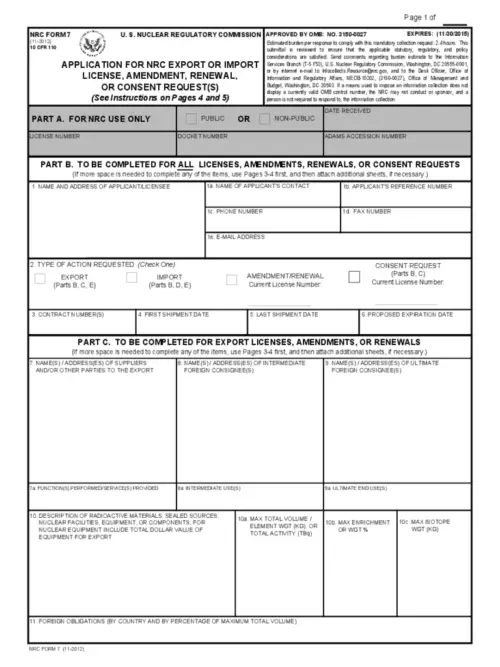
- Export License: A government document that authorizes or grants permission to conduct a specific export transaction, including the export of technology.
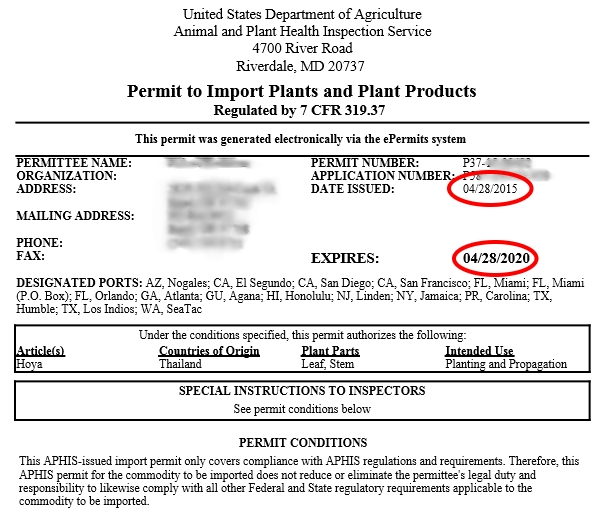
- Import License: A government document that authorizes or grants permission to import specific commodities into the US.
Role of Government Agencies
Several government agencies are involved in the regulation of US export and import activities. Some of the key agencies include:
- U.S. Customs and Border Protection (CBP): Responsible for ensuring that all goods entering and exiting the US do so in accordance with all applicable US laws and regulations.
- Bureau of Industry and Security (BIS): Regulates the export and re-export of commodities, software, and technologies, commercial and military in nature.
- Directorate of Defense Trade Controls (DDTC): Responsible for regulating the export and import of defense articles and services.