Intermittent Fasting and GLP 1 Receptor Agonists for Obesity
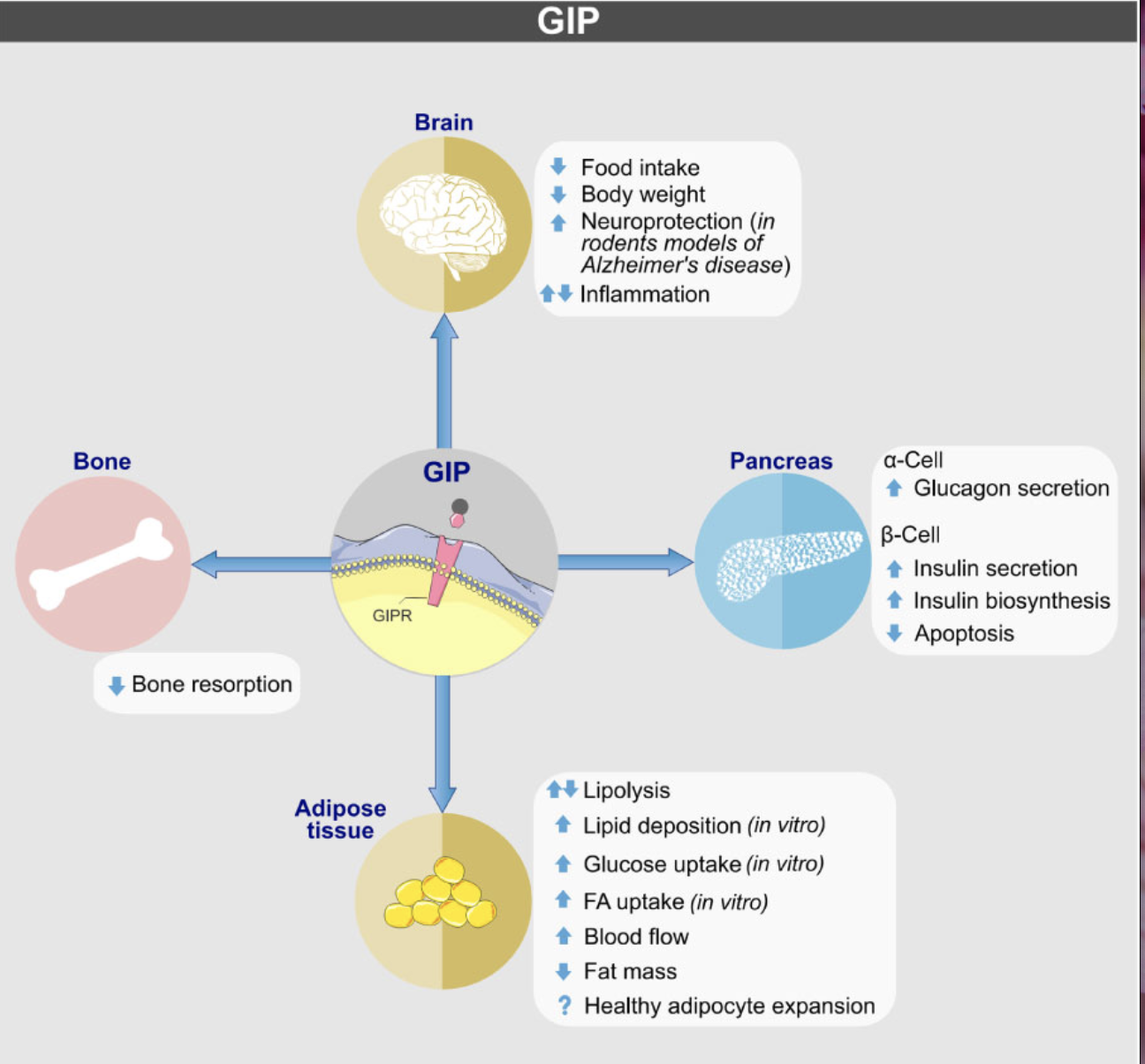
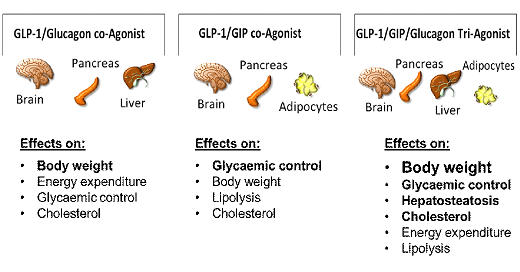
Obesity remains a major global health challenge, with glucagon-like peptide-1 receptor agonists (GLP-1RAs) providing substantial yet sensitive benefits in weight reduction, glycemic control, and cardiovascular protection.
Understanding the Benefits and Limitations of GLP-1RAs
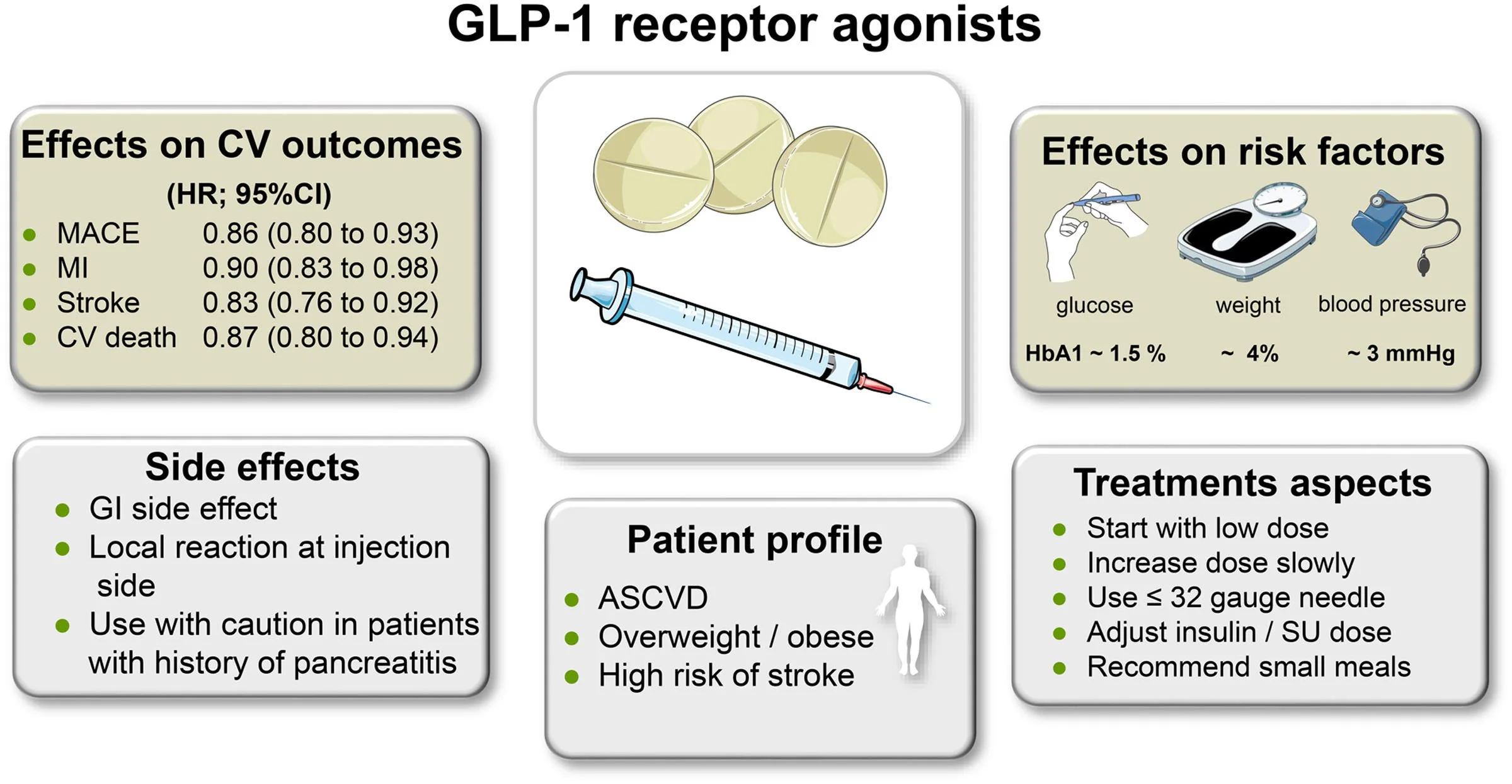
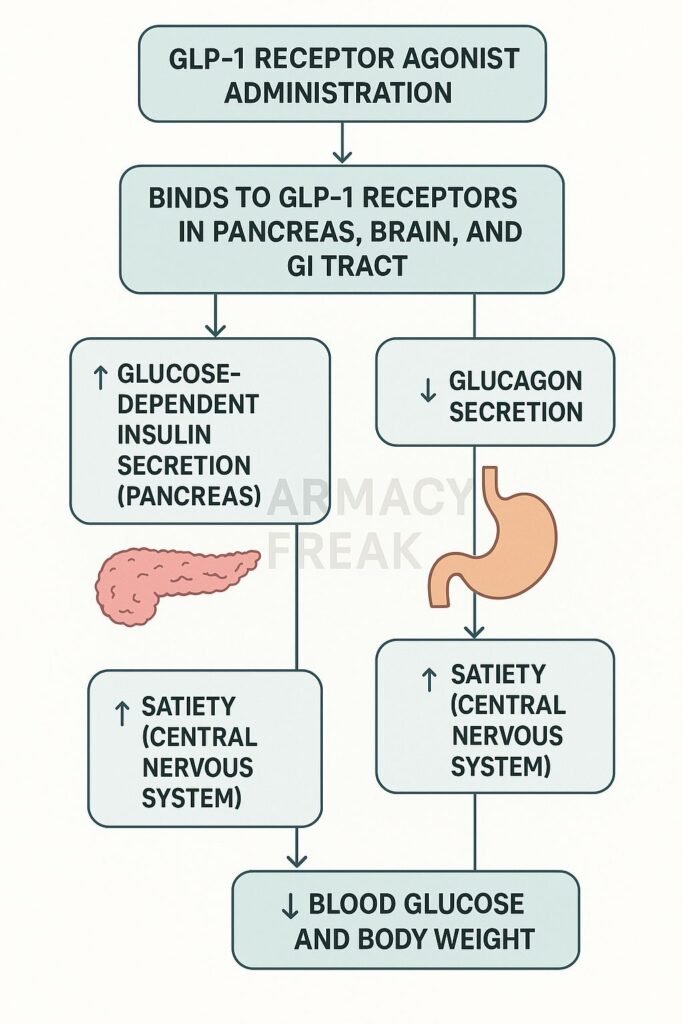
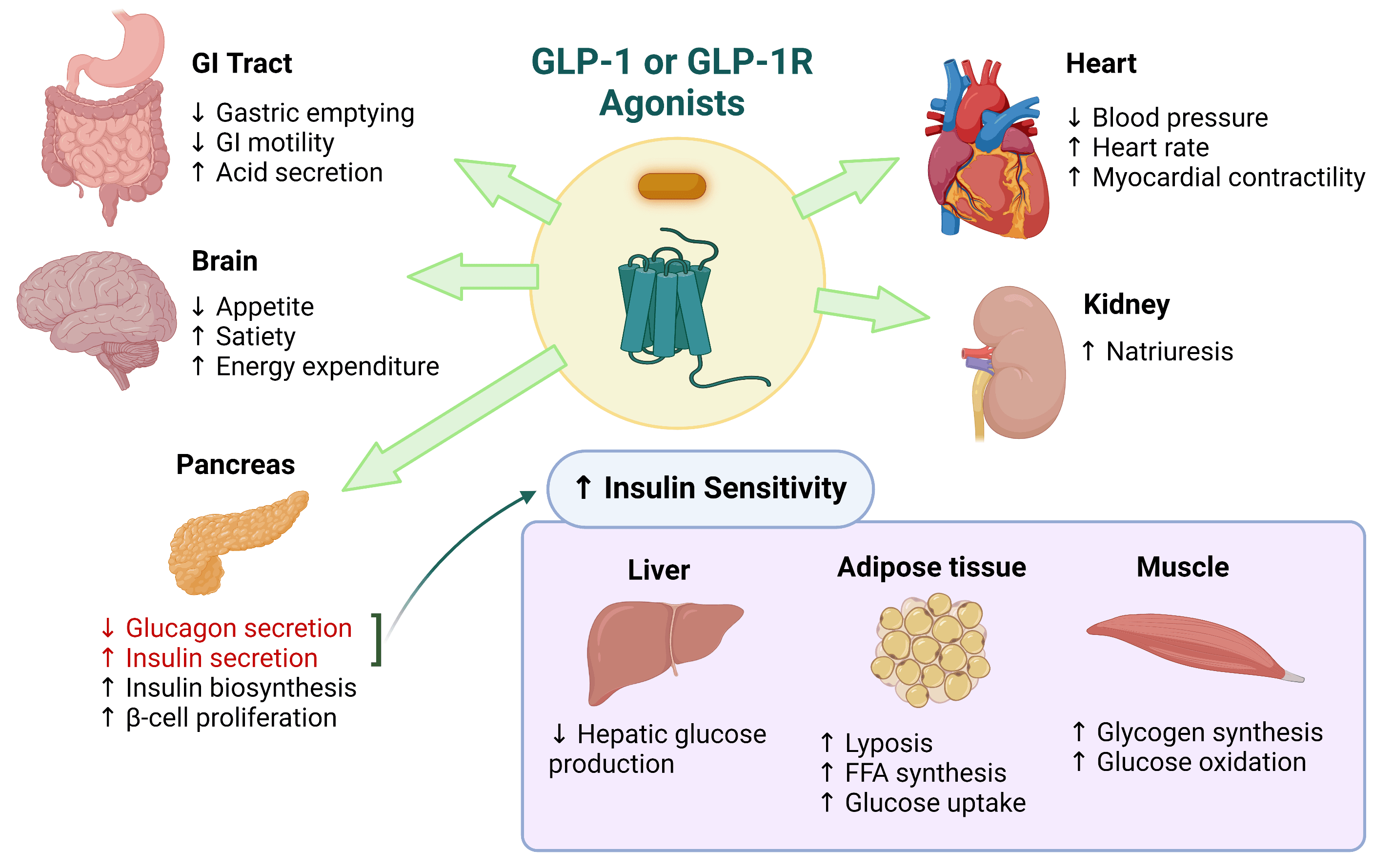
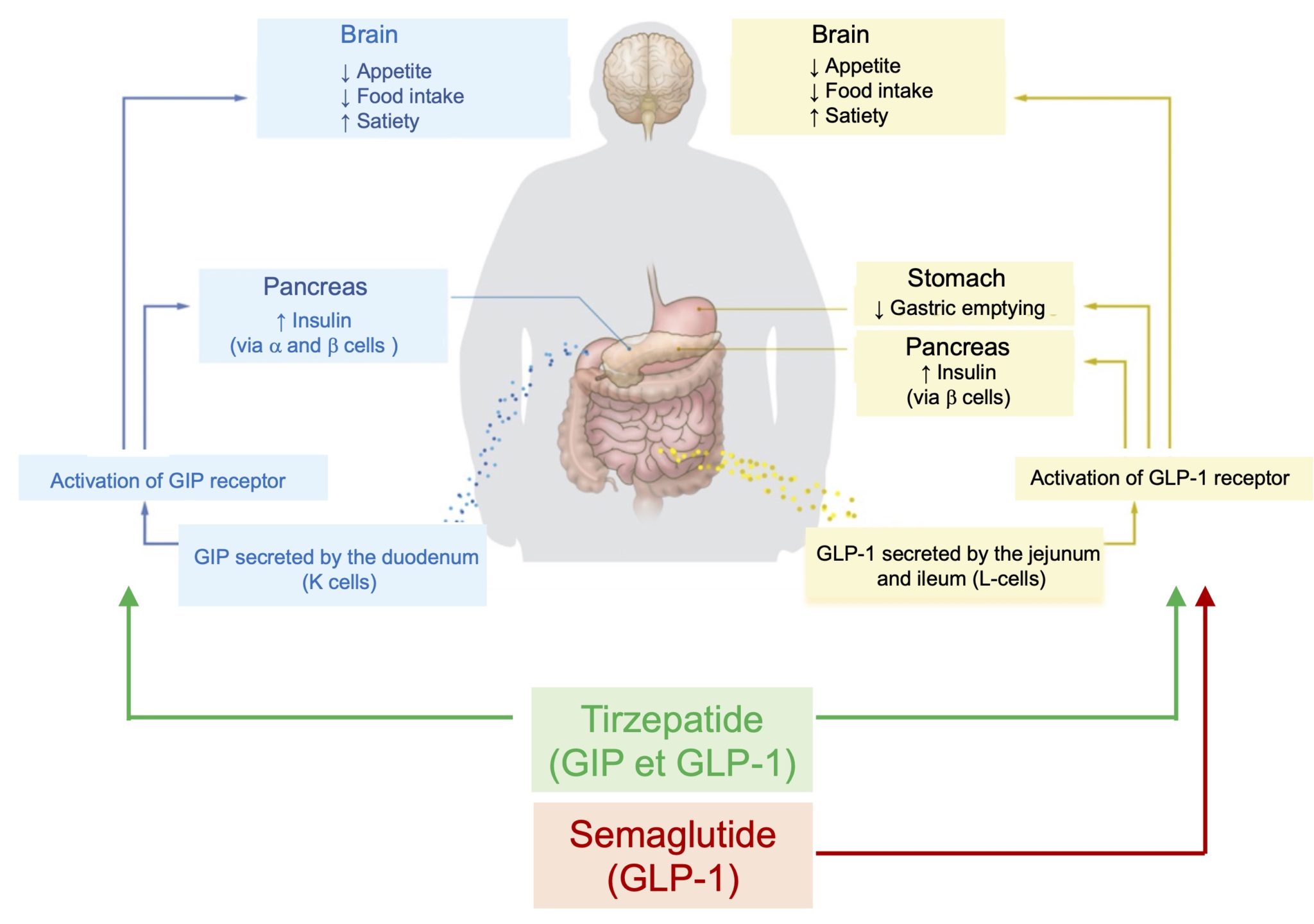
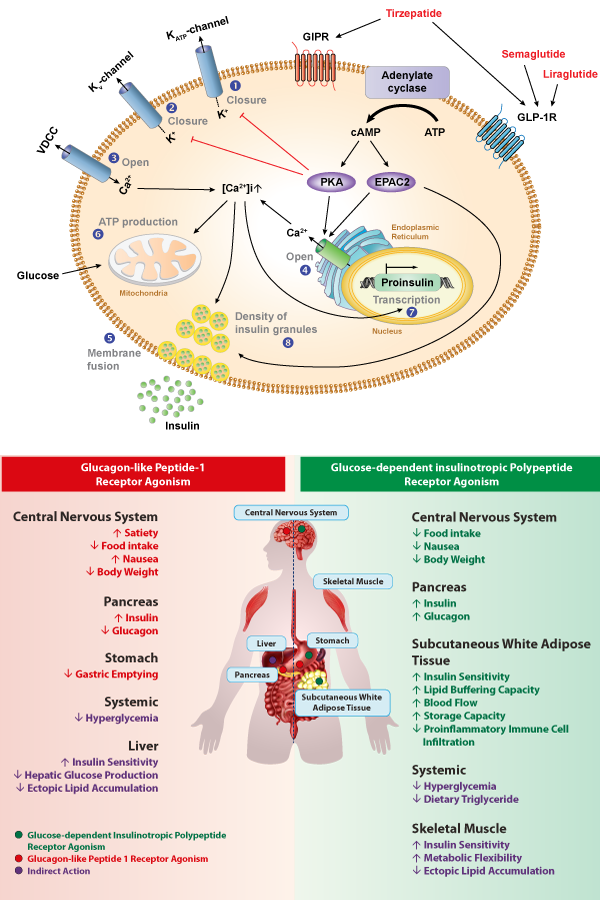
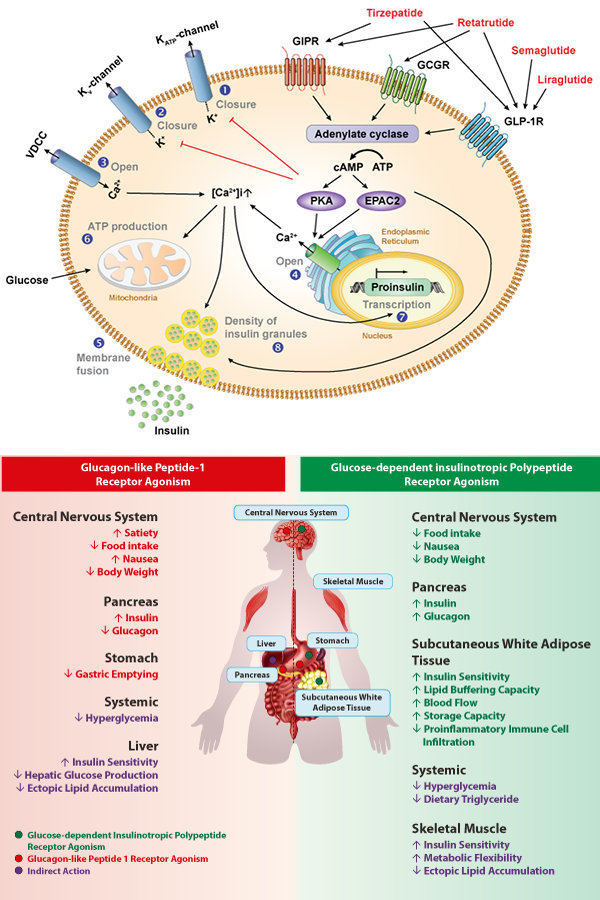
- GLP-1RAs, such as semaglutide (Wegovy) and liraglutide (Saxenda), work by mimicking the natural hormone glucagon-like peptide-1, which regulates appetite and blood sugar levels.
- They have been shown to cause significant weight loss, improve glycemic control, and reduce cardiovascular risk factors.
- However, GLP-1RAs can also have potential side effects, including nausea, vomiting, and thyroid C-cell tumors, and may not be ideal for everyone, especially those with a history of eating disorders or taking medications that require food for absorption.
Intermittent Fasting: A Promising Approach?
Intermittent fasting (IF) involves cycling between defined periods of eating and fasting, which can be beneficial for weight loss and improving metabolic health. When combined with GLP-1RAs, IF may offer enhanced weight loss benefits.
- IF can be more effective than dieting alone for weight loss, and can be tailored to individual needs and preferences, such as a 16:8 window, 5:2 approach, or something else entirely.
- GLP-1RAs can work together with IF to improve satiety, reduce hunger, and enhance glucose control.
- However, it is essential to consult a healthcare provider before combining IF with GLP-1RAs, especially for individuals with diabetes, eating disorders, or other health conditions.