Impact of GLP 1 on Weight Loss with Intermittent Diet
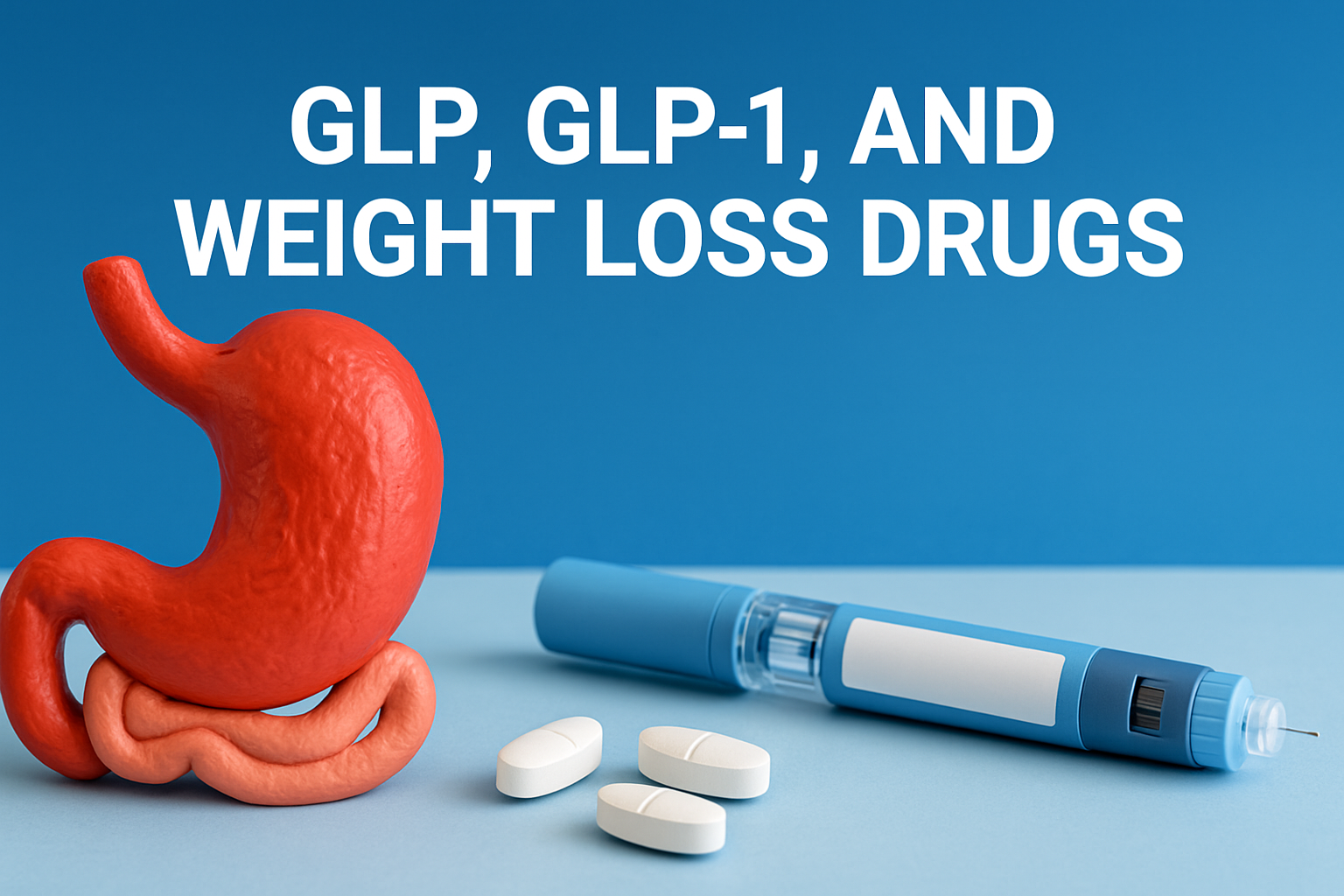
Obesity and related metabolic disorders are severe public health concerns worldwide. Recent studies have identified glucagon-like peptide-1 (GLP-1) receptor agonists as a promising class of medications for managing weight and glucose levels. This article delves into the impact of GLP-1 on weight loss with intermittent diet, shedding light on the mechanisms underlying this treatment approach.
GLP-1 Receptor Agonists: A Key Player in Weight Regulation
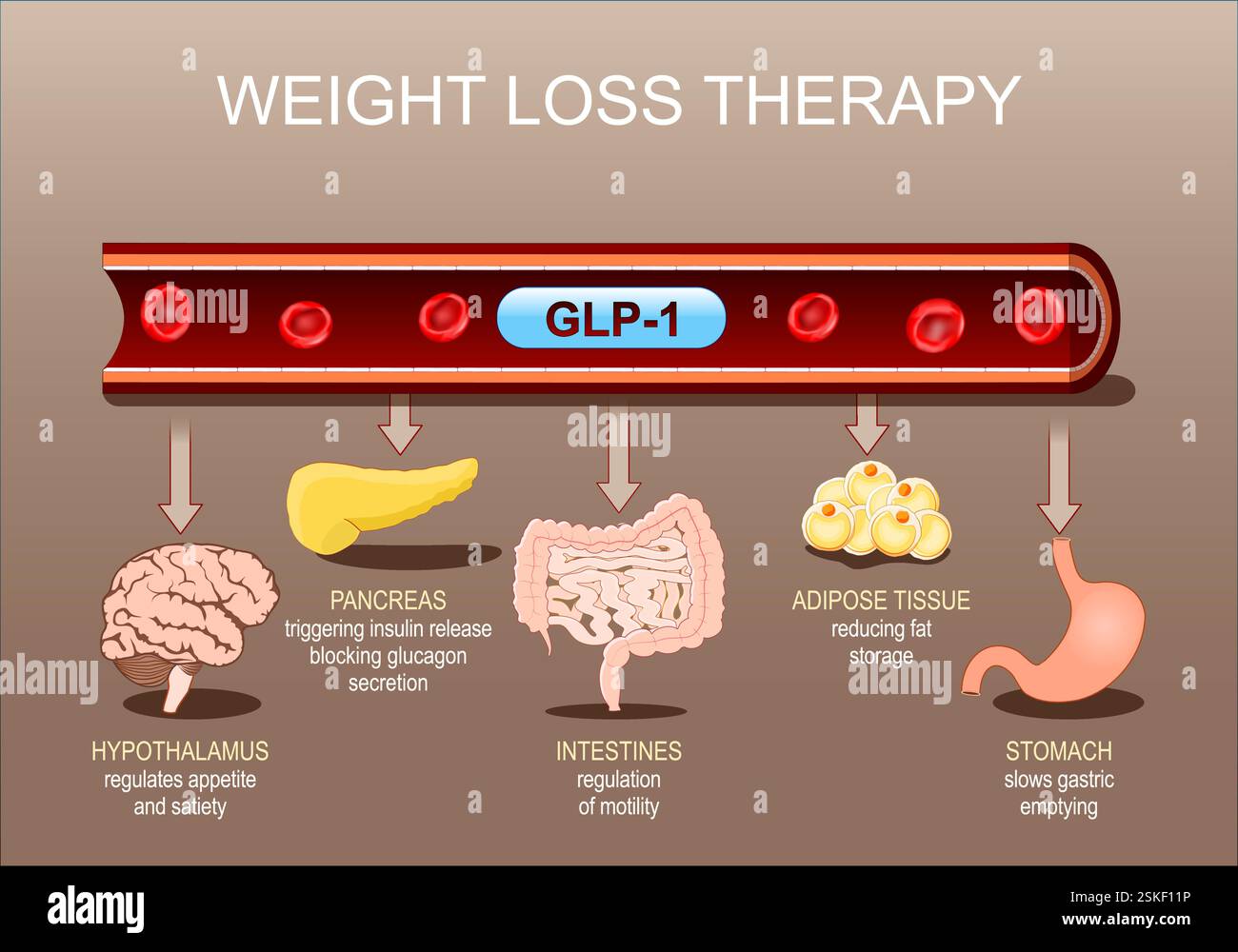
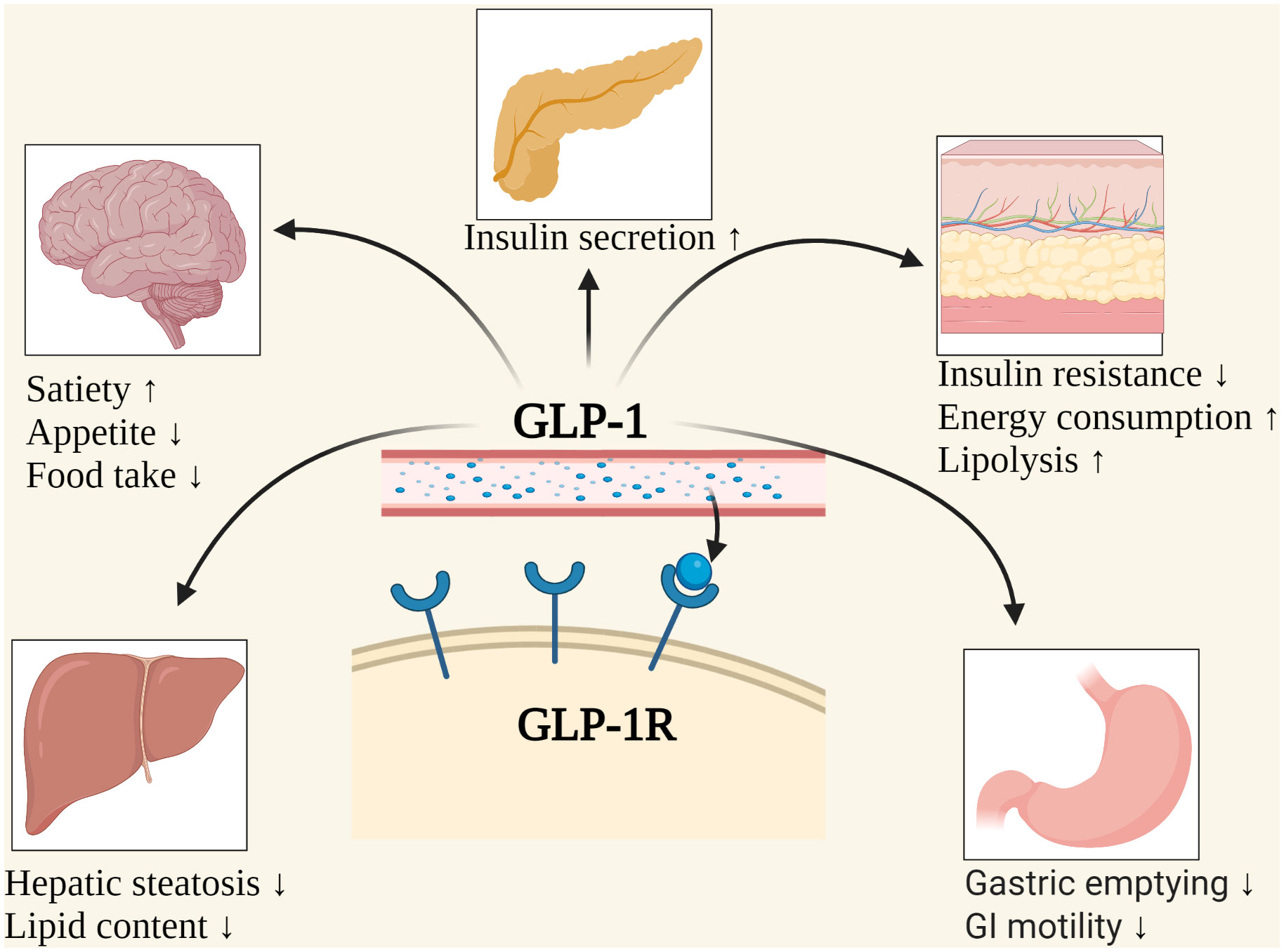
GLP-1 receptor agonists, such as semaglutide and liraglutide, have become central in managing obesity and type 2 diabetes. These medications primarily work through appetite suppression and metabolic regulation, influencing central and peripheral pathways. Research has shown that GLP-1 receptor agonists can lead to significant weight loss and improved glycemic control in patients with type 2 diabetes.
Combining GLP-1 with Intermittent Fasting
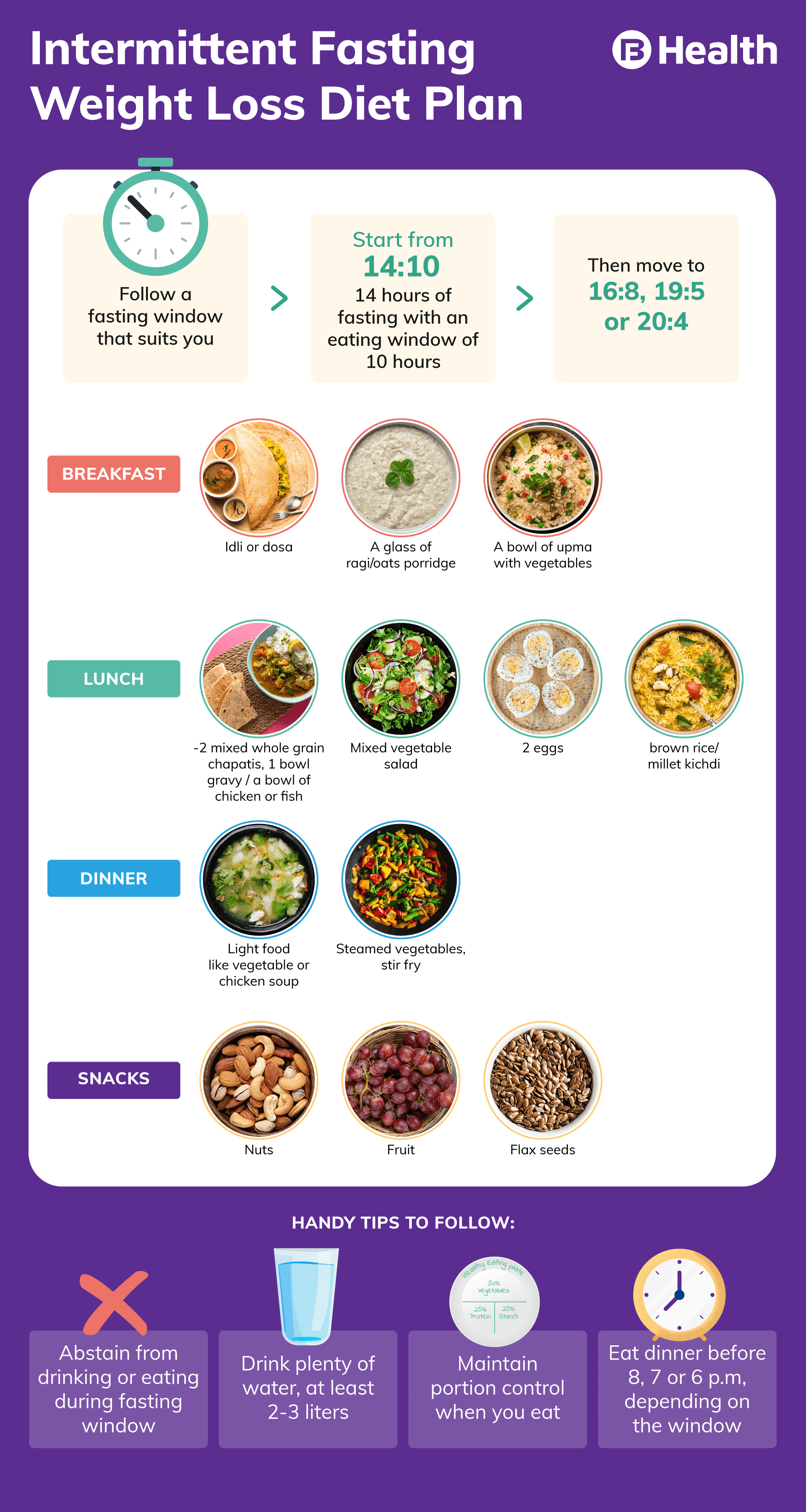
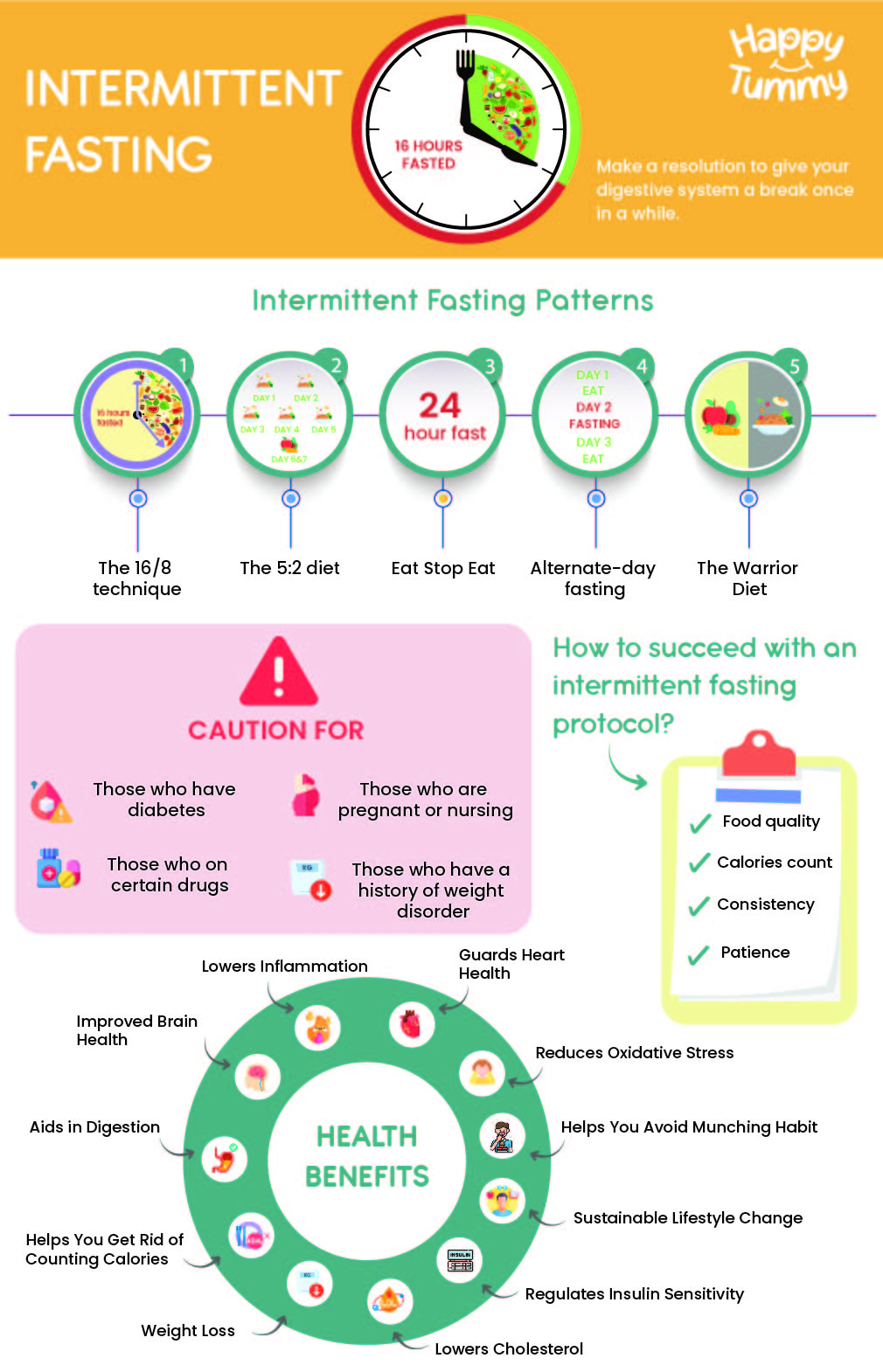
Intermittent fasting, a type of time-restricted eating, has gained popularity in recent years due to its potential weight loss benefits and improved metabolic health. Combining GLP-1 receptor agonists with intermittent fasting may further enhance weight loss and improve glucose control. This approach requires understanding the mechanisms by which GLP-1 receptor agonists interact with fasting and glucose metabolism.