Wireless Network Configuration for Industrial Use: A Comprehensive Guide
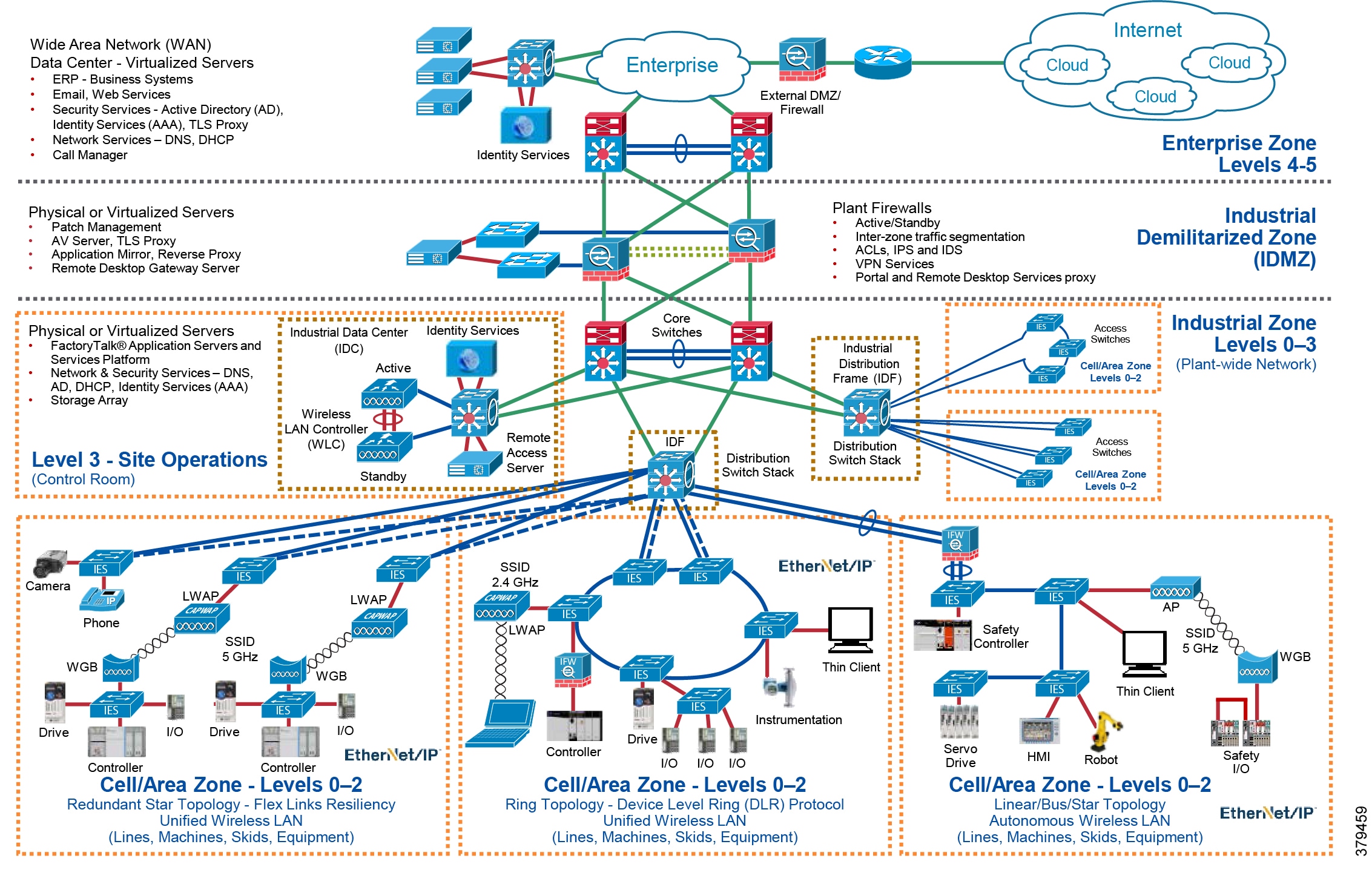
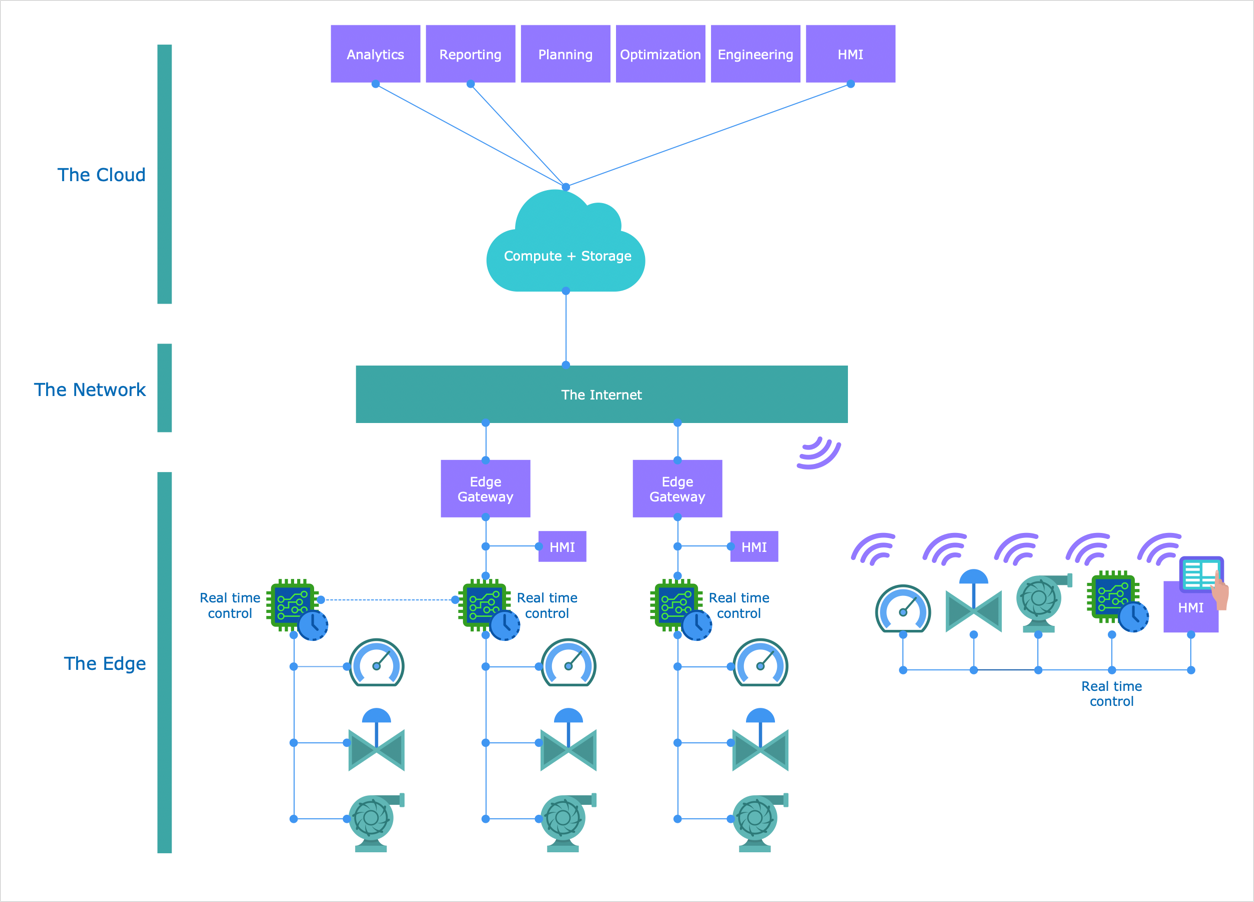
Industrial wireless networks have revolutionized the way businesses operate, enabling faster, more efficient communication between devices, machines, and people. However, designing and configuring an industrial wireless network requires careful consideration of several factors, including electromagnetic interference, metal structures, scale, regulatory requirements, and long operational lifetimes. In this article, we will explore the key considerations and best practices for configuring an industrial wireless network that meets the unique demands of an industrial environment.
Design Considerations for Industrial Wireless Networks
When designing an industrial wireless network, it is essential to understand the unique challenges of an industrial environment, including electromagnetic interference, metal structures, scale, regulatory requirements, and long operational lifetimes. Interference from equipment and machinery, for example, can significantly impact network performance and reliability.
Understanding Wireless Technology Options
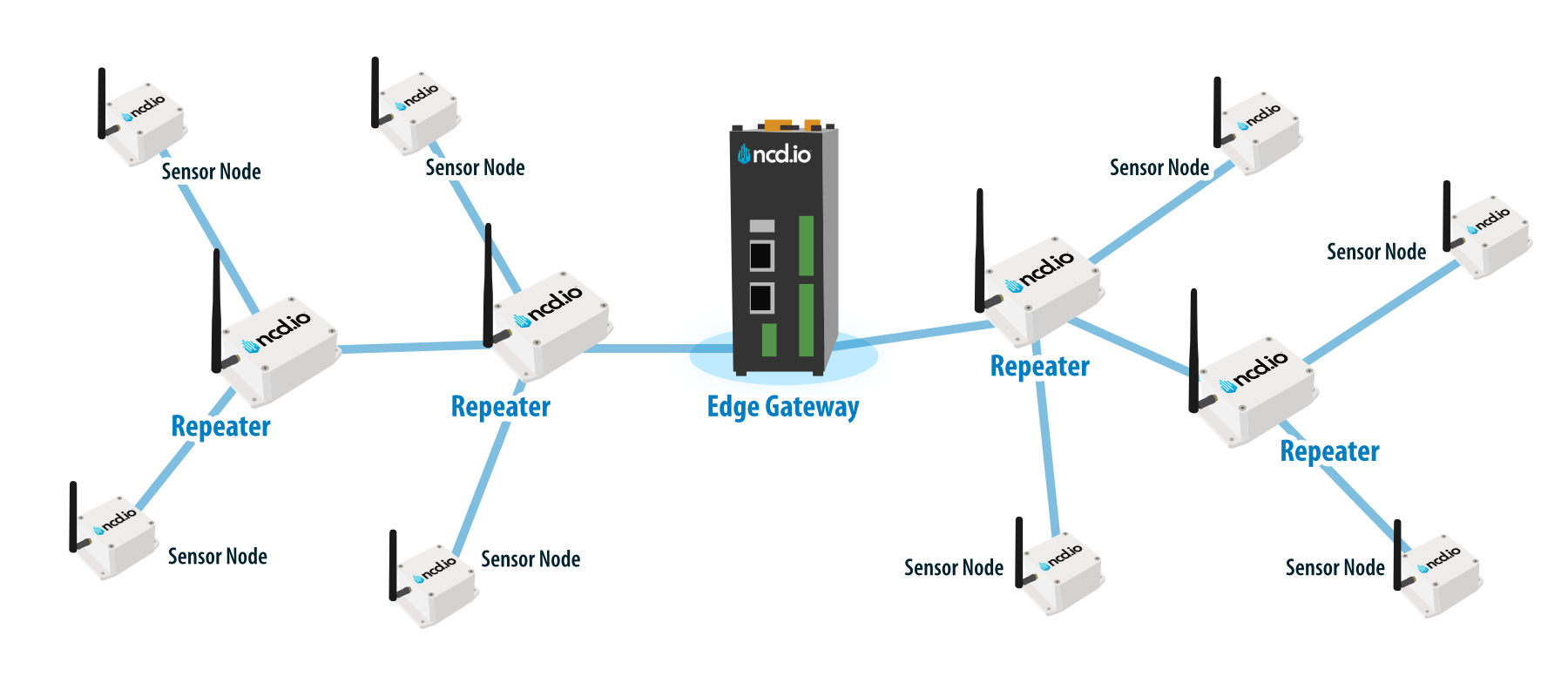
There are various wireless technologies available for industrial use, including Wi-Fi, WirelessHART, LoRaWAN, and cellular variants. Each technology has its strengths and weaknesses, and the choice of technology depends on the specific use case, network requirements, and operational environment.
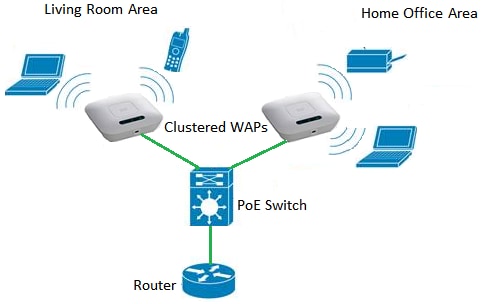
- Wi-Fi is a widely used technology for industrial applications, offering high-speed connectivity and mobility.
- WirelessHART is a derivatives of the HART protocol, designed for real-time monitoring and control of industrial processes.
- LoRaWAN is a low-power, low-data-rate technology ideal for IoT applications and machine-to-machine communication.
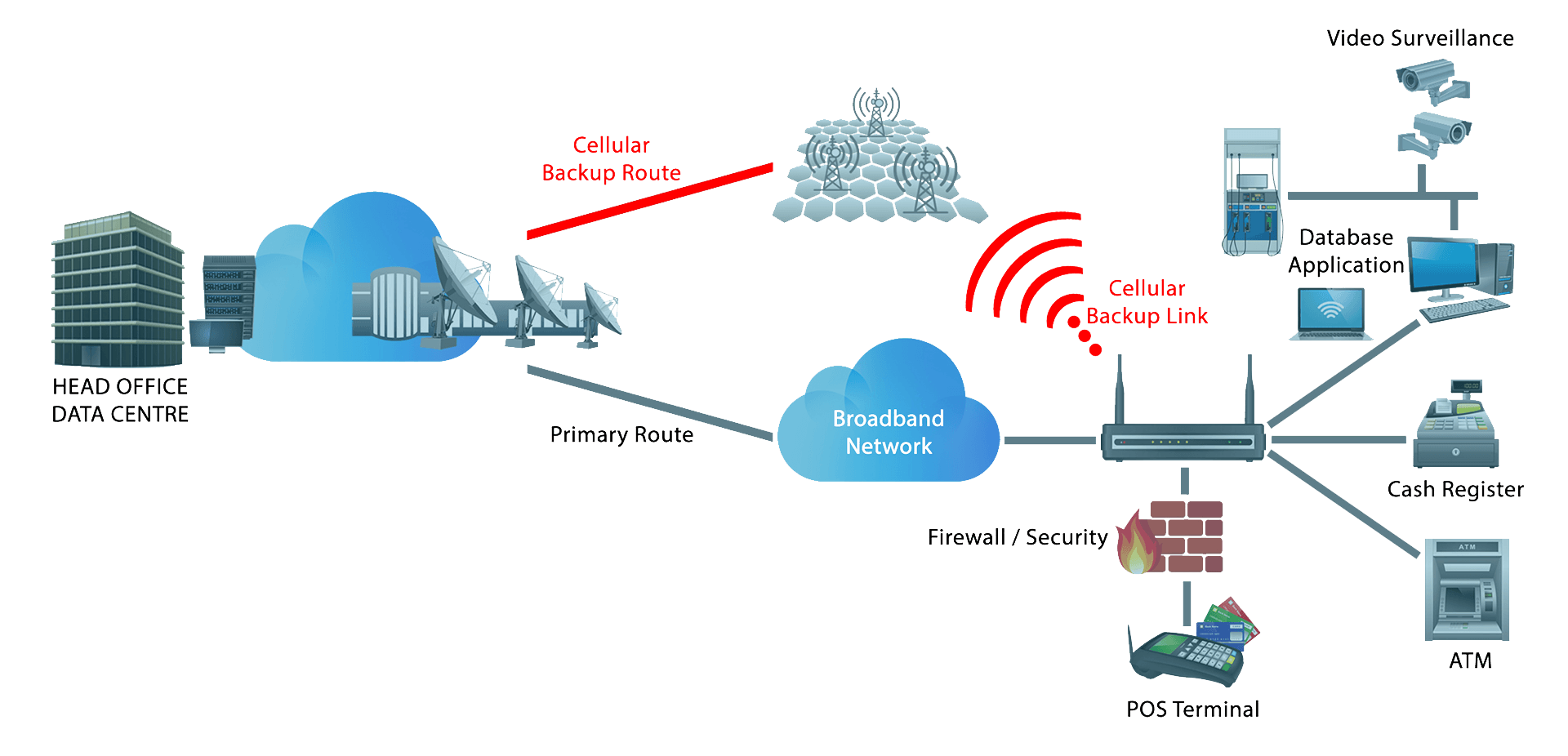
- Cellular variants, such as LTE and 5G, offer high-speed connectivity and low latency.