GLP-1 Therapy for Diabetic Cardiovascular Disease: A Breakthrough in Managing Cardiovascular Risk
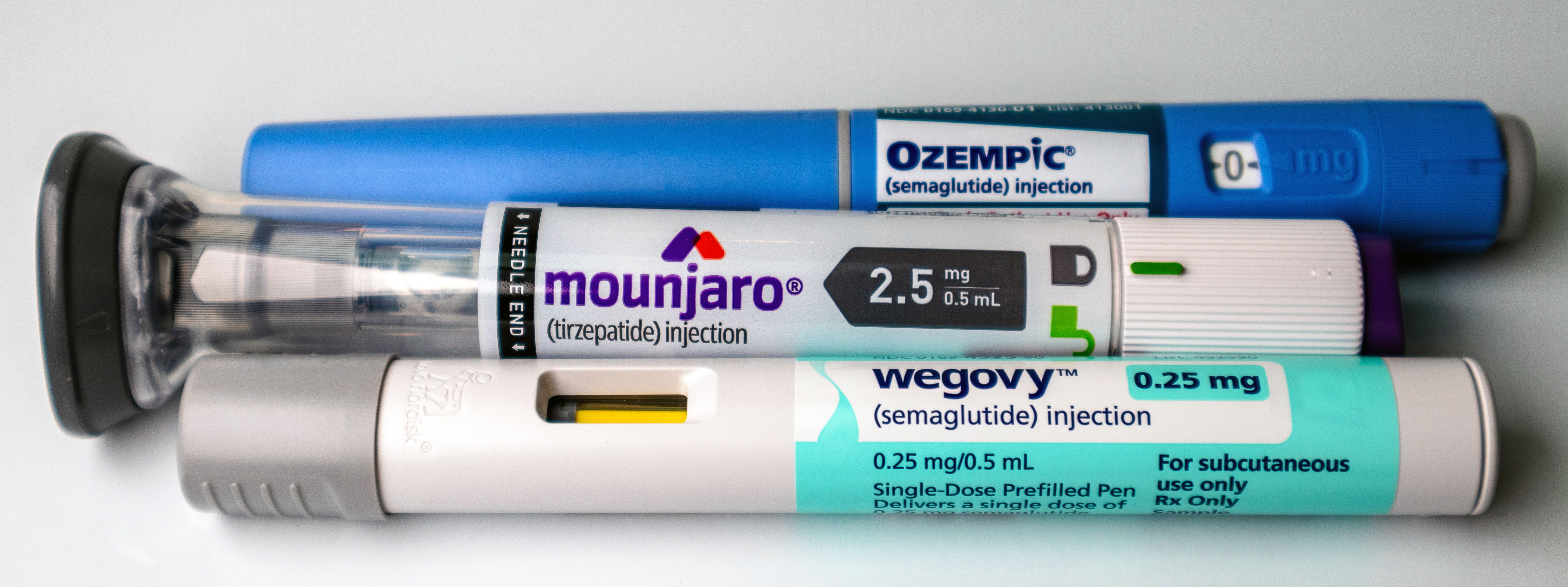
In recent years, glucagon-like peptide-1 (GLP-1) receptor agonists have emerged as a promising therapeutic option for managing diabetic cardiovascular disease. GLP-1 therapy has been well-established for the treatment of type 2 diabetes (T2D), and its beneficial effects extend beyond glycemic control to encompass a broader range of cardiovascular risk factors.
How GLP-1 Therapy Works
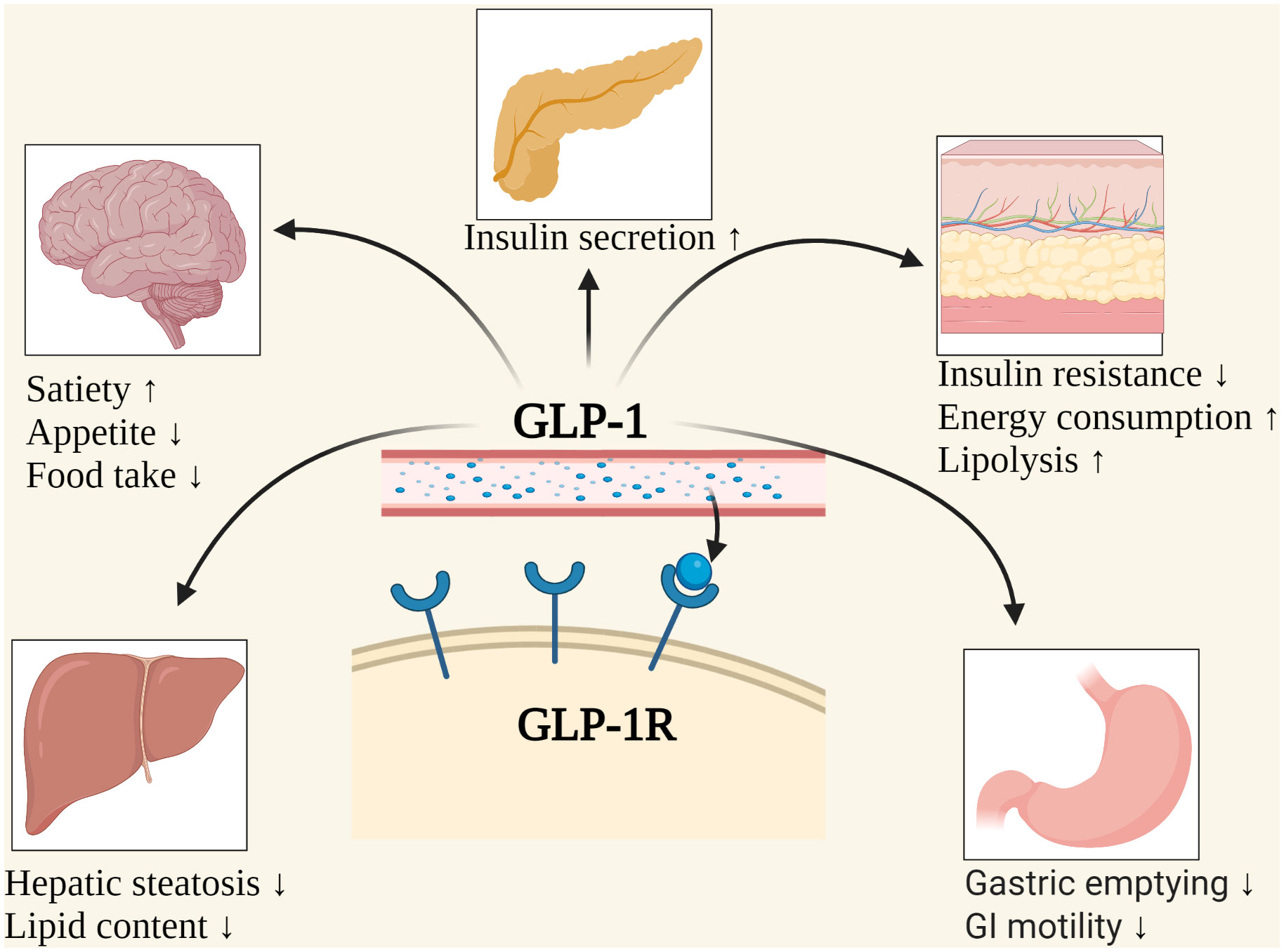
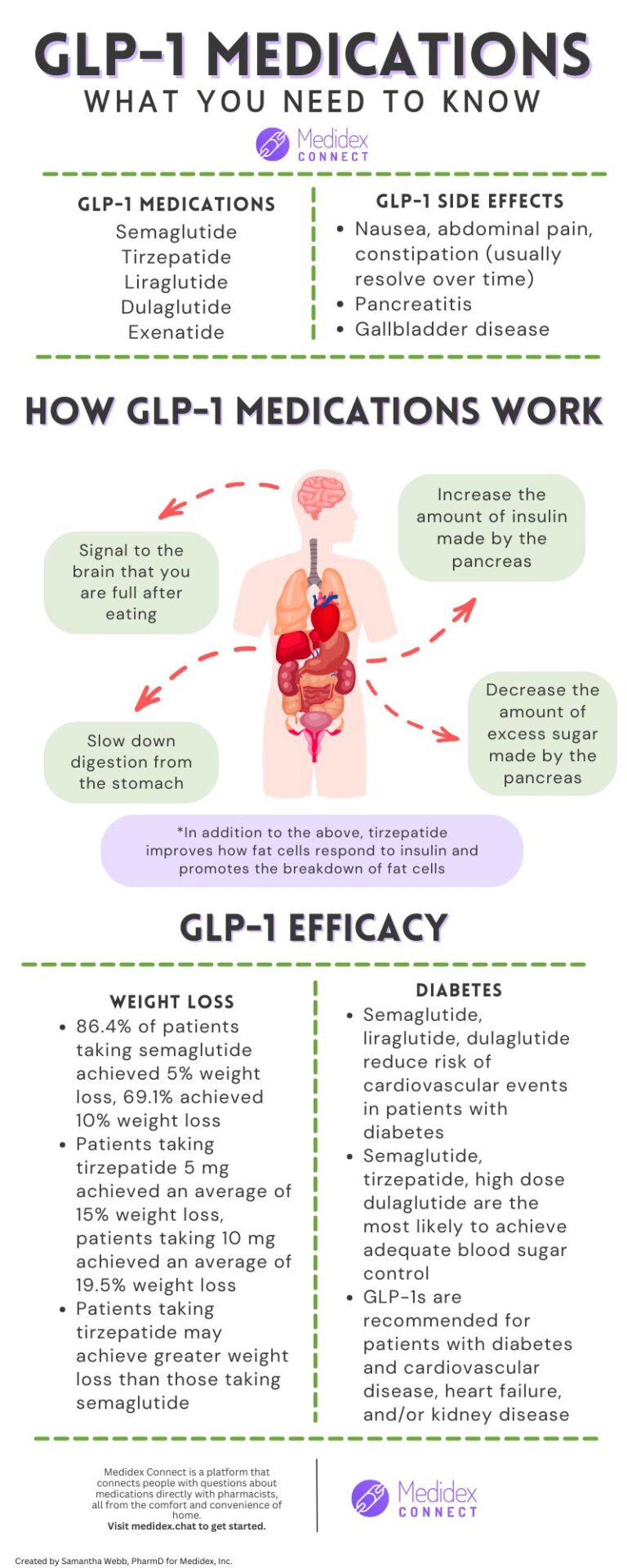
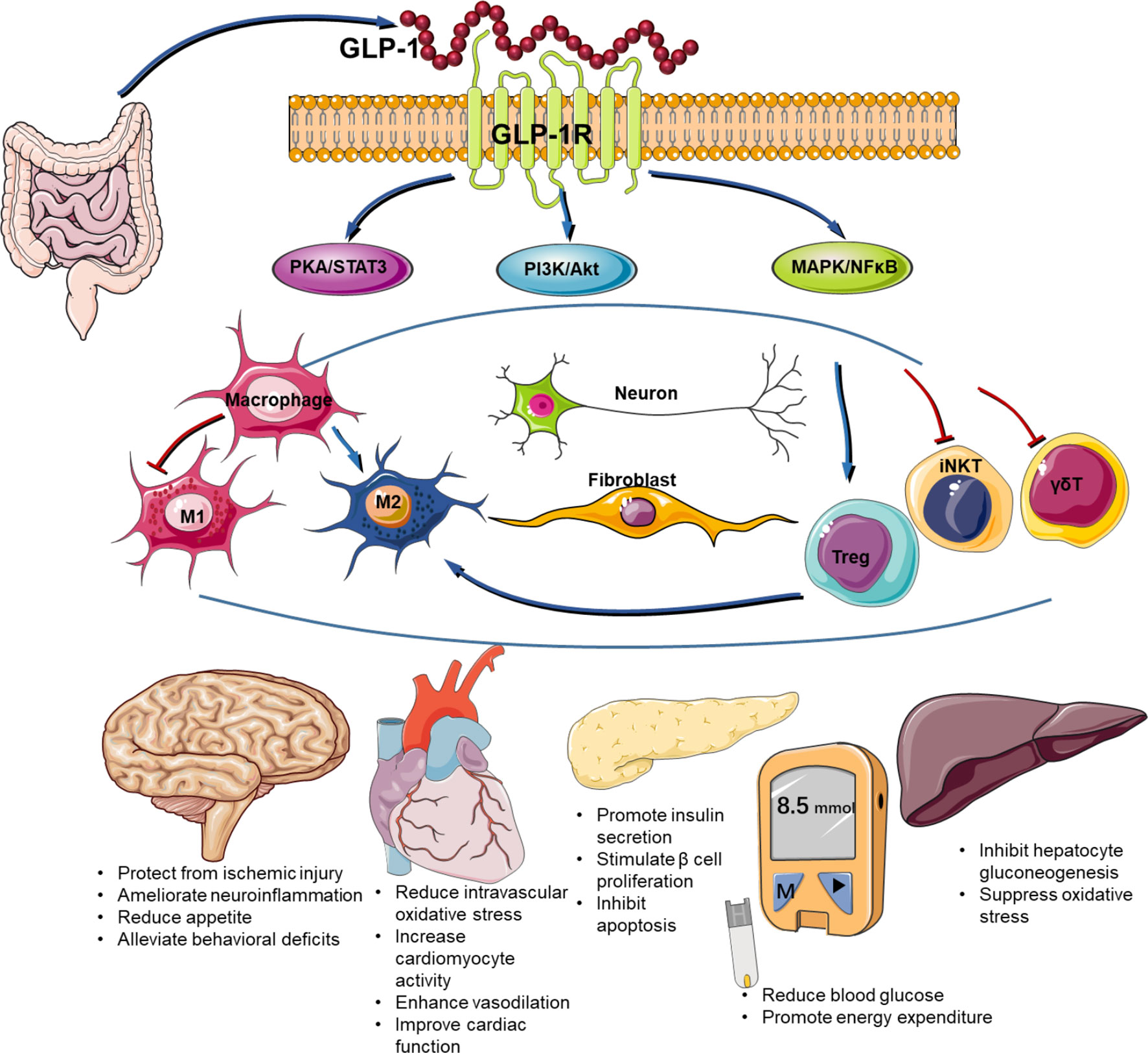
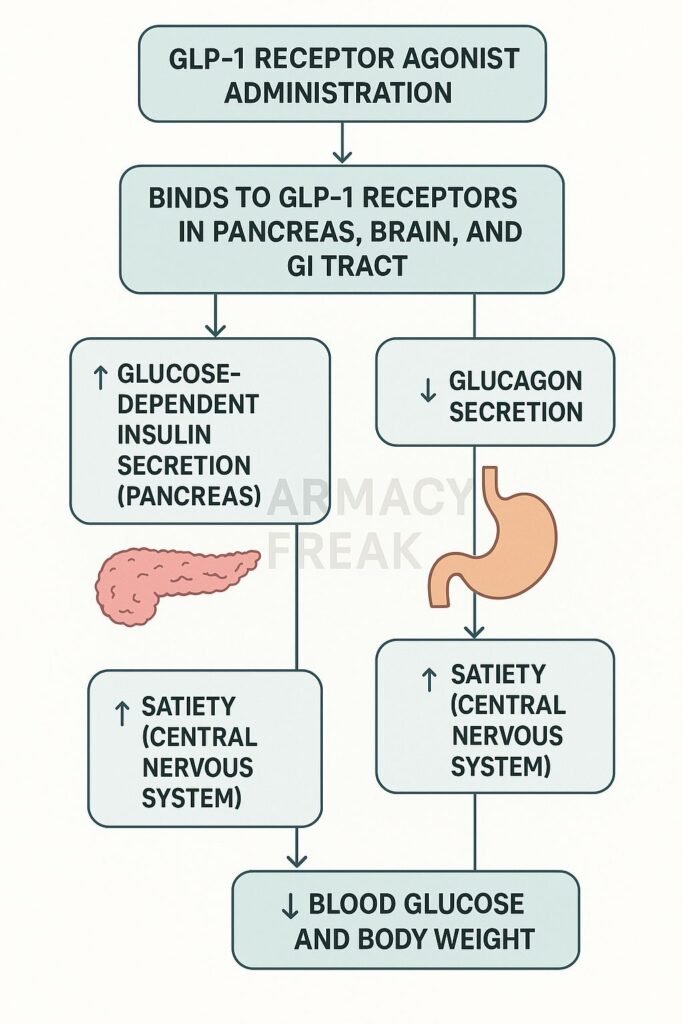
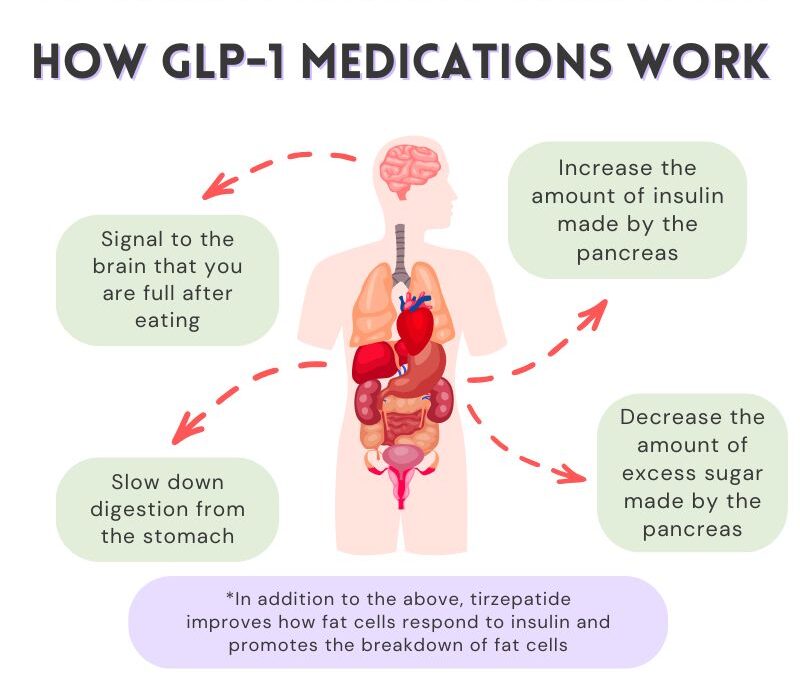
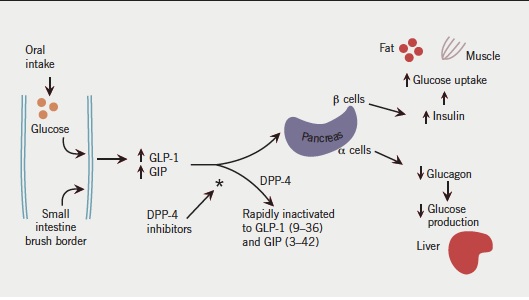
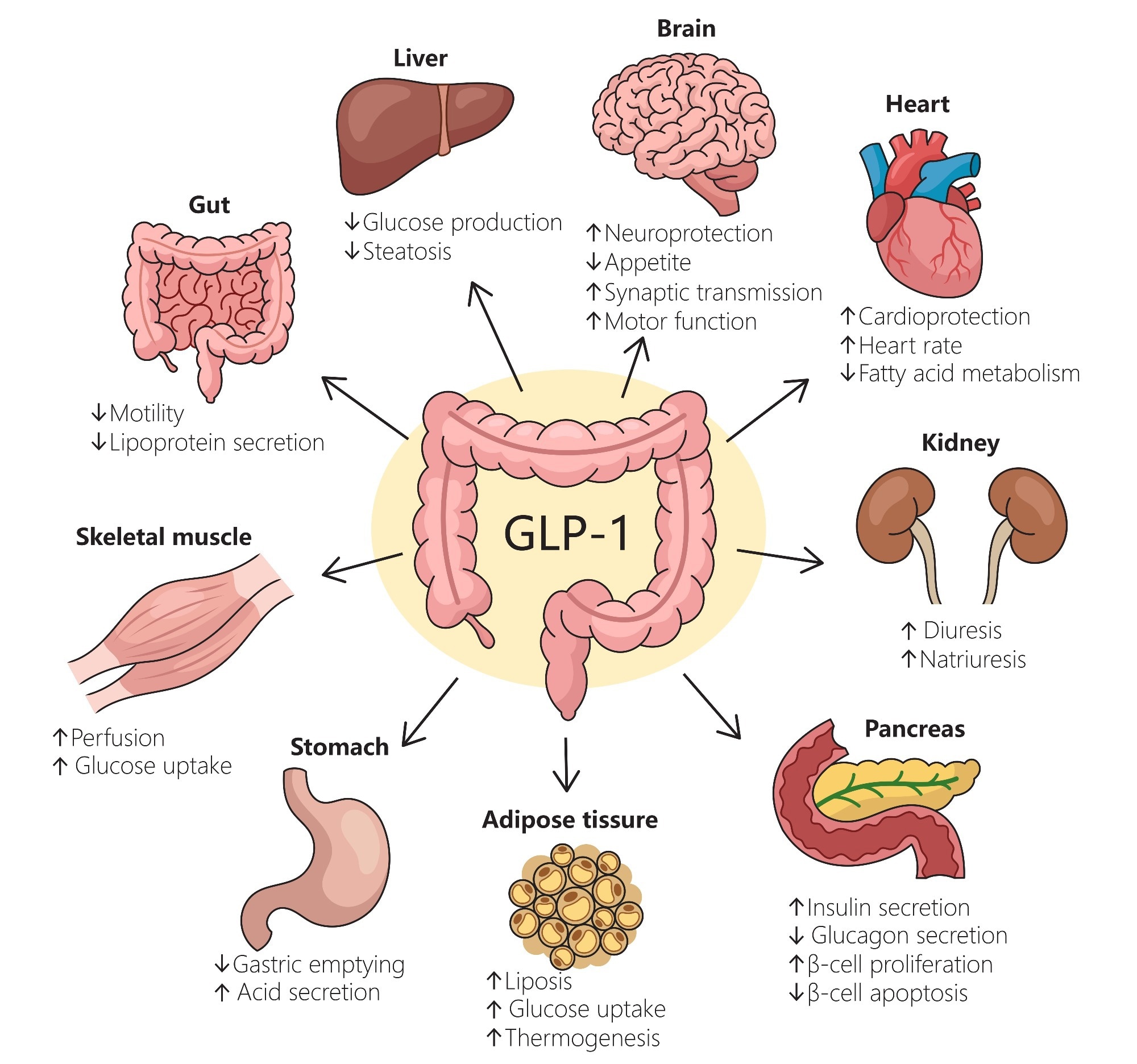
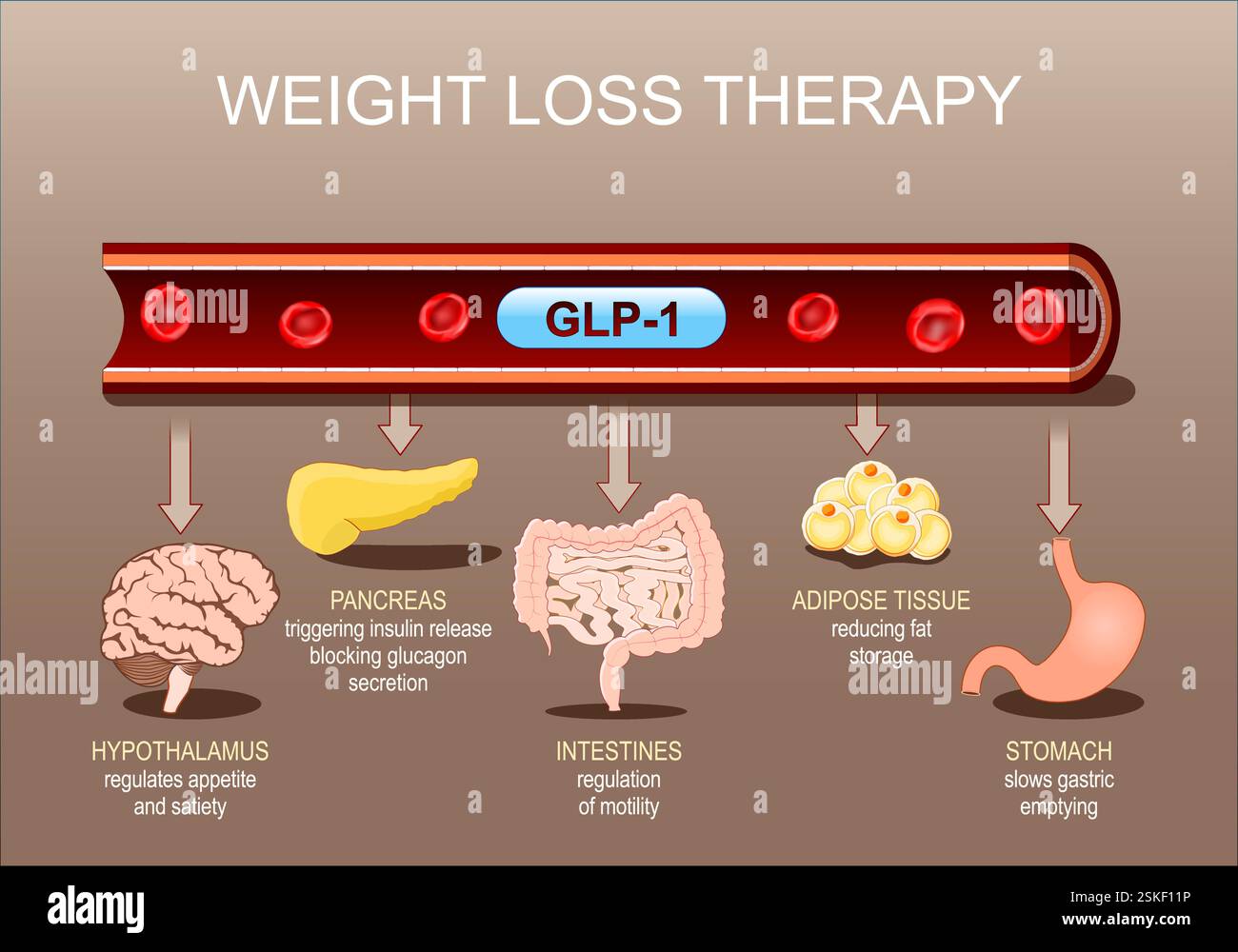
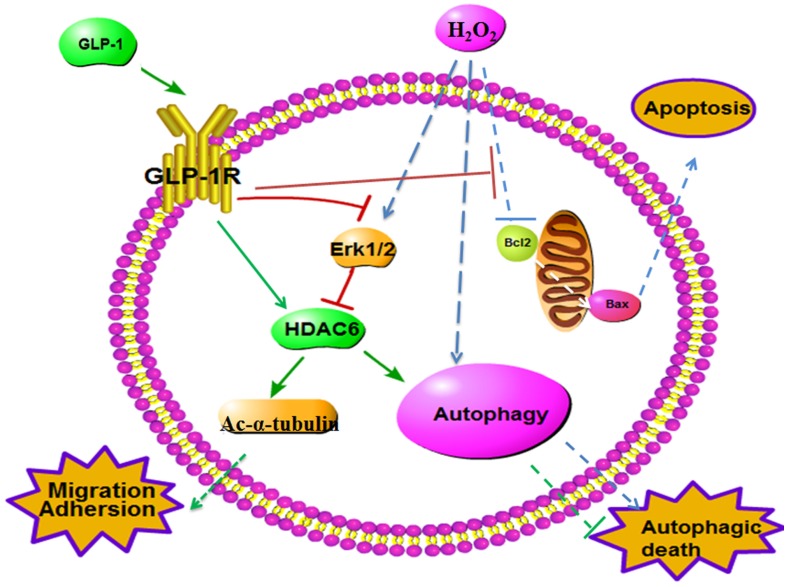
GLP-1 receptor agonists act by binding to GLP-1 receptors, which are widely distributed throughout the body, including cardiomyocytes and blood vessels. By mimicking the action of the natural hormone GLP-1, GLP-1 receptor agonists stimulate insulin secretion, improve insulin sensitivity, and promote glucose-dependent insulin secretion.
- Improved glycemic control: GLP-1 receptor agonists have been shown to reduce HbA1c levels and improve fasting plasma glucose levels in patients with T2D
- Weight loss: GLP-1 receptor agonists have been associated with significant weight loss, particularly in patients with obesity
- Cardiovascular benefits: GLP-1 receptor agonists have been shown to reduce cardiovascular risk factors, including blood pressure, lipid profiles, and inflammation
Cardiovascular Benefits of GLP-1 Therapy

GLP-1 therapy has been demonstrated to have a range of cardiovascular benefits in patients with diabetic cardiovascular disease. These benefits include:
- Reduced cardiovascular mortality: Studies have shown that GLP-1 receptor agonists can reduce the risk of cardiovascular mortality in patients with T2D
- Improved cardiovascular outcomes: GLP-1 receptor agonists have been associated with improved cardiovascular outcomes, including reduced rates of stroke, myocardial infarction, and heart failure
- Antihypertensive effects: GLP-1 receptor agonists have been shown to reduce blood pressure in patients with hypertension