Unraveling the Mysteries of GLP-1 and Glucose Metabolism Mechanisms
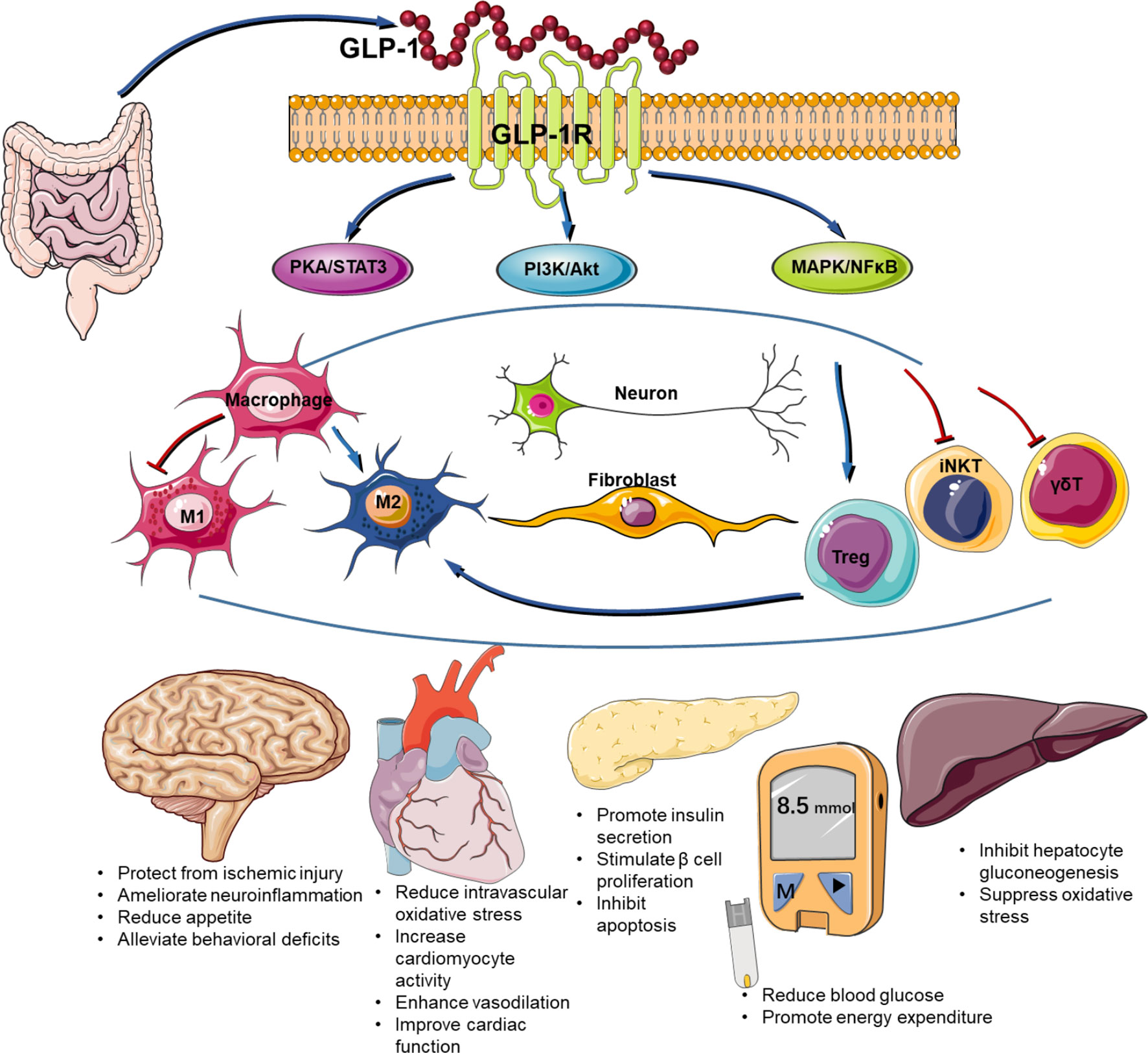
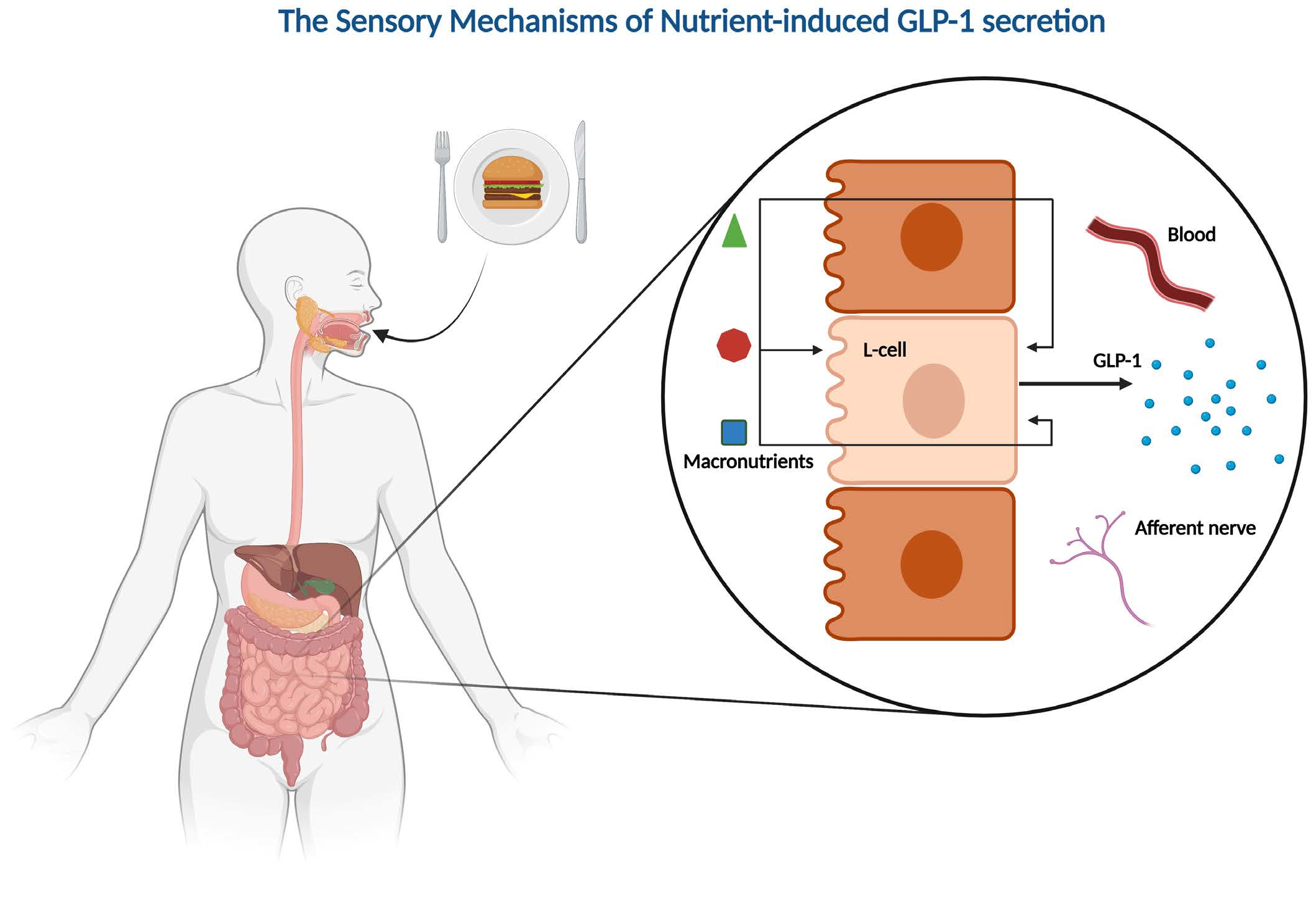
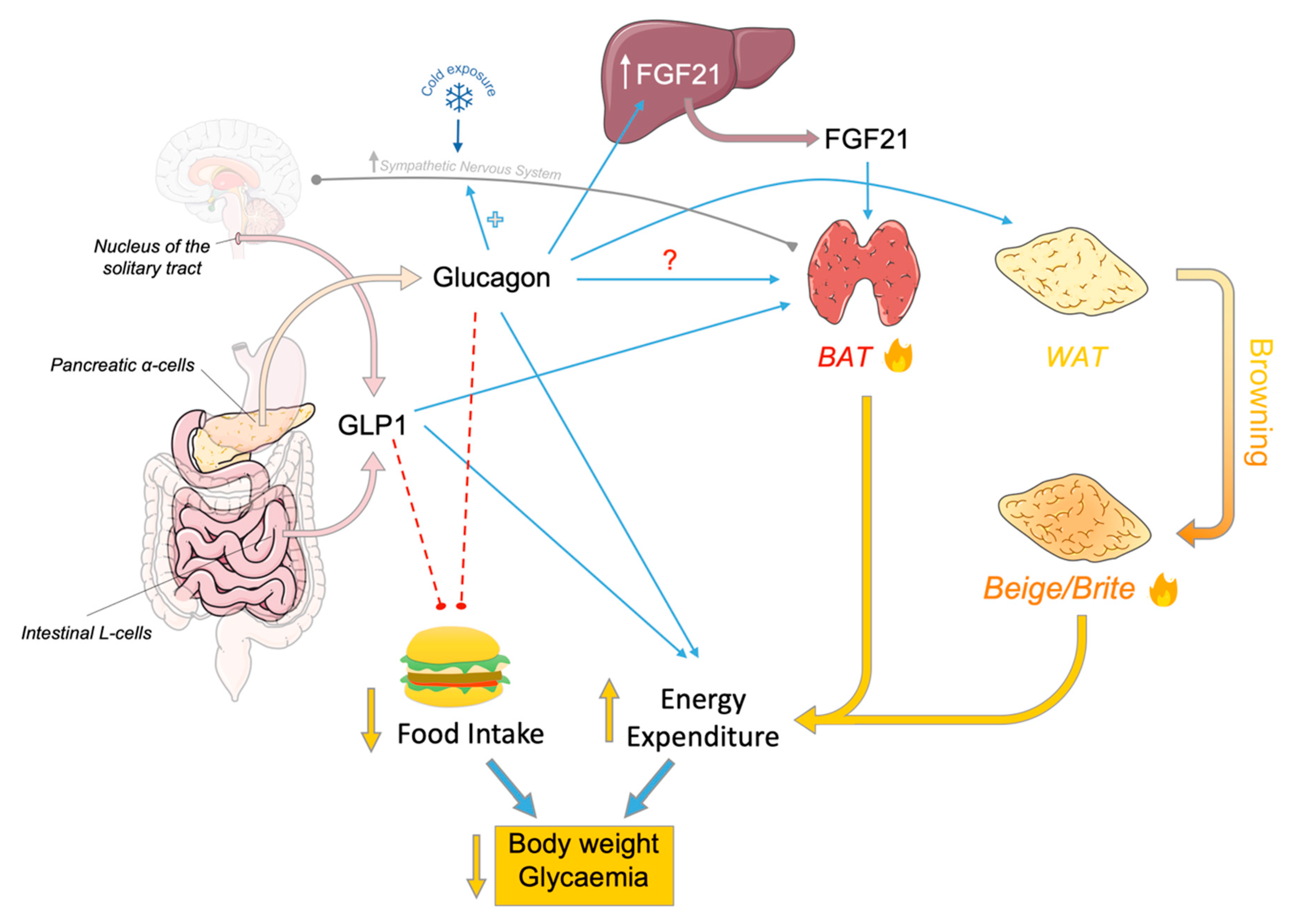
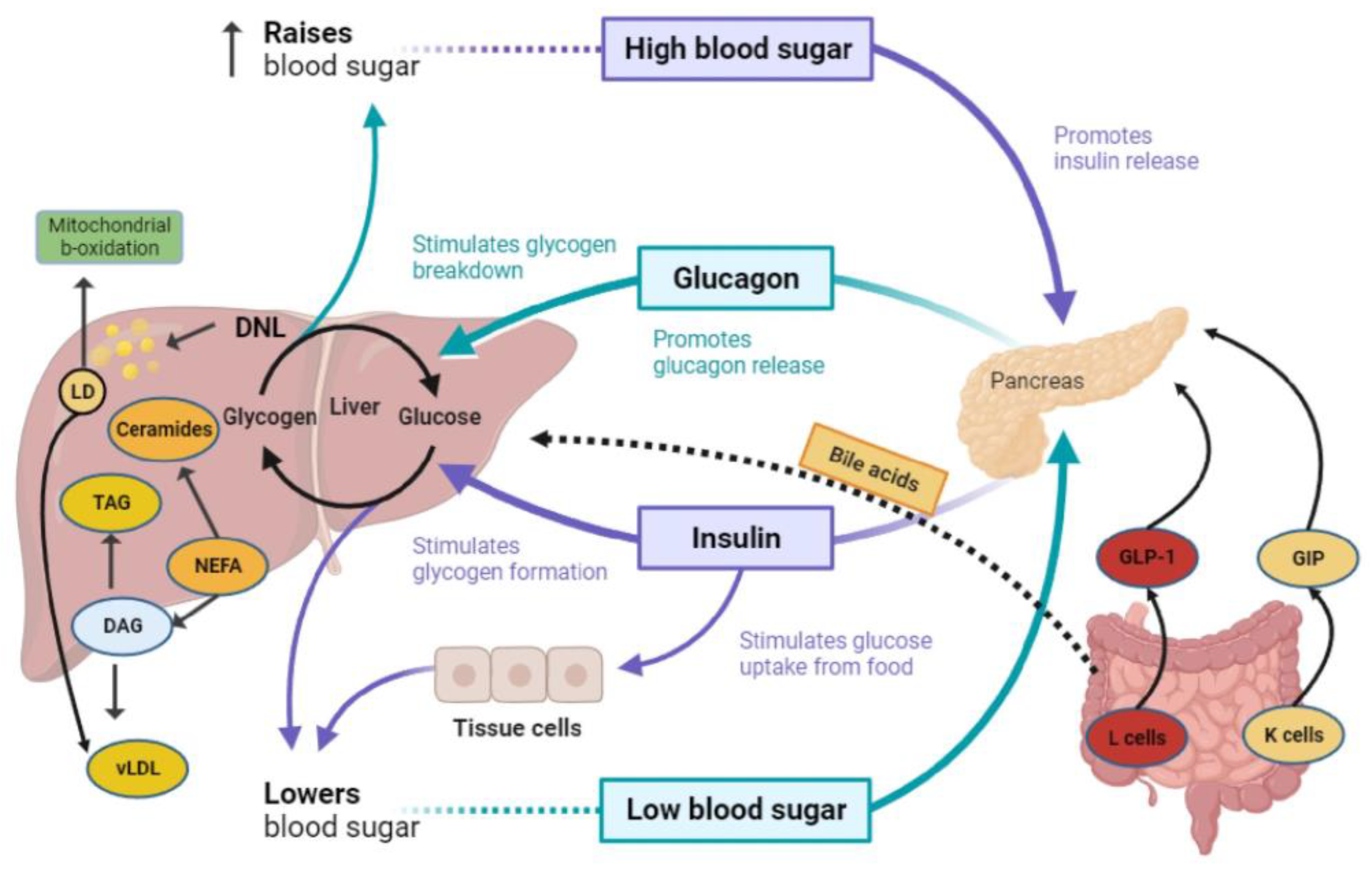
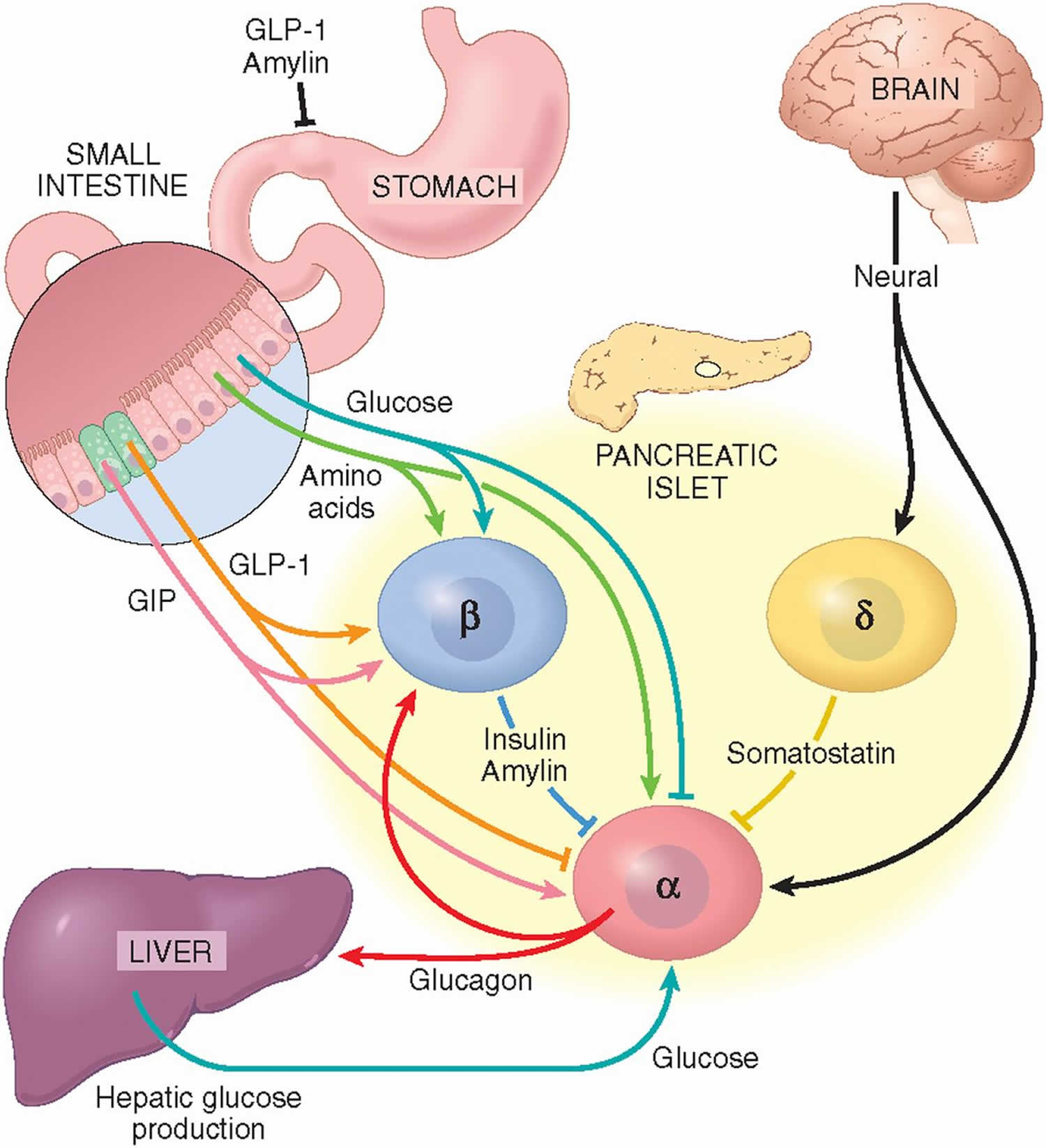
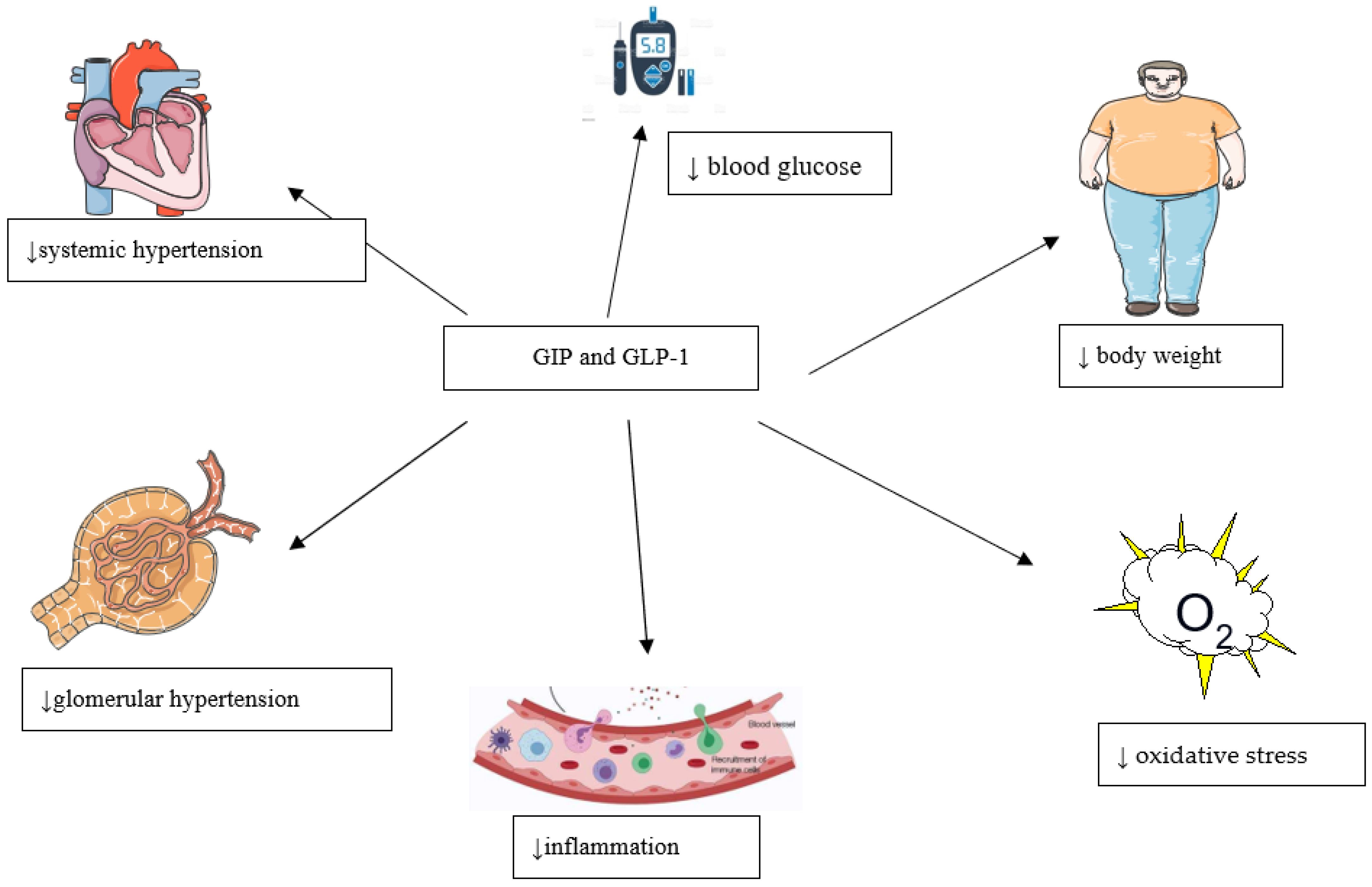
In the intricate dance of glucose metabolism, GLP-1 (Glucagon-like peptide-1) plays a starring role. This hormone, produced in the intestines in response to food intake, has far-reaching effects on glucose homeostasis, insulin secretion, and satiety. As researchers continue to unravel the mechanisms underlying GLP-1's actions, new therapeutic targets emerge for the treatment of chronic diseases such as diabetes and obesity.
The Physiology of GLP-1: A Key Player in Glucose Metabolism
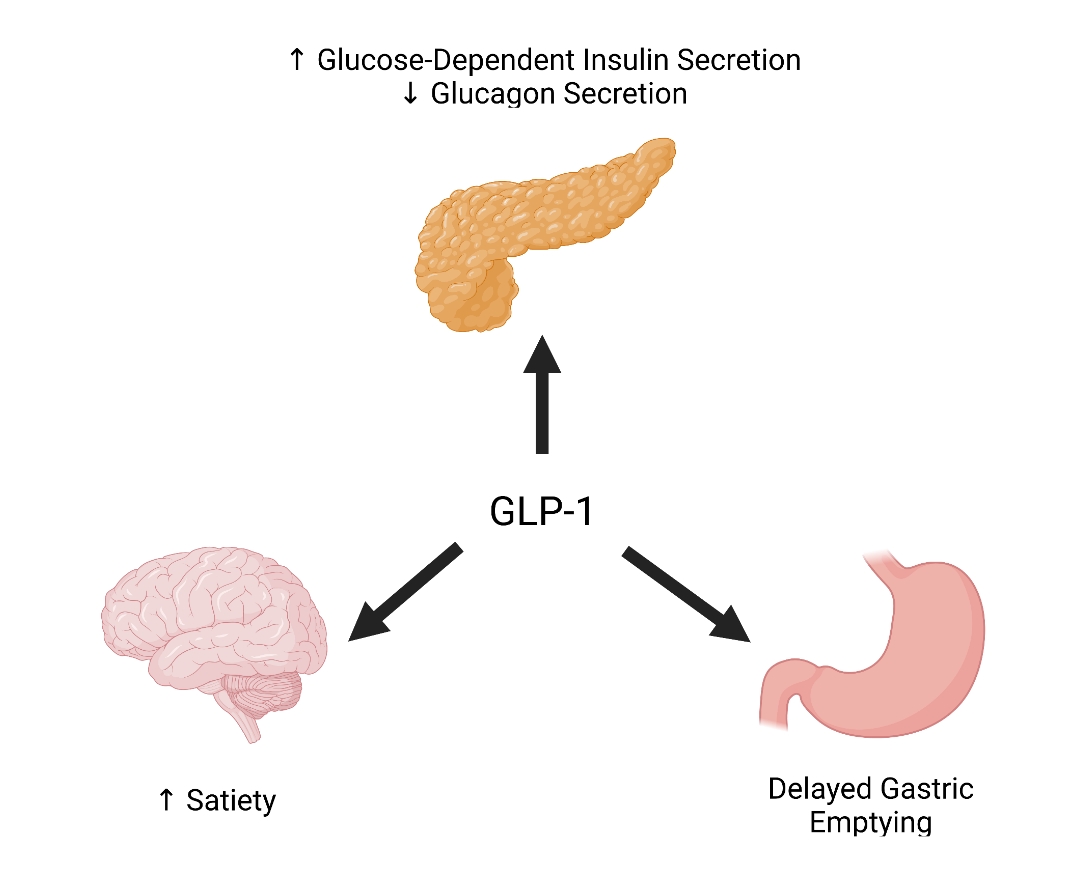
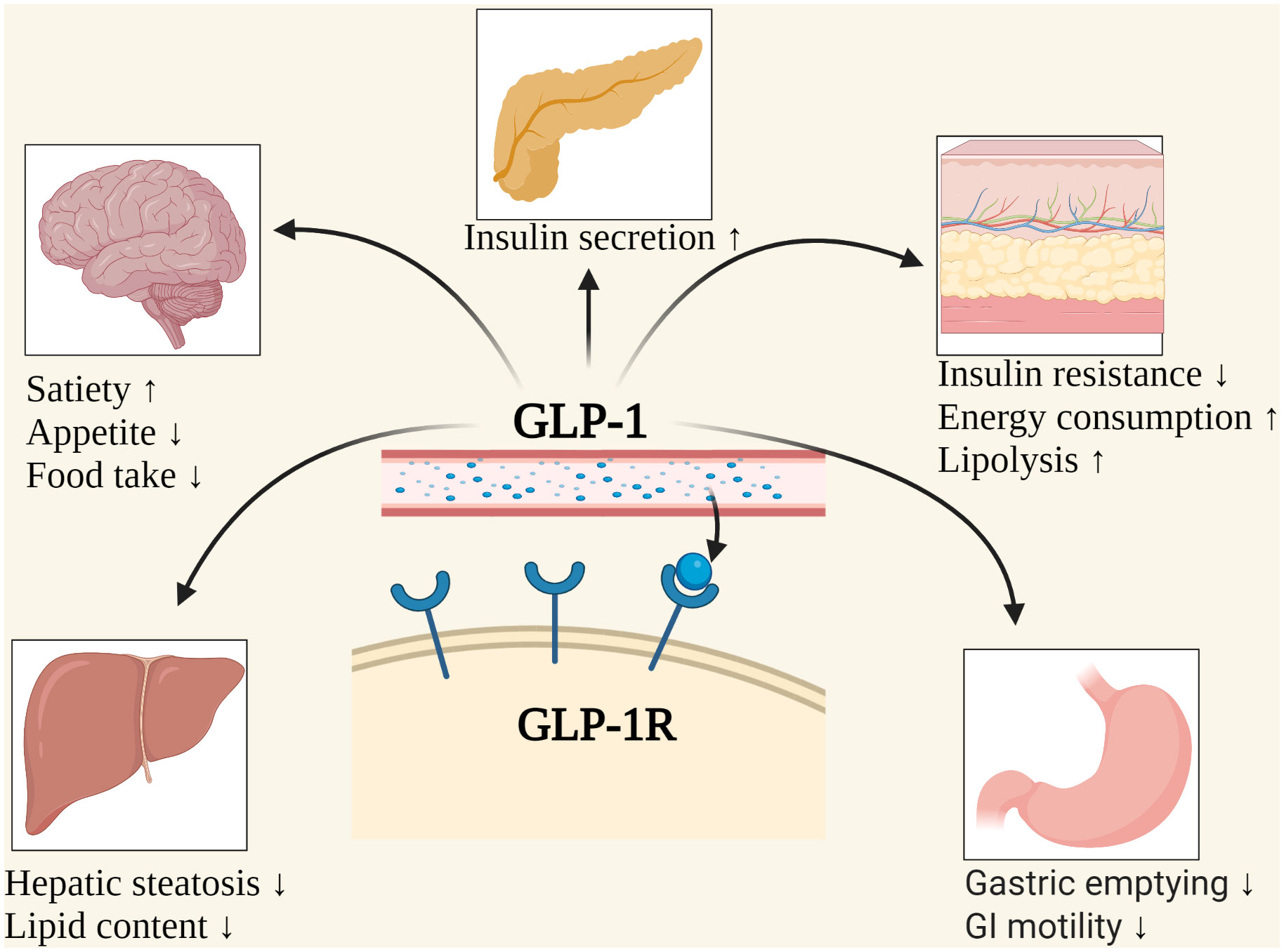
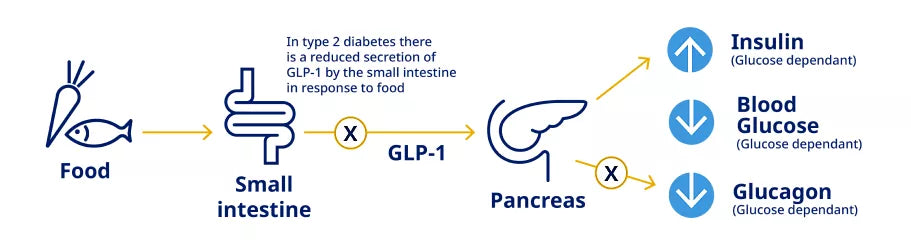
GLP-1 is a peptide hormone that is released in response to nutrient intake, particularly carbohydrates. It acts on the brain and pancreas to exert its effects, regulating insulin secretion and glucose metabolism. GLP-1's primary function is to enhance insulin secretion from pancreatic beta-cells in response to elevated blood glucose levels. This action helps to maintain glucose homeostasis and prevents hyperglycemia.
GLP-1 Receptor Agonists (GLP-1RAs): A New Generation of Therapies
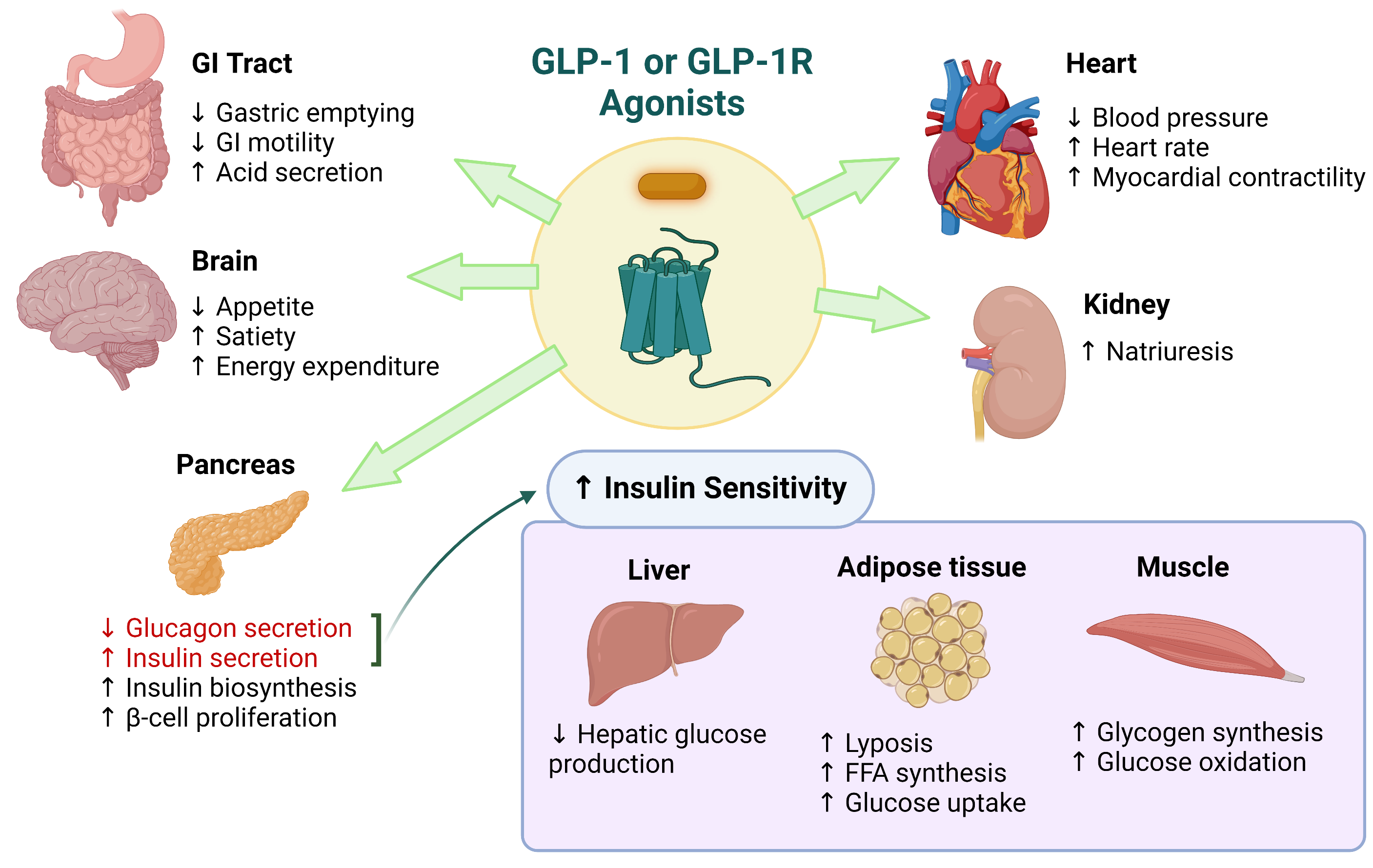
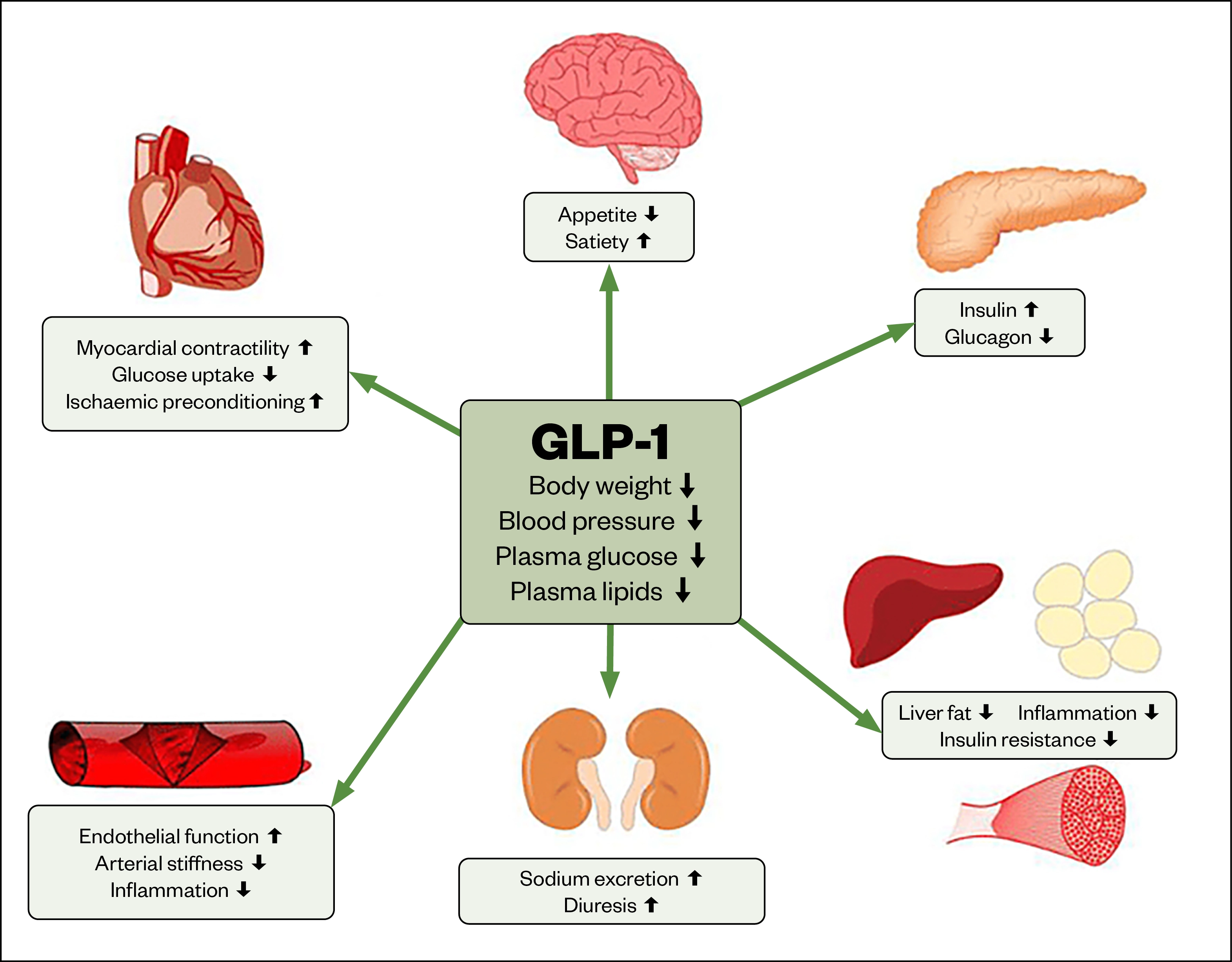
GLP-1RAs are a class of medications that mimic the actions of native GLP-1. By activating the GLP-1 receptor, these medications stimulate insulin secretion, inhibit glucagon release, slow gastric emptying, and reduce appetite. This dual action helps to improve glucose control, reduce body weight, and lower blood pressure, making GLP-1RAs an attractive option for the treatment of type 2 diabetes and obesity.