Calorie Needs for Individuals with Diabetes and GLP-1 Therapy
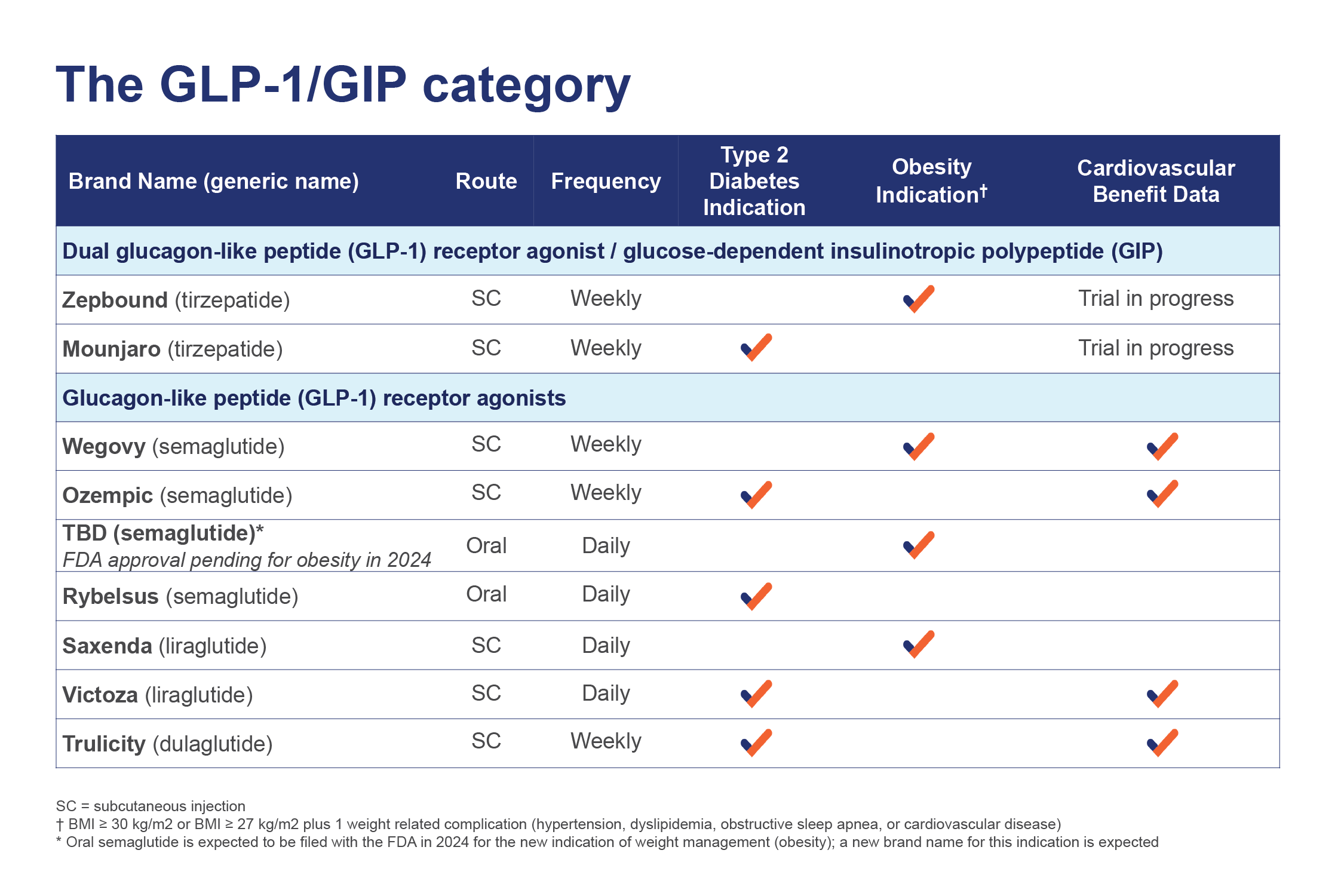
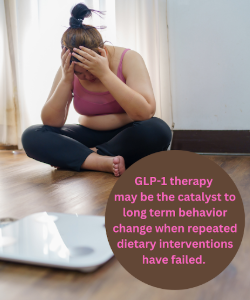
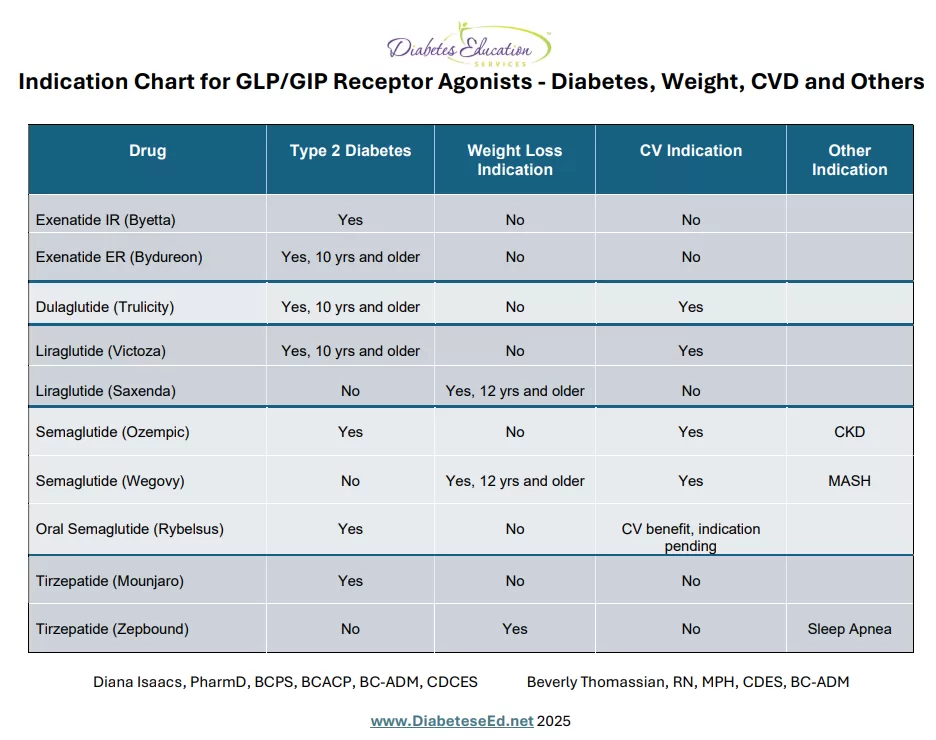
As we navigate the complex world of managing diabetes and weight loss, it's essential to consider the intricate relationship between calorie intake, GLP-1 therapy, and overall health. GLP-1 receptor agonists, such as semaglutide (Ozempic, Wegovy) and liraglutide (Saxenda), have revolutionized the treatment of type 2 diabetes and obesity. However, these medications can also affect appetite and nutrient absorption, making it crucial to understand the unique calorie needs of individuals on GLP-1 therapy.
Understanding GLP-1 Therapy and Calorie Needs
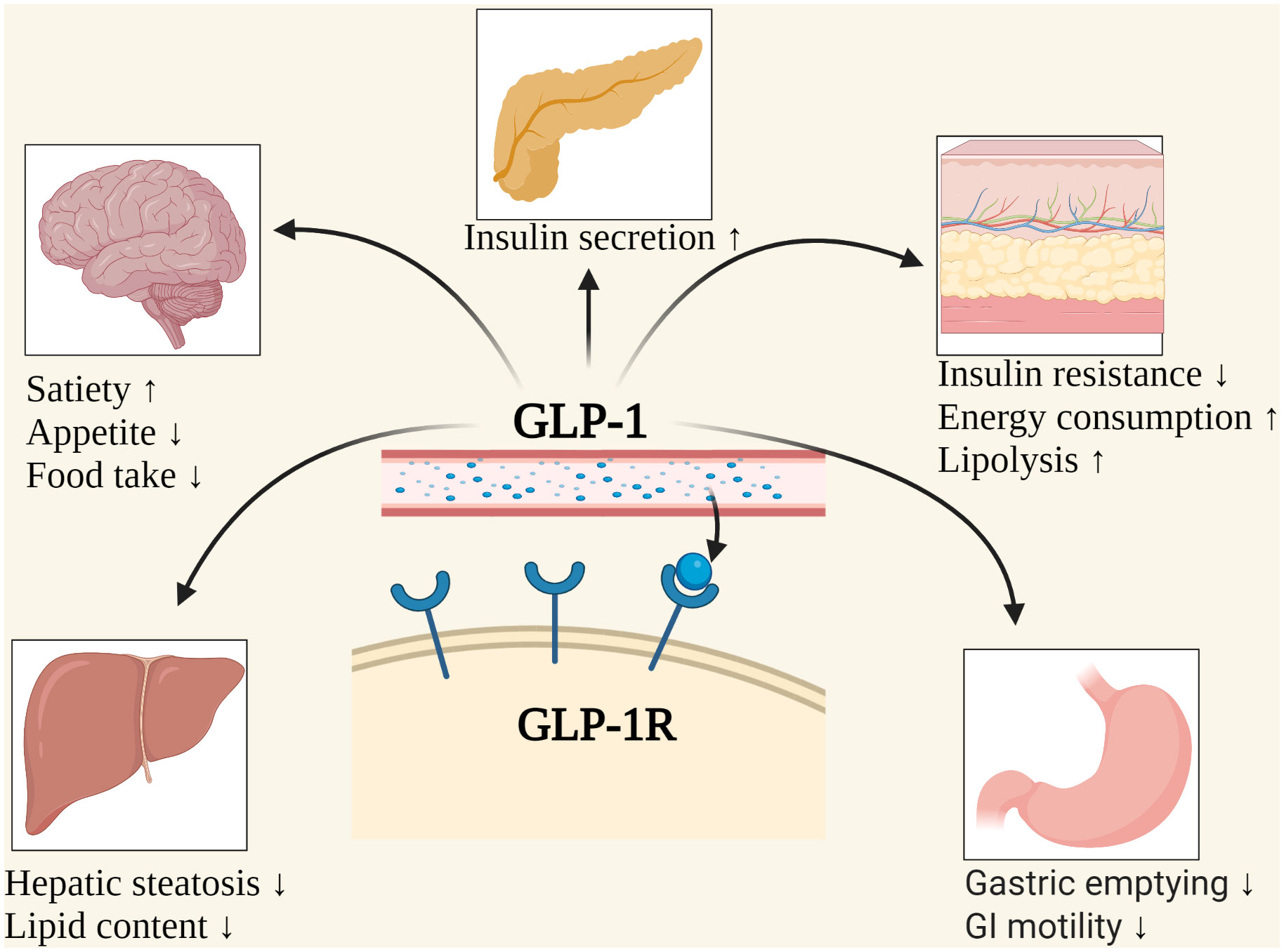
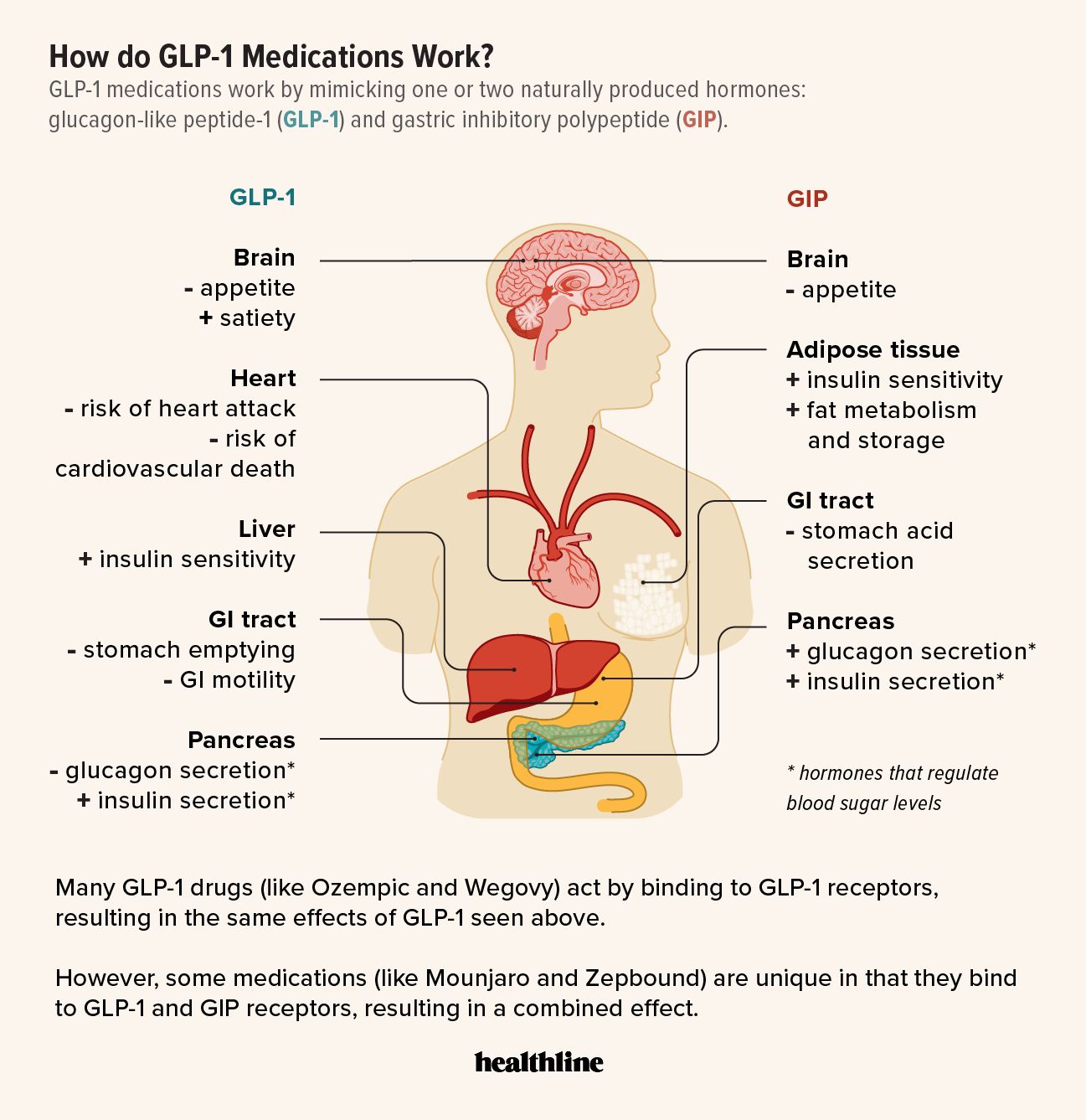
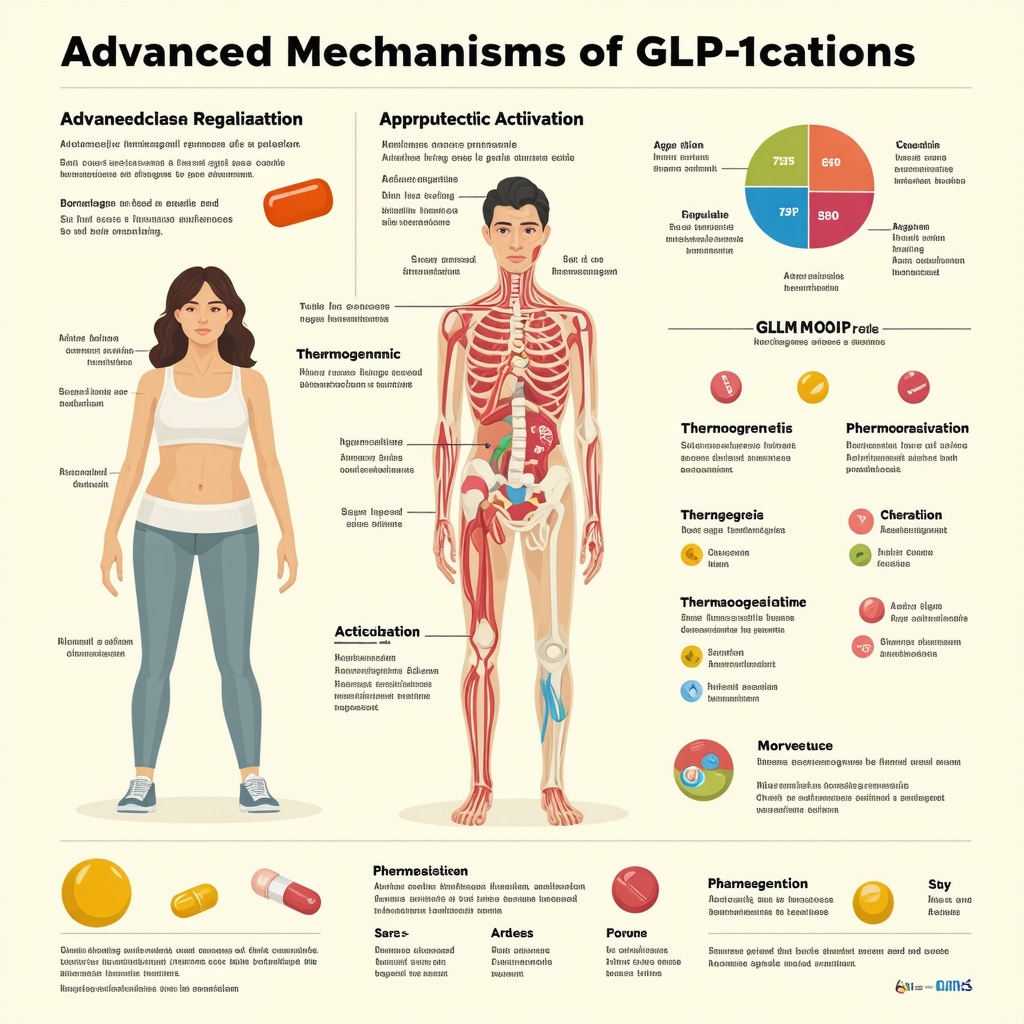
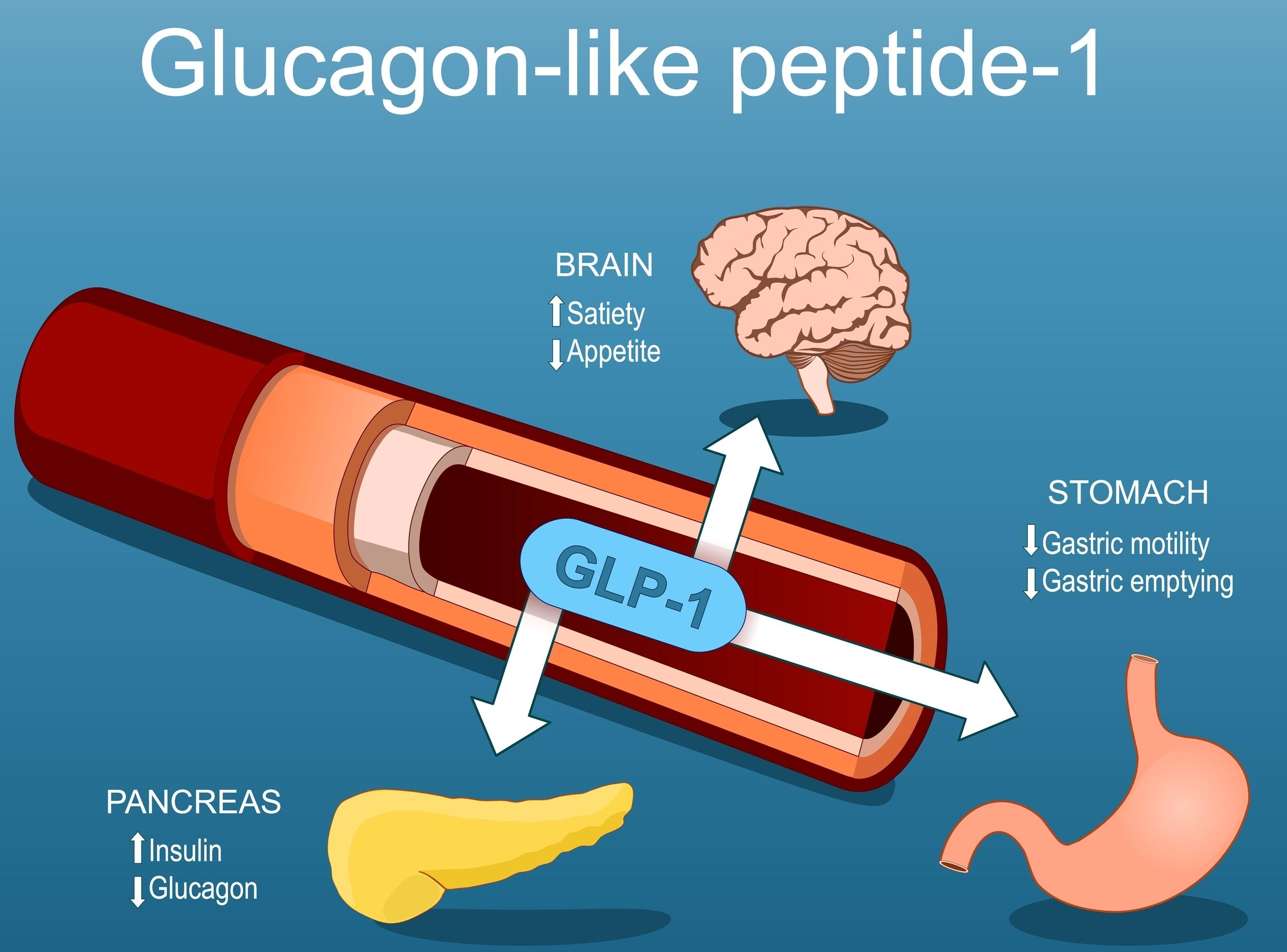
GLP-1 medications work by mimicking the action of a natural hormone in the body, which helps regulate blood sugar levels, promote weight loss, and reduce appetite. While these medications can be effective in managing diabetes and weight, they can also lead to reduced caloric intake and increased metabolic demand. This can create a nutritional paradox, where individuals on GLP-1 therapy may require more calories to maintain their weight and overall health.

Key Considerations for Calorie Needs
- Appetite Suppression: GLP-1 medications can reduce hunger, leading to lower caloric intake. However, this can also result in unintentional nutrient deficiencies if not addressed.
- Metabolic Demand: GLP-1 therapy can increase metabolic rate, leading to increased calorie needs to maintain weight and support overall health.
- Ongoing Nutrition Guidance: Regular monitoring and guidance from a registered dietitian or healthcare professional are crucial to ensure adequate nutrition and address potential nutrient gaps.
- Personalized Calorie Needs: Each individual's calorie needs will vary depending on factors such as age, sex, weight, and activity level, making personalized nutrition planning essential.