Understanding GLP-1 and Glucagon-like Peptide 1 Receptor Activation
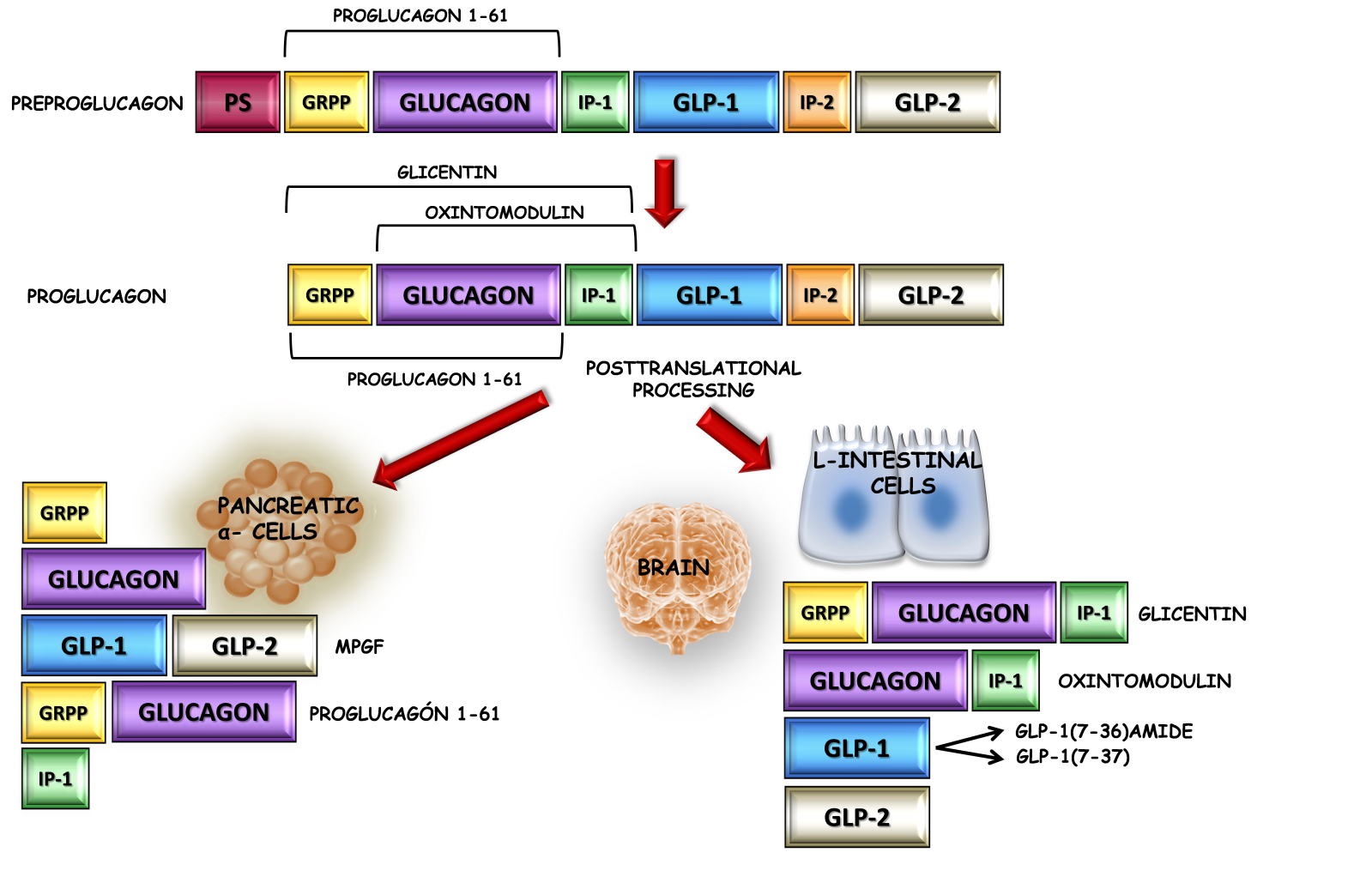
The glucagon-like peptide 1 (GLP-1) hormone plays a crucial role in regulating various physiological processes, including blood sugar levels, appetite, and digestion. It is produced in the small intestine and has a significant impact on energy homeostasis.
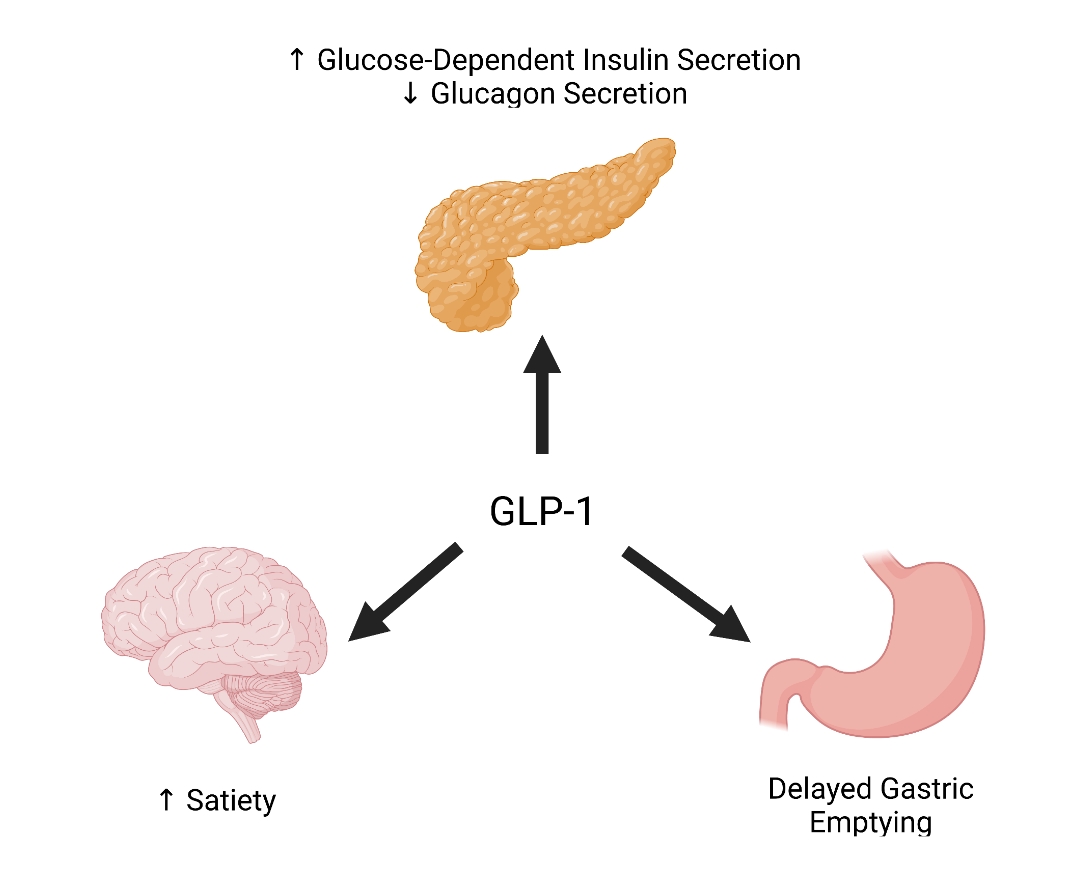
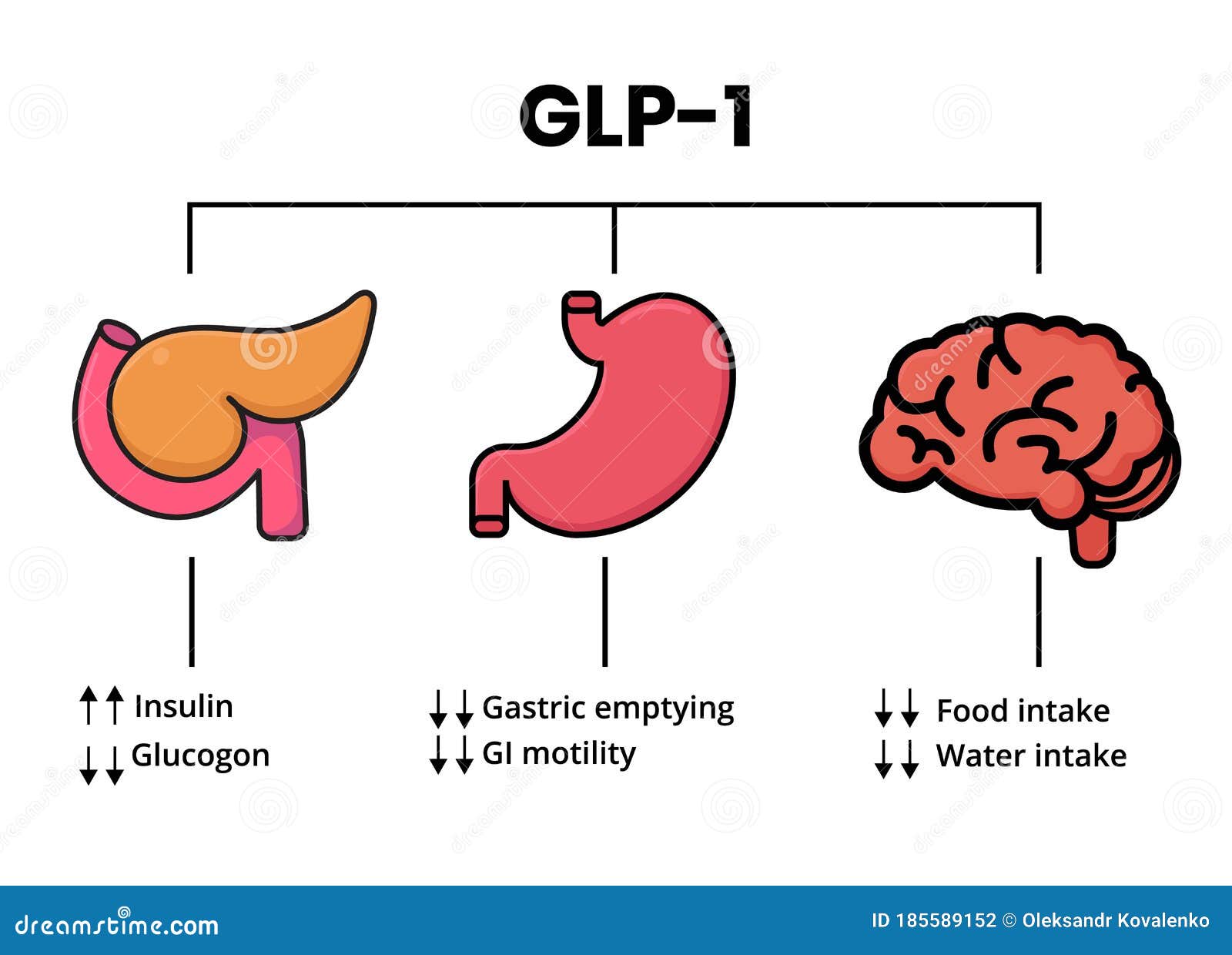
GLP-1 exerts its effects by activating the GLP-1 receptor, a type of G protein-coupled receptor (GPCR) found on the surface of various cell types. Activation of this receptor triggers a series of signaling pathways that promote glucose-dependent insulin secretion, slow gastric emptying, and suppress glucagon release.
The GLP-1 Receptor and Its Signaling Pathways
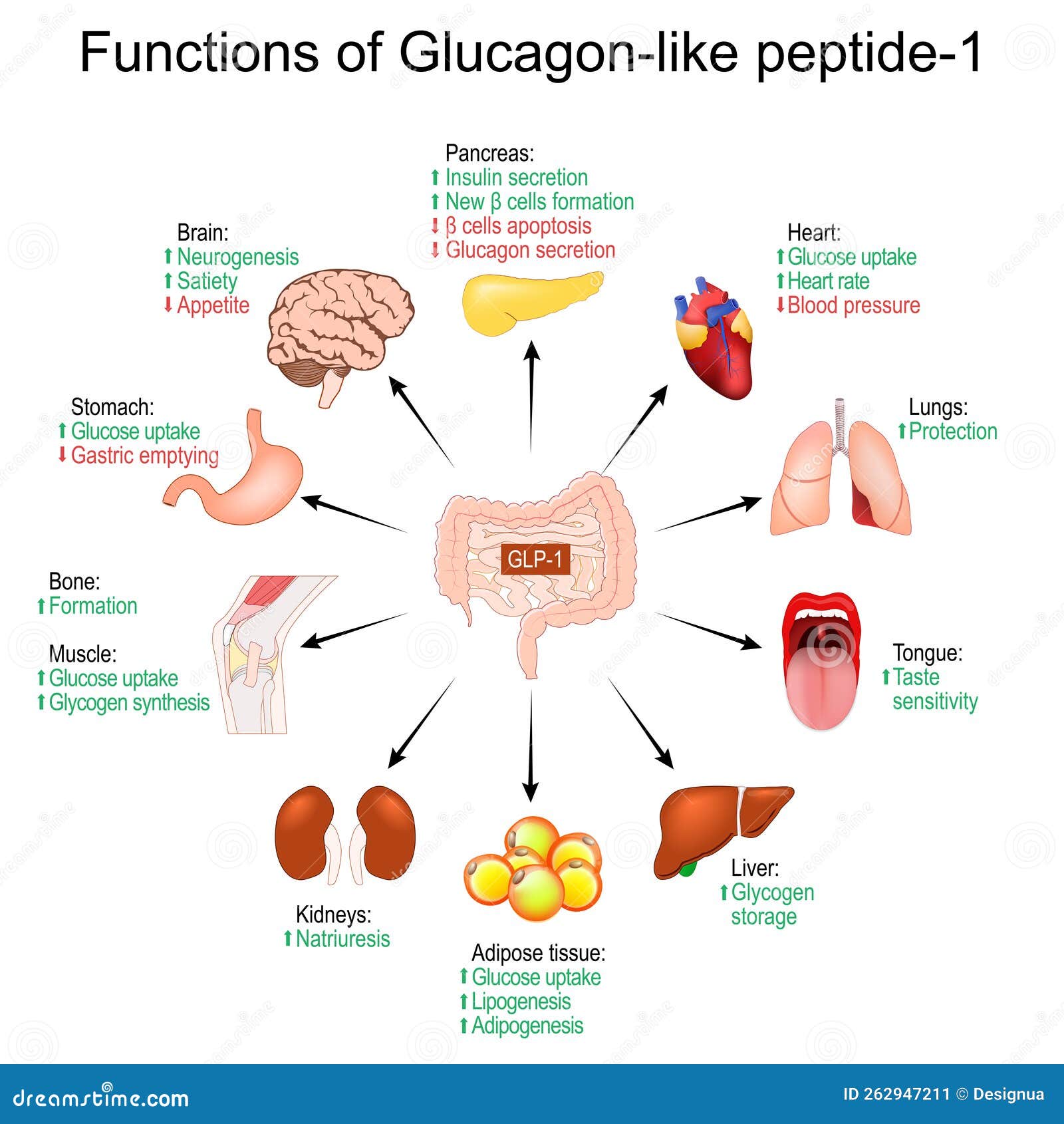
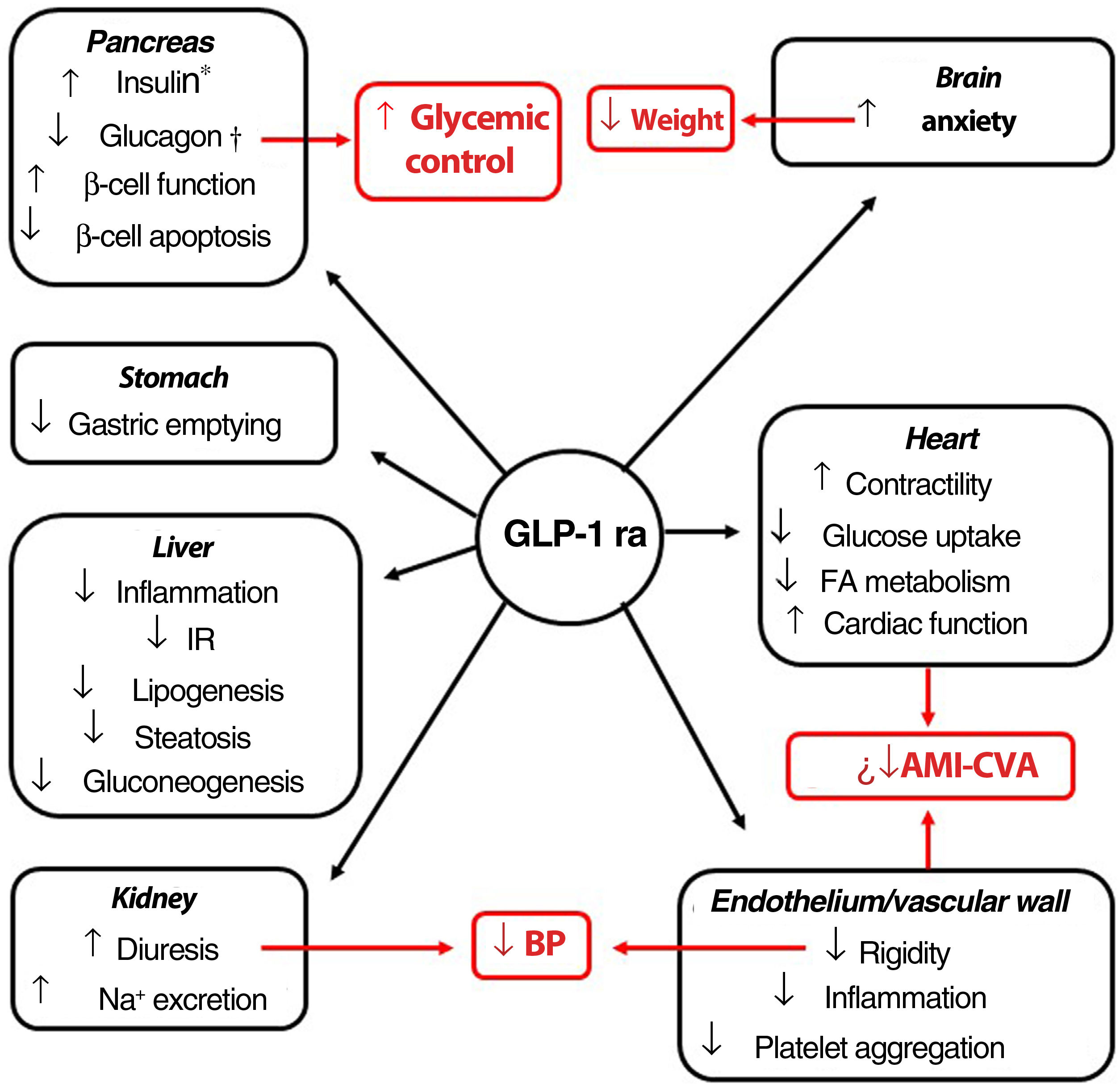
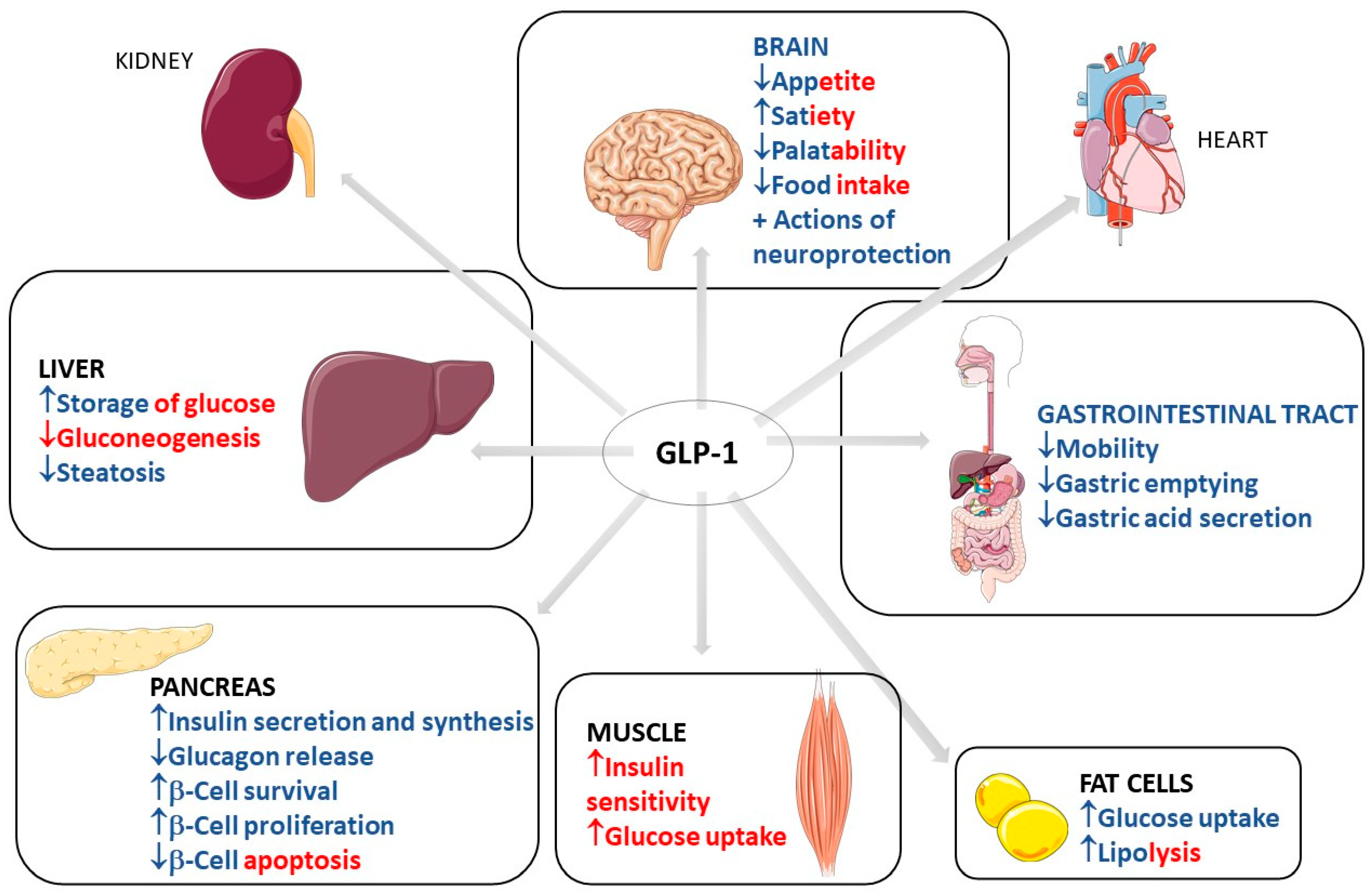
The GLP-1 receptor is a key component of the GLP-1 signaling pathway, and its activation has been shown to have various physiological effects. These include:
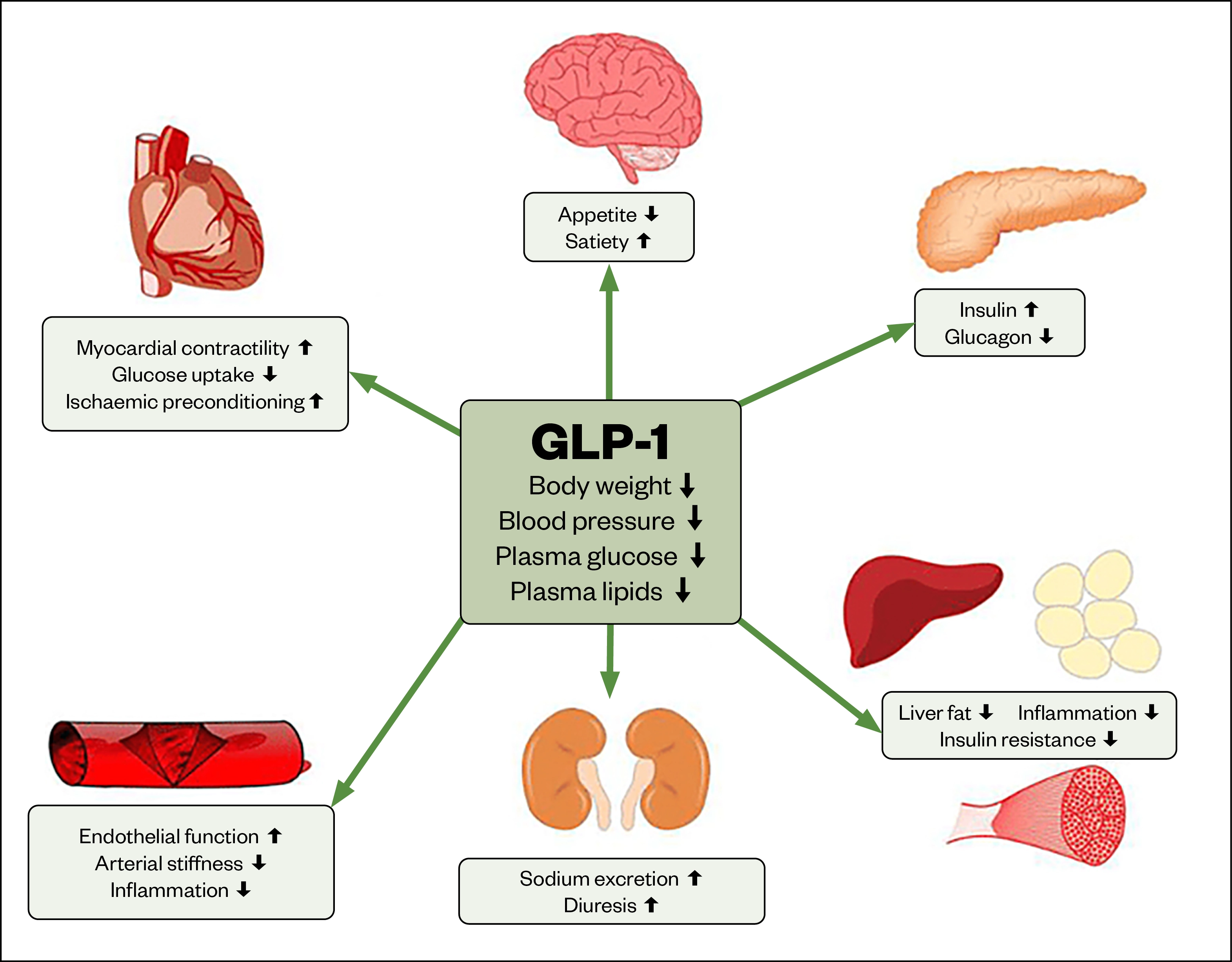
- Enhanced glucose-dependent insulin secretion
- Delayed gastric emptying
- Suppressed glucagon release
- Central appetite suppression
- Neuroprotection and anti-inflammatory effects
These effects are mediated through the activation of various signaling pathways, including the cAMP-PKA pathway, the PI3K-Akt pathway, and the MAPK pathway. The GLP-1 receptor also interacts with other receptors and signaling molecules, such as the GIP receptor, to modulate its effects.
GLP-1 Receptor Agonists and Their Therapeutic Applications
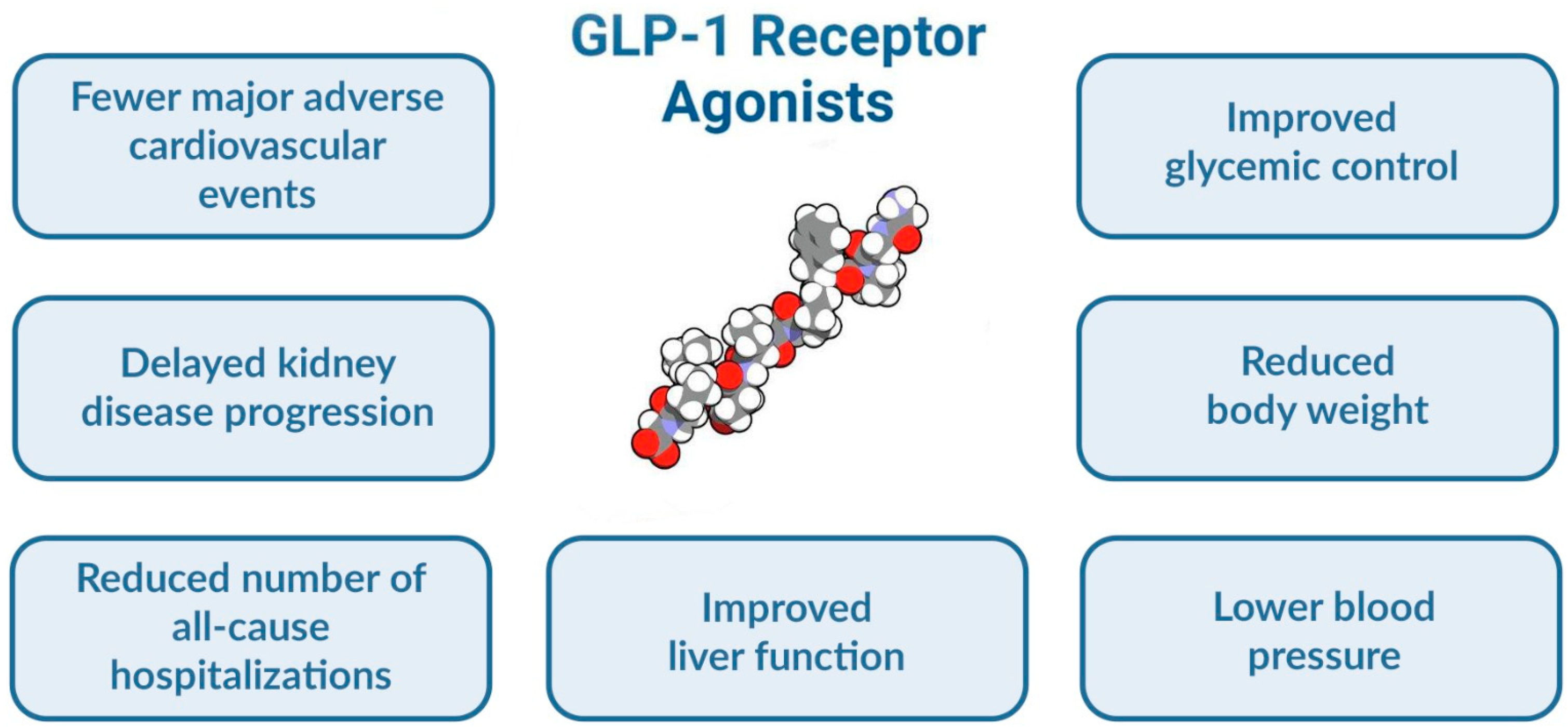
GLP-1 receptor agonists are a class of medications that mimic the action of GLP-1 by activating the GLP-1 receptor. These medications have been shown to have various therapeutic benefits, including: