Emotional Eating Patterns and GLP-1: Unraveling the Link
Emotional eating patterns and GLP-1 have been increasingly linked in research as a means to understand the complex relationship between appetite regulation, emotional functioning, and eating behavior.
What are Emotional Eating Patterns?
- Emotional eating patterns refer to eating behaviors that are driven by emotions rather than physical hunger or satiety.
- These patterns can include using food as a coping mechanism for stress, anxiety, or other emotional challenges.
- People with emotional eating patterns often report eating in response to feelings like sadness, boredom, or celebration.
The Role of GLP-1 in Appetite Regulation

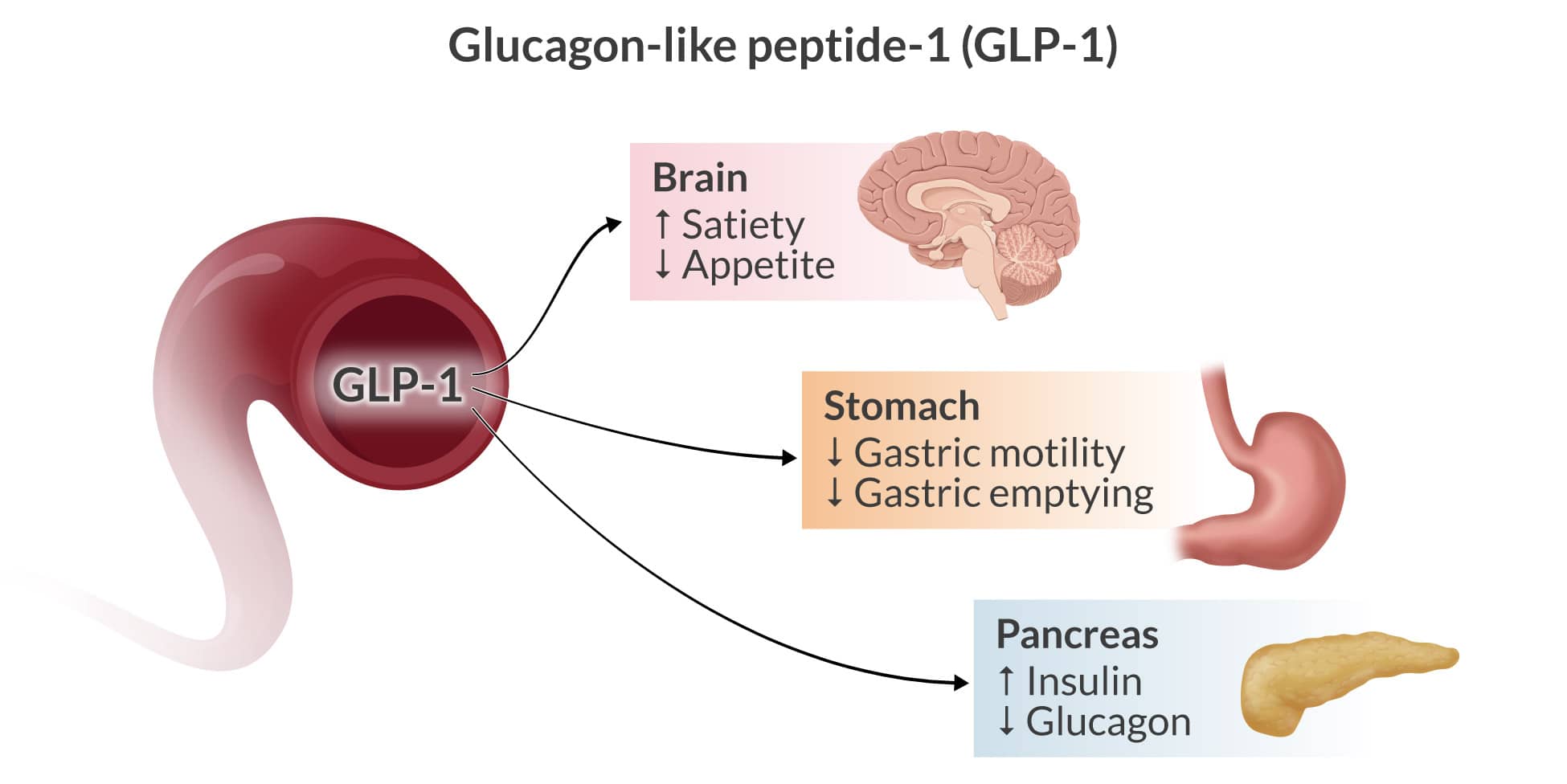
Glucagon-like peptide-1 (GLP-1) is a hormone that plays a key role in appetite regulation. GLP-1 receptor agonist medications, such as Semaglutide, Liraglutide, Tirzepatide, and Dulaglutide, have been shown to reduce appetite and increase feelings of fullness.
How Emotional Eating Patterns Relate to GLP-1
GLP-1 has been found to affect both physical and emotional aspects of eating behavior. By reducing physical hunger and increasing feelings of fullness, GLP-1 medications may also influence emotional patterns.
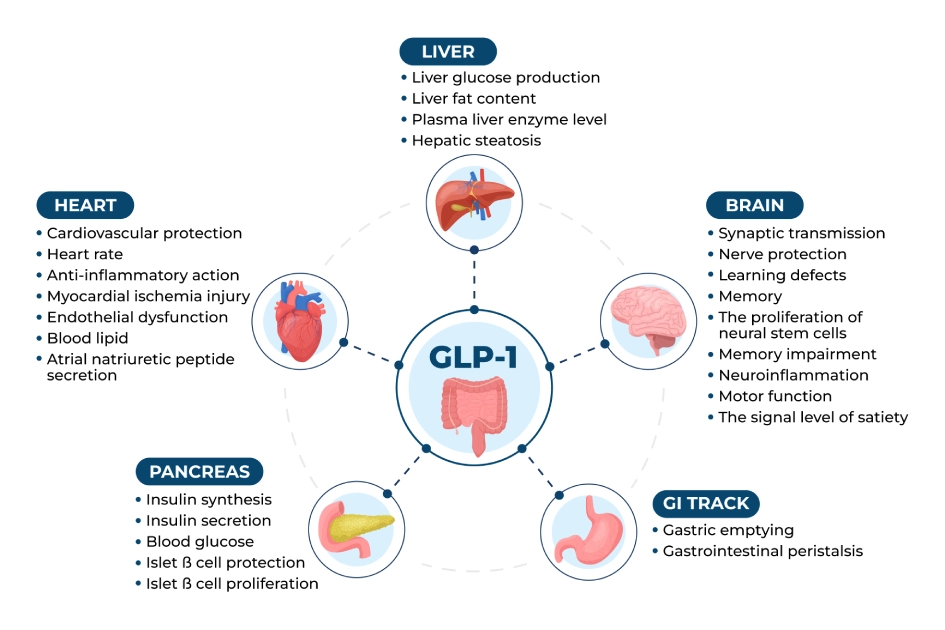
The role of GLP-1 in emotional eating patterns can be traced back to the hormone's effects on the brain's reward system. Research has shown that GLP-1 influences the activity of brain regions involved in emotion regulation, motivation, and pleasure.