Understanding the Connection Between Daily Stress and GLP-1
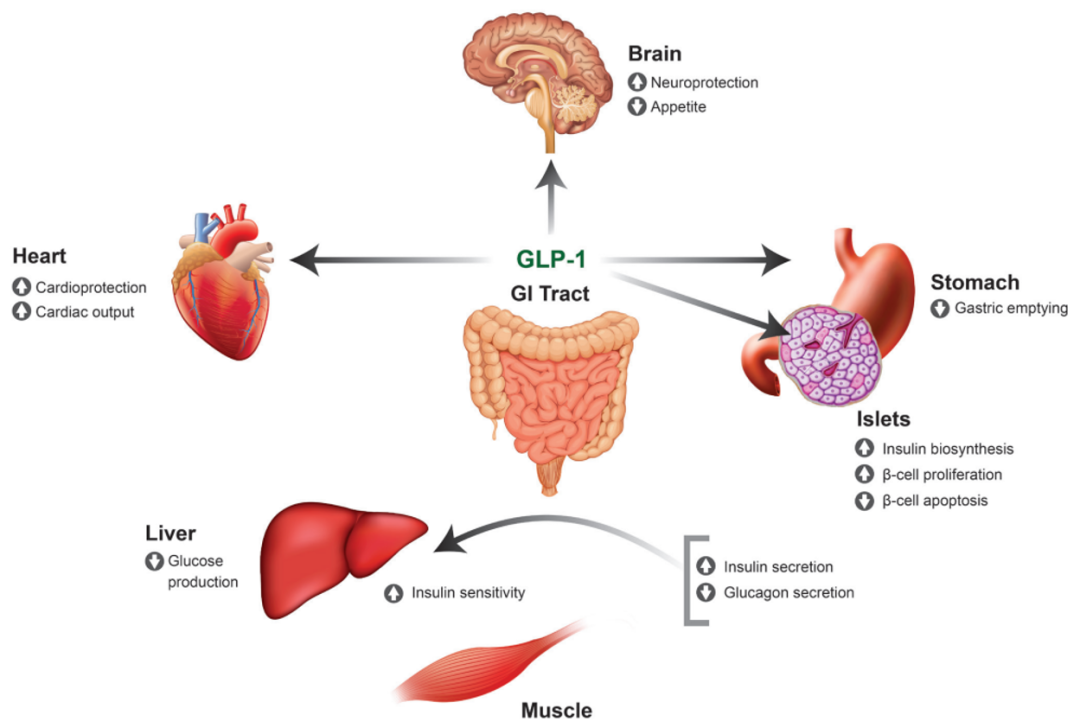
The human body is a marvel of intricate systems and processes, and Glucagon-like peptide-1 (GLP-1) is no exception. GLP-1 is a hormone that plays a crucial role in glucose-dependent insulin secretion and has been linked to various physiological processes, including stress regulation and emotion management. In this article, we will delve into the world of GLP-1 and its fascinating connection to daily stress.
What is GLP-1 and How is it Related to Stress?
GLP-1 is an incretin hormone that is secreted from L cells in the intestine in response to nutrient ingestion, stimulating glucose-dependent insulin secretion. However, GLP-1 is also expressed in neurons, and its role in stress regulation and emotion management has yet to be fully understood. Research suggests that GLP-1 may be involved in the regulation of stress responses, including anxiety and mood.

How Does Daily Stress Impact GLP-1 Receptor Agonist Therapy?
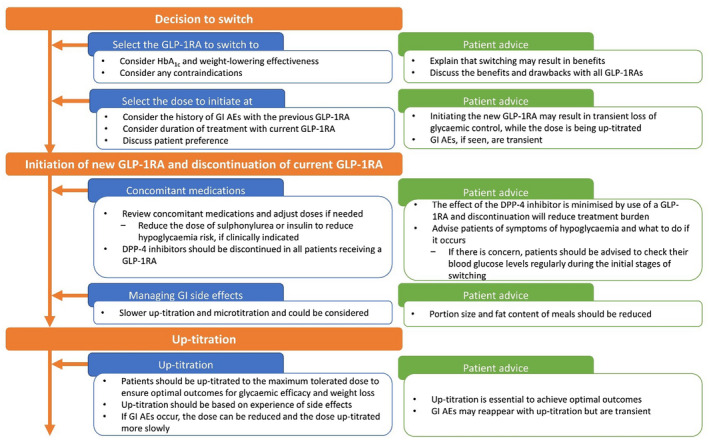
When it comes to GLP-1 receptor agonist therapy, daily stress can significantly impact treatment outcomes. Stress can disrupt the body's natural biological rhythms, leading to changes in GLP-1 levels and function. Additionally, stress can affect the body's ability to regulate appetite and satiety, making it more challenging to manage weight and maintain a healthy diet. Effective stress management strategies, such as mindfulness, regular exercise, and quality sleep, are essential for maintaining a healthy GLP-1 pathway and achieving sustainable weight loss.