Configuring Wireless Network for Logistics Companies: Boosting Efficiency and Productivity
The logistics industry is critical to the global economy, with companies striving to optimize their supply chain management systems to stay competitive. One key aspect of achieving seamless operations is the configuration of a reliable and efficient wireless network. A well-designed wireless network for logistics companies can improve warehouse productivity, resource utilization, and inventory management.
Understanding the Wireless Network Challenges in Logistics
Warehouses pose unique challenges when designing wireless networks, including size, racking layout, material handling equipment, varying inventory levels, wireless access point mounting challenges, and fluctuating temperature and humidity. Interference from Bluetooth, microwave ovens, wireless phones, and other Wi-Fi networks can also cause signal loss and disconnection.
Benefits of a Properly Configured Wireless Network for Logistics
A well-configured wireless network for logistics companies can offer several benefits, including:

- Improved warehouse productivity
- Enhanced resource utilization
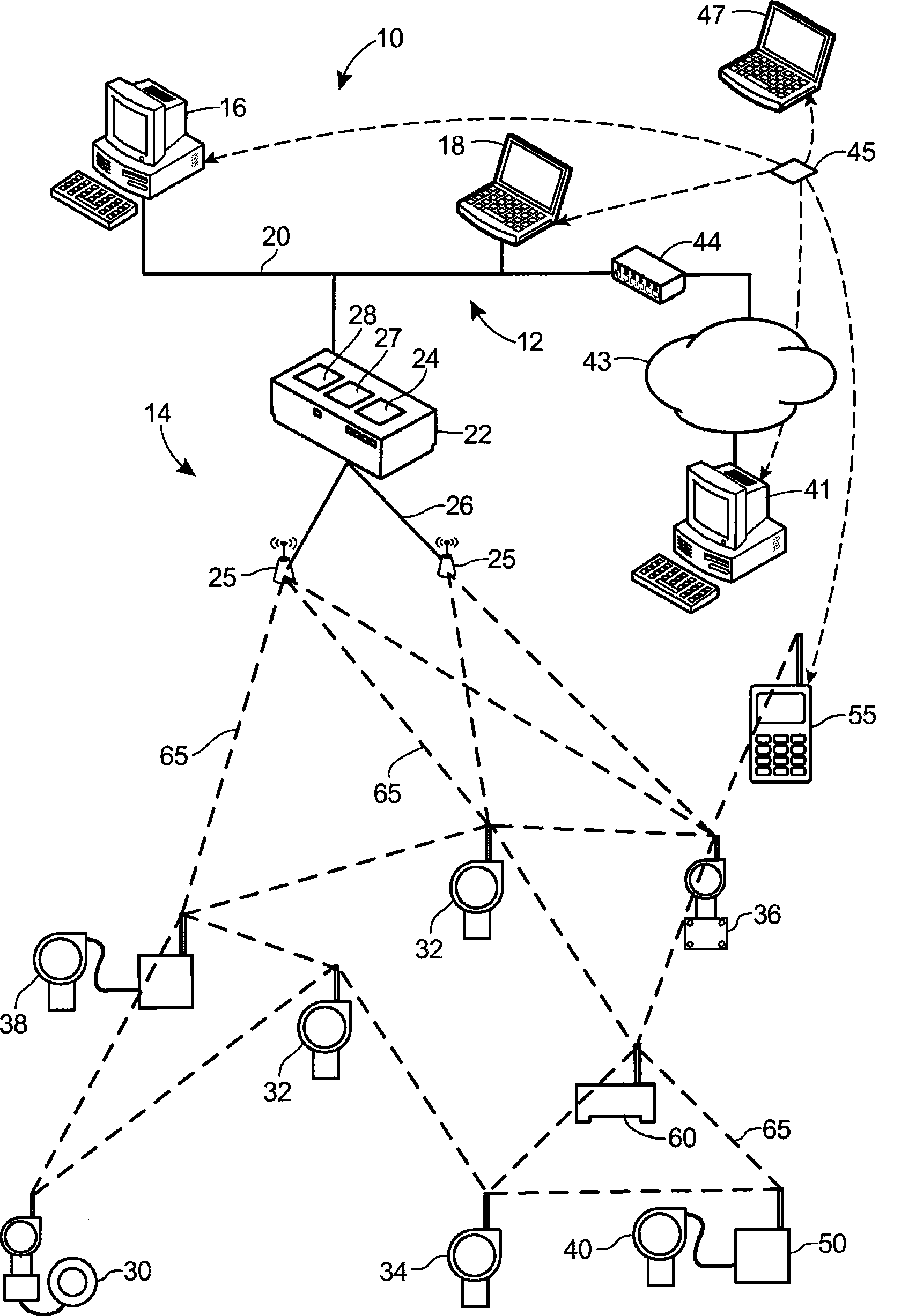
- Seamless communication among warehouse control systems, warehouse management systems, devices, and personnel
- Reduced costs through efficient inventory management and reduced labor costs
- Increased accuracy and reliability due to real-time visibility across the network
Key Considerations for Configuring a Wireless Network for Logistics
The following are key considerations to ensure a well-designed and reliable wireless network for logistics companies:
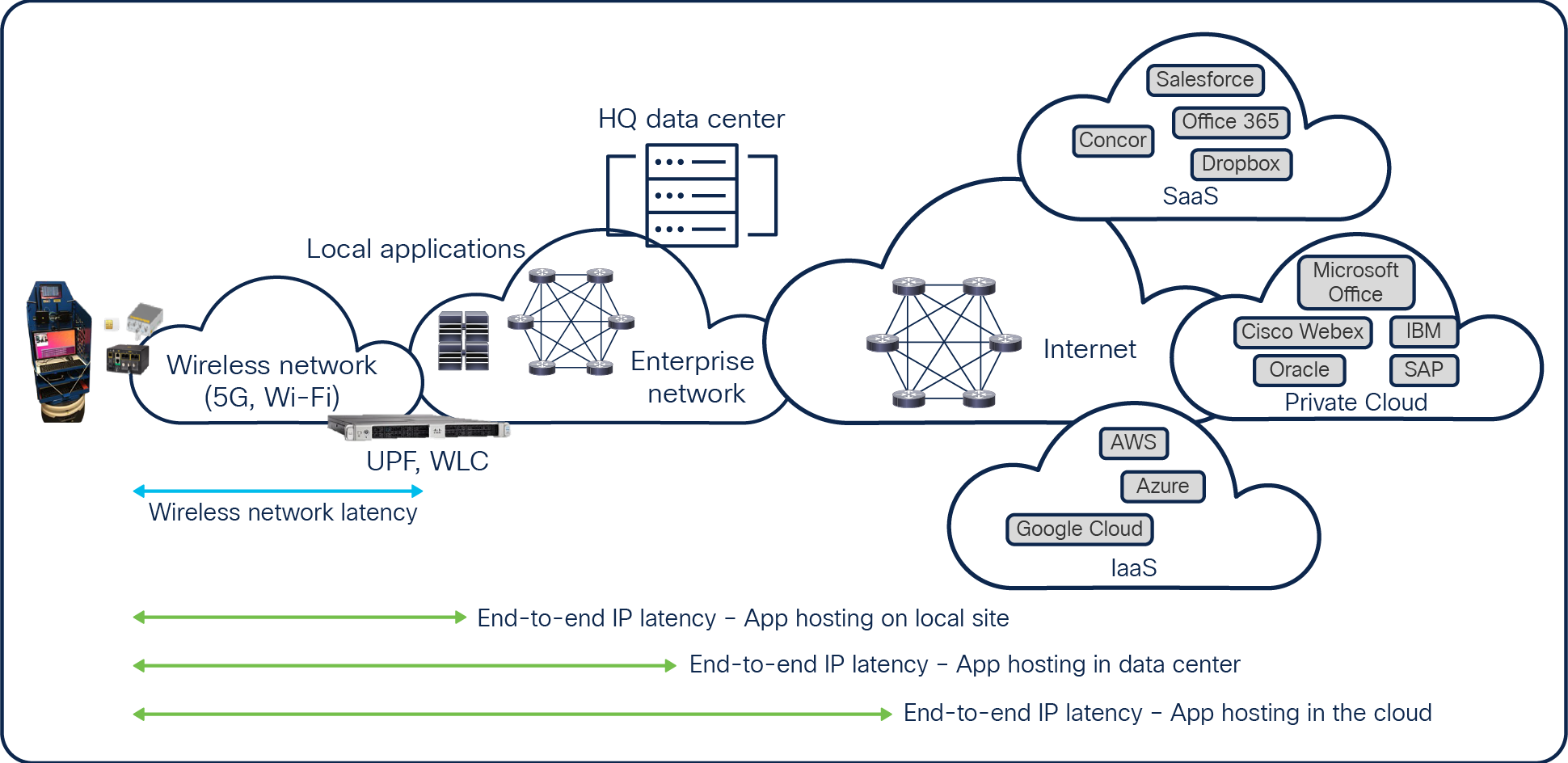
- Needs of costly wiring and infrastructure that process engineering in any new logistics facility, 5G offers the potential to reduce setup costs and simplify the management of logistics facilities
- Regular surveys to identify areas of high interference and optimize network performance
- Secure access points and servers to ensure data integrity and compliance with regulations
- Redundancy and failover systems to minimize downtime and ensure business continuity
- Scalability to accommodate growth and expansion of the logistics operation