Carbon Credit Trading for NGOs: A Guide to Unlocking Sustainable Income Streams
Non-governmental organizations (NGOs) play a vital role in promoting sustainable development and combating climate change. In recent years, carbon credit trading has emerged as a lucrative opportunity for NGOs to generate stable income while contributing to environmental protection. In this article, we will delve into the world of carbon credit trading, exploring its potential benefits, challenges, and best practices for NGOs.
What are Carbon Credits?
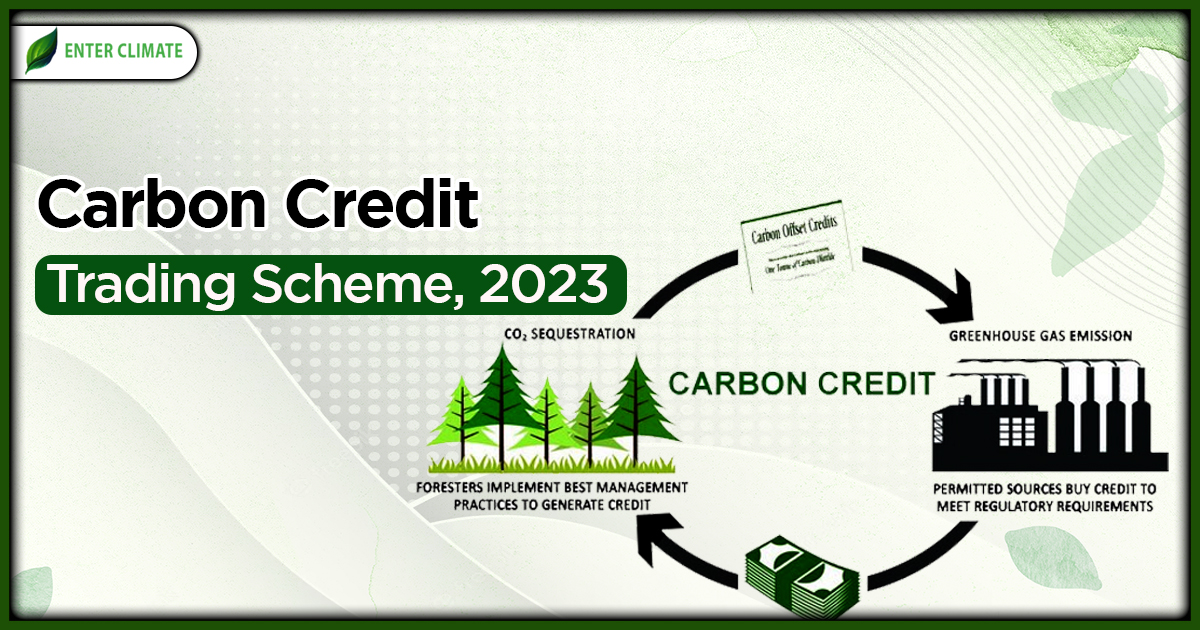
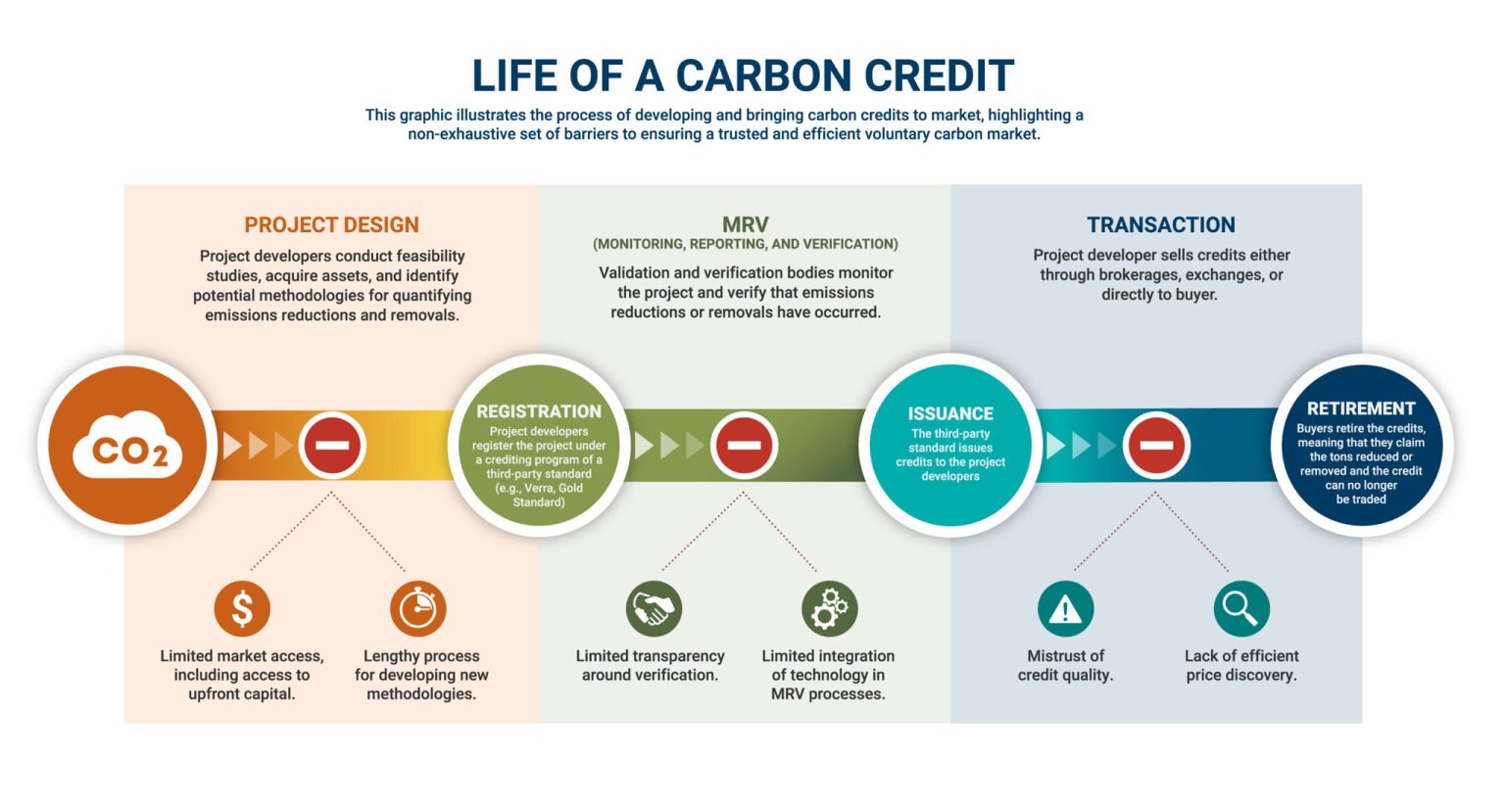
Carbon credits represent a reduction of one metric ton of carbon dioxide emissions, either through avoiding emissions or removing carbon from the atmosphere. These credits can be sold to companies looking to offset their carbon footprints, providing a financial incentive for reducing greenhouse gas emissions.
Types of Carbon Markets
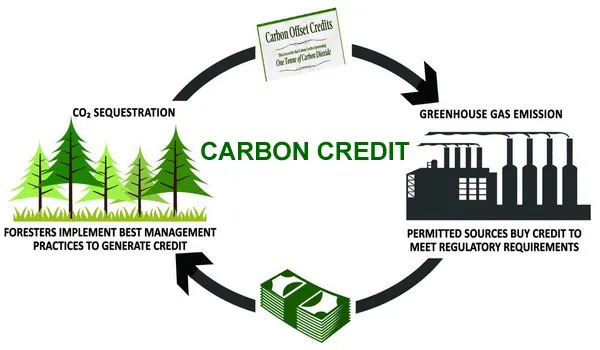
There are two main types of carbon markets: compliance and voluntary. Compliance markets are created by governments to meet specific emission reduction targets, while voluntary markets allow companies and individuals to purchase carbon credits on a voluntary basis.
- Compliance markets: These markets are established by governments to meet specific emission reduction targets.
- Voluntary markets: These markets allow companies and individuals to purchase carbon credits on a voluntary basis.