Can You Lose Weight with GLP-1? A Comprehensive Guide
Losing weight can be a challenging and frustrating process, but medical treatments like GLP-1 (Glucagon-like peptide-1) agonists are emerging as a game-changer for people struggling with excess weight. These medications have been shown to help control appetite and hunger, leading to significant weight loss in some individuals.
What Are GLP-1 Agonists?
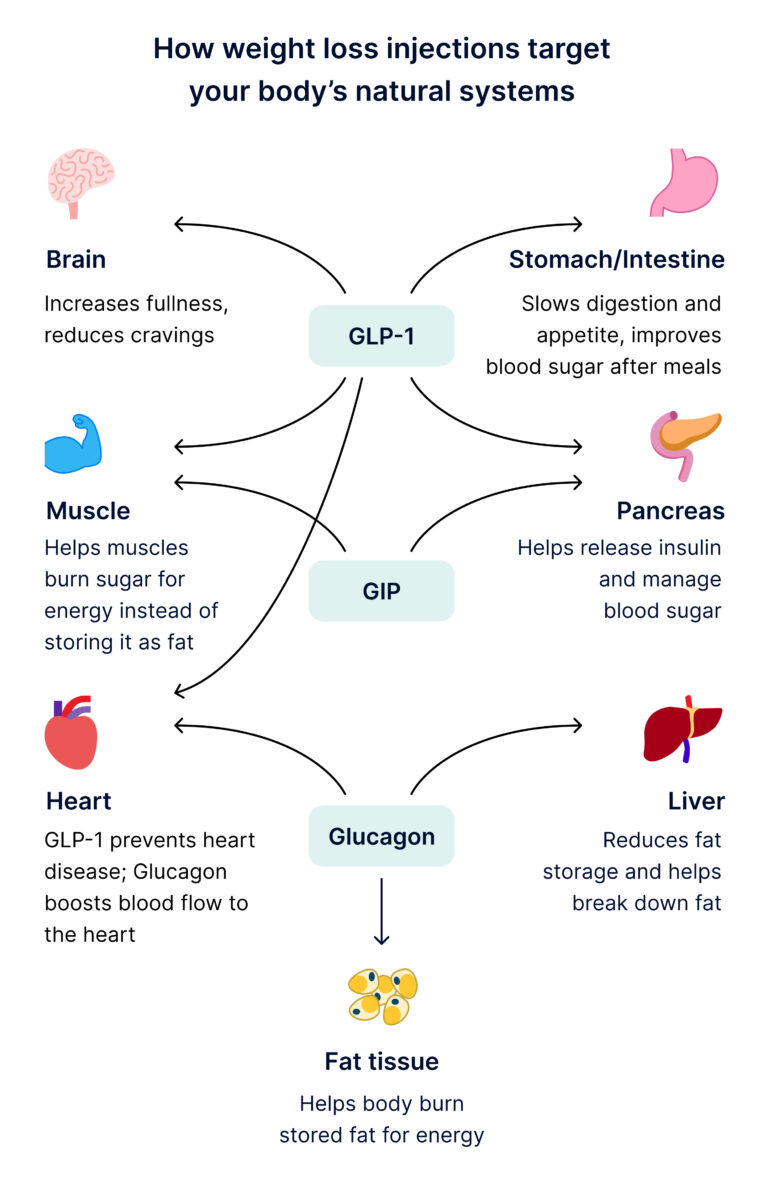
GLP-1 agonists are a class of medications that work by targeting GLP-1 receptors in the body. They were originally developed for the treatment of type 2 diabetes mellitus, but their benefits for weight loss have become increasingly recognized. GLP-1 agonists increase insulin production, decrease glucagon levels, and slow down gastric emptying, leading to a feeling of fullness and reduced appetite.
How Do GLP-1 Agonists Work for Weight Loss?

Unlike the natural GLP-1 hormone, which rises and falls with meals, GLP-1 agonist medications maintain elevated GLP-1-like activity around the clock. This leads to a consistent feeling of satiety, reducing hunger and allowing individuals to eat less and lose weight. GLP-1 agonists have been shown to be particularly effective in individuals with a higher body mass index (BMI).
Pros and Cons of GLP-1 Agonists for Weight Loss
- Significant weight loss: GLP-1 agonists have been shown to lead to weight loss, with some individuals losing up to 20-30 pounds.
- Improved appetite control: By reducing hunger and increasing feelings of fullness, GLP-1 agonists make it easier to maintain a healthy diet and stick to a weight loss plan.
- Cardiovascular benefits: GLP-1 agonists have been shown to lower blood pressure and improve lipid profiles, reducing the risk of cardiovascular disease.
- Side effects: Common side effects include nausea, vomiting, diarrhea, and muscle loss. However, these side effects are often temporary and can be managed with proper dosing adjustments and lifestyle changes.











-p-1080.png "Weight-loss treatment is on the verge of a dramatic shift - again")