Mastering Keyword Research Best Practices for Long Tails: A Comprehensive Guide
Keyword research is at the heart of every successful SEO campaign. It enables you to create content that resonates with your target audience and drives more high-quality traffic to your website. Long-tail keywords are highly specific search phrases that can help you achieve this goal. In this article, we'll delve into the world of long-tail keywords and explore the best practices for researching and optimizing them for better search rankings.
What are Long-Tail Keywords?
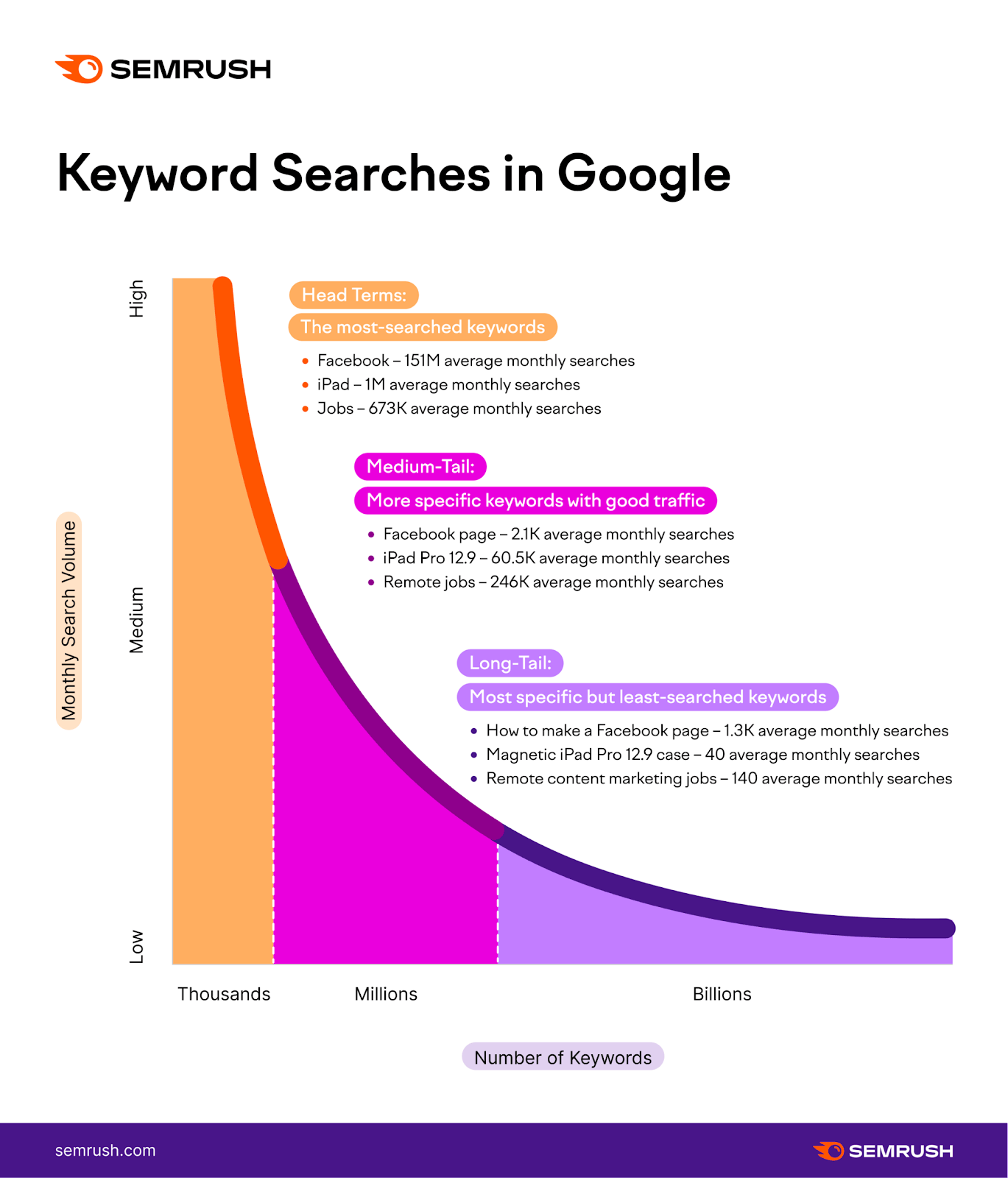
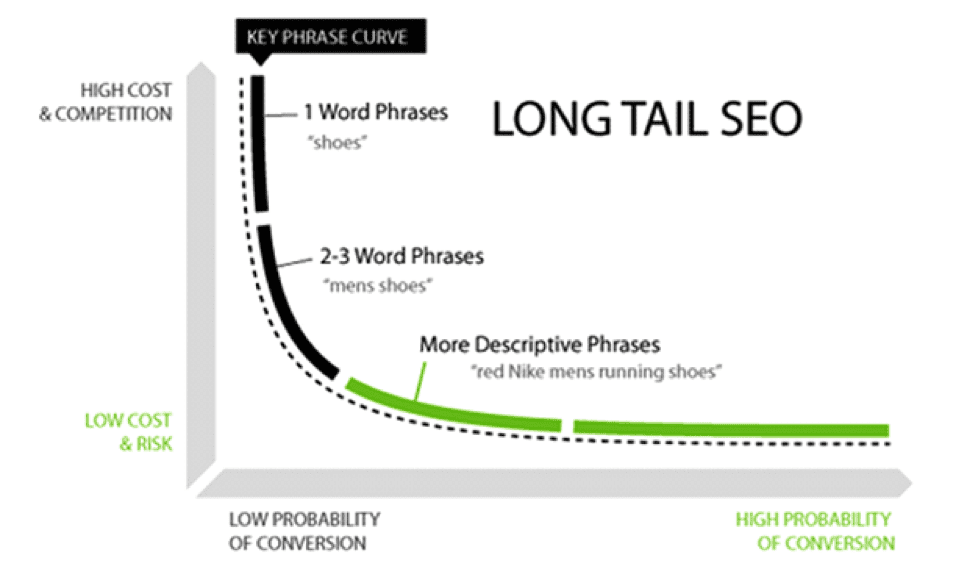
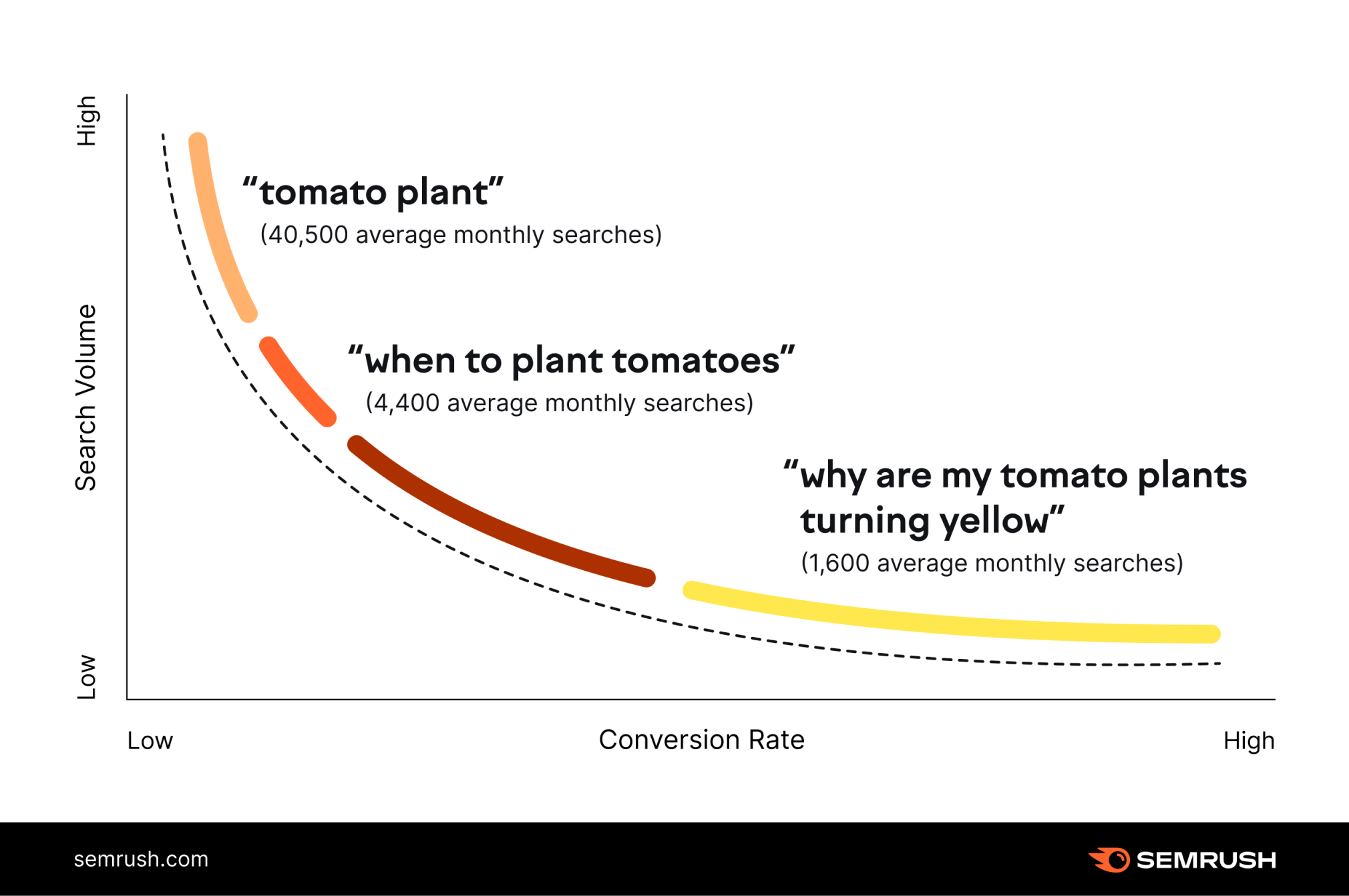
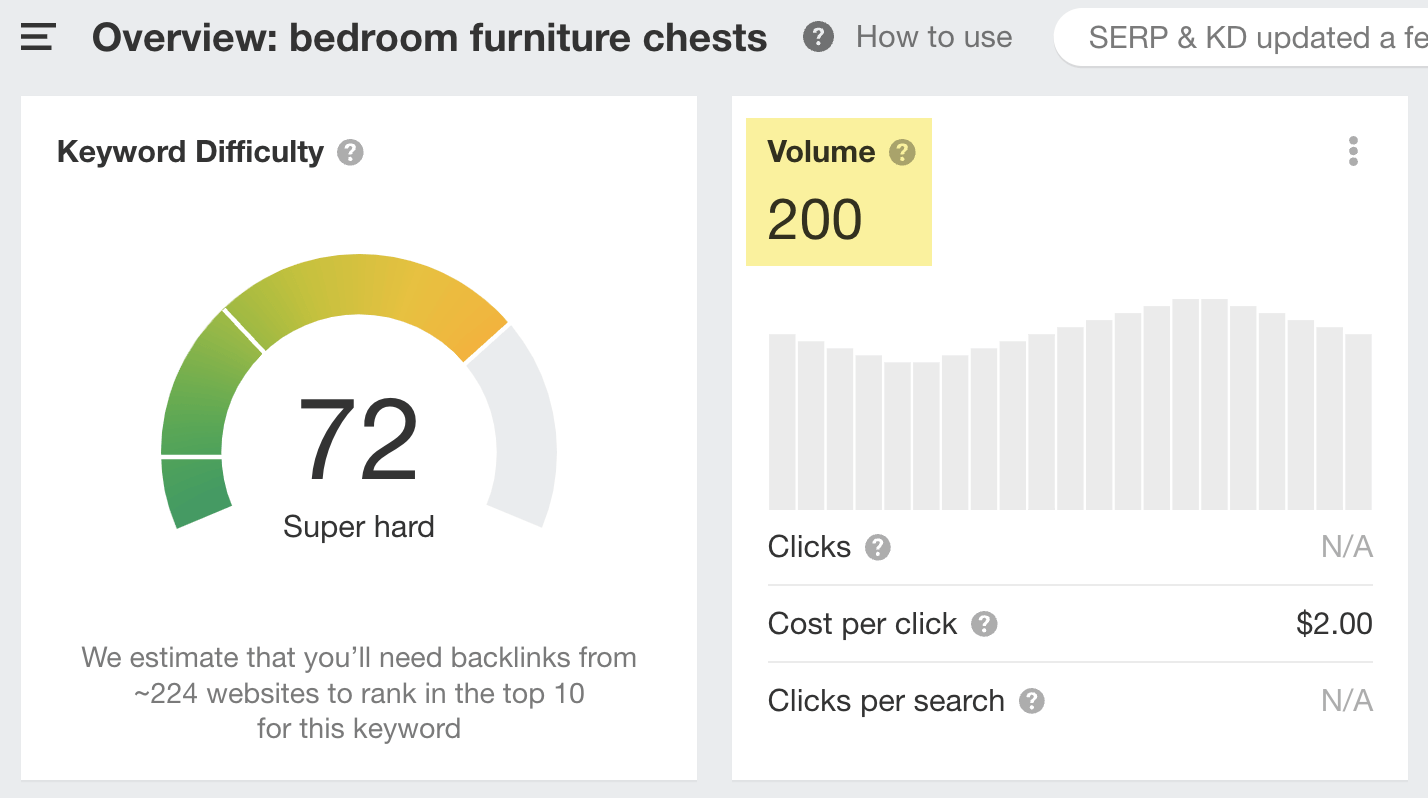
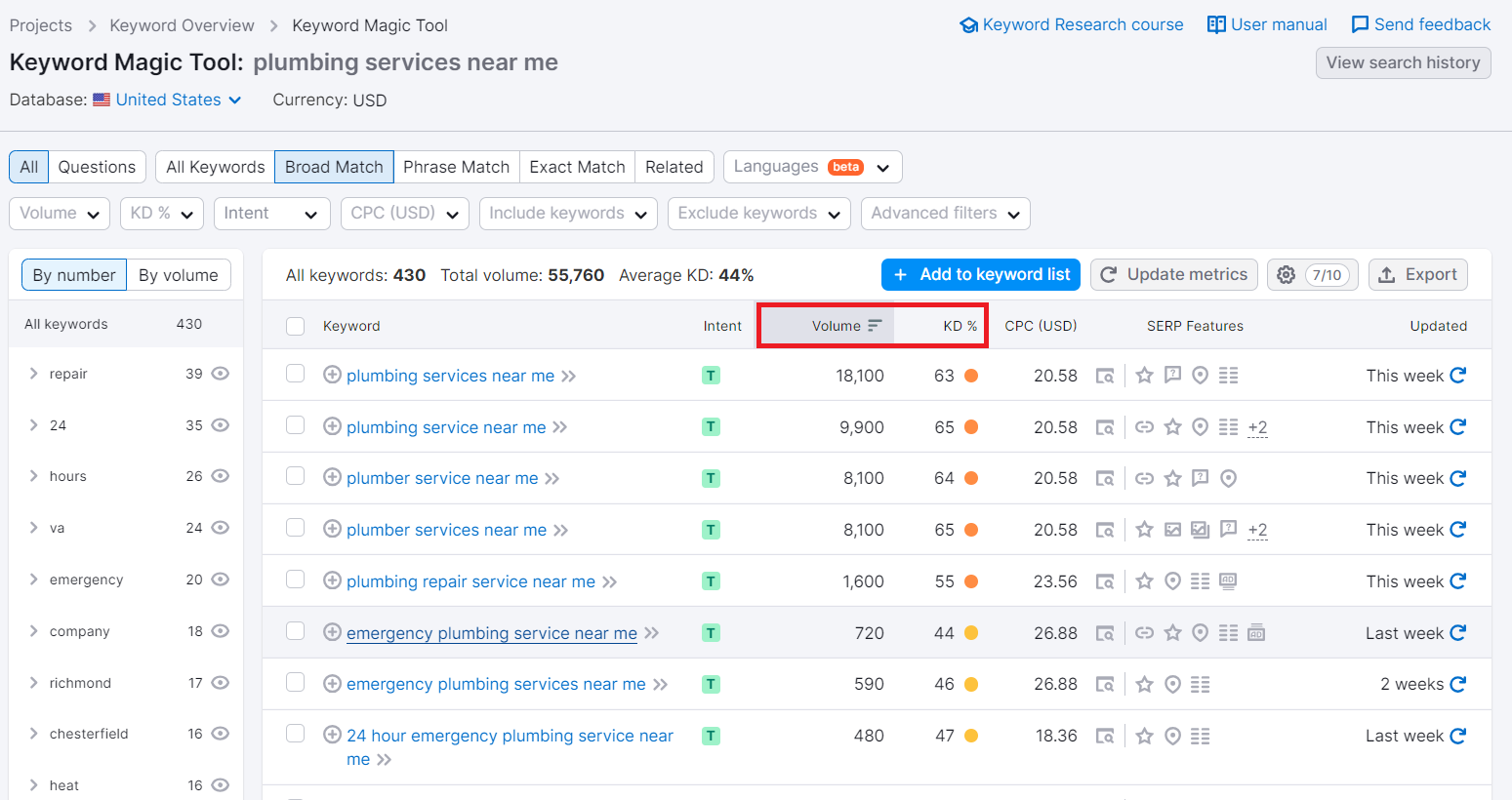
Long-tail keywords are longer, more detailed phrases that users type into search engines to find specific information. Unlike broad, generic keywords, long-tails tend to have lower search volumes but are also less competitive. As a result, they often yield better conversion rates and higher returns on investment (ROI).
.webp)
Why Use Long-Tail Keywords?
Long-tail keywords have several advantages over broad keywords:
- Lower competition: With fewer businesses targeting them, long-tails are less competitive, making it easier to rank higher.
- Higher conversion rates: Long-tails are typically more specific, attracting users who are closer to making a purchase or taking a desired action.
- Better ROI: Since long-tails have lower search volumes, the cost per click (CPC) is generally lower, resulting in a better ROI.