Understanding Export License Procedures
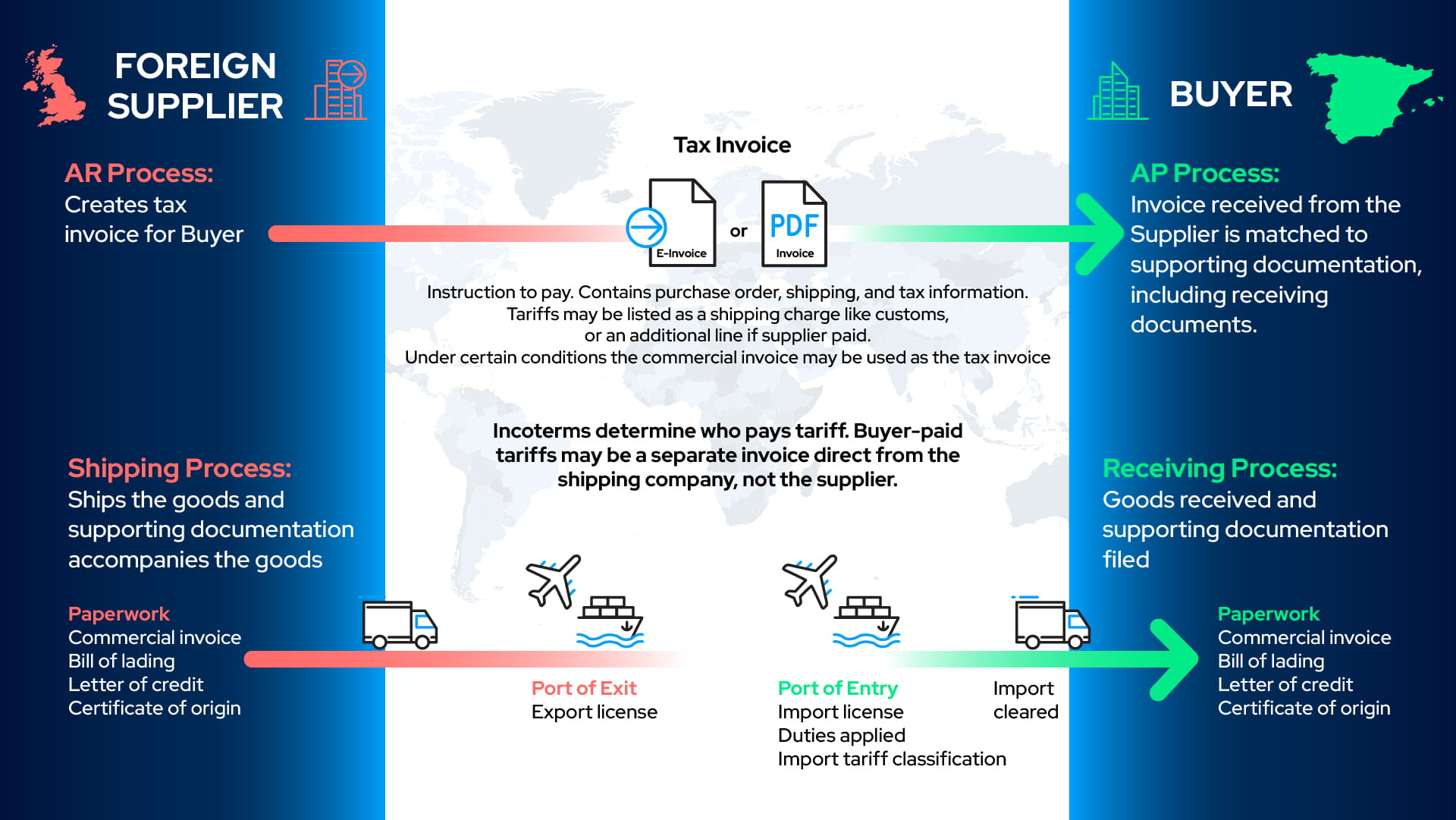
The process of exporting goods from one country to another requires a plethora of paperwork and licenses to ensure seamless compliance with customs regulations. In this article, we will delve into the intricacies of export license procedures, highlighting the key requirements, best practices, and essential insights necessary for a successful export operation.
What is an Export License?
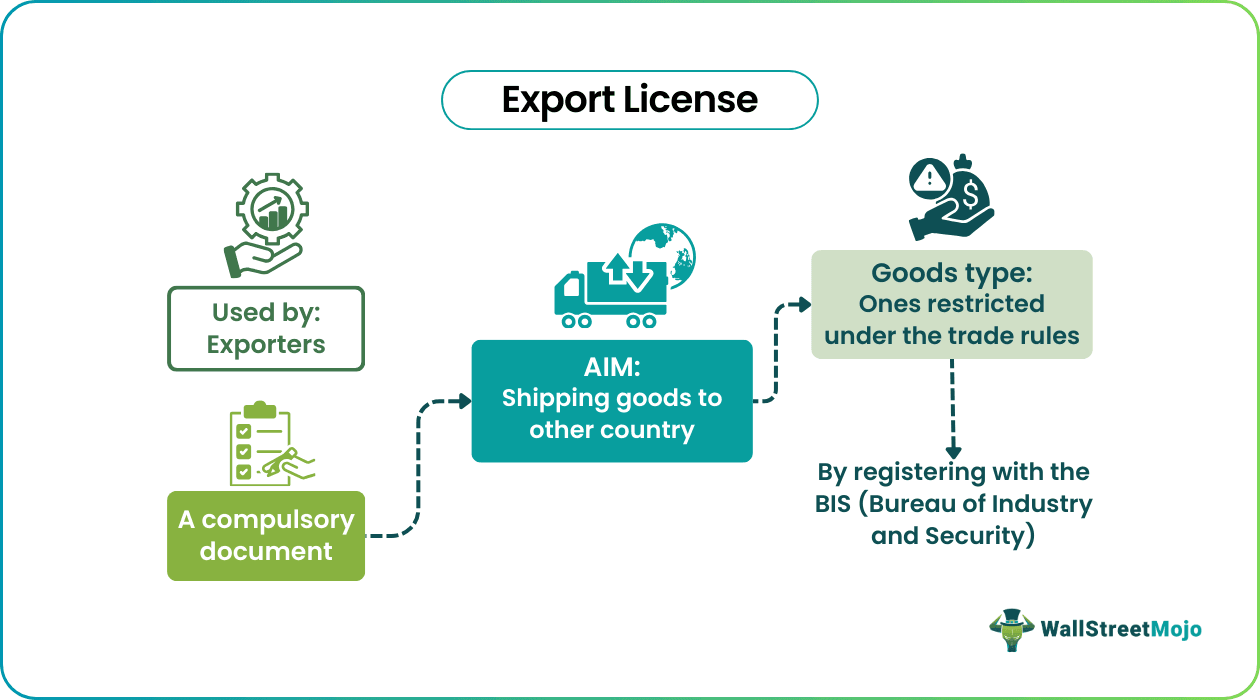
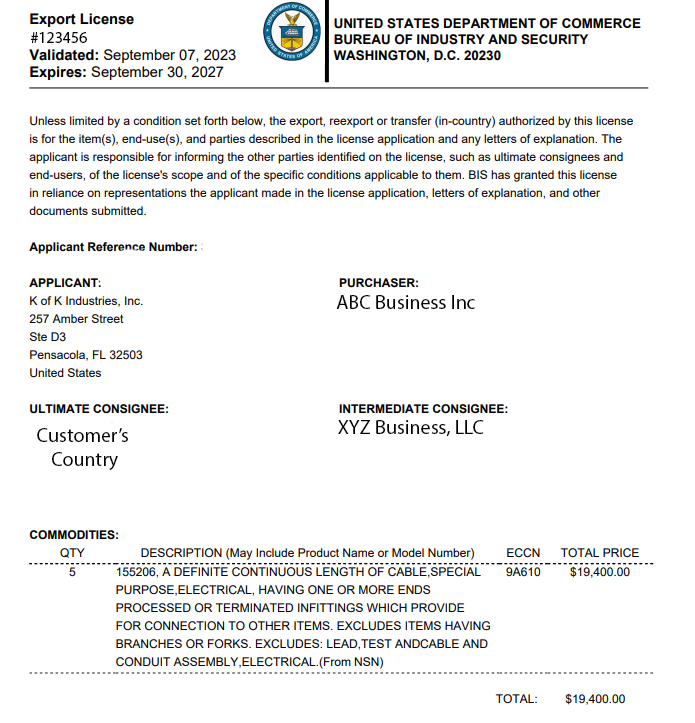
An export license is a government document that authorizes or grants permission to conduct a specific export transaction, including the export of technology. Obtaining an export license is a critical step in ensuring compliance with federal regulations and safeguarding national security.
The Importance of Export License Procedures
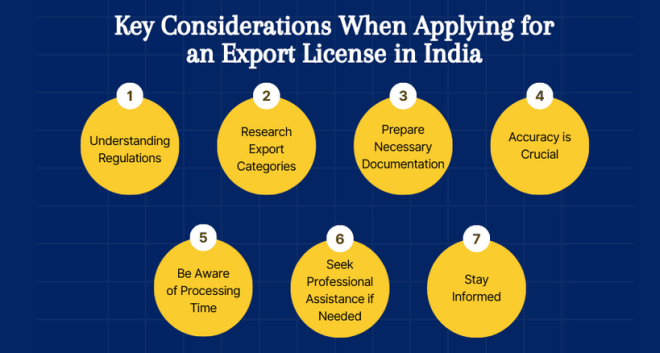
Export license procedures are a crucial component of regulatory compliance law, ensuring international trade adheres to national security and economic policies. Navigating these procedures is essential for legal and seamless export operations, minimizing risks and fostering global trust.
Types of Export Licenses
- General Export License: A type of license that allows a company to export a wide range of goods without the need for a specific license.
- Specific Export License: A type of license that requires a specific application and approval for the export of certain goods.
- Temporary Export License: A type of license that allows a company to temporarily export goods without the need for a specific license.