Type 2 Diabetes and GLP-1 Therapy: A Game-Changing Treatment Option
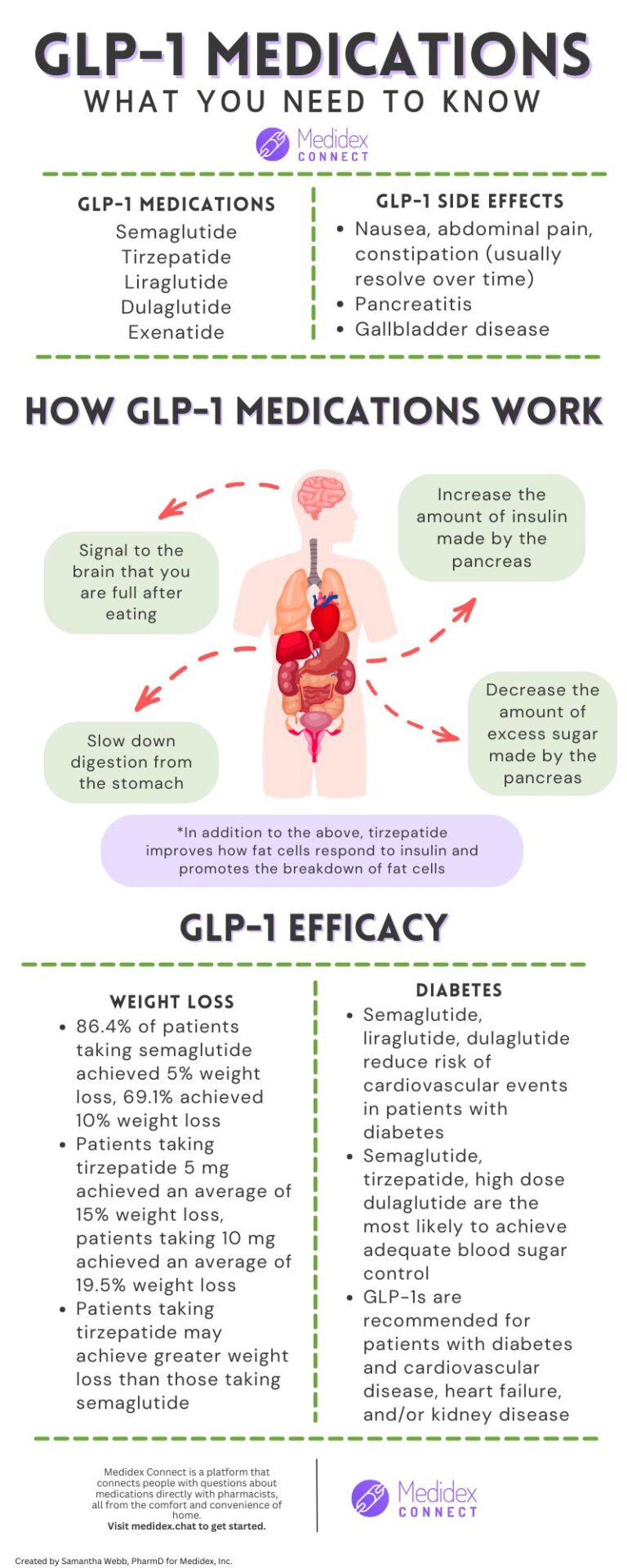
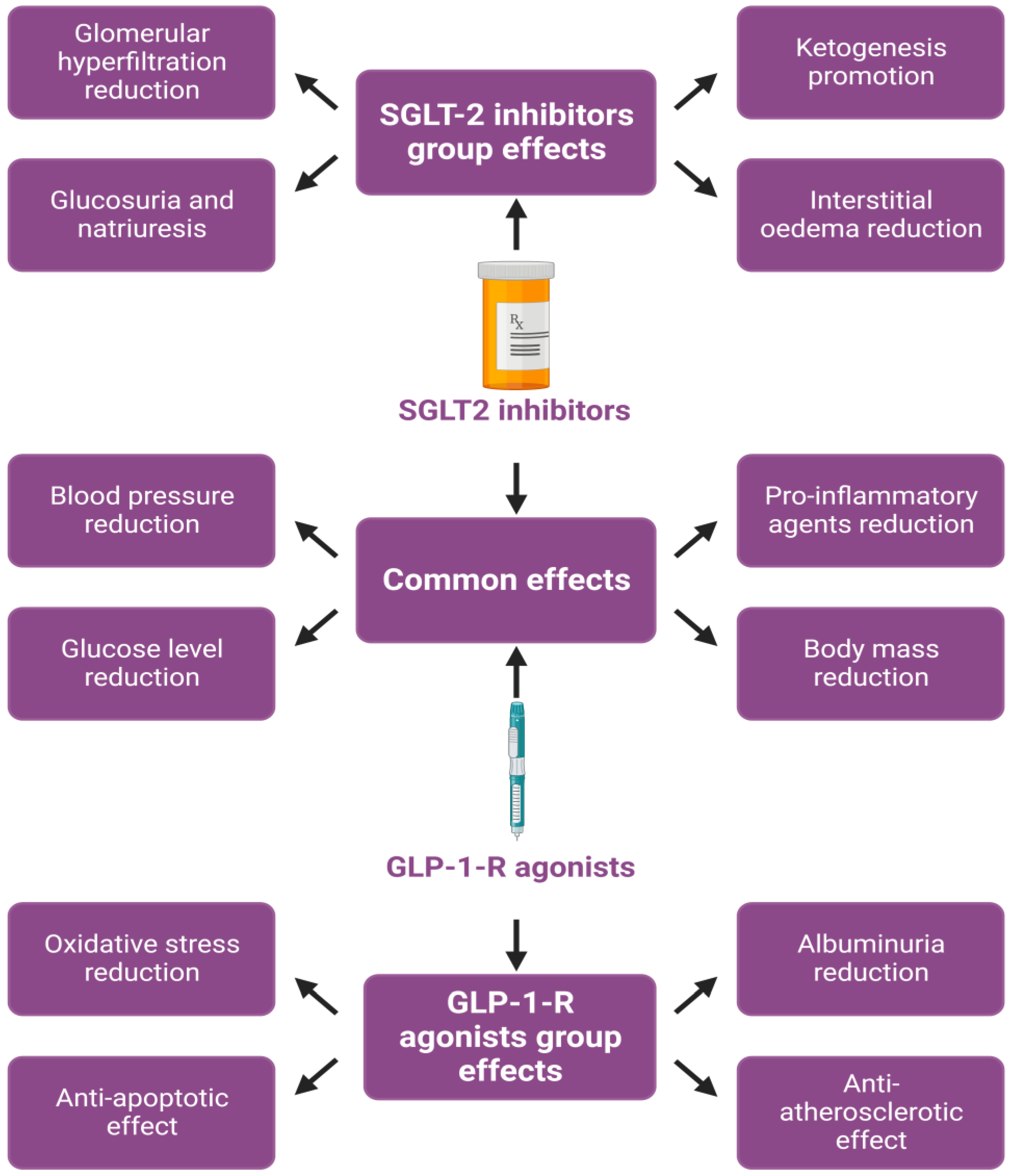
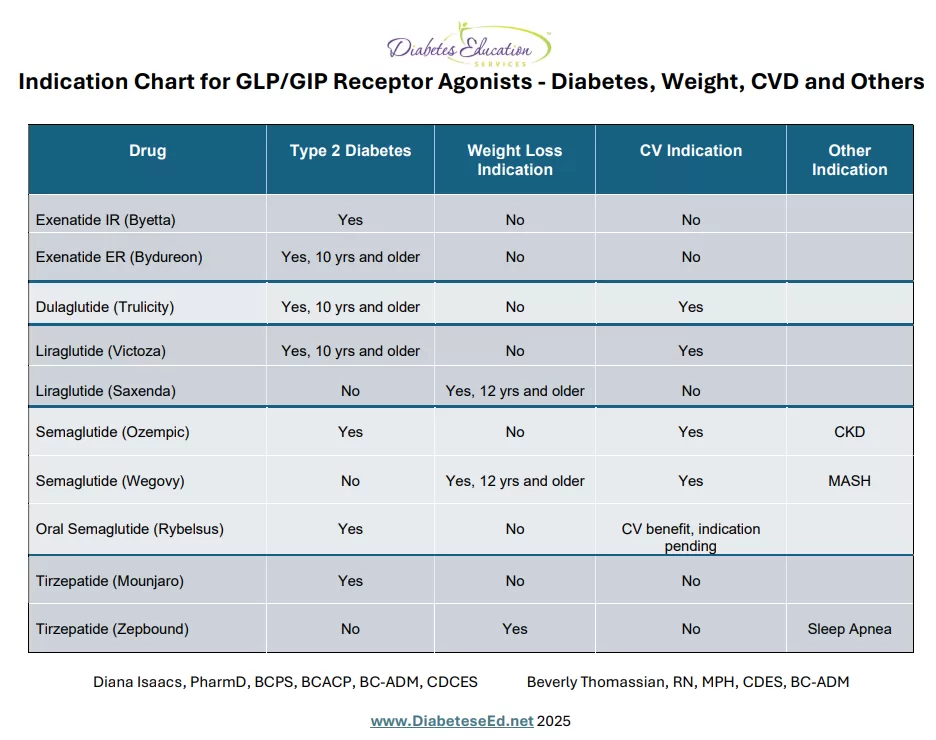
Glucagon-like peptide-1 (GLP-1) agonists have emerged as a groundbreaking class of medications for managing type 2 diabetes mellitus. These agents not only improve glycemic control by increasing insulin secretion and reducing glucagon levels but also offer a host of additional benefits, including weight loss, cardiovascular protection, and renoprotective effects. In this article, we will delve into the world of type 2 diabetes and GLP-1 therapy, exploring the current landscape, mechanisms of action, and the impact of these innovative treatments on patient outcomes.
Understanding Type 2 Diabetes
Type 2 diabetes mellitus is a chronic metabolic disorder characterized by insulin resistance and impaired insulin secretion. The disease affects millions of people worldwide, imposing a significant burden on healthcare systems and individuals alike. Traditional treatments for type 2 diabetes, including lifestyle modifications, oral medications, and injectable therapies, aim to improve glycemic control, but often fall short in providing comprehensive management.
Introducing GLP-1 Therapy
The Rationale Behind GLP-1 Agonists
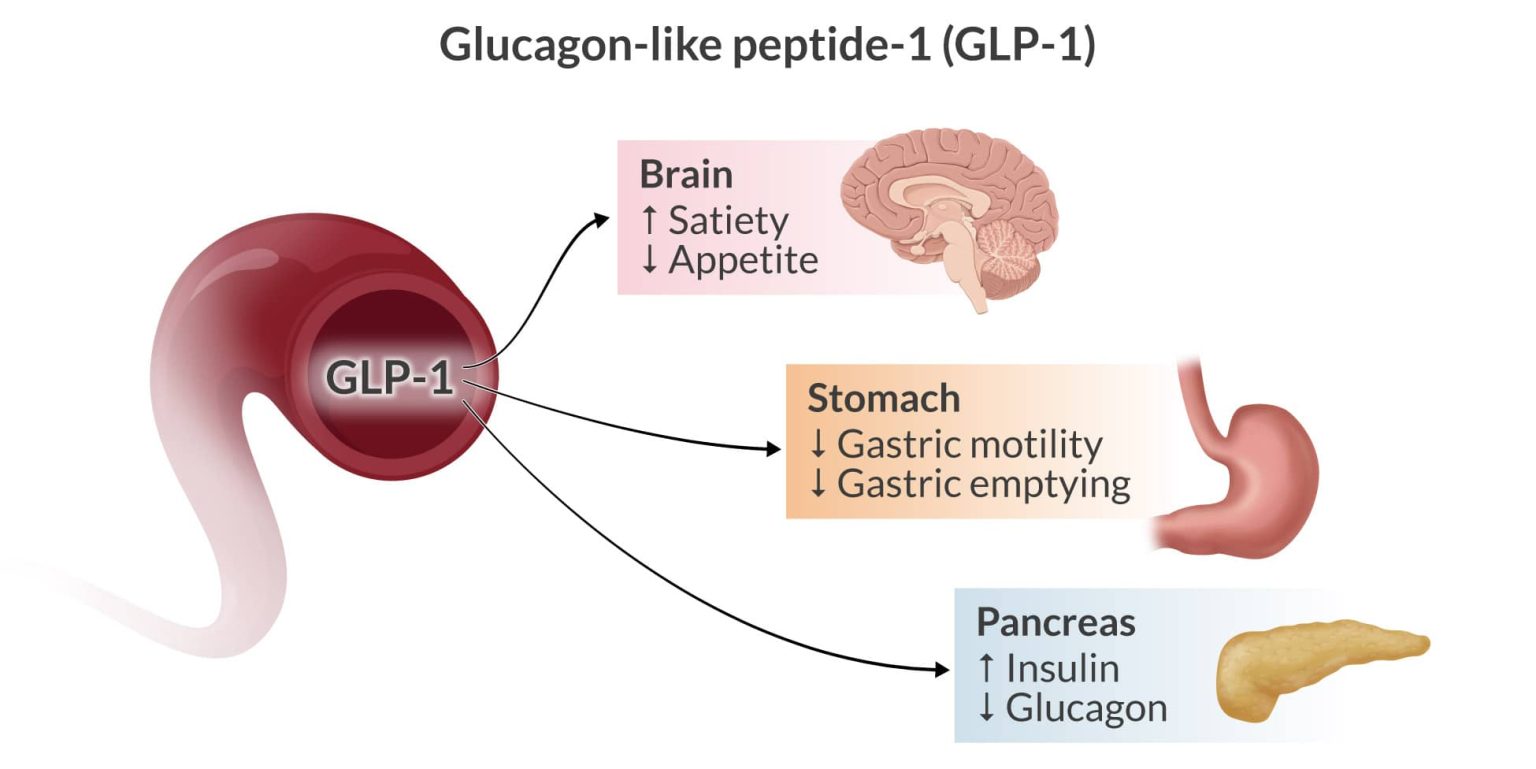
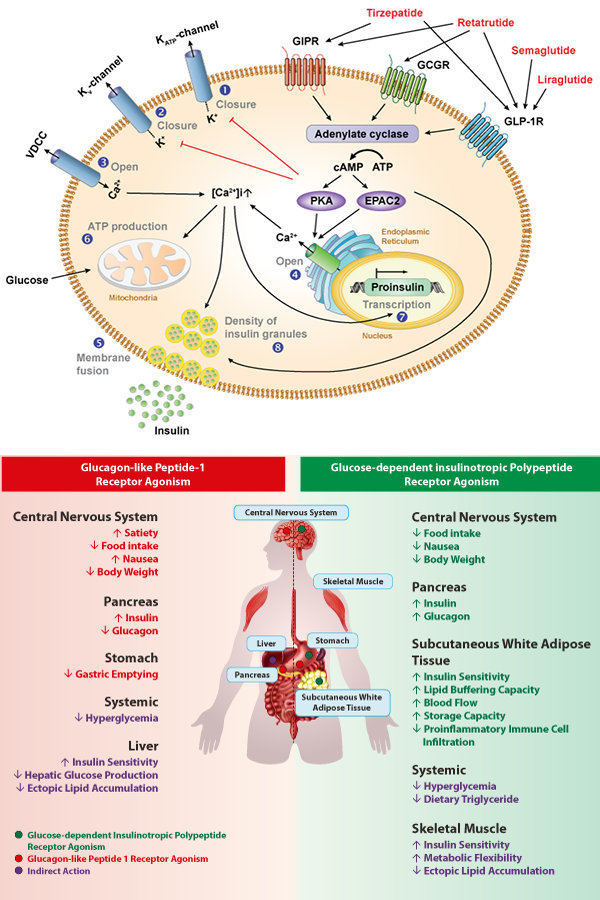
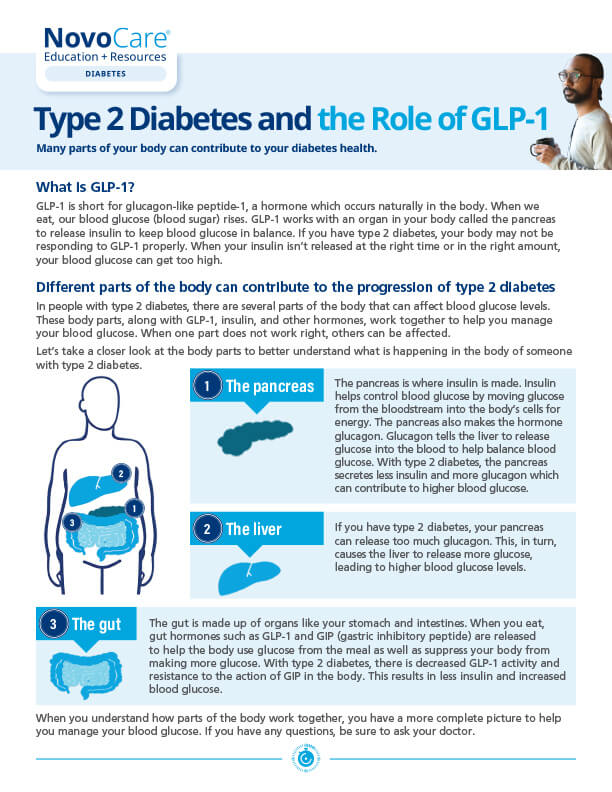
GLP-1 (Glucagon-like peptide-1) is an incretin hormone that plays a crucial role in glucose metabolism. GLP-1 agonists mimic the action of endogenous GLP-1, binding to its receptor and stimulating glucose-dependent insulin secretion, suppressing glucagon release, and slowing gastric emptying. This intricate mechanism of action provides a novel approach to managing type 2 diabetes.